The Story
Why it exists.
The beginning
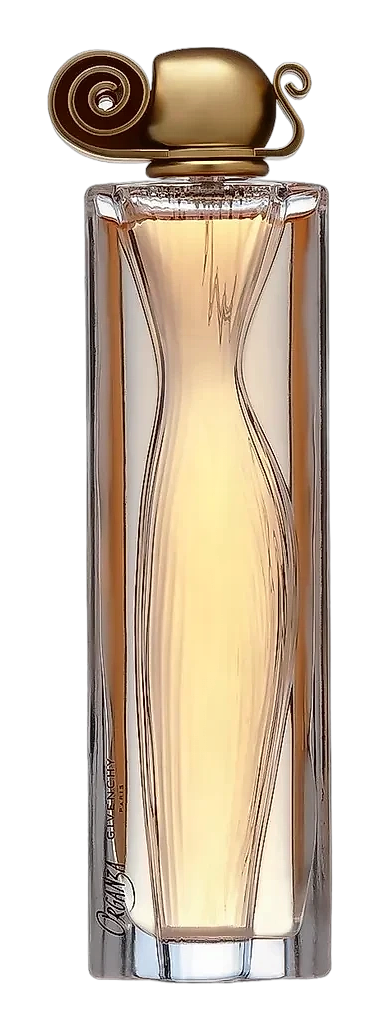
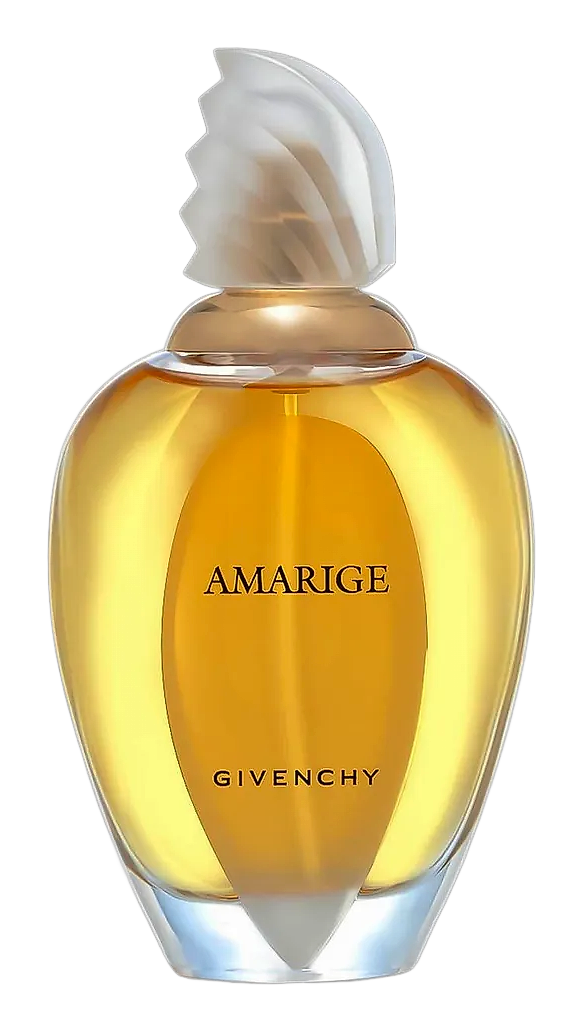
Amarige arrived in 1991, composed by Dominique Ropion for Givenchy. The name itself is the concept: an anagram of 'mariage,' the French word for marriage. But this isn't a bridal fragrance. It's the olfactory equivalent of the moment two people decide to stop pretending, the emotional excess, the joy that tips into something almost overwhelming. Ropion built the composition around that intensity, layering mimosa and gardenia at the heart with a density that matches the feeling's weight. The result is a fragrance that smells like a strong emotion, not a wedding.
What makes Amarige structurally interesting is its willingness to be too much. The heart lists eleven ingredients on paper, tuberose, gardenia, mimosa, jasmine, ylang-ylang, carnation, blackcurrant, rose, orchid, cassia, red berries, and the fragrance actually delivers on that abundance. Ropion doesn't blend these into politeness; he lets them exist in tension, the creamy gardenia fighting the golden powder of mimosa, the green carnation cutting through the sweetness. The fruit notes in the opening, peach, plum, aren't afterthoughts either. They give the florals something to land on, a sweetness that makes the heart feel warm rather than heady.
The evolution
The opening announces itself with juicy peach and mandarin, the sweetness almost syrupy with plum underneath. Violet and neroli keep it from getting heavy. Twenty minutes in, the florals take over and don't ask permission. Tuberose leads, but gardenia follows close, creamy, almost waxy. Mimosa adds a powdery golden quality that feels sunlit. Blackcurrant and red berries give the heart a slight gourmand edge, like fruit preserves spread thick. By hour three, the florals have settled and the base arrives: sandalwood and cedar, vanilla and tonka bean warmth, amber and musk soft and powdery. The drydown isn't quiet, but it's intimate, the kind of sillage that lives close to the skin. Eight to ten hours on most people, sometimes longer on fabric.
Cultural impact
Amarige defined a certain 1990s femininity, bold, opulent, unapologetically present. The strong sillage and eight-to-ten-hour longevity were features, not flaws, in an era when fragrances were expected to announce themselves. It's a time capsule and a statement, equally at home in a boardroom or an evening event. Amarige doesn't ask whether you're paying attention, it assumes you are.