Gardenia
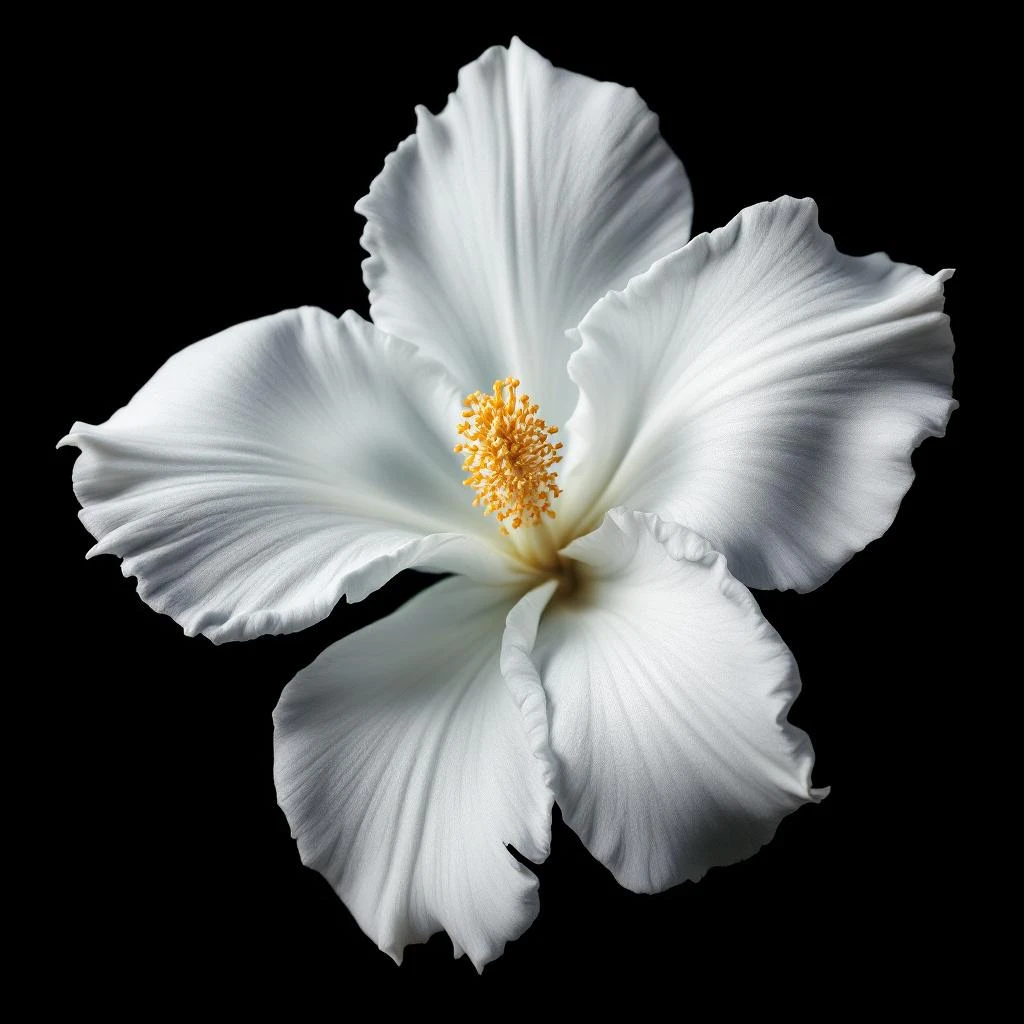
The white gardenia bloom carries one of perfumery's most prized floral notes—a creamy, intoxicating scent with green undertones. There's just one problem: the flower refuses to give up its oil.
Character
How it smells
The flower that outsmarts extraction.
Gardenia blossoms contain no extractable oil—every drop of gardenia in perfume is a chemist's recreation of the impossible.








Origin
China
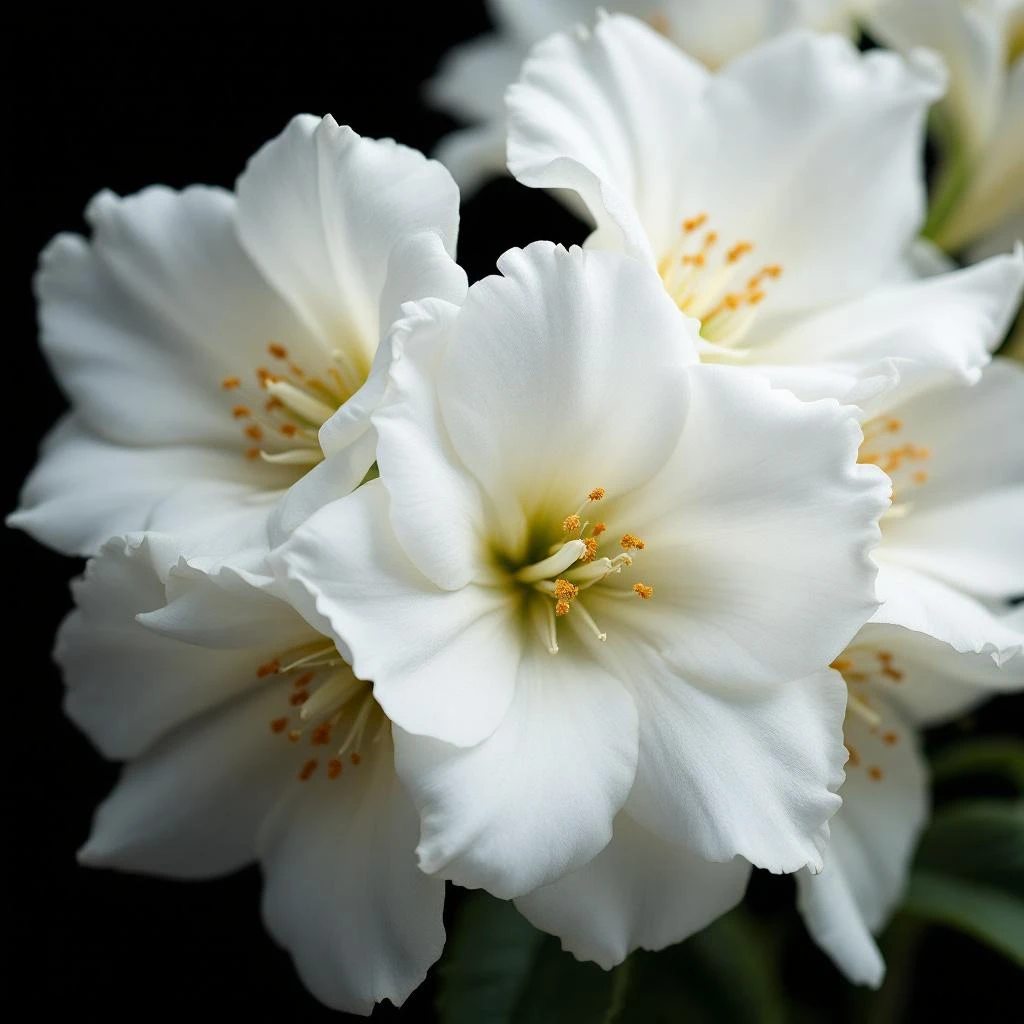
Gardenia's perfume history runs far longer in the East than in the West. Chinese perfumers used the flower to craft incense and scented waters during the Tang Dynasty, centuries before European perfumery even existed. The flower held sacred and medicinal roles alongside its fragrant one—gardenia tea and dyes were common across East Asia.
Western perfumery discovered gardenia much later, after jasmine, rose, and violet had already anchored the floral palette. Gardenia flower oil appeared in early 20th-century fragrances, but perfumers quickly realized they faced an unusual obstacle: the flower simply could not be extracted at meaningful volumes. This drove innovation toward synthetic recreation.
Today gardenia appears in countless perfumes as a reconstructed note, carrying centuries of Eastern fragrance tradition into modern compositions through the chemist's flask rather than the distiller's still.
Wears it best
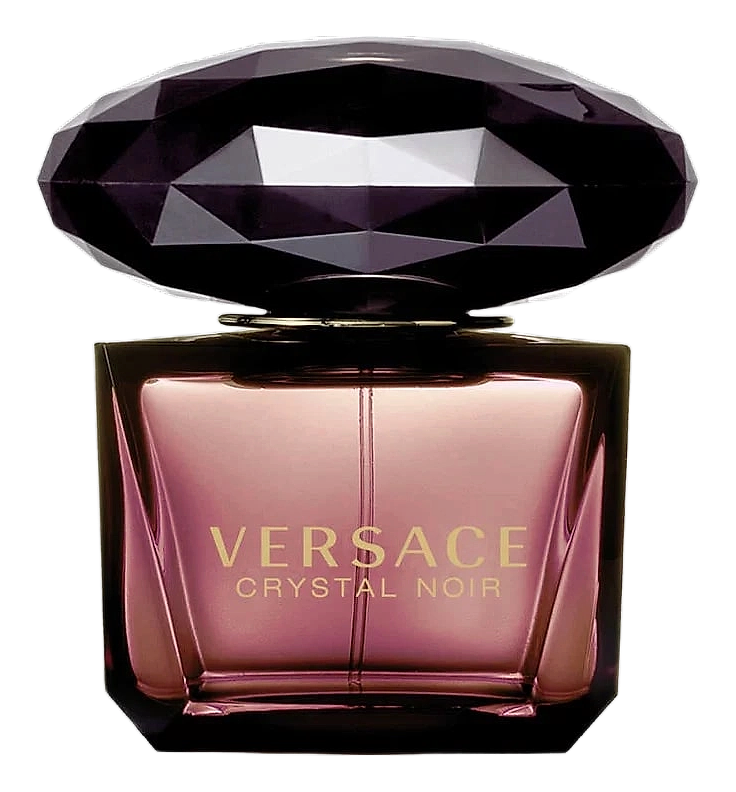
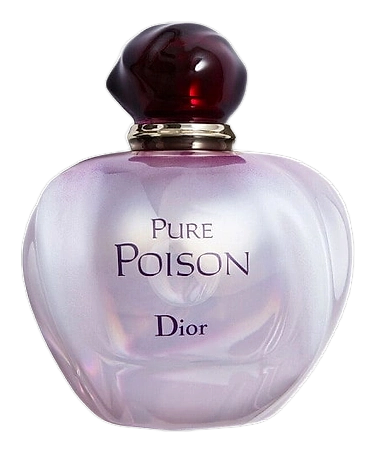
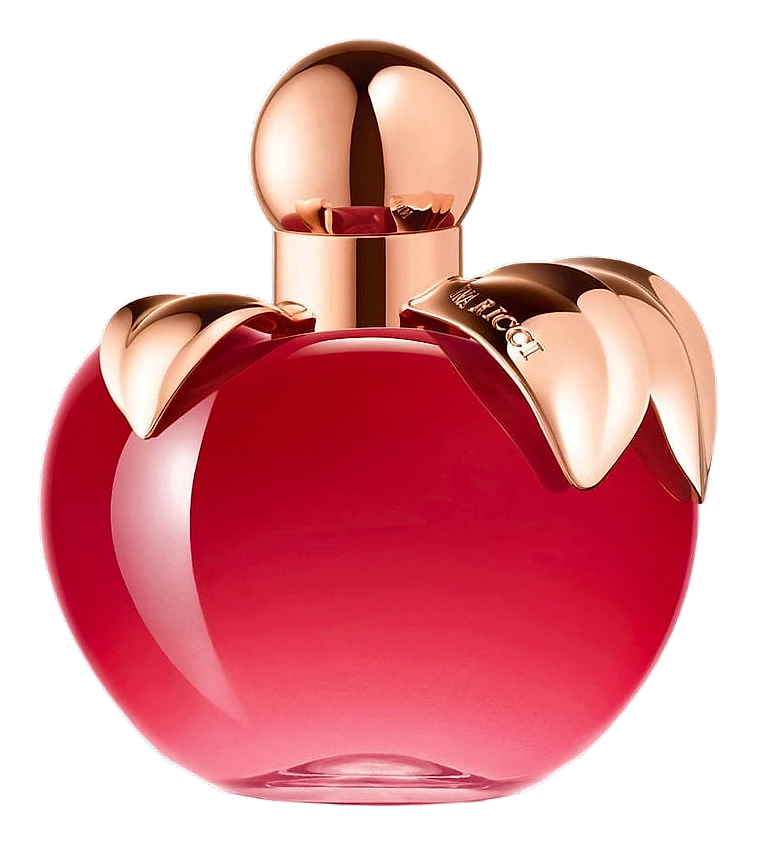
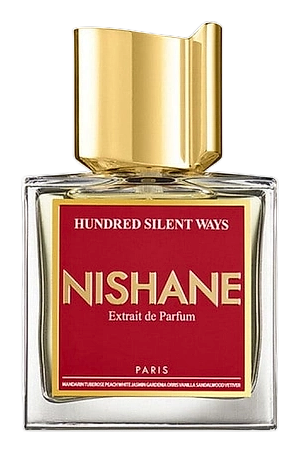
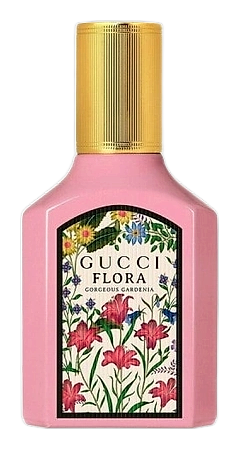
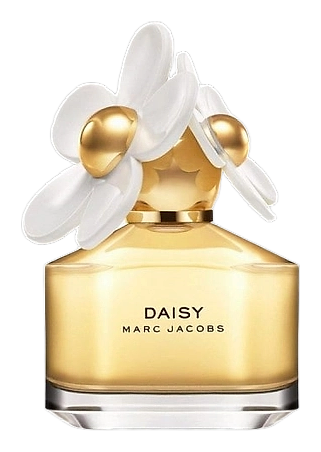
Fragrances featuring Gardenia

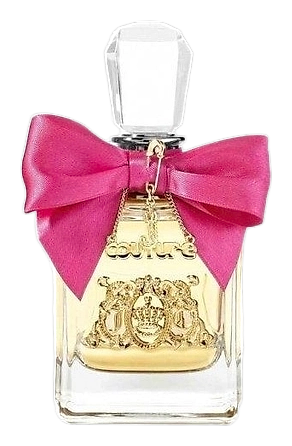

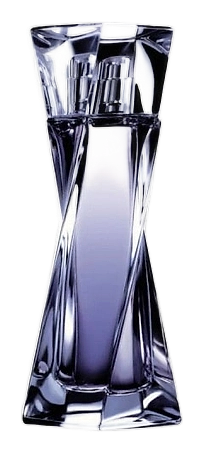
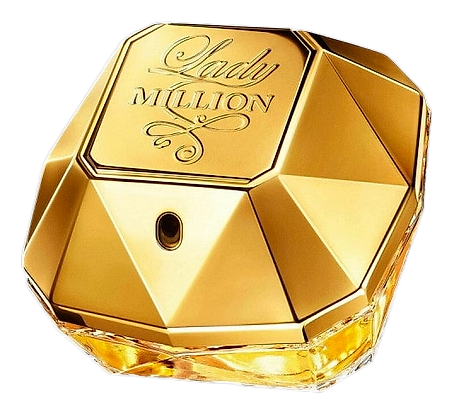
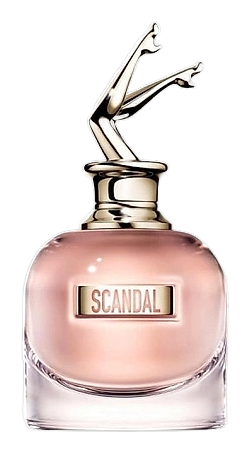
Brands
Brands known for Gardenia
Good to know
Questions, answered
The essentials on Gardenia in perfumery: how it smells, where it comes from, and how it behaves on skin.
What does gardenia smell like in perfume?
Gardenia in perfume reads as a rich, creamy white floral with a distinctive green undertone. The scent carries tropical warmth and a lactonic softness that many compare to jasmine, but with a sharper, greener edge. It feels intoxicating and slightly waxy, like crushed petals at dusk.
Is gardenia a natural or synthetic ingredient?
Every gardenia note in commercial perfumery is synthetic. No natural gardenia oil or absolute exists at scale. Perfumers build the scent using aroma chemicals, primarily styrallyl acetate, because the flower produces aromatic compounds that break down during any extraction attempt.
Why can't gardenia oil be extracted from the flower?
The aromatic compounds inside gardenia petals are too fragile to survive standard extraction. Heat destroys them, and solvents fail to pull the scent without also extracting unwanted plant chemicals. This makes gardenia one of perfumery's most famous impossible flowers.
What is styrallyl acetate?
Styrallyl acetate is a synthetic aromatic compound that forms the backbone of reconstructed gardenia. It carries a sharp, floral-green scent reminiscent of gardenia and serves as the primary building block for the note in most commercial fragrances.
Which famous perfumes use gardenia?
Gardenia appears as a signature note in Chanel Gardenia (1925), which remains one of the most recognized gardenia fragrances. It also features prominently in Creed Spring Flower, Tom Ford Gardenia, and dozens of other white floral compositions across the market.
What blends well with gardenia in fragrance?
Gardenia pairs naturally with other white florals like jasmine, tuberose, and ylang-ylang. It also harmonizes with green notes such as galbanum and with creamy base materials like sandalwood and white musk, which round out its warmth.
Does gardenia have a historical role outside perfumery?
Yes, long before Western perfumery adopted it. Ancient Chinese perfumers used gardenia for incense and scented preparations during the Tang Dynasty. The flower also served traditional medicine and produced natural dyes for textiles across East Asia.
Is there any way to get true gardenia essential oil?
Only trace amounts exist, obtained through enfleurage—a cold-process technique where petals rest on cooled fat. Some small artisans still practice this method, but the yield is negligible and the product never reaches commercial fragrance production.



