



































Heritage
A house, in its own words
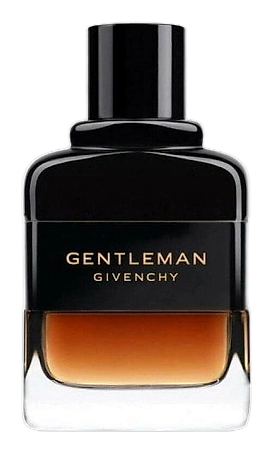
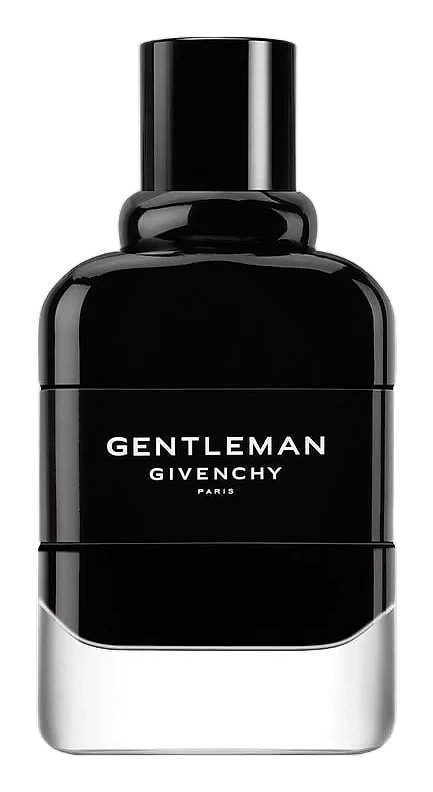
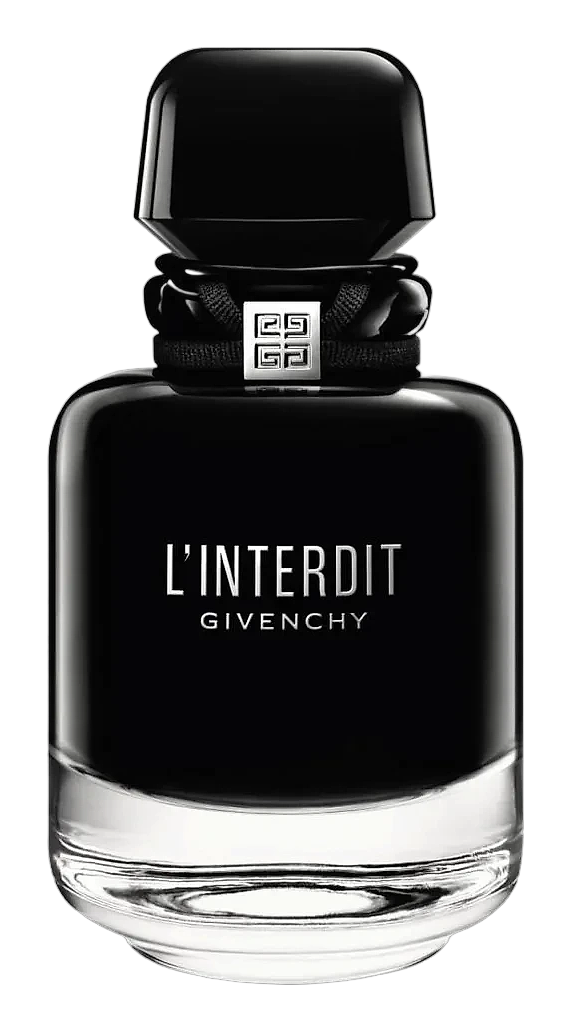
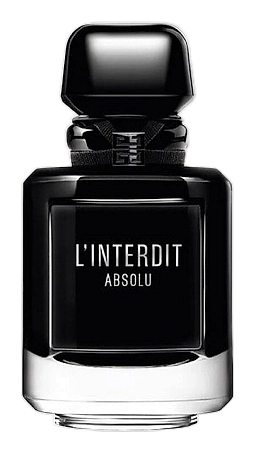
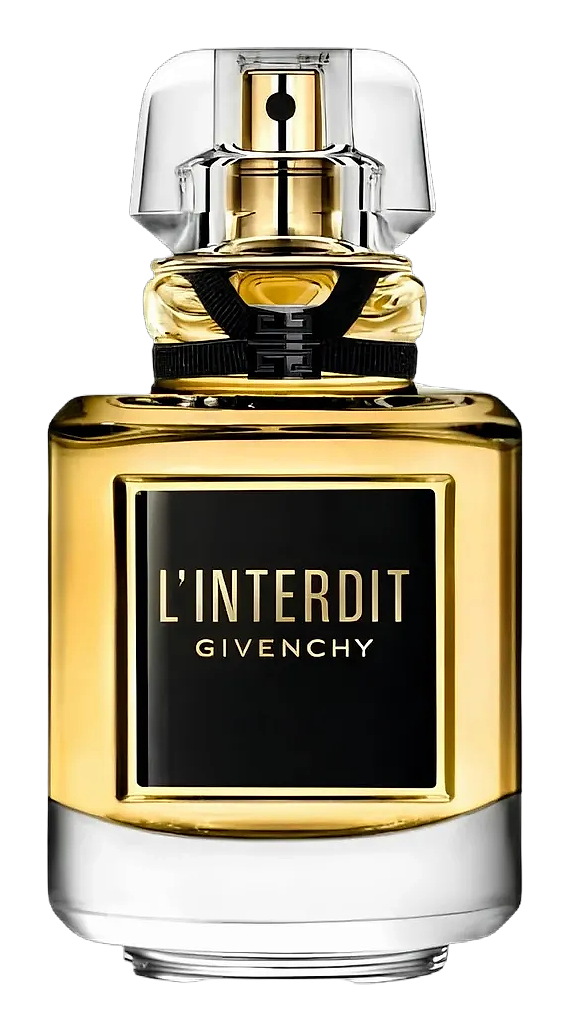
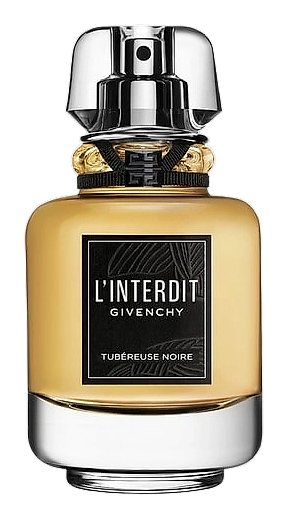
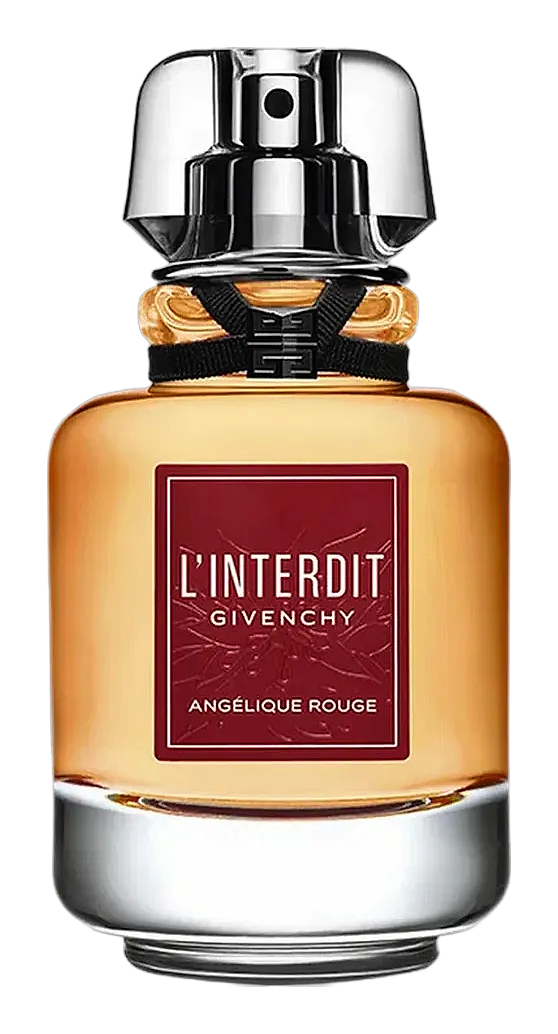
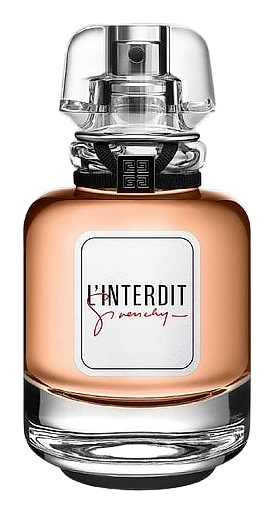
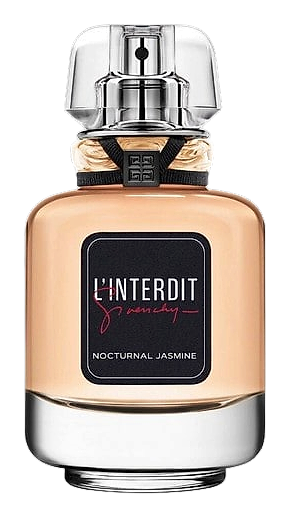
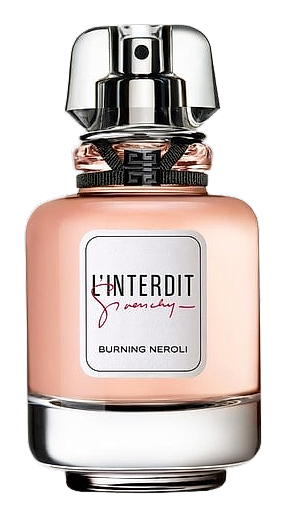
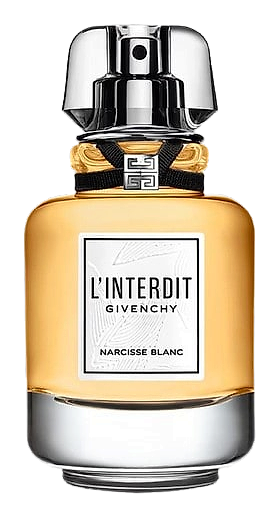
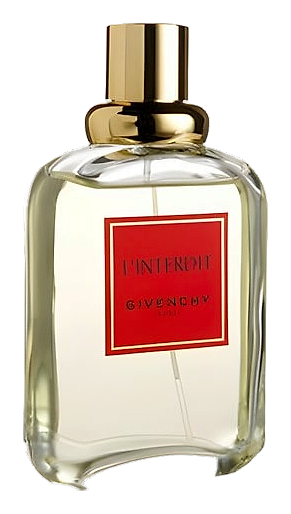
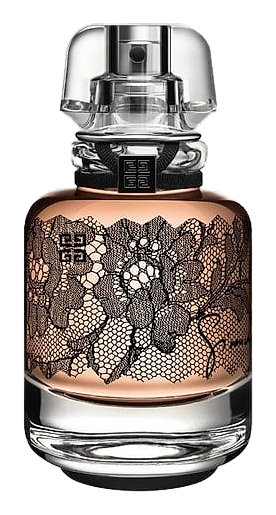
When Hubert de Givenchy founded his couture house in Paris in 1952, he was just 25 years old. He quickly became known for a fresh, modern elegance that stood apart from the more rigid styles of the era. His most important relationship was not with a client, but with his muse, actress Audrey Hepburn. He designed her personal and on-screen wardrobes, and in 1957, he created a fragrance exclusively for her. When he suggested releasing it to the public, she playfully protested, giving the scent its name: L'Interdit, or 'The Forbidden.' L'Interdit, along with its counterpart Le De, marked the official birth of Parfums Givenchy. The house followed this success with the first masculine scent, Monsieur de Givenchy, in 1959. But it was 1974's Gentleman that truly defined Givenchy's masculine identity, using a bold dose of patchouli that was daring for its time. After Hubert's retirement in 1995, the house, which had been acquired by LVMH in 1988, continued to evolve. A series of visionary designers have kept the brand at the forefront of fashion, and the fragrance division has mirrored this evolution, reinterpreting its icons for new generations while launching new pillars that honor the founder's audacious spirit. At its core, Givenchy's philosophy is about 'fearless elegance.' The brand doesn't create simple, pretty fragrances; it creates olfactory statements. There's a constant play of contrasts that defines their work. You can feel it in the modern L'Interdit, which pits a bright, white floral bouquet against a dark, earthy base of vetiver and patchouli. It's the scent of a thrill, a step into the unknown. This duality extends to the masculine lines, where the Gentleman collection celebrates a man who is both strong and sensitive, classic yet modern. The house believes a fragrance should be an extension of one's personality, an invisible accessory that provides confidence and a touch of defiance. It's about respecting tradition enough to know exactly how to break its codes with sophistication and impact.