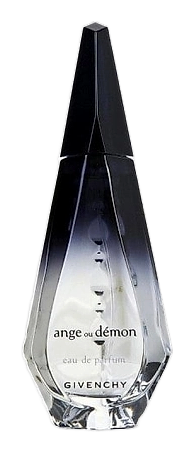

The Story
Why it exists.
The beginning
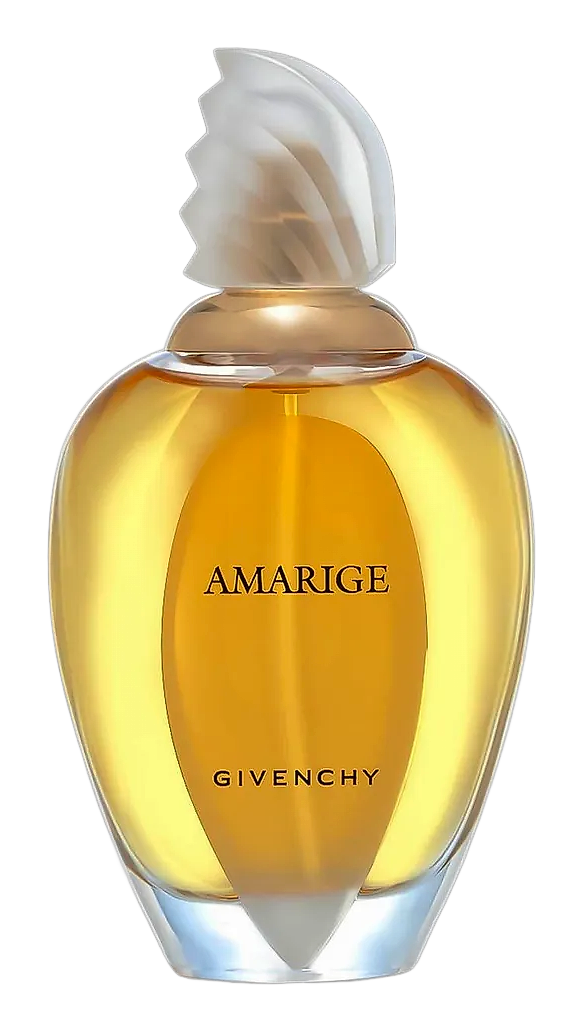
The name says everything. Ange ou Démon, Angel or Demon, arrived in 2006 as Givenchy's answer to the question the house had been asking since 1952: what happens when you let light and dark occupy the same space? Olivier Cresp and Jean-Pierre Béthouart built this fragrance around a single tension. The florals are lush, almost opulent. The base keeps them honest. Not a contradiction, a conviction. Givenchy has never been interested in fragrances that apologize for themselves, and this one doesn't start now.
What makes the note structure interesting is the saffron. It opens the composition like a door kicked open, medicinal, slightly animalic, impossible to ignore. Against it, white thyme and mandarin orange provide a sharp citrus counterpoint that most wearers don't expect from something this floral. The heart is where it gets indulgent: ylang-ylang, lily, and orchid together create a white floral density that borders on heady. But the base refuses to let the sweetness win entirely. Oakmoss gives it a mossy, almost subversive edge. Tonka bean and vanilla keep it warm. Rosewood adds a woody depth that keeps everything grounded, and slightly retro.
The evolution
The opening announces itself immediately. White thyme and mandarin orange cut bright and clean against the saffron's spice, that first thirty minutes is the sharpest part of the arc. Then the florals take over. Ylang-ylang arrives first, heavy and warm, followed by lily and orchid filling in the gaps until the heart feels almost suffocating in its richness. This is the phase that defines the fragrance for most of its life. The drydown is where it softens. Tonka bean and vanilla create a powdery warmth that smooths the edges, but the oakmoss lingers. On most skin types, the full arc runs eight to ten hours. The sillage stays strong throughout, this is not a quiet fragrance. The next morning, there's a faint tonka-vanilla trace on fabric. Not aggressive. Just present.
Cultural impact
Ange Ou Demon arrived at a pivotal moment in 2006, when the fragrance industry was transitioning from the maximalist 1990s into the era of minimalism. By doubling down on contrast and duality, light and dark, angel and demon, Givenchy made a statement about modern femininity: complexity is not a contradiction but a strength. The fragrance became a cult favorite among enthusiasts who appreciate bold, uncompromising sillage in an era when many houses were pulling back. Its continued relevance on secondary markets and enthusiast forums proves it struck a nerve that has not faded.