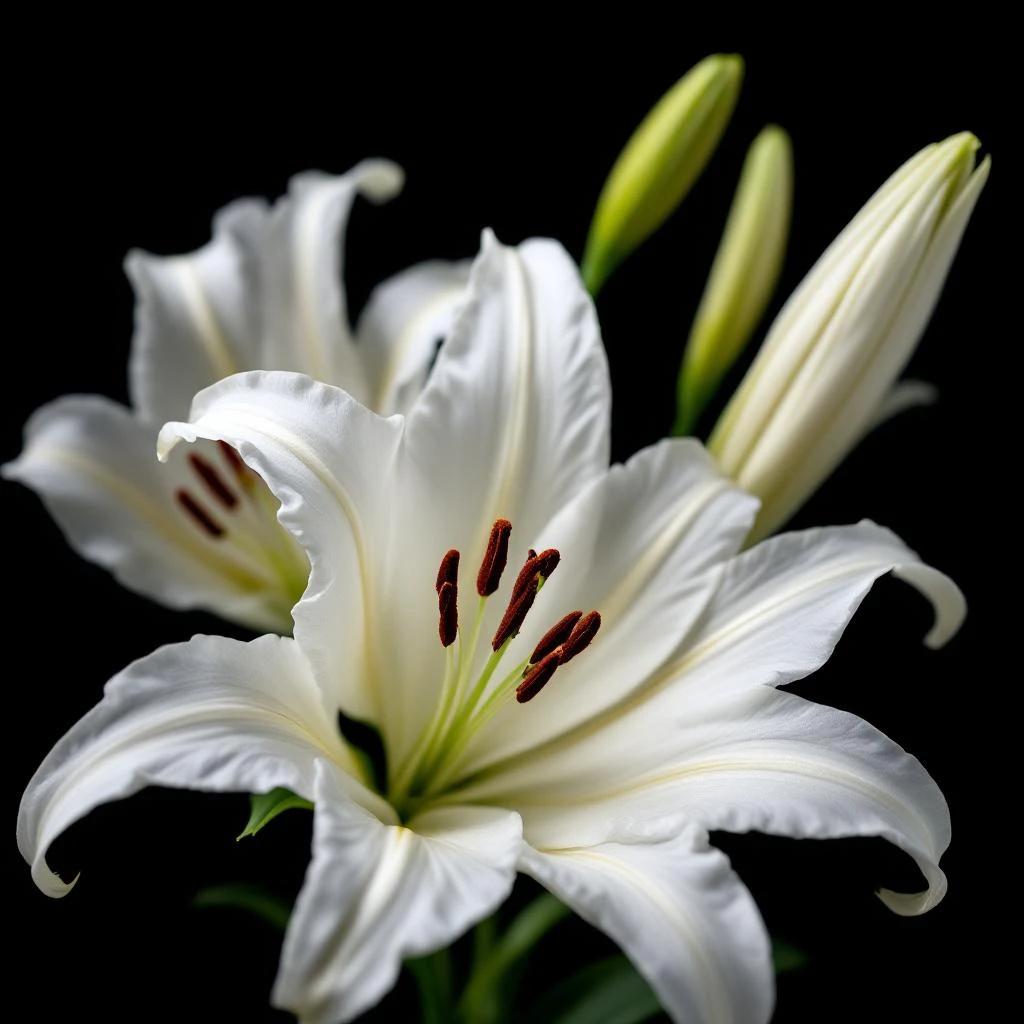
Lily
Lily brings a creamy, green, and slightly indolic floral character to perfumery. The true flower resists distillation, so perfumers rely on a handful of aroma molecules to recreate its cool, waxy, garden-fresh signature.
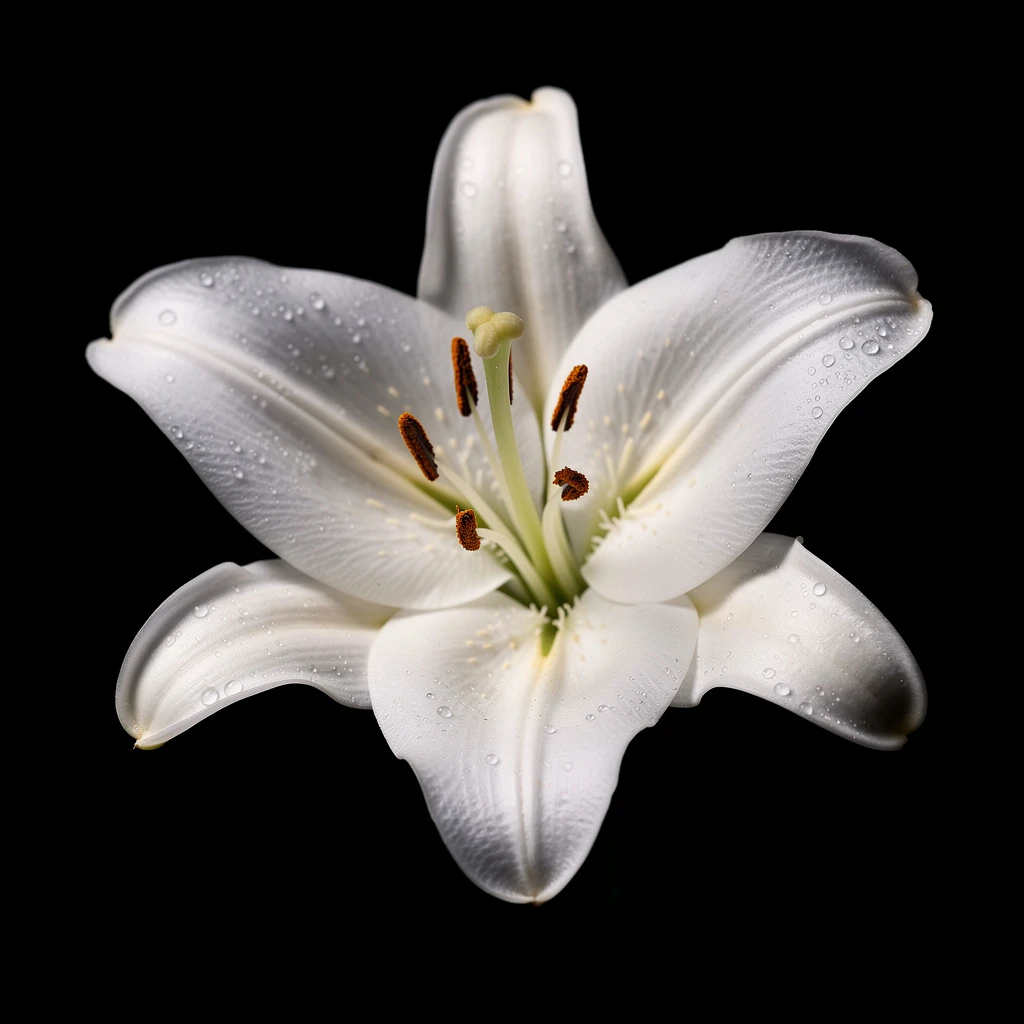
Character
How it smells
A ghost of a flower, rebuilt by chemistry.
True lily cannot be extracted by steam distillation without ruining the scent, making it one of the earliest flowers chemists tried to reconstruct from scratch.









Origin
Egypt
Lilies appear in the earliest written records of perfumed culture. Egyptian tomb paintings dating to around 1500 BCE depict workers preparing lily-scented unguents through maceration, steeping the blooms in fat or oil to capture their scent. The Greeks and Romans carried this practice forward, associating the lily with divinity and using its oil in ceremonial balms.
Through the medieval and Renaissance eras, lily remained a symbol of purity in European gardens and chapels alike, though its perfumery use was limited by the same extraction difficulties that persist today. The breakthrough came in 1905, when a German laboratory synthesized hydroxycitronellal from citronella. This single molecule became the backbone of white-floral compositions for the next century.
By the 1920s, lily of the valley reconstructions dominated fine fragrance launches, and true botanical lily notes were gradually replaced by these synthetic accords. The living flower never lost its cultural pull, but in the bottle, chemistry won the argument.
Wears it best
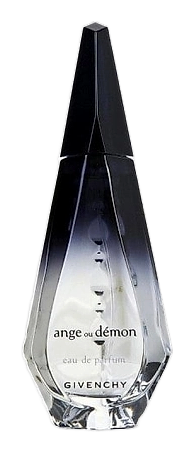
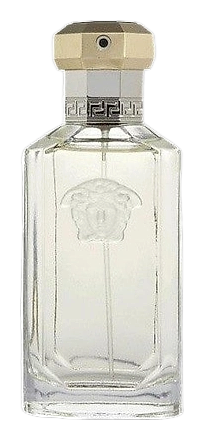
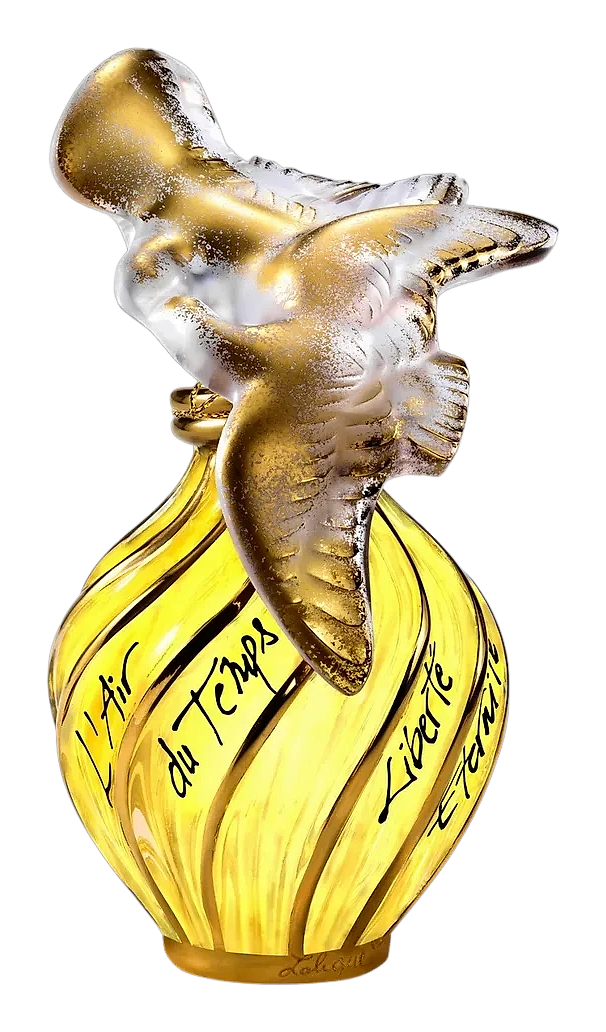
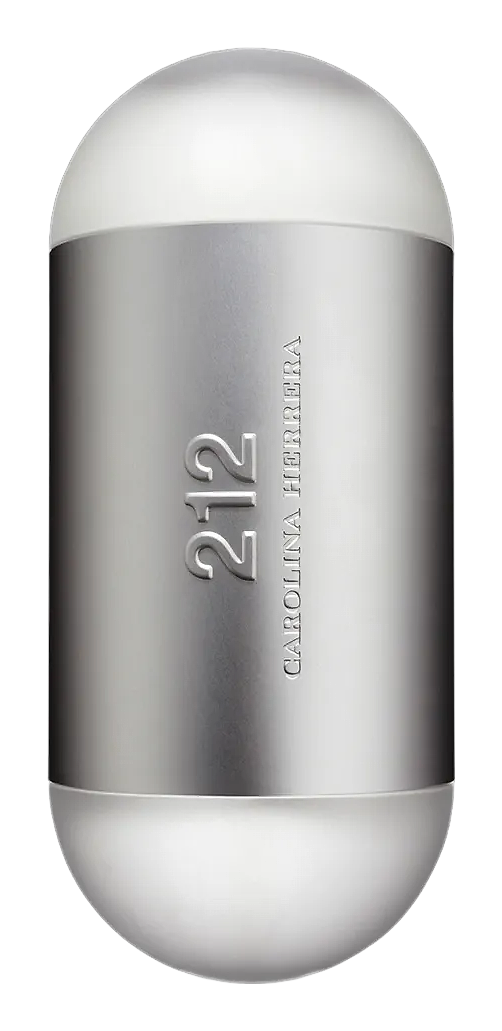
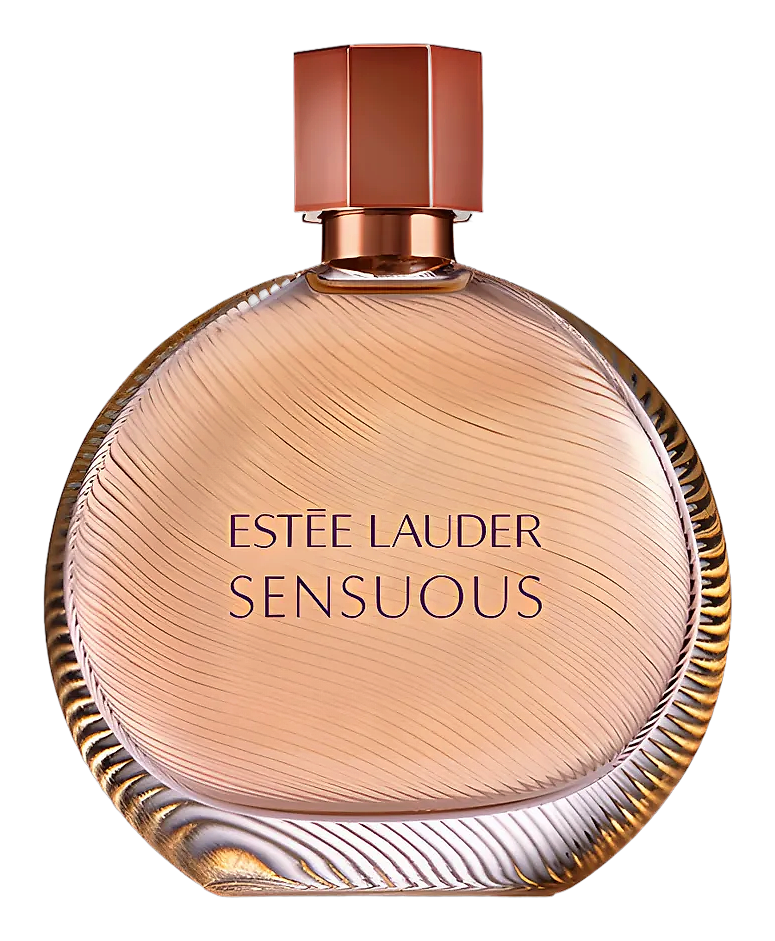
Fragrances featuring Lily


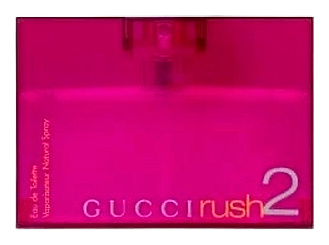
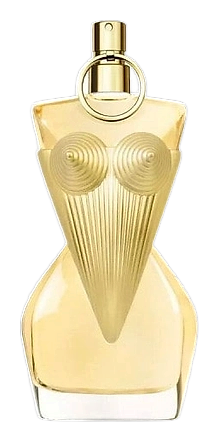
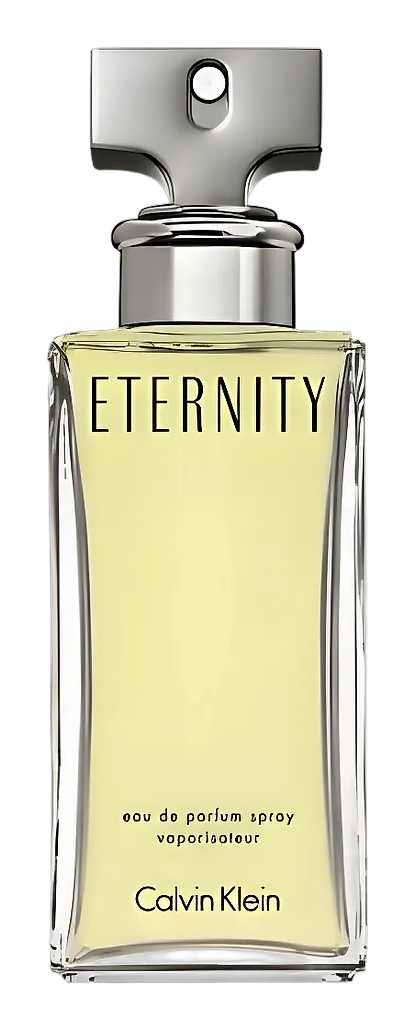

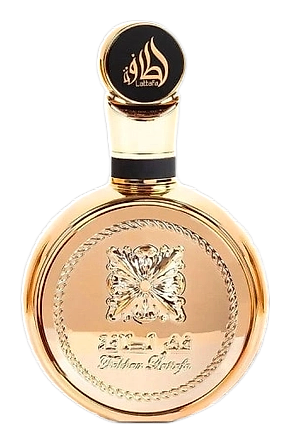
Brands
Brands known for Lily
Good to know
Questions, answered
The essentials on Lily in perfumery: how it smells, where it comes from, and how it behaves on skin.
Is the lily note in perfume natural or synthetic?
Almost always synthetic. The fresh lily flower yields negligible volatile oil through steam distillation, and what does extract smells cooked rather than floral. Perfumers reconstruct the scent using aroma molecules like hydroxycitronellal, which a German lab first synthesized from citronella in 1905.
Why does lily of the valley appear so often instead of true lily?
Lily of the valley, or muguet, shares the white-floral character perfumers associate with lily but has proven easier to approximate synthetically. Its accords rely on hydroxycitronellal and related aldehydes, a palette established in early 20th century French perfumery and still dominant today.
What does lily smell like in a fragrance?
Lily in perfumery reads as creamy, waxy, and green with a cool, dewy sweetness. Synthetic reconstructions lean on hydroxycitronellal's soft floral facet, often sharpened with green aldehydes to evoke the freshness of a freshly opened white bloom in spring air.
How did ancient perfumers capture lily scent?
Egyptian perfumers around 1500 BCE used maceration, soaking lily blooms in fat or oil for extended periods. Tomb paintings from that era document the process, and the technique carried forward through Greek and Roman unguent-making traditions for centuries.
When was hydroxycitronellal first made?
Hydroxycitronellal was first synthesized in 1905 by a German laboratory working from citronella. The molecule became the structural backbone of white-floral accords and remains one of the most-used floral materials in modern perfumery.
Can true lily be extracted today?
Only in vanishingly small quantities. Enfleurage, the cold-fat technique used for jasmine, can capture some lily character but produces such low yields that commercial extraction is not viable. The cost per gram would far exceed market pricing for most fragrance applications.
What types of perfume feature lily prominently?
White-floral compositions dominate, including soliflores built around muguet, lily, and tuberose. Green and aldehyde-driven florals also use lily as a softening middle note, particularly in compositions from the 1920s onward that drew on hydroxycitronellal-heavy accords.
What is the difference between lily and jasmine in perfumery?
Jasmine yields a rich, indolic, almost animalic floral oil extractable by enfleurage or solvent methods, while lily resists extraction and is reconstructed synthetically. The two share white-floral territory, but jasmine carries narcotic depth that lily's cooler, greener profile lacks.