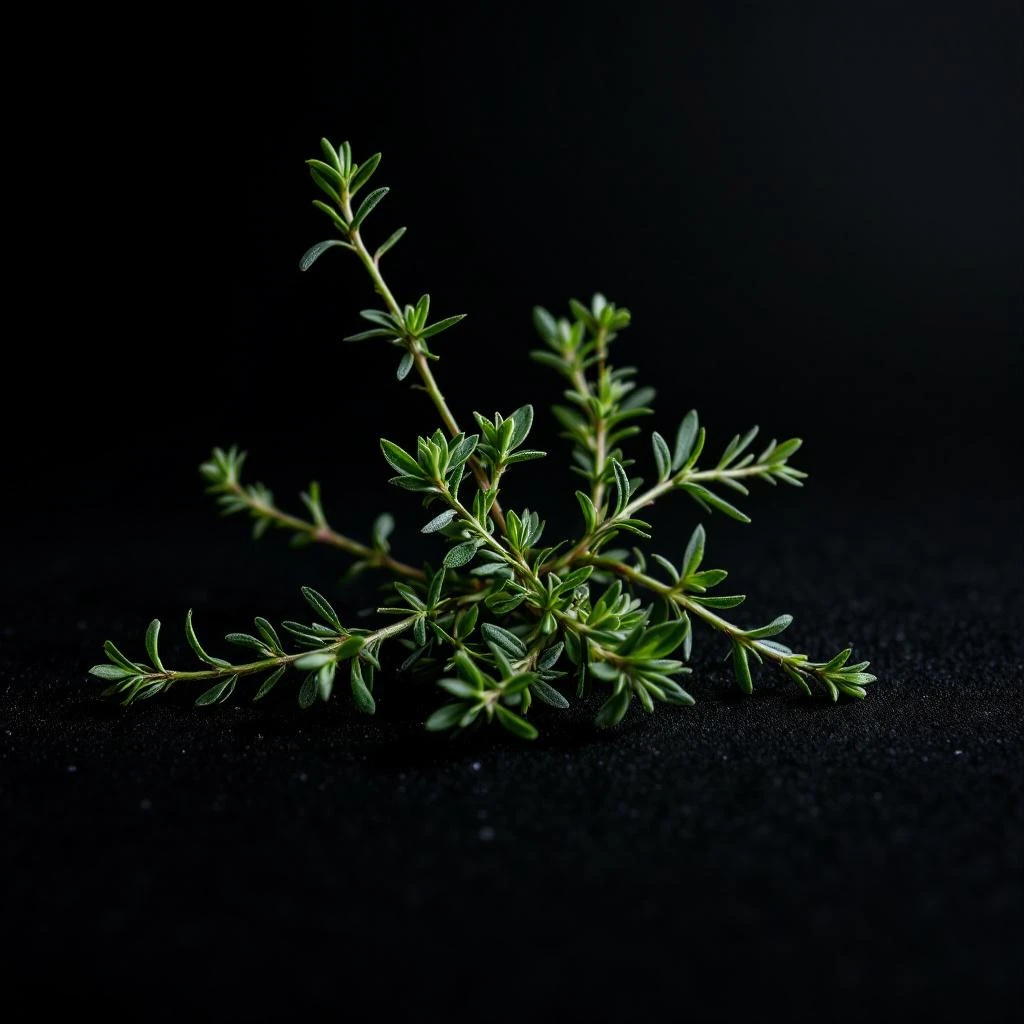
White thyme
Pale golden oil distilled from sun-loving Thymus zygis, white thyme delivers a cleaner, more refined herbal aroma than its red counterpart, prized in fougère and aromatic compositions.
Character
How it smells
The refined herbalist's thyme
White thyme is simply red thyme oil that has been redistilled to strip away heavier phenolic compounds, transforming its color from deep amber to a clear pale gold.









Origin
Spain
Thyme carries one of the longest documented histories in Western herbal tradition. Ancient Greeks burned it as incense in temples, believing it imparted courage and grace. The name itself derives from the Greek thymon, possibly meaning "that which smells good" or tied to thumos, spirit.
Romans scattered thyme across floors to purify spaces and added it to cheeses and meats, a culinary tradition still alive across the Mediterranean. In medieval Europe, thyme moved between kitchen and sickroom, valued for its preservative and antiseptic qualities long before chemistry could explain why. It entered formal perfumery during the 19th century as the fougère genre took shape, where its crisp herbal note helped define the structure of compositions built around oakmoss and lavender.
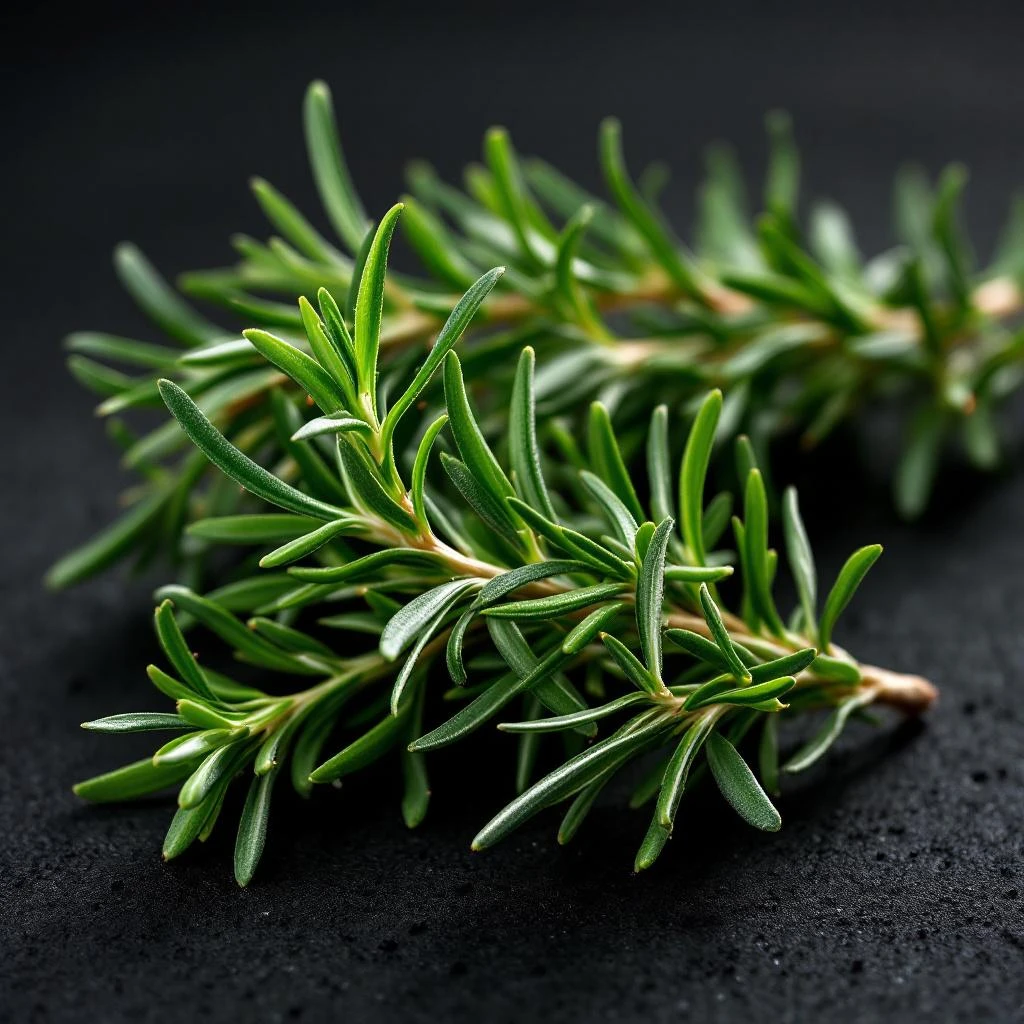
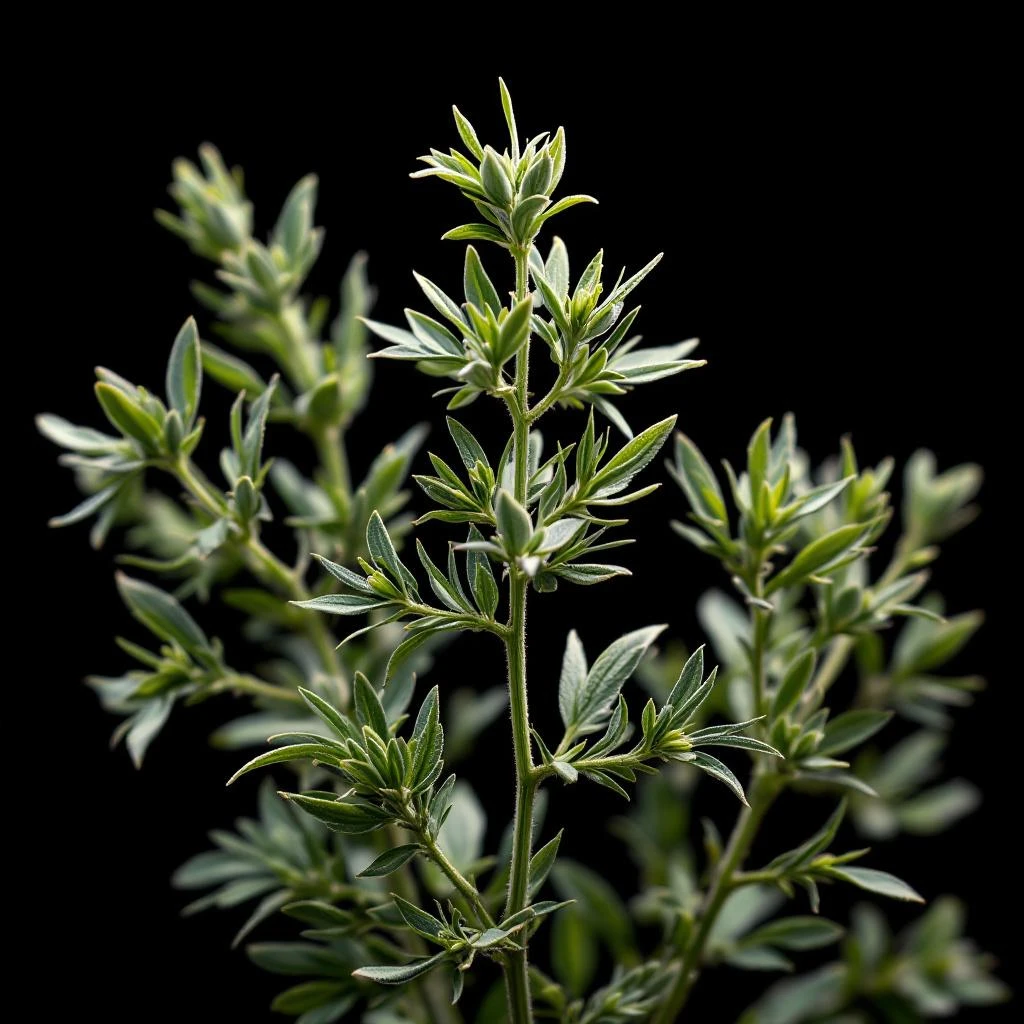
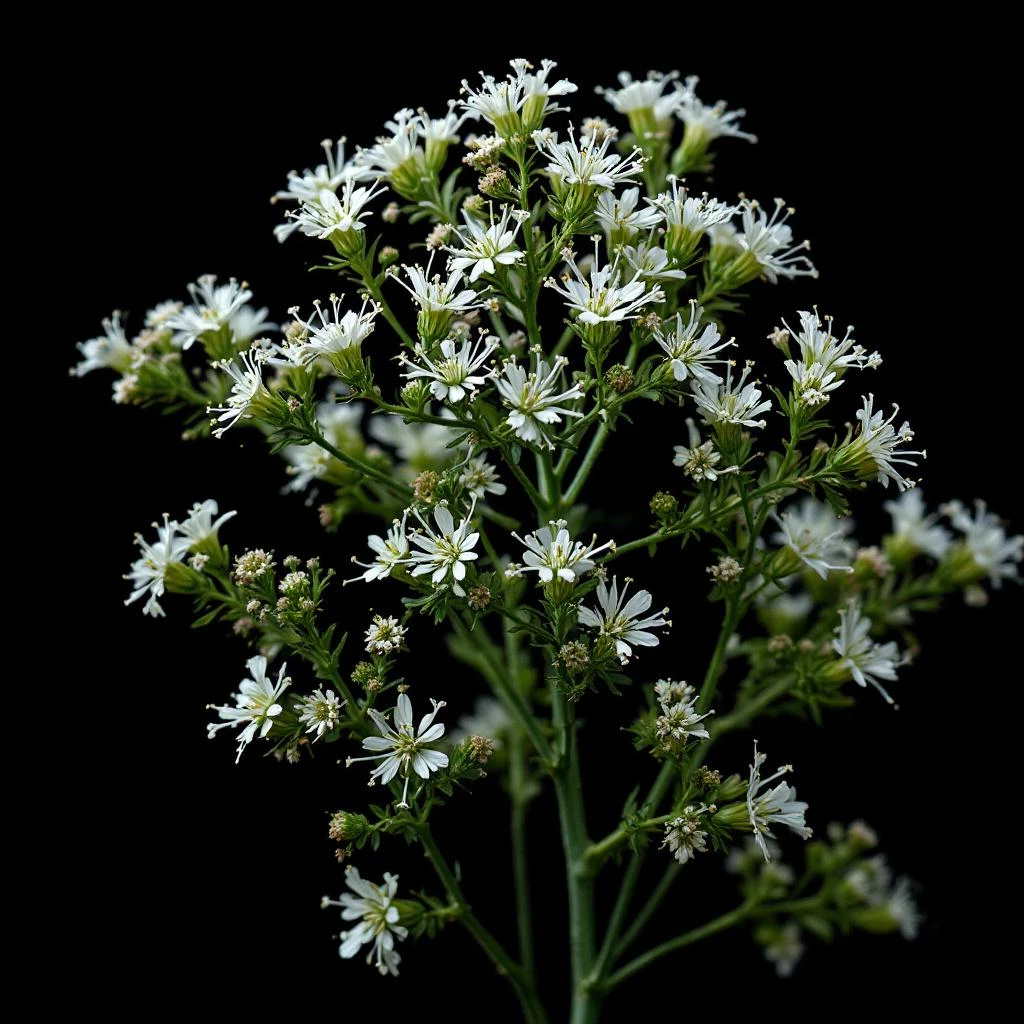
Spanish Thymus zygis, sometimes called white thyme for its pale flowers, became the preferred perfumery species for its cleaner profile and lower thymol content.
Wears it best
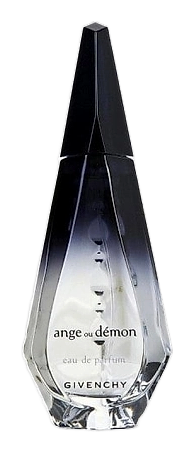
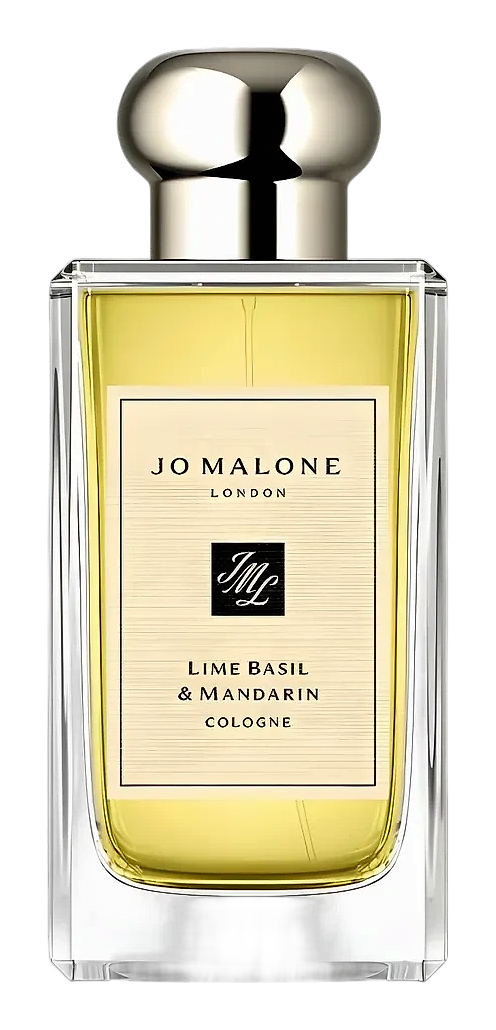
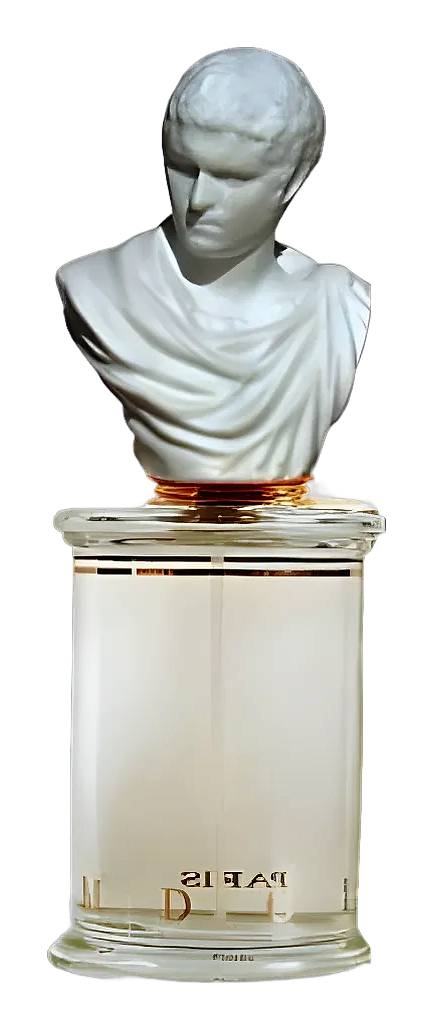
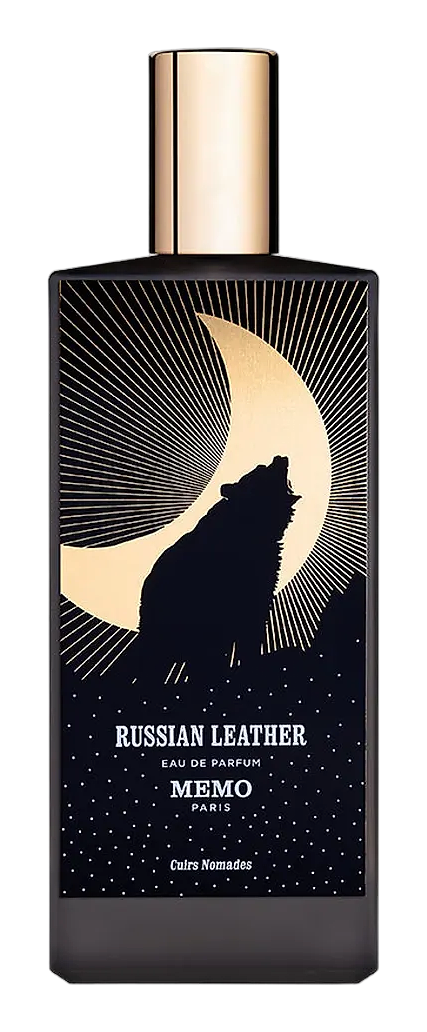
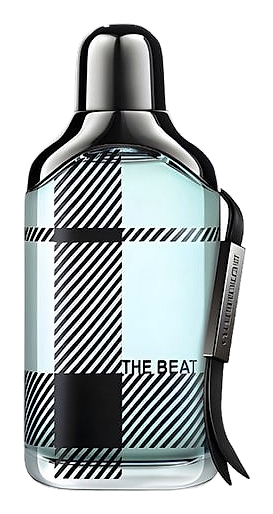
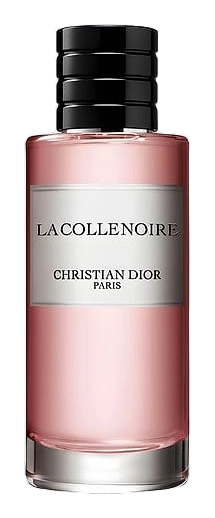
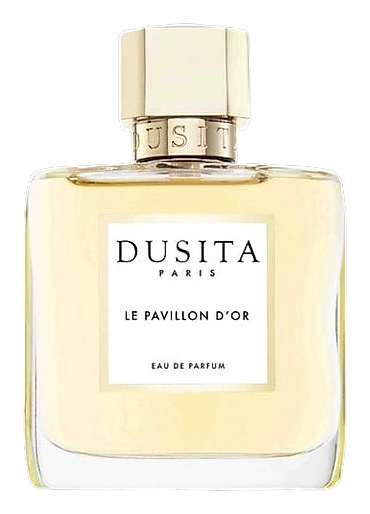
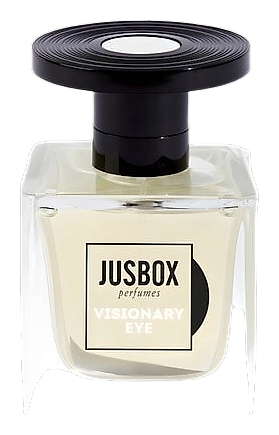
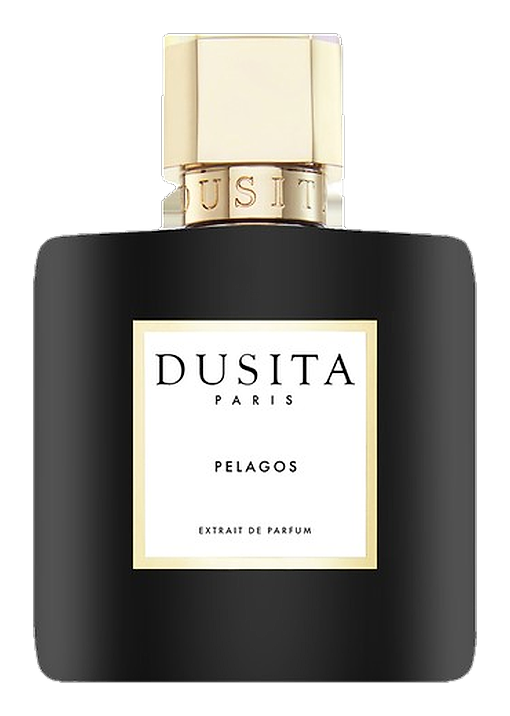
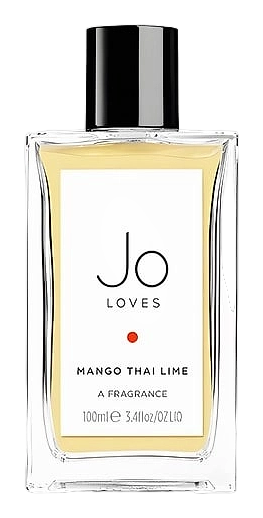
Fragrances featuring White thyme
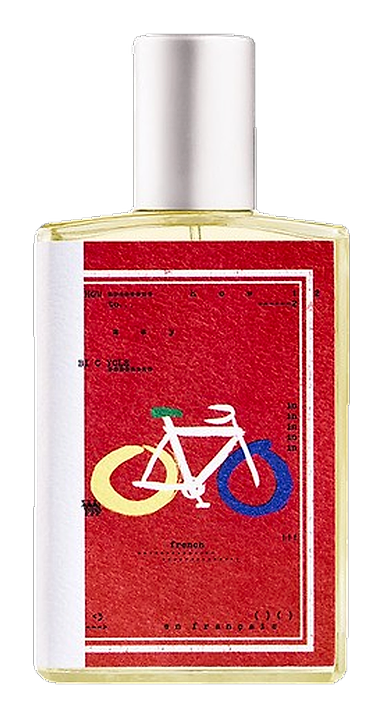

Brands
Brands known for White thyme
Good to know
Questions, answered
The essentials on White thyme in perfumery: how it smells, where it comes from, and how it behaves on skin.
What does white thyme smell like in perfume?
White thyme smells cleaner and more floral than red thyme, with fresh herbal notes, subtle linalool sweetness, and a softer medicinal edge. It brings brightness without the harsh phenolic bite of its unrefined counterpart, making it more versatile in fine fragrance.
How is white thyme oil different from red thyme oil?
White thyme oil is red thyme oil that has been redistilled to remove heavy phenolic compounds like thymol. This second distillation lightens the color from amber-red to pale yellow and produces a milder, more refined aroma profile.
Is white thyme safe for skin in perfumery?
At typical perfumery dilution levels, white thyme oil is considered safe for skin use. Its reduced thymol content makes it less irritating than red thyme oil, though individual sensitivity varies and patch testing remains advisable.
Which species produces white thyme oil?
White thyme oil is most commonly distilled from Thymus zygis, known as Spanish thyme. This species naturally contains less thymol than Thymus vulgaris, making it the preferred botanical for refined white thyme production.
Where is white thyme primarily grown?
Spain dominates white thyme production, particularly in the Castilla-La Mancha and Andalusia regions. The plant thrives in rocky, sun-exposed Mediterranean terrain that concentrates its aromatic oils.
What fragrance families use white thyme?
White thyme appears most often in aromatic and fougère compositions, where its clean herbal quality complements lavender, rosemary, and oakmoss. It also adds freshness to certain citrus colognes and masculine orientals.
Does white thyme oil contain thymol?
White thyme oil contains significantly less thymol than red thyme oil because the redistillation process removes phenolic compounds. What remains leans toward linalool and other lighter terpene alcohols, giving it a softer profile.
Can white thyme oil be synthesized in a lab?
Yes, individual thyme aroma chemicals like linalool and thymol can be produced synthetically, and reconstructed thyme accords are common in commercial perfumery. However, natural white thyme oil remains valued for its complex, naturally balanced composition.