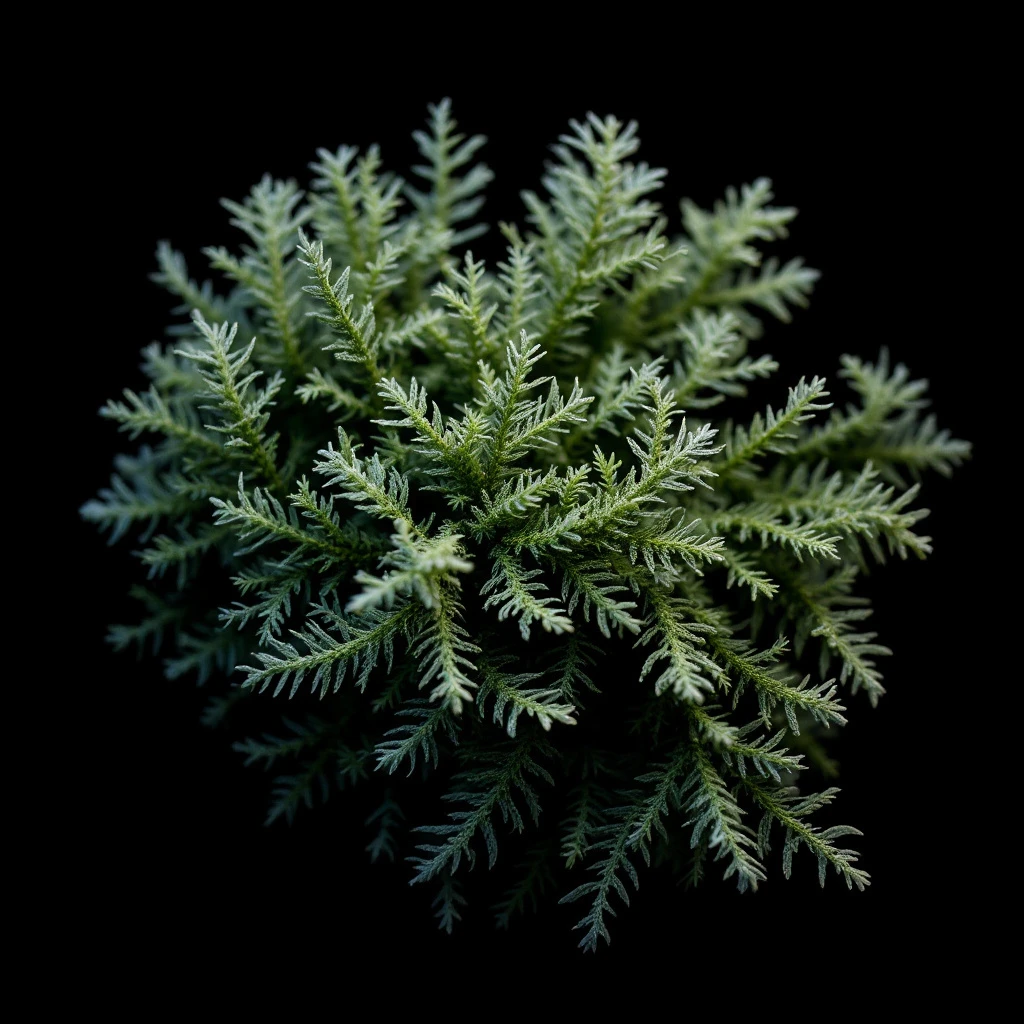
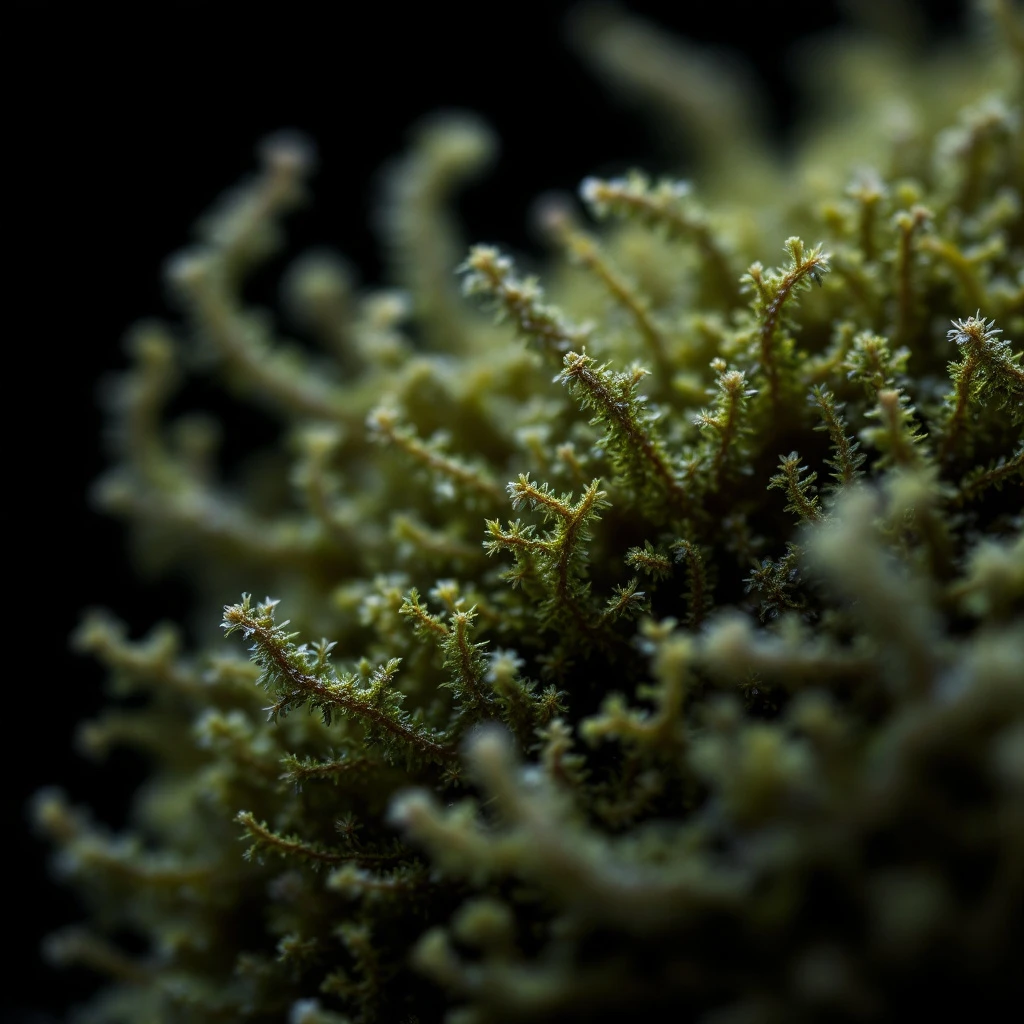
Oakmoss
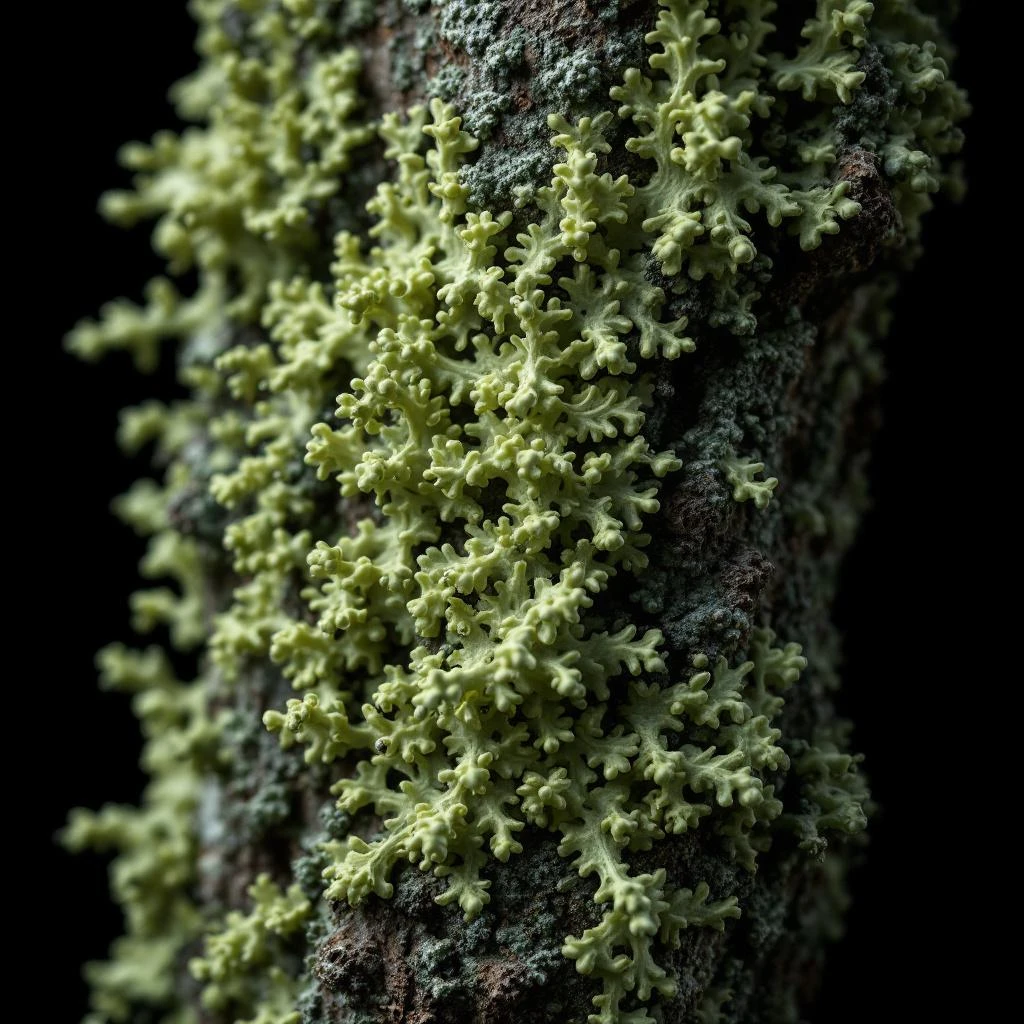
Oakmoss anchors the entire chypre family with its damp, forest-floor signature. Harvested as a lichen on European oak bark, it delivers the earthy, resinous depth that gives classical perfumes their unmistakable gravity.
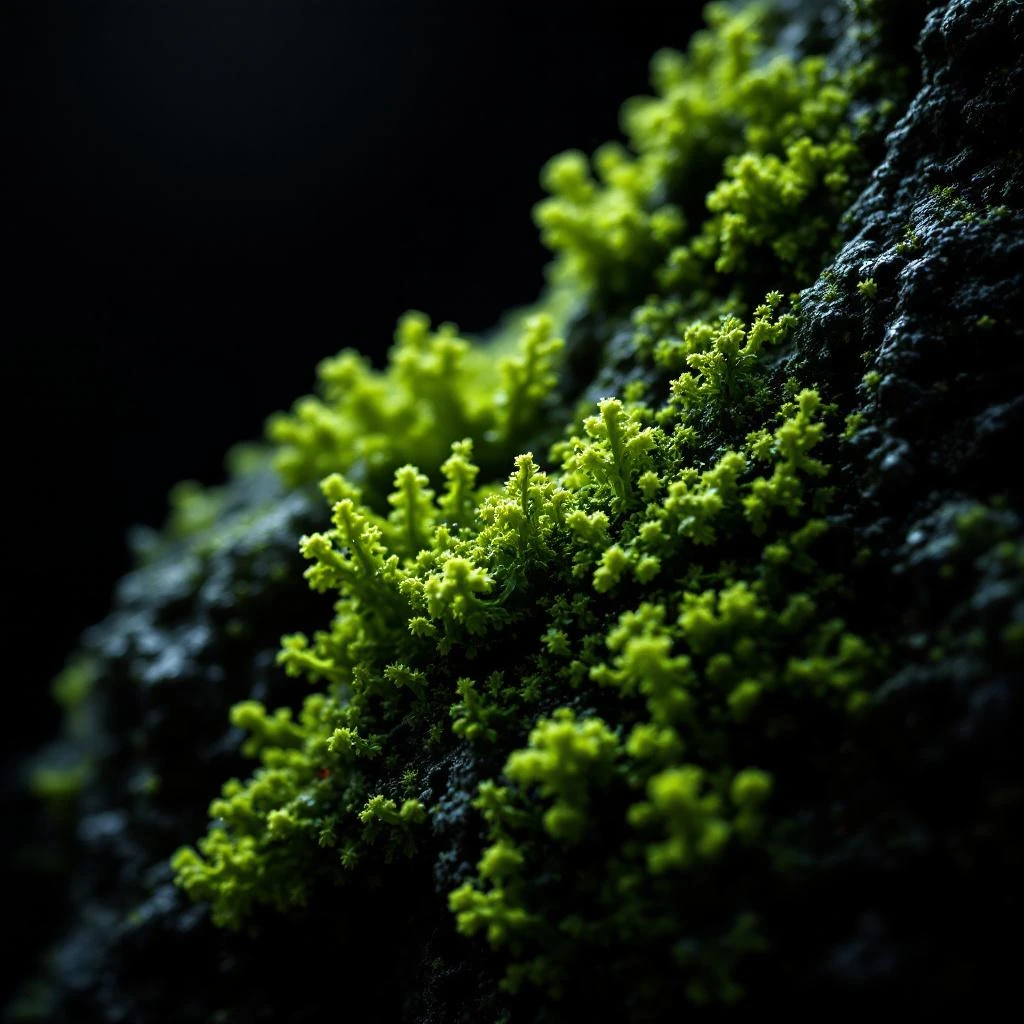
Character
How it smells
The forest floor, bottled.
Oakmoss isn't a plant, it's a lichen, a slow-growing organism that fuses fungus and algae into one aromatic body used in perfumery since ancient Egypt.









Origin
France
Oakmoss carries one of the deepest histories in fragrance. Resins and lichen preparations appear in ancient Egyptian and Roman rituals, though the formal entry of oakmoss into Western perfumery dates to the late 19th century. The 1917 launch of Coty's Chypre pulled oakmoss into the spotlight, anchoring a new fragrance family built on a three-way tension between citrus, florals, and mossy base notes.
Subsequent icons like Guerlain's Mitsouko, Chanel's Pour Monsieur, and countless masculine chypres built their reputations on oakmoss's damp, mineral sweetness. By the mid-20th century, oakmoss was the structural backbone of an entire category of fine fragrance. The 2000s brought regulatory pressure: IFRA restrictions linked high oakmoss extracts to skin sensitization, forcing perfumers to either reduce dosage or re-engineer compositions with synthetic substitutes.
This single lichen helped define a century of perfumery and continues to shape how chypre-style compositions are built today.
Wears it best
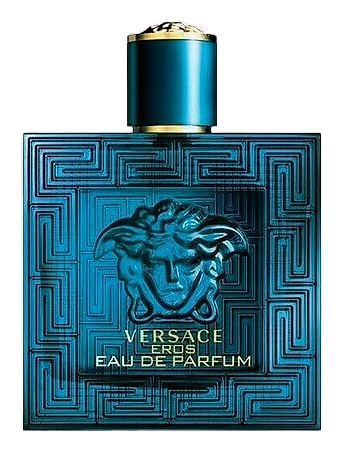
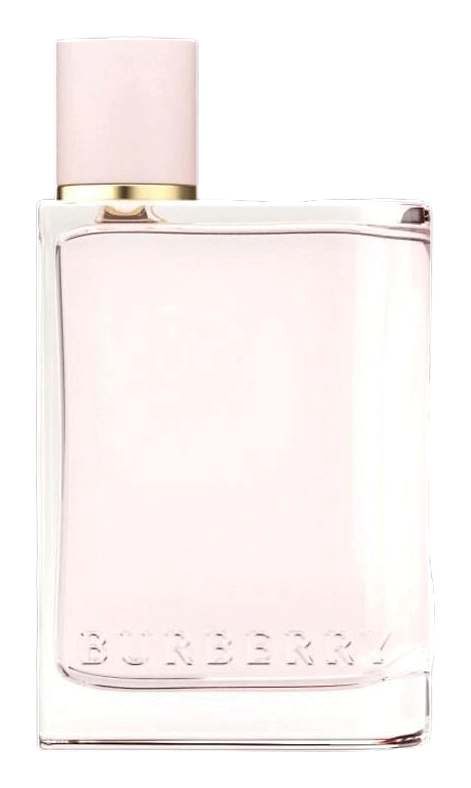
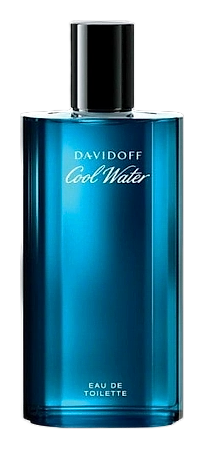
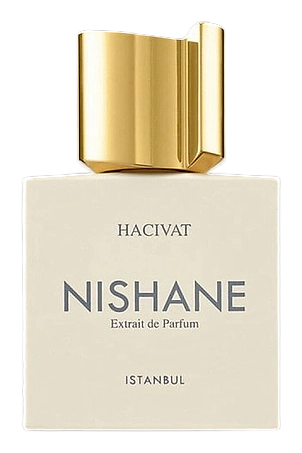
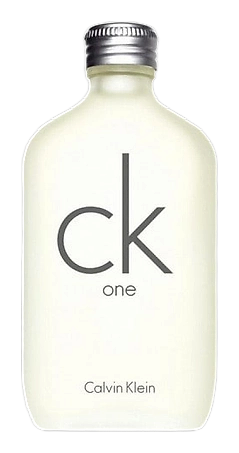
Fragrances featuring Oakmoss



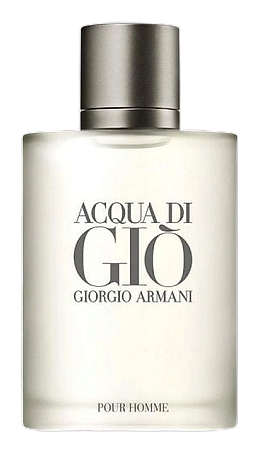
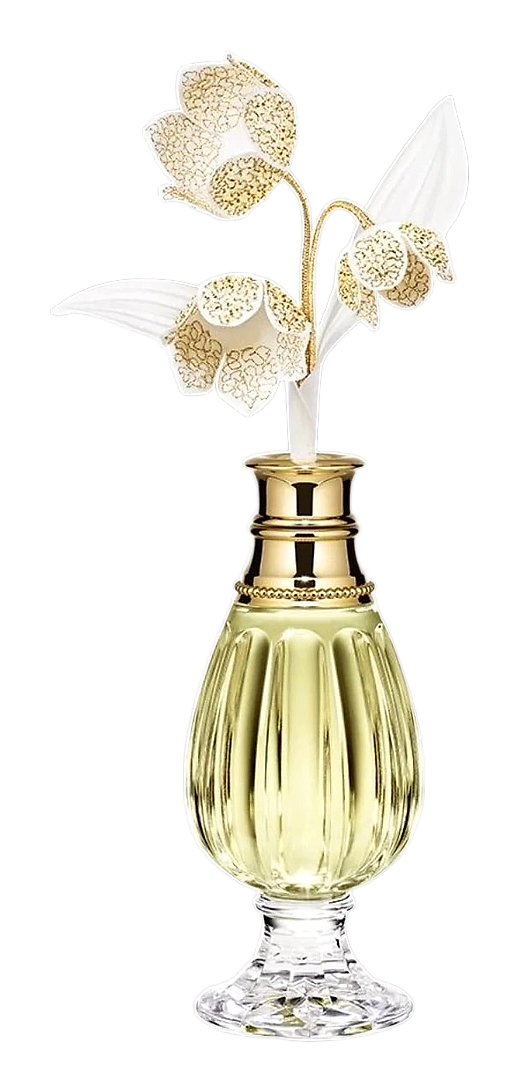
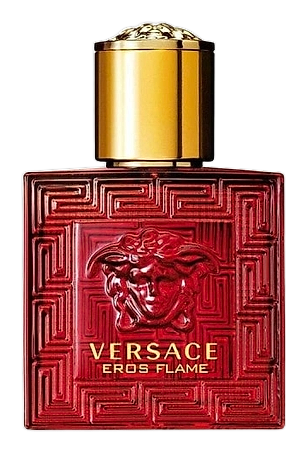
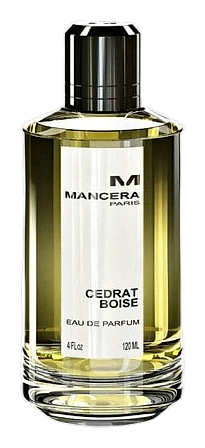
Brands
Brands known for Oakmoss
Good to know
Questions, answered
The essentials on Oakmoss in perfumery: how it smells, where it comes from, and how it behaves on skin.
What is oakmoss in perfumery?
Oakmoss is an aromatic extract derived from the lichen Evernia prunastri, which grows on oak and fruit tree bark across South-Central Europe. In perfumery, it contributes a damp, earthy, slightly sweet character that anchors the chypre fragrance family.
Why is oakmoss restricted in perfumes?
Oakmoss is limited under IFRA guidelines due to sensitization concerns linked to compounds like atranorin. Modern formulations either use reduced dosages, specially processed extracts with lower allergen thresholds, or reconstructed bases simulating the original profile.
Is oakmoss a plant?
No. Oakmoss is a lichen, a symbiotic organism combining a fungus and algae or cyanobacteria. This hybrid biology produces the unique aromatic compounds that synthetic replacements struggle to fully replicate.
What does oakmoss smell like?
Oakmoss smells earthy and damp, with notes of forest floor, bark, dried leaves, and a faint marine-mineral brightness. Its resinous undertones lend depth and longevity to base note compositions.
Where is oakmoss harvested?
Oakmoss is commercially gathered in oak forests across South-Central Europe, including France, the Balkans, and parts of the Mediterranean region. Extracted material is typically processed in Grasse, France.
When was oakmoss first used in perfume?
Oakmoss appears in preparations from ancient Egypt and Rome, but its modern perfumery role began in the late 19th century. Coty's 1917 launch of Chypre established the mossy, citrus-floral structure still used in fragrance today.
What fragrances are known for oakmoss?
Guerlain's Mitsouko, Chanel's Pour Monsieur, and Coty's original Chypre all feature oakmoss prominently. These compositions defined the chypre category and remain reference points for mossy base note construction.
Can oakmoss be replaced synthetically?
Synthetic substitutes like methyl cyclopentenolone and Veramoss approximate oakmoss's earthy, mineral tones, but perfumers note that fully capturing its complex damp-forest character remains a persistent challenge in modern formulation.