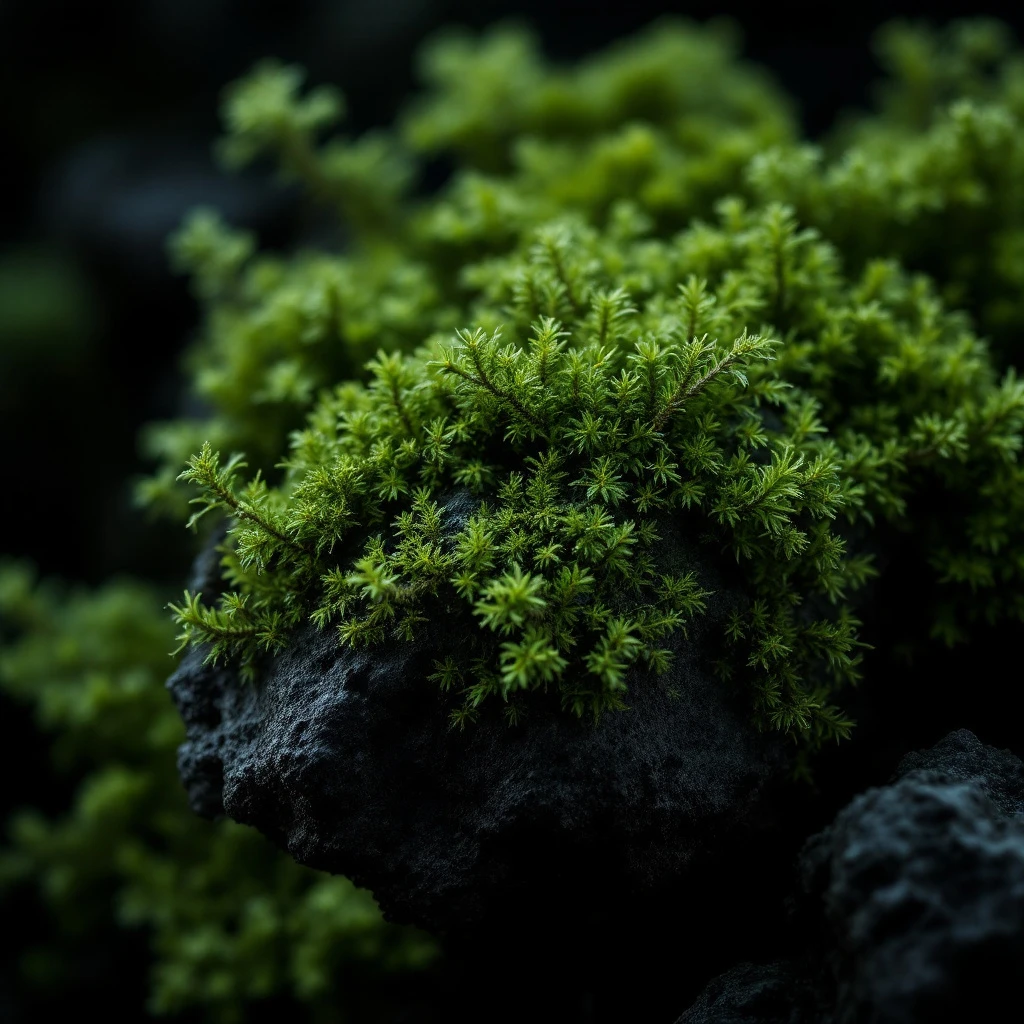
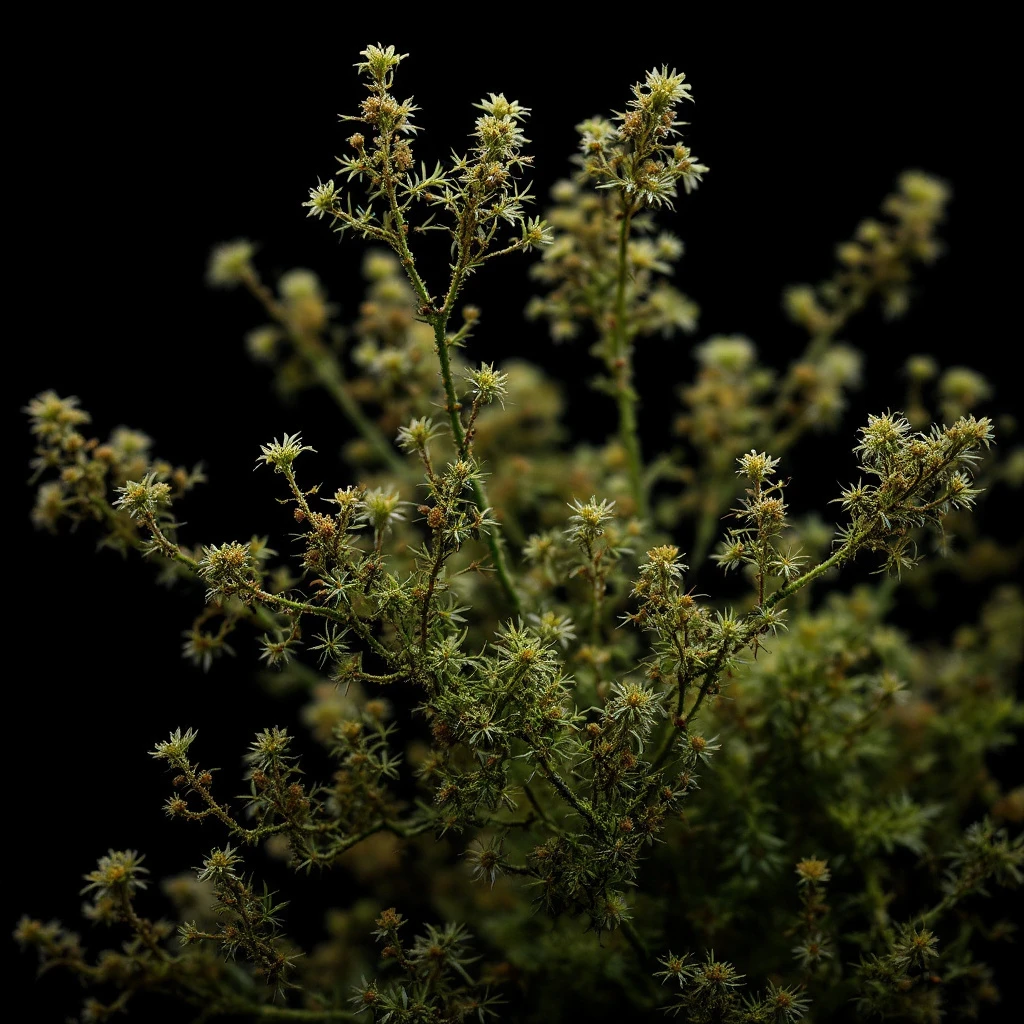
Cedarmoss
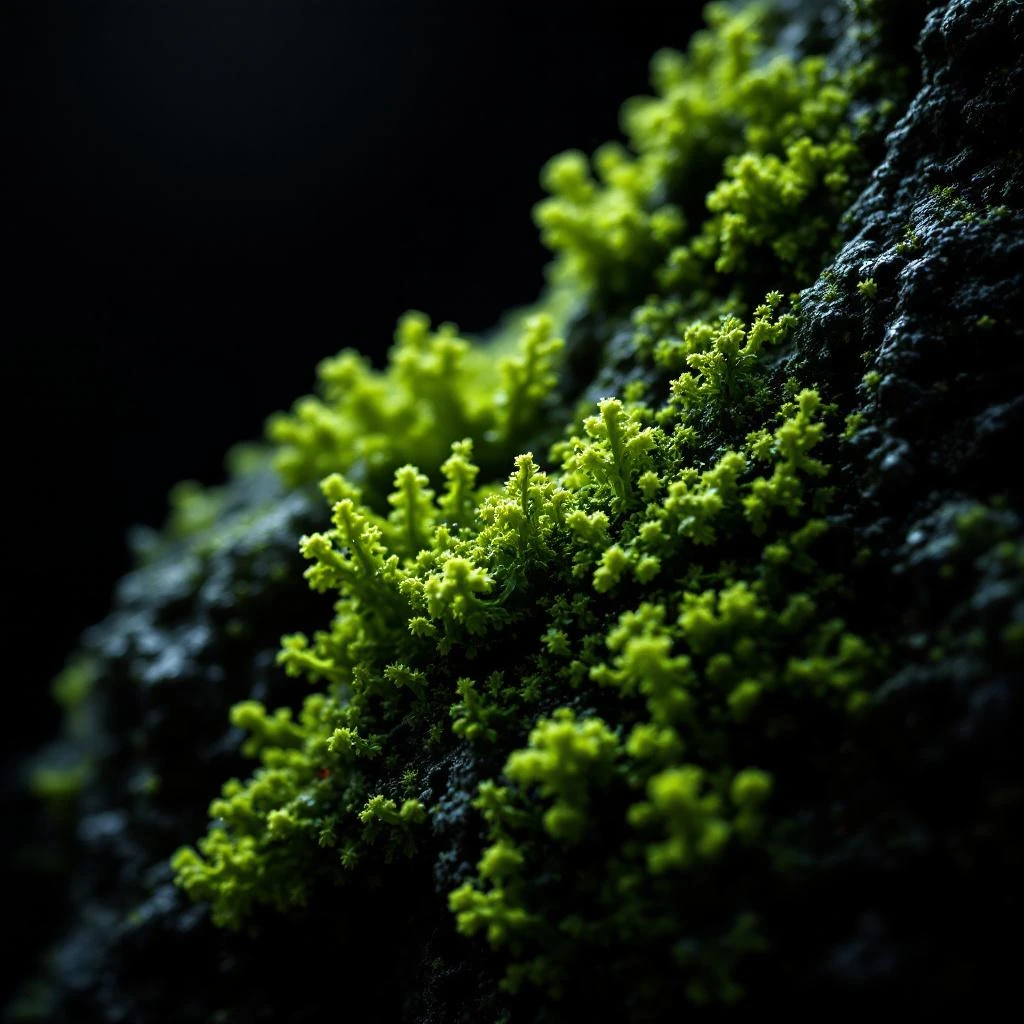
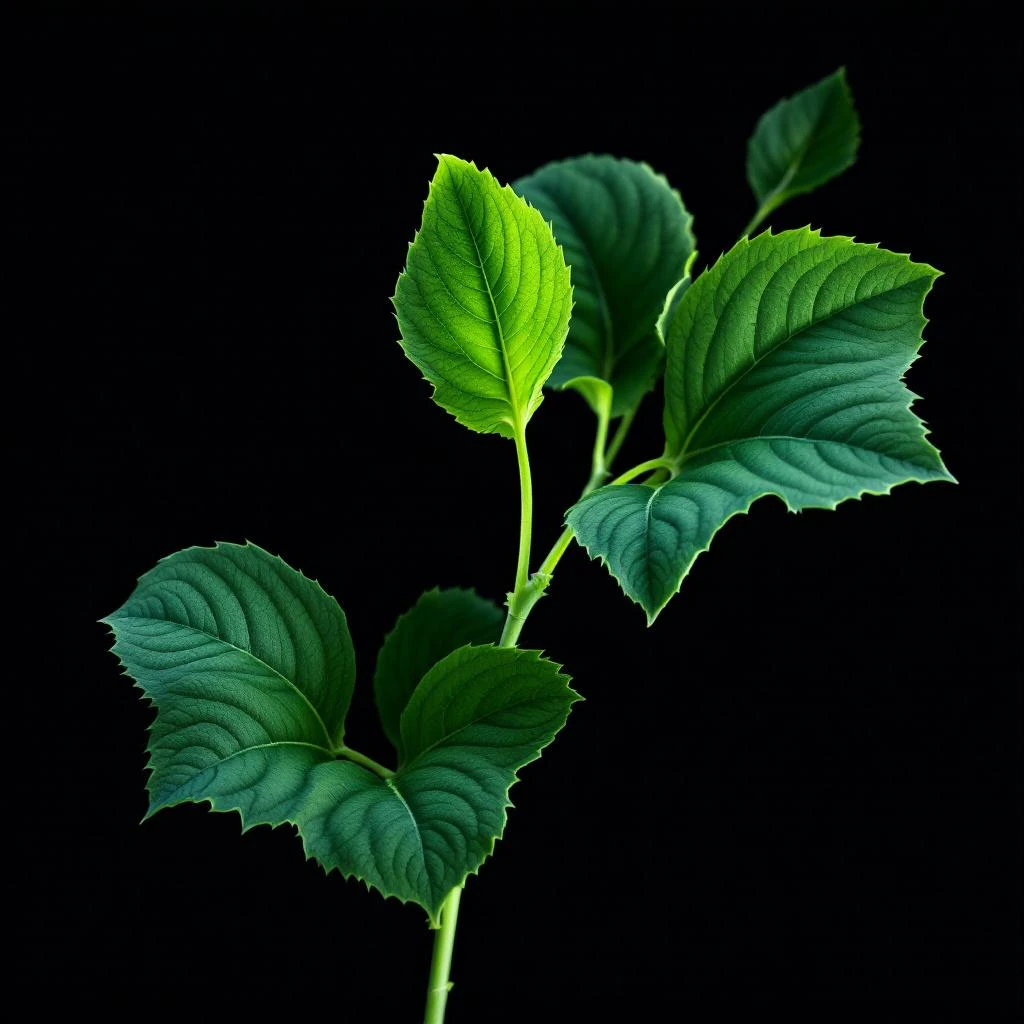
Cedarmoss brings the forest floor to life in fragrance, offering a cool, green, and deeply atmospheric quality that grounds top notes and anchors base compositions. This mossy material captures the quiet richness of ancient woodland.
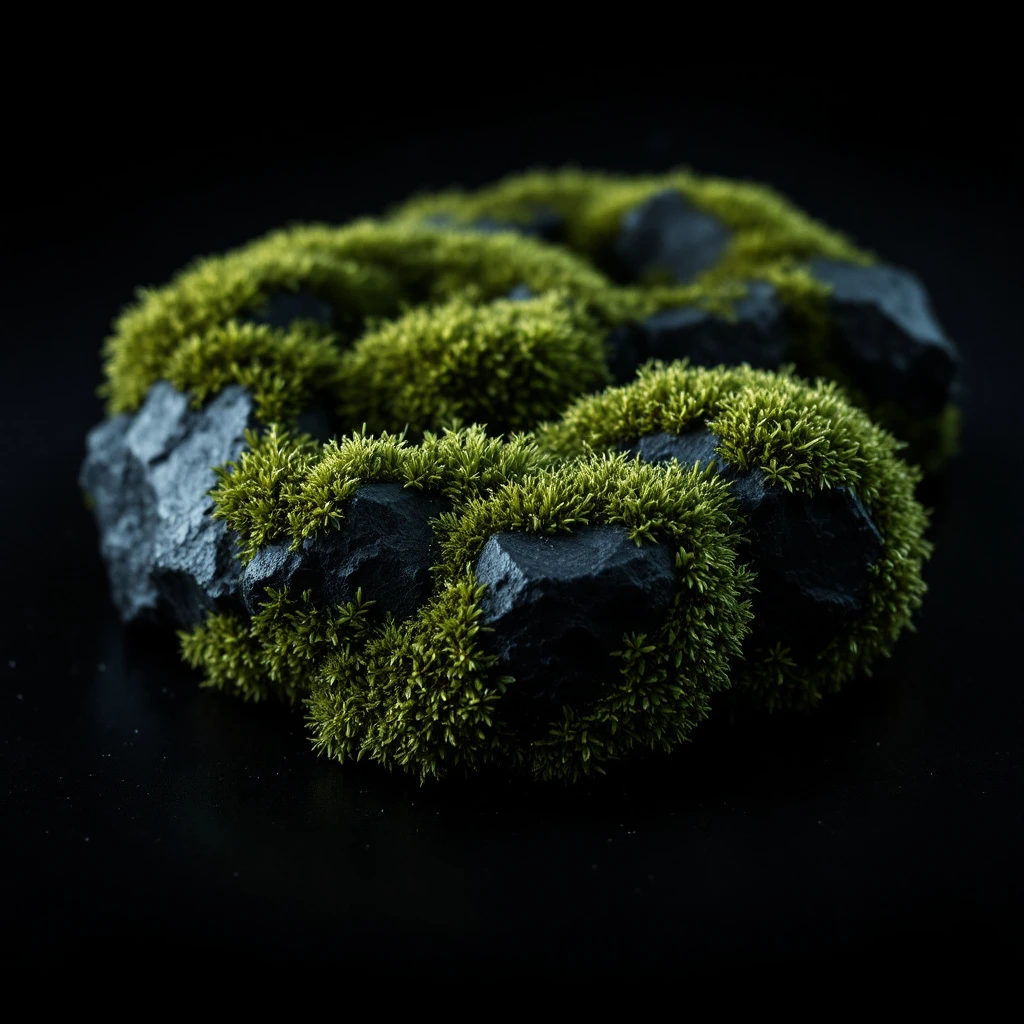
Character
How it smells
The quiet depth of an ancient forest floor.
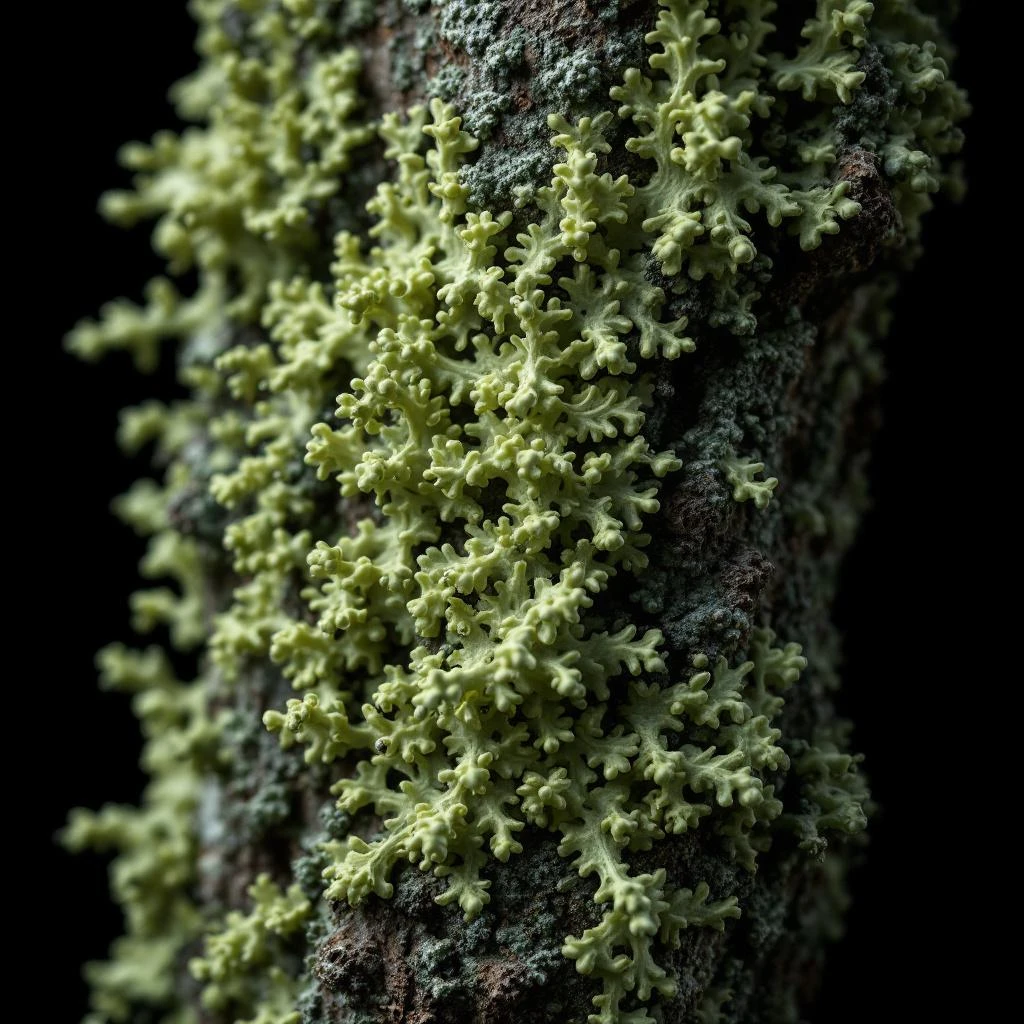
Cedarmoss is actually a lichen, not a true moss, that grows on cedar bark and absorbs the tree's aromatic compounds over decades of growth.







Origin
Morocco
Mosses and lichens have perfumed human spaces since antiquity, though they rarely received the attention given to flowers or resins. Ancient Mediterranean cultures used mosses in incense and ceremonial preparations, recognizing their ability to anchor lighter scents. The cedar forests of the Middle East held particular significance, with the Cedars of Lebanon serving as cultural landmarks mentioned across religious texts.
Arab perfumers of the medieval period began incorporating mossy materials into their formulations, discovering that these materials could extend fragrance longevity dramatically. By the 19th century, French perfumers formalized cedarmoss as a key component in chypre compositions, using it to create the characteristic deep, mossy drydown that defined that fragrance family. The material's rise continued through the 20th century as perfumers sought natural materials that could provide stability and depth.
Today, cedarmoss appears across classic and contemporary fragrances, valued for its ability to evoke place and season.
Wears it best
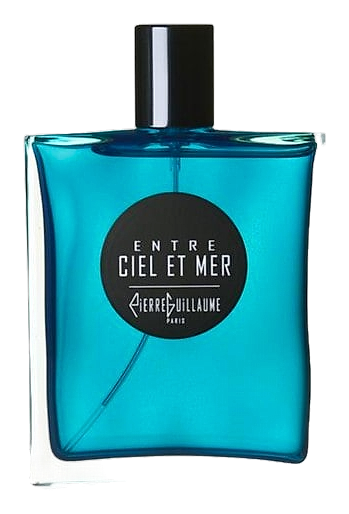
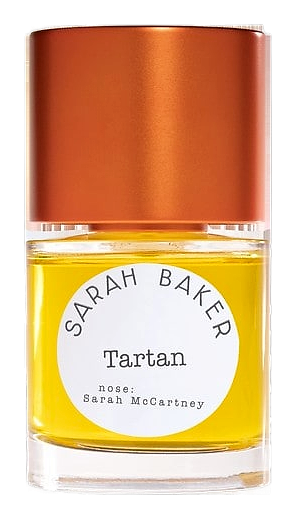
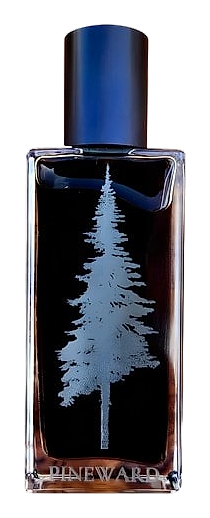
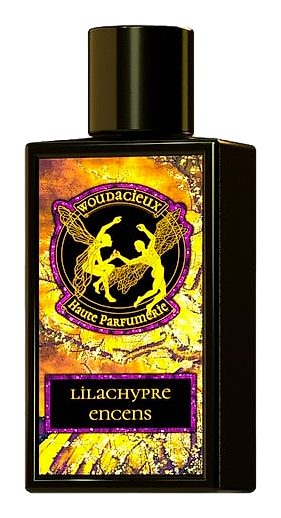
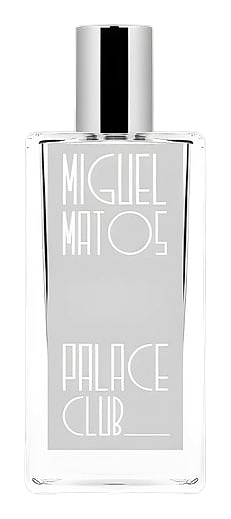
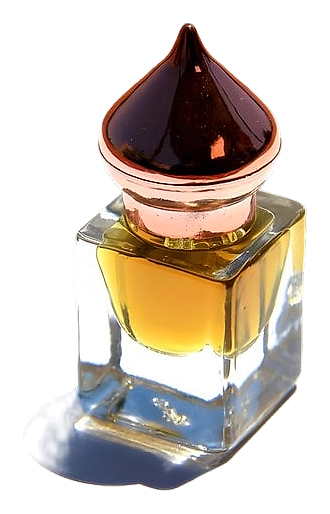
Fragrances featuring Cedarmoss
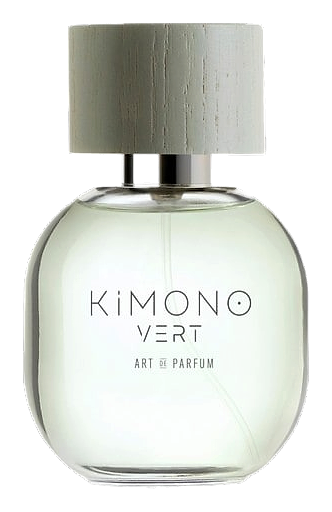
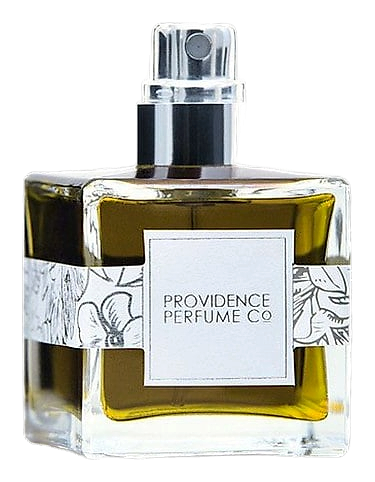
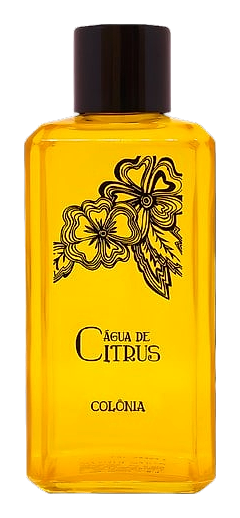
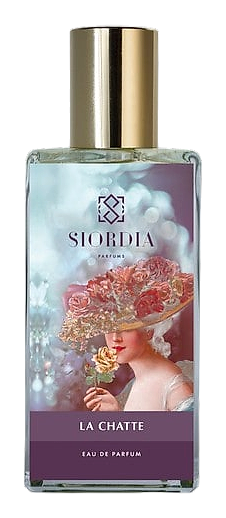
Brands
Brands known for Cedarmoss
Good to know
Questions, answered
The essentials on Cedarmoss in perfumery: how it smells, where it comes from, and how it behaves on skin.
What does cedarmoss smell like?
Cedarmoss smells green and atmospheric, with humid, earthy undertones and a subtle woody base. It recalls the scent of damp forest floors and bark, adding depth without sweetness.
Is cedarmoss natural or synthetic?
Both exist. Natural cedarmoss comes from lichens growing on cedar bark and is extracted via solvents. Synthetic versions reproduce key aromatic molecules, offering consistency and avoiding IFRA restrictions on natural moss.
Why is cedarmoss restricted in perfumery?
Natural mosses contain compounds like atranorin that can cause skin sensitization. IFRA guidelines limit their concentration in finished products to protect consumer safety.
What fragrances feature cedarmoss prominently?
Cedarmoss appears in classic chypres like Chanel Pour Monsieur and modern compositions like Serge Luthier Ten Confections. It works especially well in men's fragrances and autumn-winter scents.
How does cedarmoss differ from oakmoss?
Cedarmoss grows specifically on cedar trees and carries more woody, less sweet characteristics. Oakmoss grows on oak bark and provides a more resinous, slightly medicinal quality.
Can I use cedarmoss in homemade fragrance?
You can purchase fragrance oils containing cedarmoss compounds from aroma chemical suppliers. Focus on dilution and always patch test, since moss materials can cause sensitivities.
What family of fragrances uses cedarmoss most?
The chypre family relies heavily on moss notes including cedarmoss. Fougere and certain woody-green fragrances also frequently incorporate this material for their characteristic depth.
Does cedarmoss last long on skin?
As a base to heart note material, cedarmoss projects for 4-8 hours depending on concentration and formulation. It serves more as a durability agent than a dominant aromatic.