
The Story
Why it exists.
The beginning
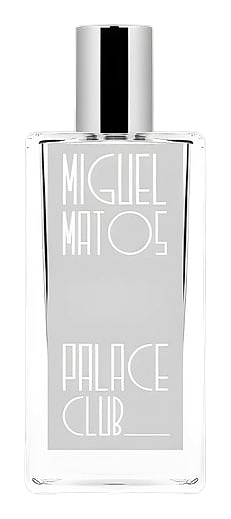
Palace Club is a fragrance that announces itself with intent. The name points somewhere specific, a social register all its own, neither the pampered neutrality of a spa nor the private intimacy of a bedroom. It proposes an alternative: a place where scent operates differently, where familiarity and strangeness share space without apology. The choice of the word 'club' matters, it suggests belonging, a particular crowd, an inside reference. What happens inside that club stays inside that club, but the door is open to anyone curious enough to try.
The honey-chamomile combination at Palace Club's heart is the real statement. Chamomile rarely anchors a commercial fragrance, it reads as soothing, herbal, the stuff of bedtime tea. Honey is warmth without heat, sweetness without brightness. Together, they create a heart that smells simultaneously natural and strange, like walking into a room where something sweet is baking and realizing the windows haven't been opened in decades. It's not trying to be polite. That's what makes it interesting.
The evolution
The opening announces itself with citrus, bergamot, lemon, orange blossom in quick succession. Bright. Almost aggressive in its cleanliness. But the ginger is there underneath, keeping everything just slightly awake. Within twenty minutes, the honey arrives and everything shifts. The citrus doesn't disappear, it becomes background warmth rather than foreground statement. The chamomile softens the edges. This is when Palace Club stops being a fragrance and starts being a presence. The drydown is where it lives longest, cedarmoss, hay, patchouli. Earthy. The musk keeps it intimate rather than room-filling. What remains on skin settles close, developing slowly across hours into something that feels less like perfume and more like a second atmosphere, subtle but persistent, shifting from sharp opening to golden middle to quiet earth as the day progresses.
Cultural impact
Palace Club is a honeyed chypre that challenges wearers' expectations. Rather than following dominant trends in contemporary perfumery, it builds something that feels borrowed from older traditions while remaining firmly in the present. The combination of bright citrus opening, honey heart, and earthy drydown creates a scent that asks something of the person wearing it. It positions itself as an alternative to the approachable and the safe, offering instead a fragrance that rewards attention and patience.