
The Story
Why it exists.
The beginning
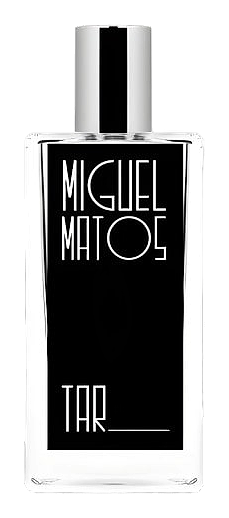
Tar draws from a childhood memory of watching workers repair village streets during summer. Black tar poured liquid and glistening, then smoothed by a machine into gleaming silence. Hours spent at the window, mesmerized. The smell of hot tar lingered for days afterward, and he loved it. Years later, that memory became the concept: tar reimagined as liquid drops of black honey, melted licorice candy, caramelized sweetness woven through smoke and wood. Delicious and powerful. Strong and beautiful.
The heart is where Tar gets interesting. Lavender and oregano are not typical oriental materials, they bring a bitter, almost food-like edge that cuts through the sweetness. Rum and smoke layer underneath, and ylang-ylang softens the herbs just enough. This is an oriental that leans savory before it leans sweet. The unexpected herb and rum quality is what makes it distinctive, not the tar itself, but the way the composition uses bitter herbs to hold the sweetness accountable.
The evolution
The opening hits bright. Star anise and aldehydes lift the licorice into something almost luminous, while pineapple and bergamot keep it juicy. Rosewood underneath keeps it grounded. This bright, almost candied quality is the first surprise, tar fragrance, you'd expect something heavy from the first spray. The heart deepens the sweetness. Lavender and oregano arrive with a bitter, almost food-like edge. Rum and smoke layer underneath, and ylang-ylang softens the herbs just enough. This is where the composition earns its complexity. Then the drydown reveals what the tar smell actually is. The sweetness doesn't fade, it deepens. Animalic and resinous notes take over as the caramel settles into something darker and more complex. The tar smell intensifies rather than disappears. Linger on fabric and skin long after you think it's gone. This is the payoff: bold, uncompromising, not trying to hide what it is.
Cultural impact
Tar is the kind of fragrance that sparks conversation precisely because of what it refuses to be. No safe accords, no playing it safe for the market. The concept, tar as olfactory material, is confrontational by design. What makes it work is the unexpected sweetness that arrives partway through: caramel, licorice, a bright aldehydic opening that pulls you in before the darkness settles. Wearers either love the boldness or find it too much. There is no middle ground, and that is exactly the point.