Rum
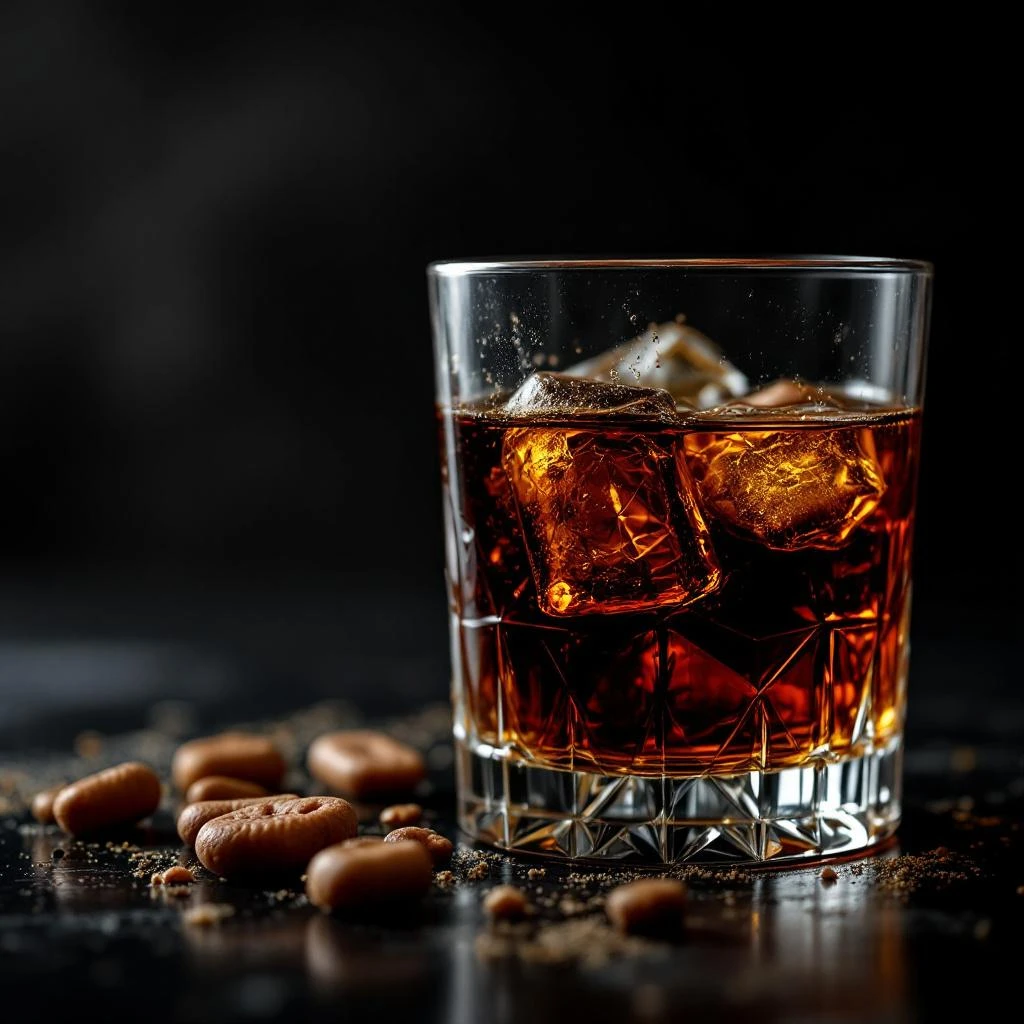
Rum absolute brings warm, molasses-rich depth to perfumery, capturing the spirit's signature caramel sweetness with a leathery, boozy undertone. Caribbean sugarcane distillation yields this distinctive gourmand facet.
Character
How it smells
Molasses, caramel, and quiet fire.
Rum distilleries existed in Barbados as early as 1688, predating its perfumery debut by nearly two centuries.






Origin
Barbados
Rum traces its origins to the Caribbean in the 17th century, with documented distilleries operating in Barbados as early as 1688. The spirit emerged from sugarcane cultivation introduced to the New World by Columbus in 1493, transforming colonial agricultural surplus into a traded commodity. By the 18th century, rum had become a cornerstone of Atlantic commerce, fueling naval rations and triangular trade routes.
Rum's entry into perfumery arrived much later, gaining prominence in the late 20th century as gourmand fragrances rose to mainstream popularity. The 1990s saw perfumers begin incorporating boozy accords into compositions, initially through synthetic reconstructions before natural rum extracts became commercially viable. This shift coincided with renewed interest in edible, confectionary scent profiles.
The Caribbean remains the spiritual and geographical heart of rum production. Traditional pot stills in Jamaica, Barbados, and Martinique produce distinctive regional styles ranging from light and grassy to heavy and molasses-rich. These production variations directly influence the aromatic complexity available to perfumers, with aged rums contributing deeper vanilla, oak, and leather facets that translate beautifully into oriental and gourmand fragrance families. Today, rum absolute occupies a niche but growing role in niche and artisanal perfumery.
Wears it best
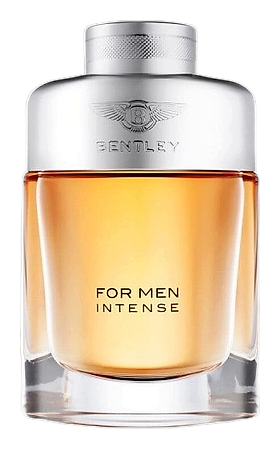
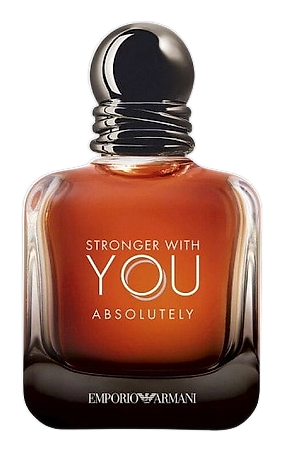
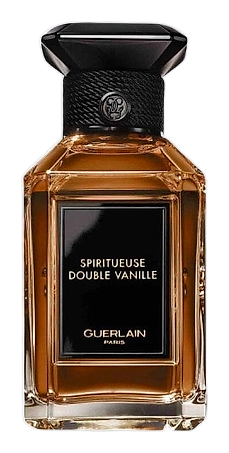
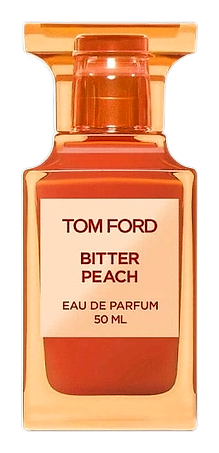
Fragrances featuring Rum
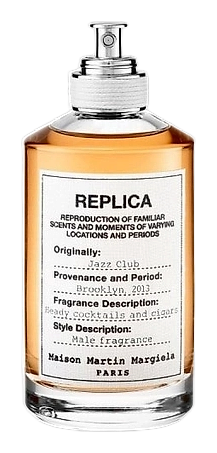

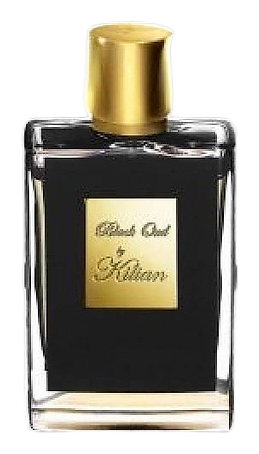
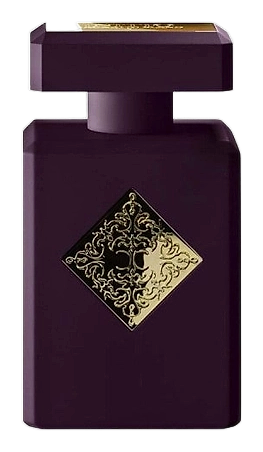
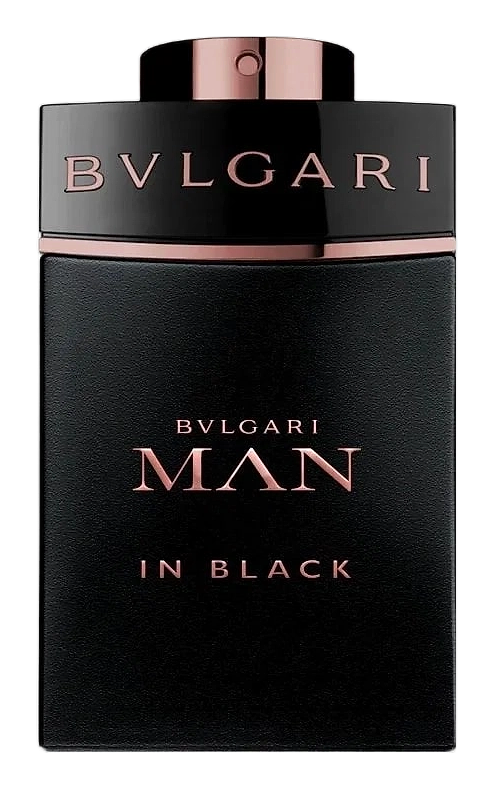



Brands
Brands known for Rum
Good to know
Questions, answered
The essentials on Rum in perfumery: how it smells, where it comes from, and how it behaves on skin.
What does rum smell like in perfume?
Rum lends a warm, sweet character to fragrance with dominant notes of caramelized sugar, molasses, and dried fruit. A base of vanilla and gentle oak round out the profile, creating a gourmand richness without sharp alcoholic sharpness.
Is rum a natural fragrance ingredient?
Yes, when sourced as rum absolute from fermented sugarcane molasses. Many perfumers also use synthetic rum accords built from individual aroma chemicals to achieve similar warm, boozy effects without alcohol content.
Where does rum for perfume come from?
The Caribbean dominates production, with Barbados, Jamaica, and Martinique serving as primary origins. Sugarcane cultivation and traditional pot-still distillation methods in these regions define rum's aromatic character.
What fragrance families feature rum notes?
Rum appears most frequently in gourmand and oriental compositions, where its caramel sweetness complements vanilla, spice, and resinous bases. It also appears in boozy floral and unisex fragrances seeking warmth.
When did rum become popular in perfumery?
Rum gained prominence in perfumery during the 1990s alongside the gourmand fragrance trend. Before that, boozy notes were rare in mainstream scent compositions.
How is rum absolute made?
Producers ferment sugarcane molasses, distill the wash in copper pot stills, then apply solvent extraction to concentrate aromatic compounds. This yields a thick, dark material rich in esters and fusel oils.
Can rum notes smell alcoholic in fragrance?
Properly composed rum accords avoid harsh alcoholic sharpness. Perfumers balance the spirit's warmth with vanilla, caramel, and woody notes to create smooth, edible depth rather than beverage realism.
What ingredients pair well with rum in perfume?
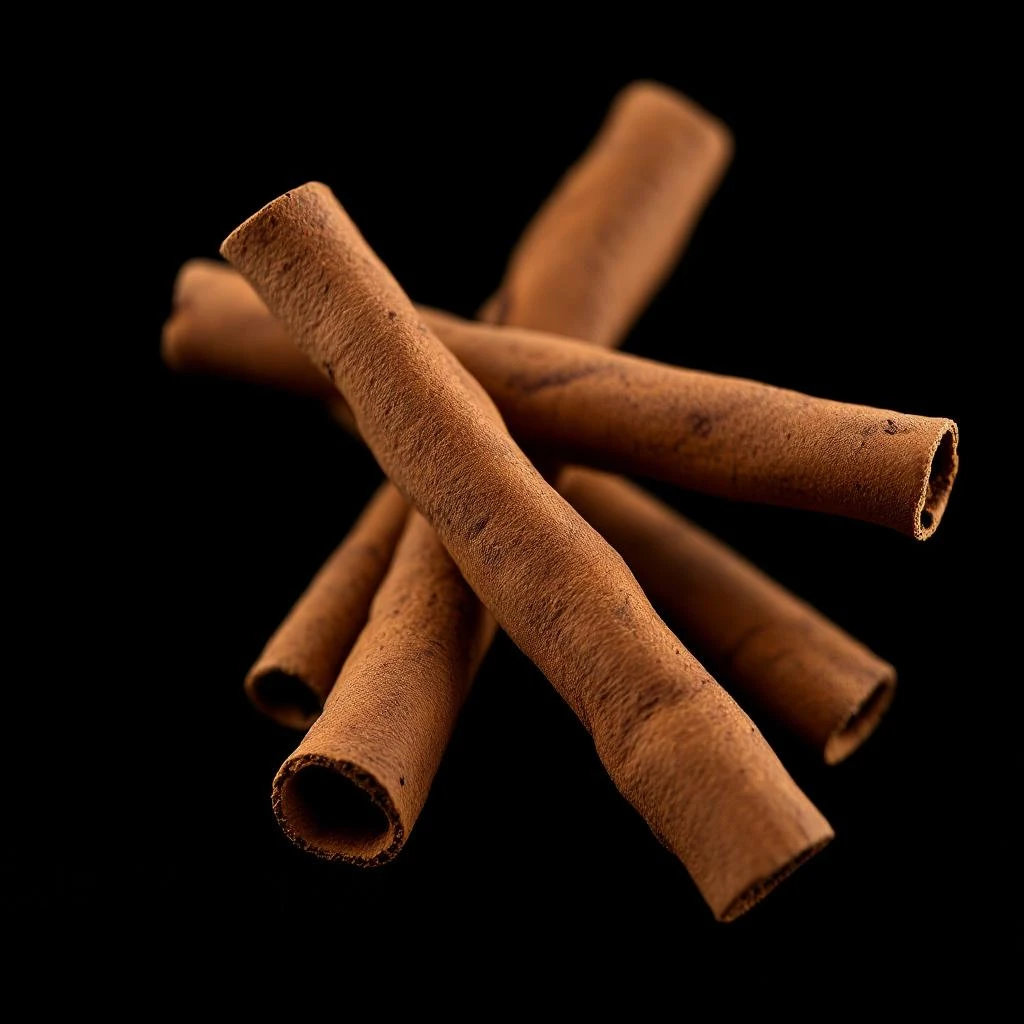
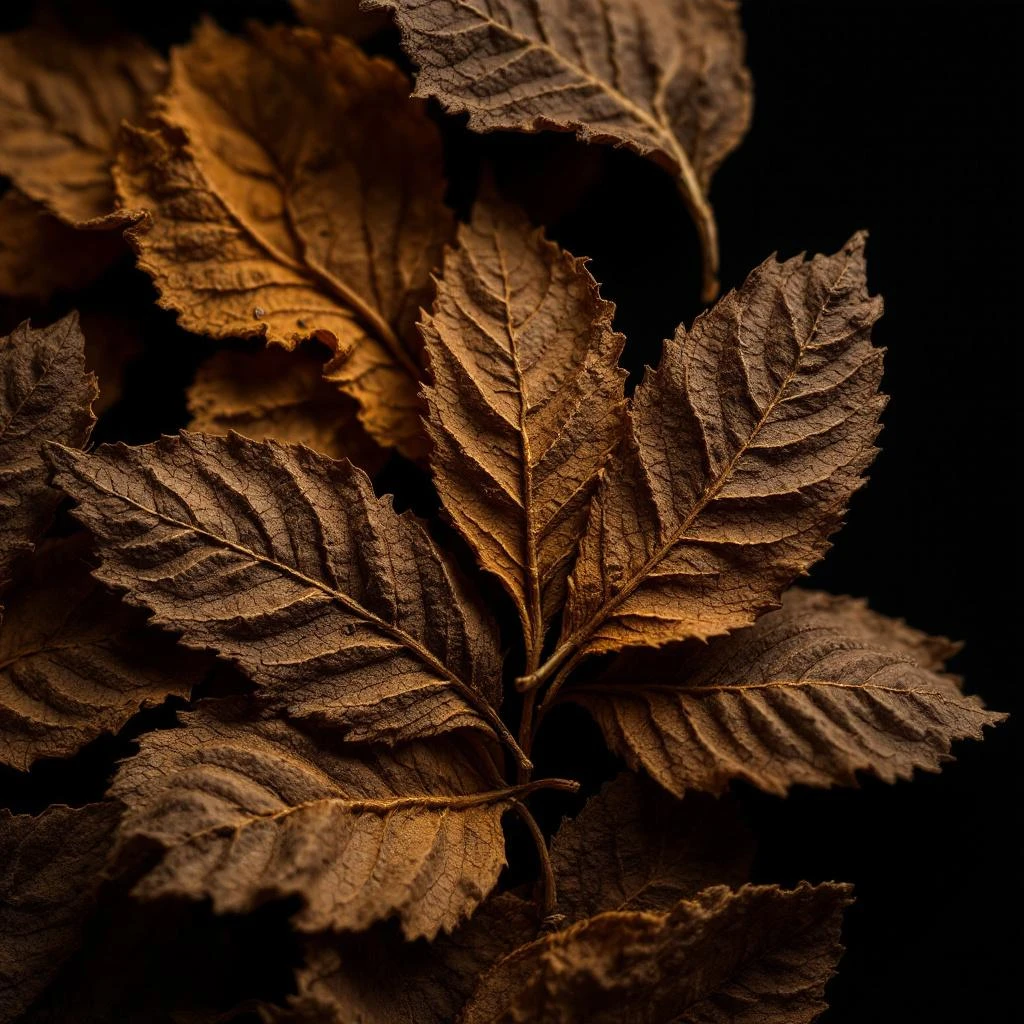
Rum pairs naturally with vanilla, tonka bean, tobacco, and warm spices like cinnamon and clove. Citrus notes such as orange and lime brighten rum's heaviness in tropical and Caribbean-inspired compositions.





