Tobacco
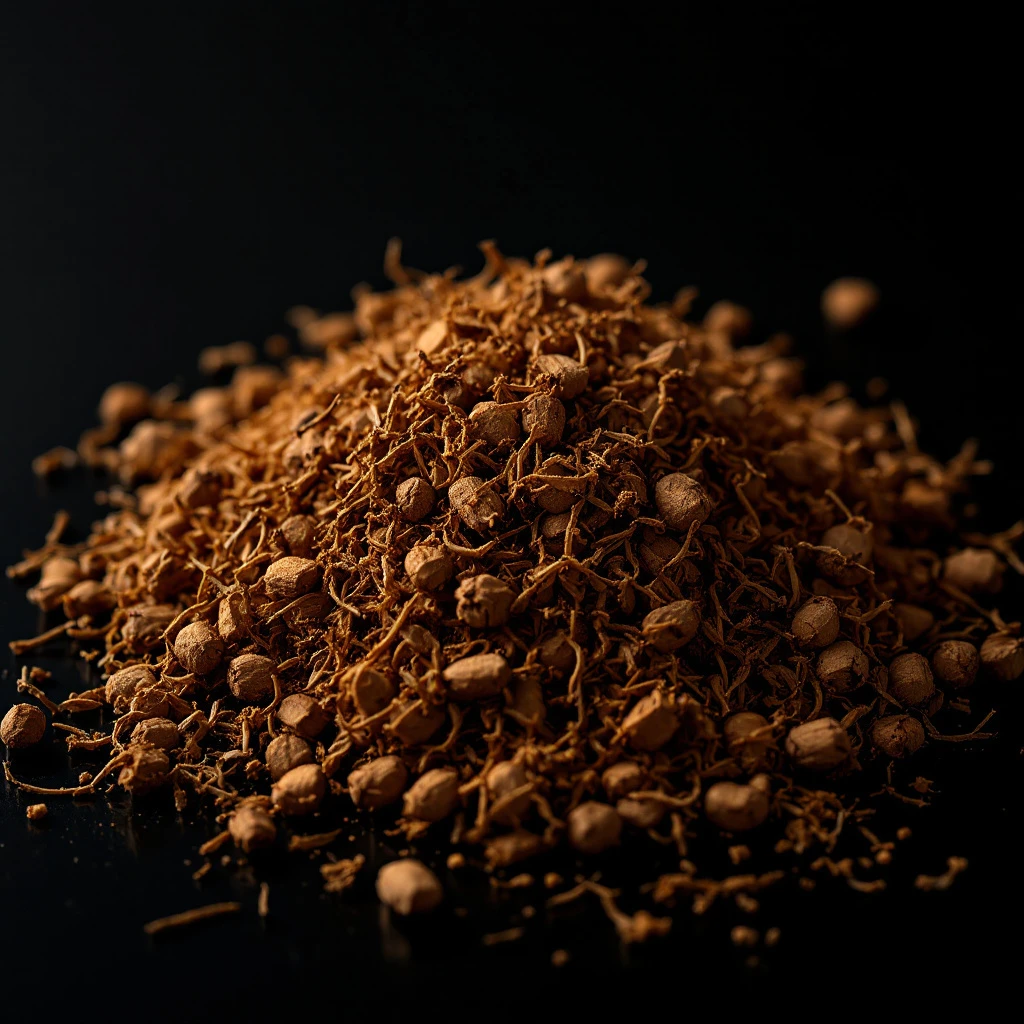
Tobacco brings a warm, honeyed darkness to fragrance, evoking cured leaves, dried fruit, and faint whispers of leather. It anchors compositions with a smooth, resinous depth.
Character
How it smells
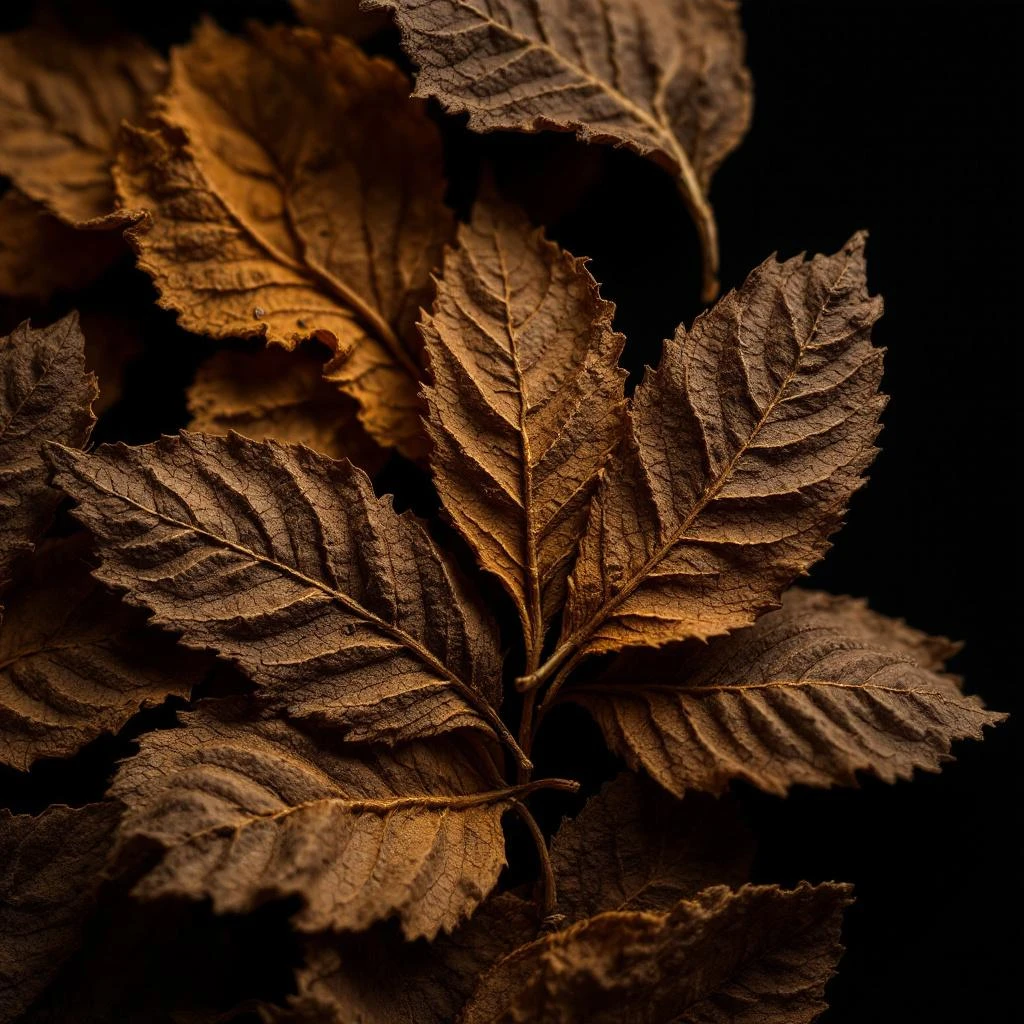
Cured leaves, golden warmth, quiet smoke.
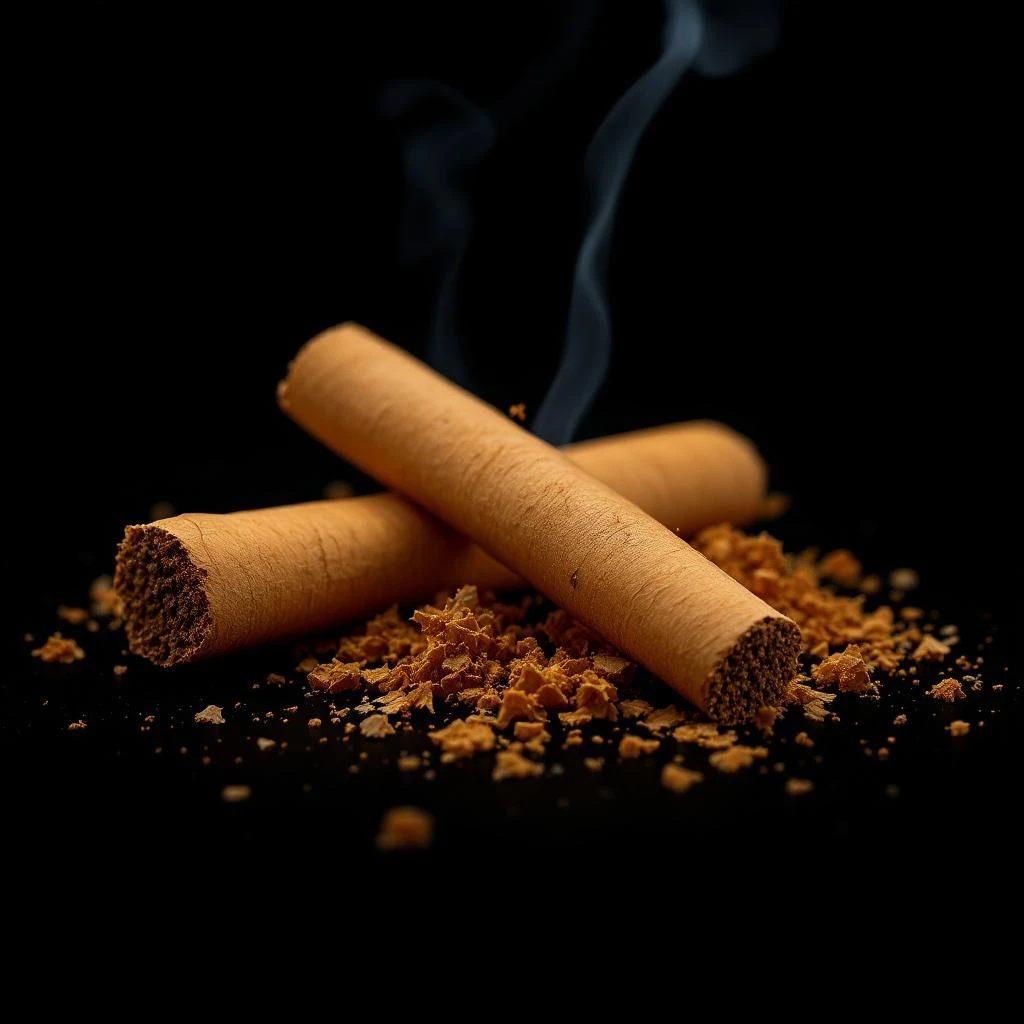
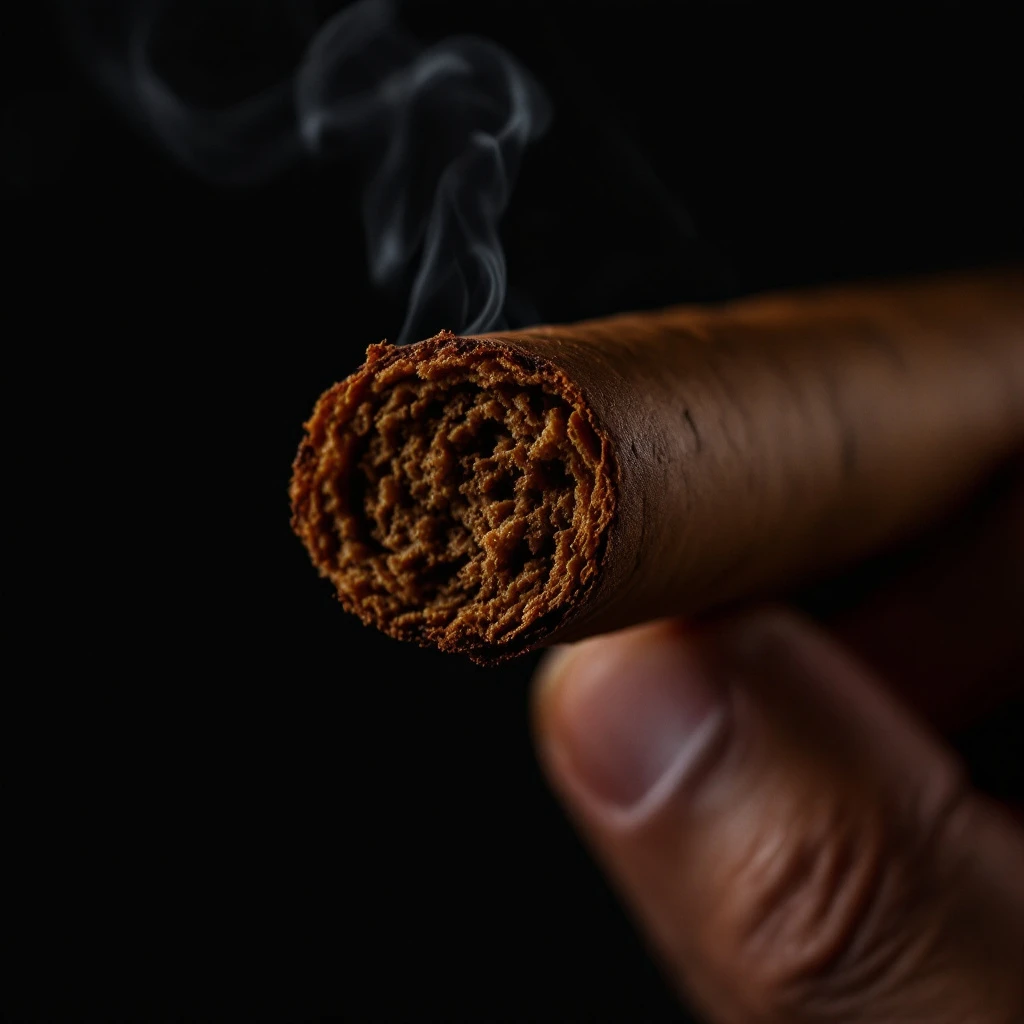
Tobacco leaves must ferment for months to develop the sweet, aromatic compounds that perfumers prize, the same curing process used for cigars.







Origin
United States (Virginia) / Cuba
Tobacco traveled from the Americas to European courts in the 16th century, carried by explorers and traders who valued it as a curiosity and a stimulant. By the 18th century, European perfumers had begun incorporating tobacco leaf into scented sachets and snuff preparations, appreciating its warm, leathery character. The note entered mainstream perfumery in the early 20th century, gaining particular momentum during and after World War I, when women entering traditionally male workplaces and social spaces adopted bolder, more masculine-leaning scents.
Tobacco became synonymous with sophistication, particularly through classic men's fragrances of the mid-20th century. The 2000s saw a major revival: Tom Ford's Tobacco Vanille (2007) reintroduced the note to a wider audience, blending cured-leaf sweetness with vanilla and spice. Today, tobacco appears across gender lines, from smoky orientals to fresh fougères, demonstrating its range as a base note.
It remains one of the few fragrance materials whose cultural associations, luxury, ritual, and quiet indulgence, are as integral to its appeal as its scent profile.
Wears it best
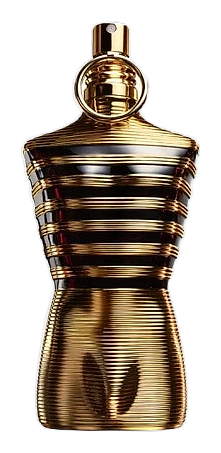
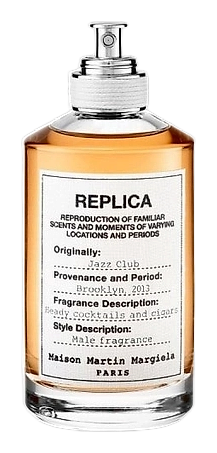
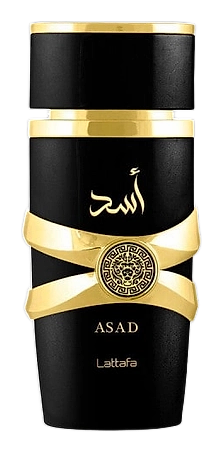
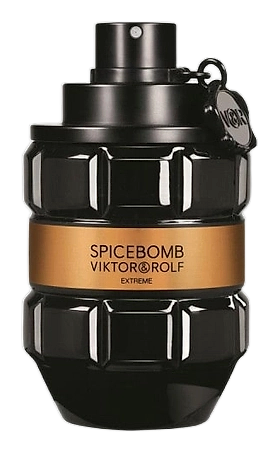
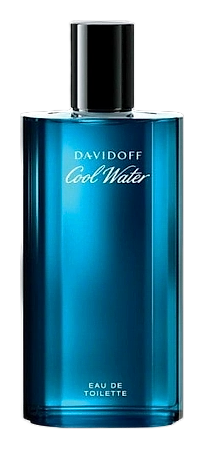
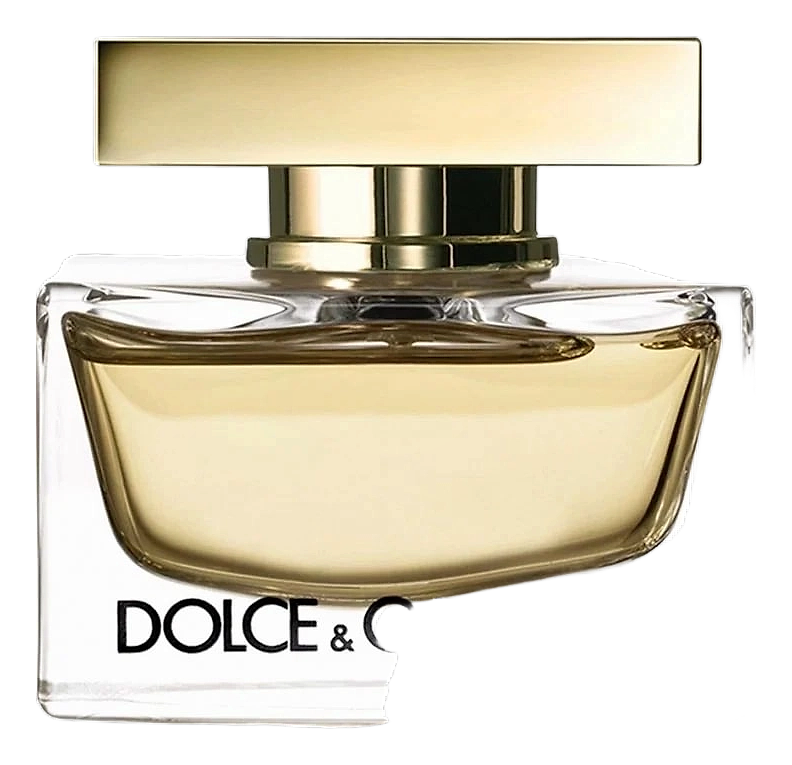
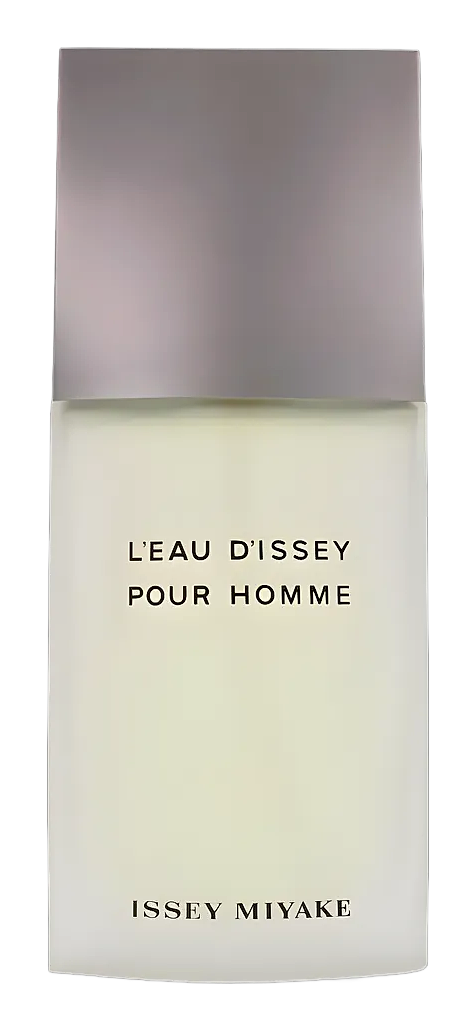
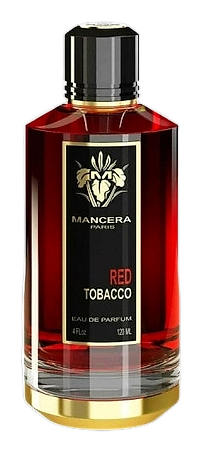
Fragrances featuring Tobacco

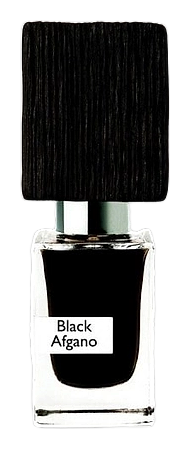
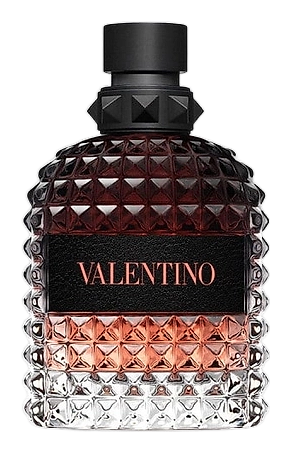
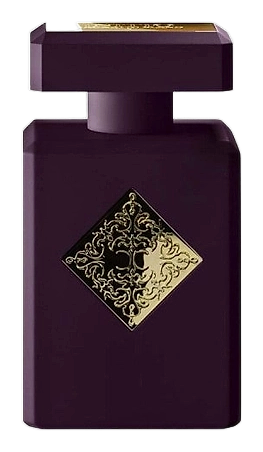
Brands
Brands known for Tobacco
Good to know
Questions, answered
The essentials on Tobacco in perfumery: how it smells, where it comes from, and how it behaves on skin.
What does tobacco smell like in perfume?
Tobacco in fragrance smells warm, sweet, and slightly honeyed, with dried-fruit and hay-like undertones. It carries a soft leathery quality without the harshness of actual smoke, making it a popular base note.
Is tobacco in perfume real or synthetic?
Both. Natural tobacco absolute exists but is costly and inconsistent. Most perfumers use synthetic reconstructions combining molecules like coumarin and beta-damascenone to achieve a stable, idealized tobacco character.
Is tobacco fragrance note safe for skin?
Yes, when used at standard perfumery concentrations. IFRA regulates tobacco absolute usage, and finished fragrances containing it are considered safe for topical application within recommended dosage levels.
Is tobacco note masculine or unisex?
Tobacco reads as unisex in modern perfumery, though historically associated with masculine compositions. Contemporary fragrances use it across gender categories, often paired with vanilla, spice, or florals.
What notes pair well with tobacco?
Tobacco pairs naturally with vanilla, honey, leather, and tonka bean for warmth. It also complements bergamot, spices like cinnamon and clove, and woods such as cedar and sandalwood.
Why does tobacco smell sweet?
Tobacco sweetness comes from curing, where leaf starches break down into sugars. Fermentation further develops fruity and honeyed compounds, producing the caramel-like richness perfumers isolate for fragrance use.
When was tobacco first used in perfumery?
Tobacco appeared in European scented sachets in the 18th century. Its modern perfumery use dates to the early 20th century, with significant revival in 2007 following Tom Ford's Tobacco Vanille.
Is tobacco absolute nicotine-free?
Tobacco absolute contains trace nicotine residues, though concentrations are minimal and regulated. The scent comes primarily from non-nicotine aromatic compounds developed during curing and fermentation.