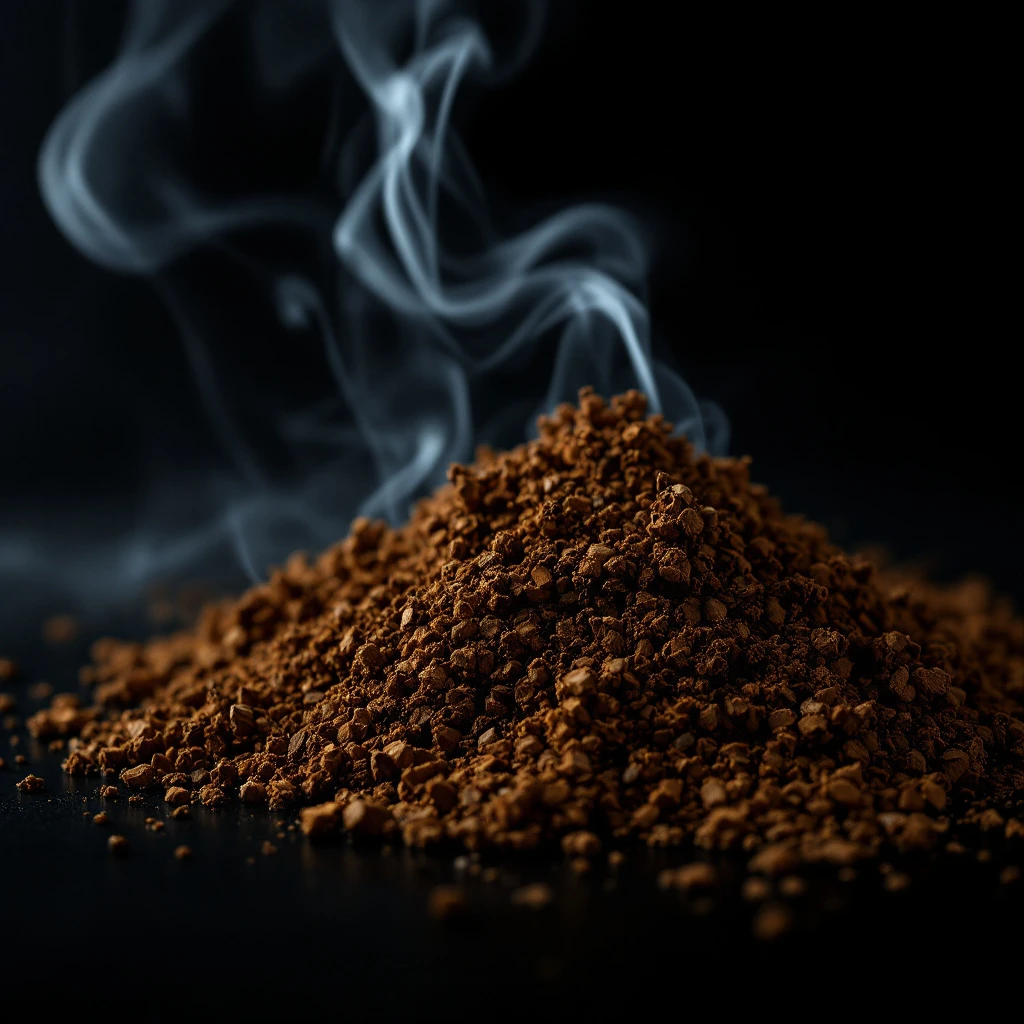
Burley Tobacco
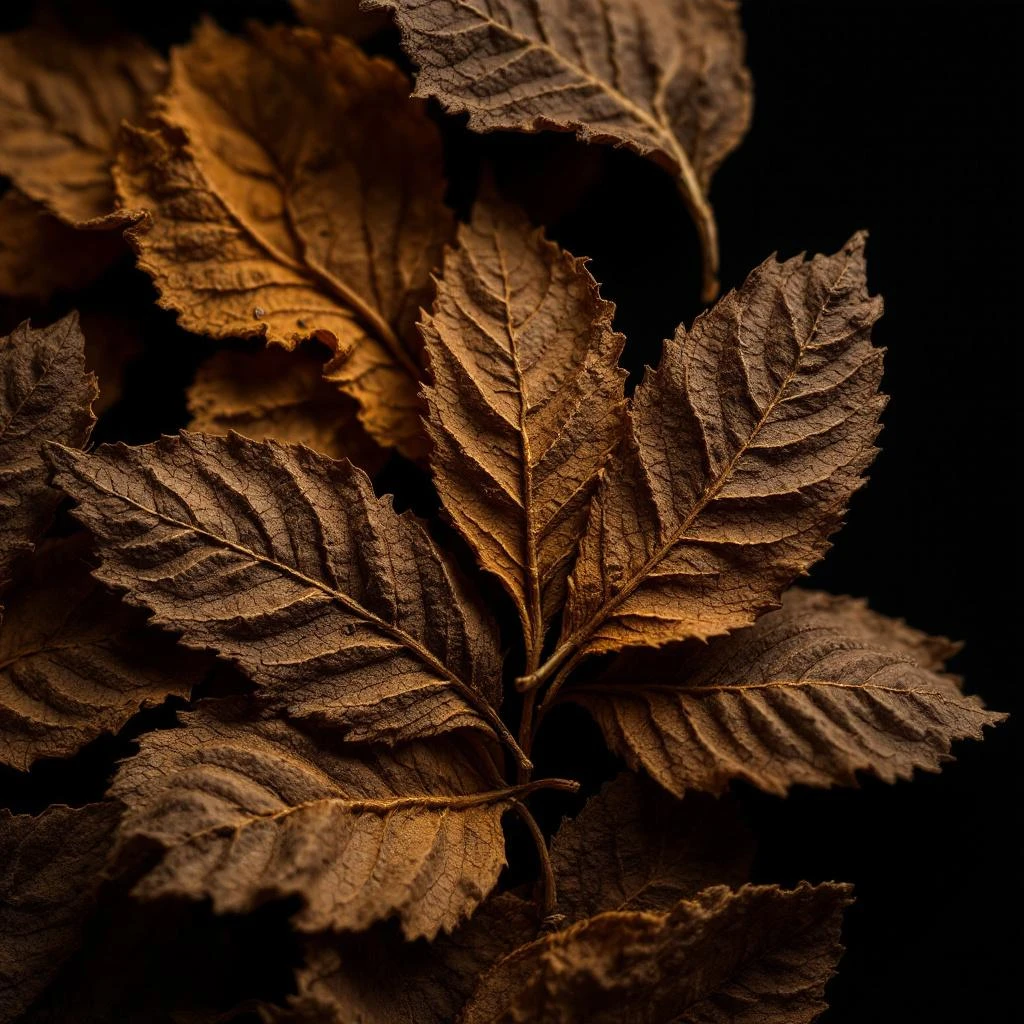
Sun-dried and air-cured, Burley tobacco delivers a rich, slightly sweet, and deeply aromatic profile that forms the backbone of countless iconic fragrances. Its earthy warmth and distinctive character make it a perfumer's cornerstone.
Character
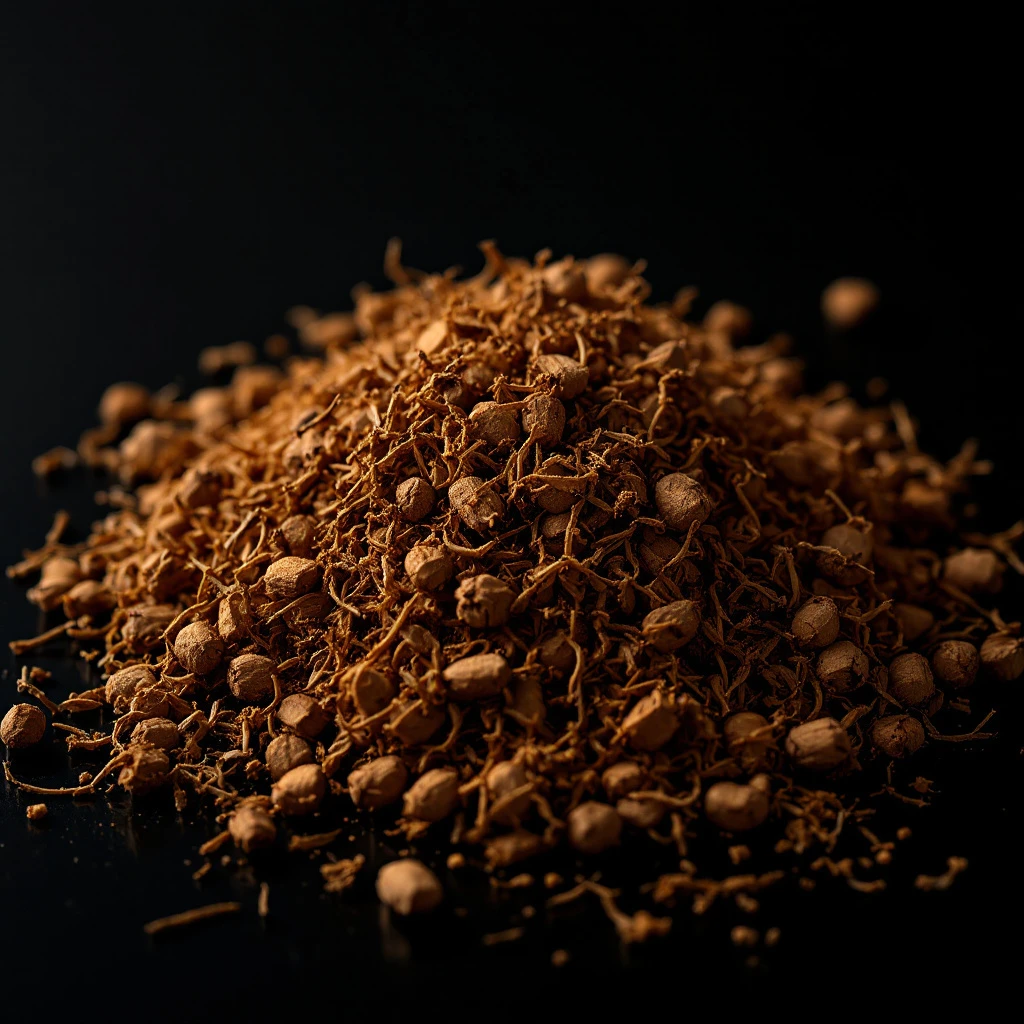
How it smells
The perfumer's cornerstone: earthy, warm, unmistakably bold.
Burley tobacco contains up to 4% nicotine by dry weight, but it is the aromatic compounds that perfumers prize most, not the alkaloid content.







Origin
United States
Nicotiana tabacum, the species from which Burley tobacco derives, originated in the Americas and arrived in Europe via Spanish explorers around 1528. The Burley variety itself emerged in the United States during the early 19th century, quickly becoming one of the most cultivated tobacco types domestically. Native American communities had long used tobacco in ceremonial practices before European contact.
By the 19th century, as organic chemistry advanced, perfumers began incorporating tobacco extracts into compositions. Burley's mild, slightly sweet character distinguished it from stronger varieties, making it particularly valuable for perfumery. The development of solvent extraction techniques in the 20th century further refined tobacco's use in fragrance, allowing perfumers to capture its essence with unprecedented precision.
Today, Burley remains essential to both traditional tobacco blends and modern scent compositions that seek its warm, inviting depth.
Wears it best
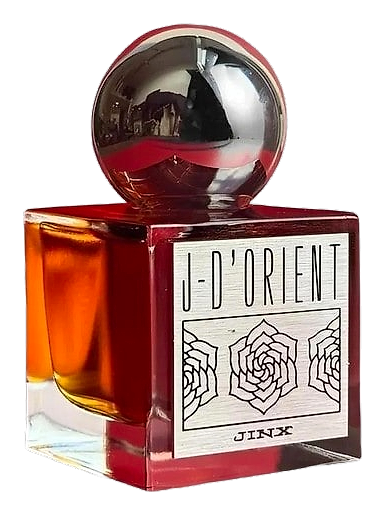
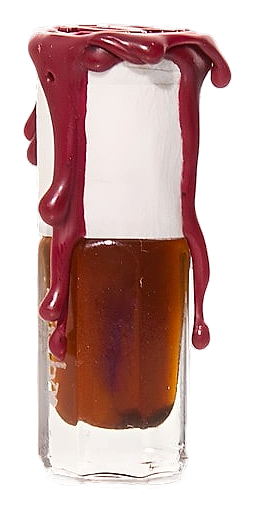
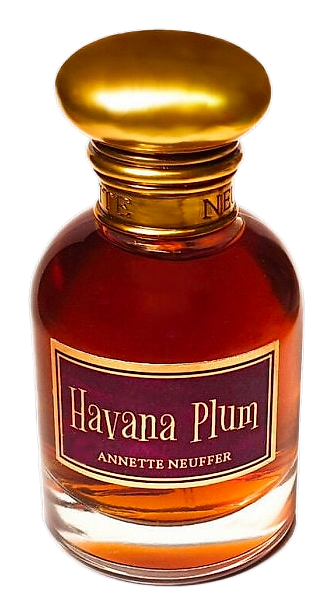
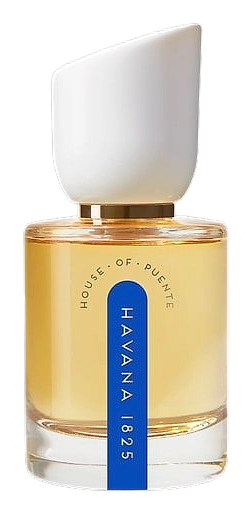
Fragrances featuring Burley Tobacco
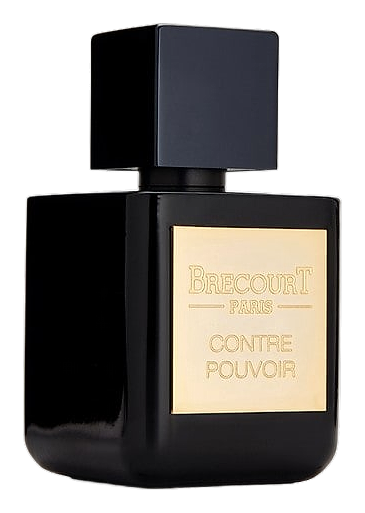
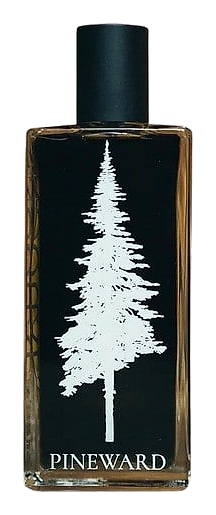
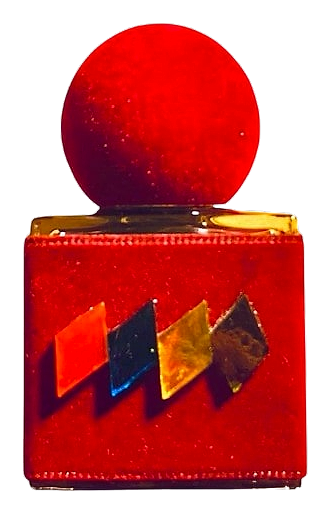
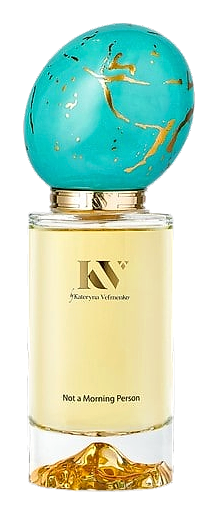
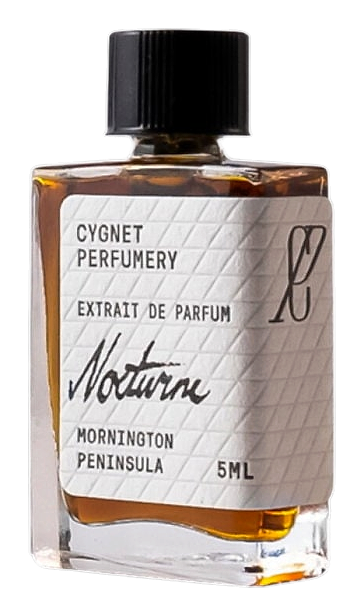
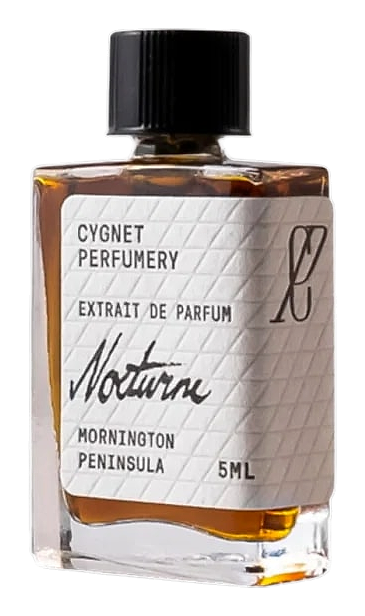
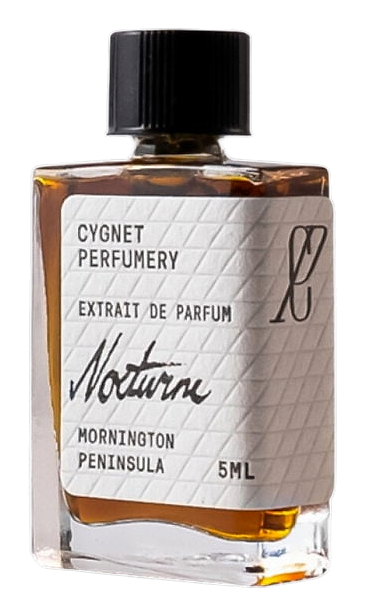

Brands
Brands known for Burley Tobacco
Good to know
Questions, answered
The essentials on Burley Tobacco in perfumery: how it smells, where it comes from, and how it behaves on skin.
What does Burley tobacco smell like in perfume?
Burley tobacco offers a warm, slightly sweet aroma with earthy undertones and subtle smoky and leathery facets. Unlike Oriental tobacco, it lacks the sharp dryness and instead presents a rounder, more approachable character that works beautifully as a base note.
How is Burley tobacco extract produced for perfumery?
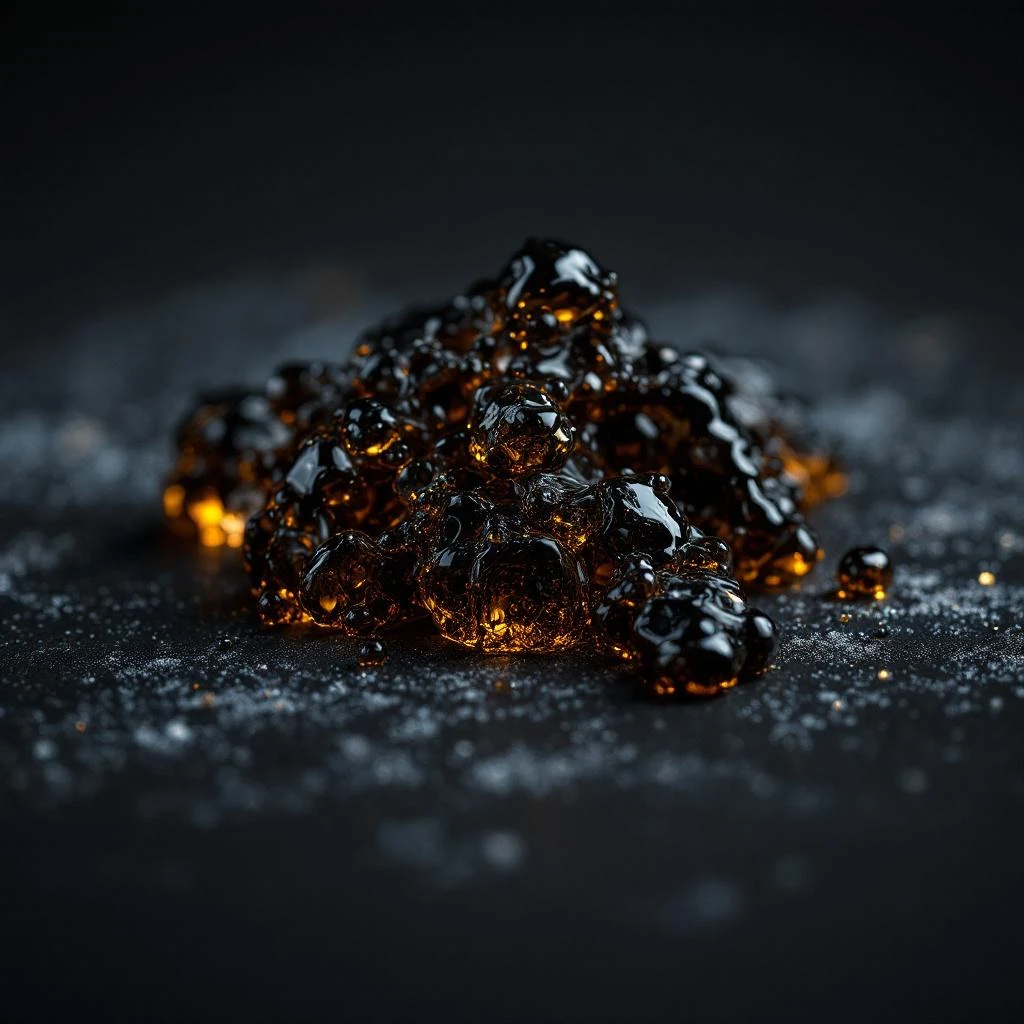
Burley leaves undergo air-curing for several weeks before solvent extraction using petroleum ether or hexane. This produces a concrete that is further processed with ethanol to yield the final tobacco absolute, a thick brown liquid.
What is the difference between Burley and Virginia tobacco in perfumery?
Burley is air-cured and delivers a sweeter, earthier profile with leathery depth. Virginia tobacco is flue-cured, resulting in a brighter, more citrusy and hay-like character that is lighter in overall impression.
Is Burley tobacco used as a top, middle, or base note?
Burley tobacco functions primarily as a base note in fragrance compositions. Its heavy molecular weight and slow evaporation rate ensure it lingers on skin for hours, providing depth and lasting presence.
What fragrances traditionally feature Burley tobacco?
Burley tobacco appears in numerous masculine and unisex fragrances, particularly those marketed as tobacco-forward or Aromatic Fougère. It also shows up in warm, oriental-style compositions seeking an authentic cured-leaf character.
Can Burley tobacco be synthetically replicated?
Yes. Synthetic tobacco notes exist, including coumarin (discovered in 1868) and various pyrazines that mimic hay and earthy tobacco facets. However, natural Burley absolute offers a complexity that synthetic approximations still struggle to fully capture.
Which countries produce perfumery-grade Burley tobacco?
The United States, particularly Kentucky and Tennessee, remains the primary source of Burley tobacco. Bulgarian production has also become significant for perfumery-grade tobacco absolute, known for its thick consistency and potent scent.
Does Burley tobacco contain allergens?
Tobacco absolute may contain trace amounts of nicotine and other alkaloids. As with any natural extract, batch variation occurs. Fragrance manufacturers provide ingredient lists noting tobacco absolute when present, allowing consumers to make informed choices.