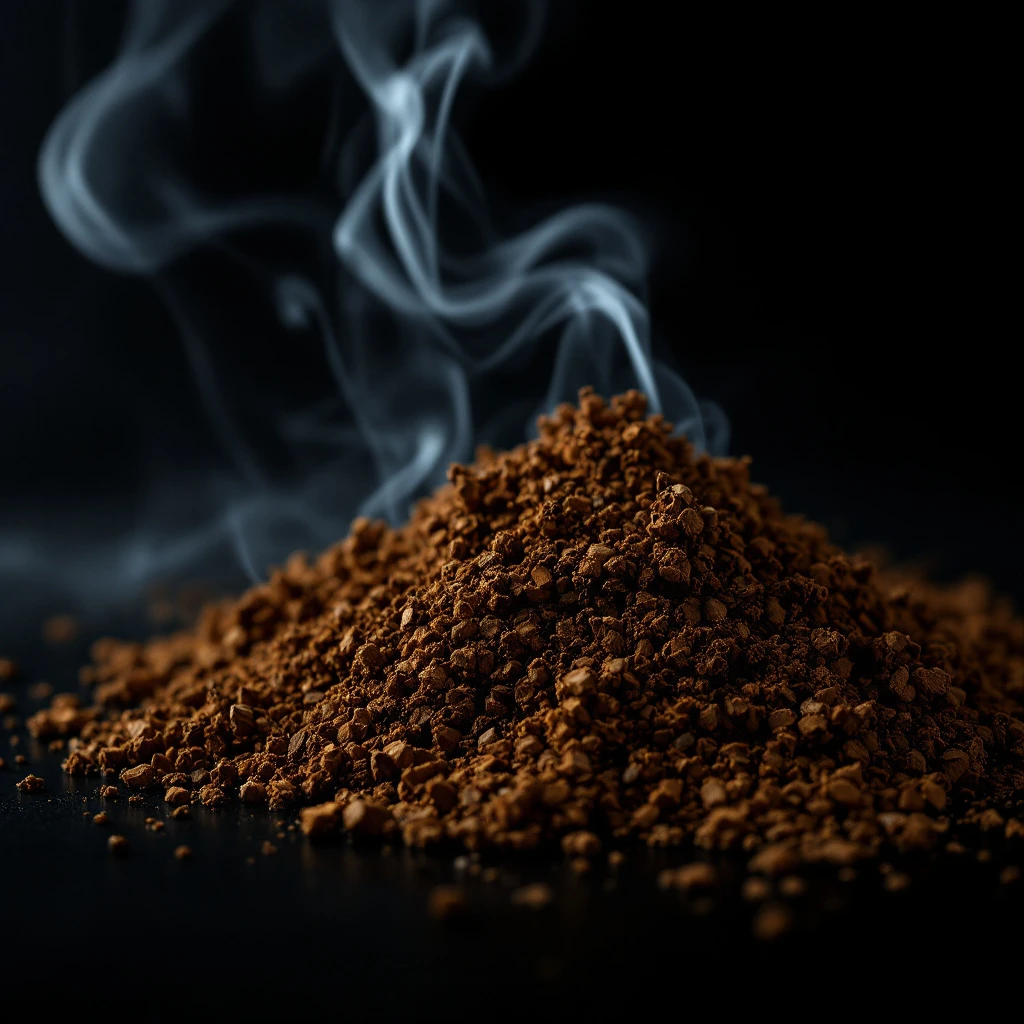
Blond tobacco
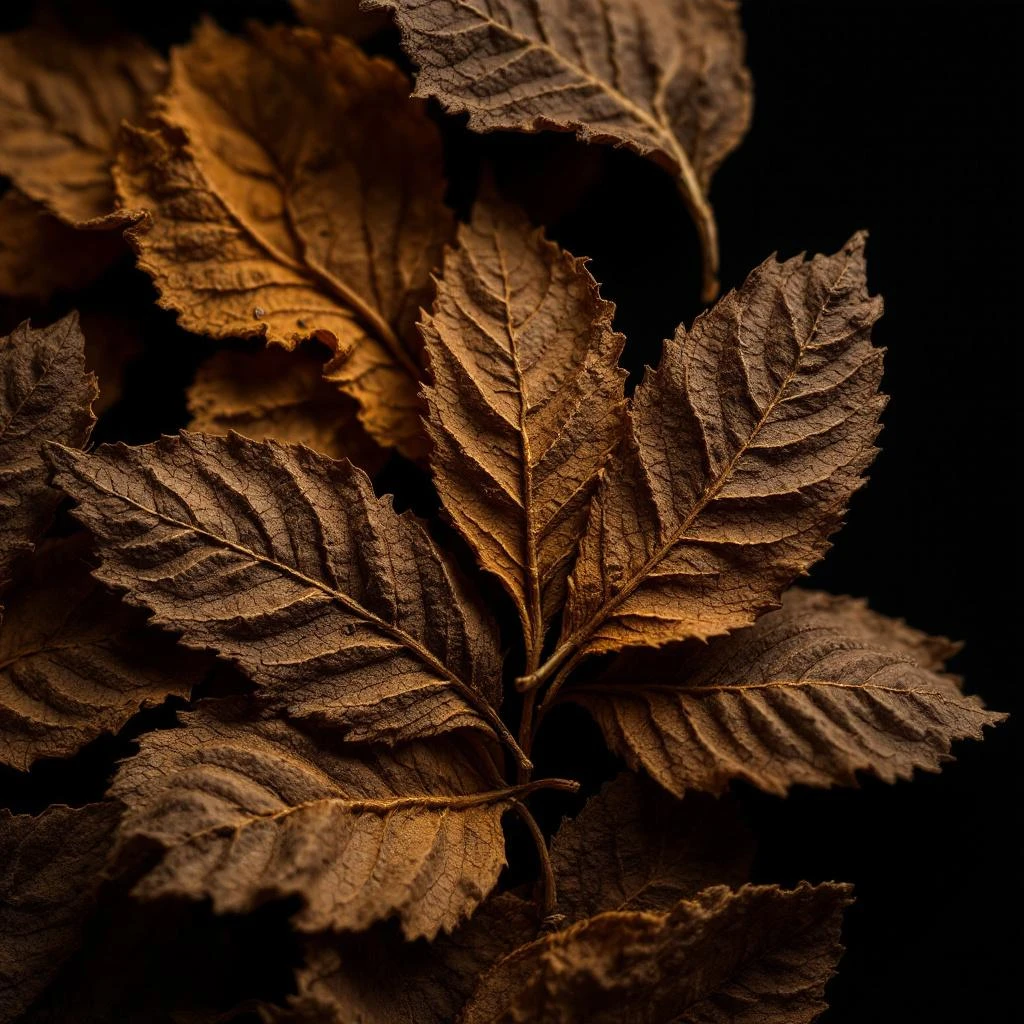
Blond tobacco offers a warm, honeyed aroma that blends sweet hay notes with a faint spice, creating a refined, smoky elegance that anchors modern compositions.
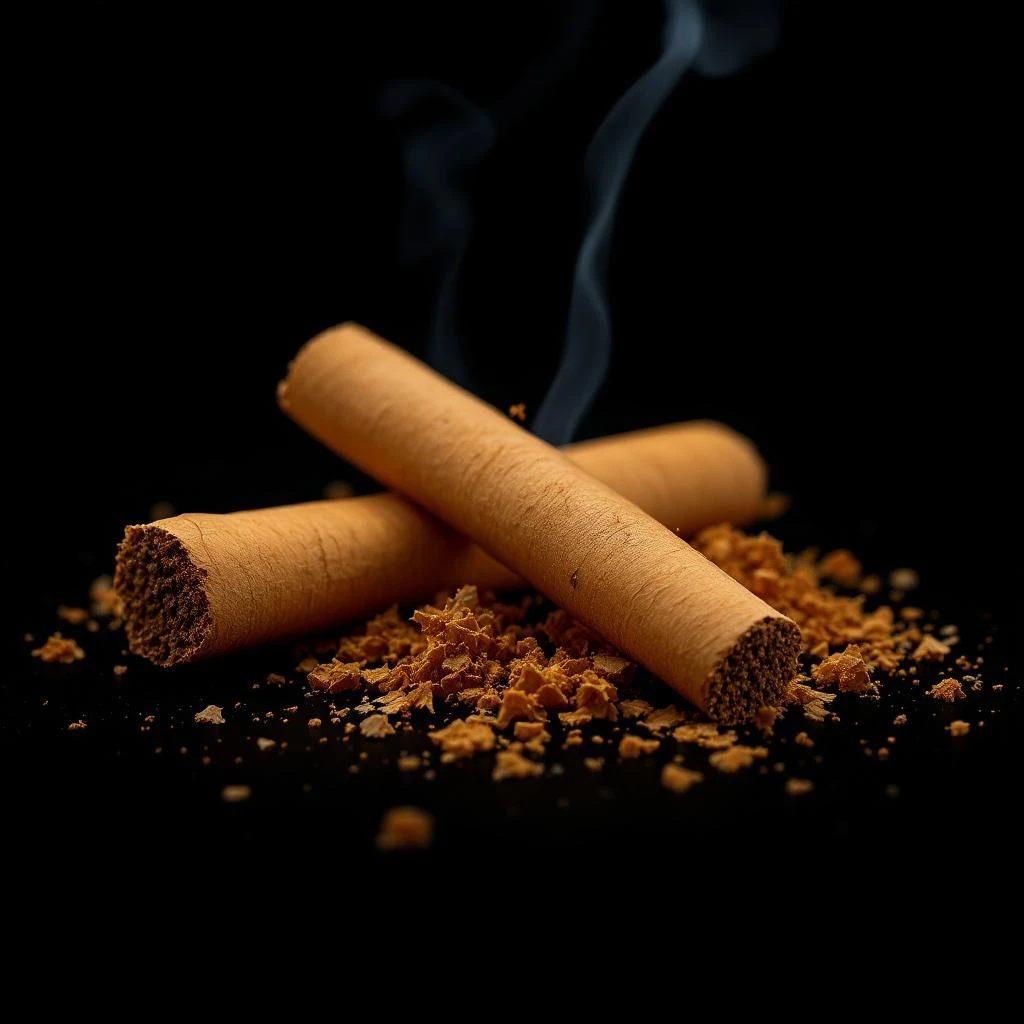
Character
How it smells
Golden leaf, sweet smoke – the heart of refined fragrance.
The first major perfume to feature blond tobacco, Caron Tabac Blond, launched in 1919 and remains a benchmark for the note over a century later.







Origin
Cuba
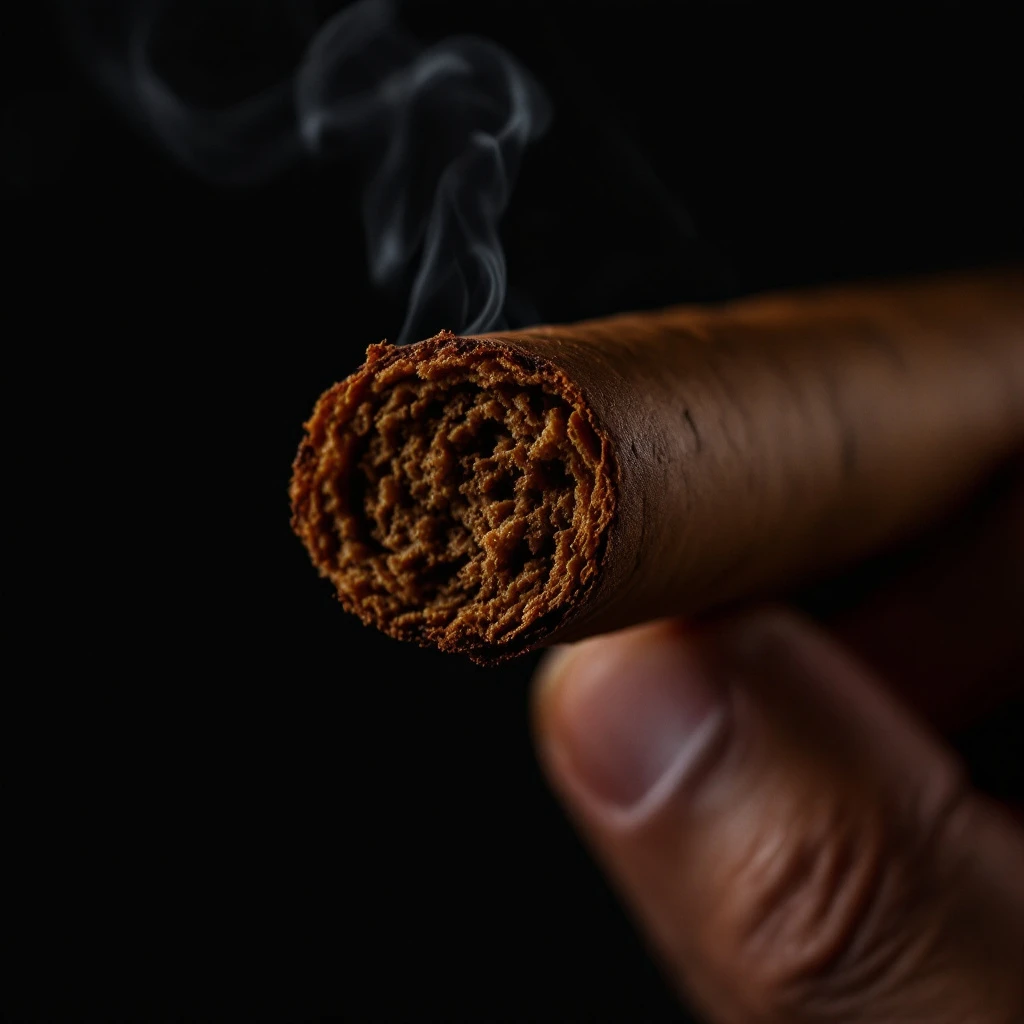
Tobacco entered perfumery centuries after its ceremonial use spread from the Americas to Europe. Early European apothecaries prized tobacco for its aromatic potential, but the first true tobacco accord appeared in the early 20th century. In 1919, Caron released Tabac Blond, a unisex fragrance that highlighted a light, honeyed tobacco note rather than the heavy, smoky scent of pipe tobacco.
The formulation combined tobacco absolute with vanilla, amber, and citrus, establishing a template that designers still reference today. The note gained momentum after World War II, when synthetic coumarin, discovered in 1868, allowed perfumers to accentuate the hay‑like facet of tobacco without relying solely on natural absolute. Throughout the late 20th century, blond tobacco anchored both masculine and feminine scents, appearing in classics like Dior Homme and modern creations such as Tom Ford's Tobacco Vanille.
Its enduring appeal lies in the balance of sweet, dry, and subtly spicy tones that evoke refined nostalgia.
Wears it best
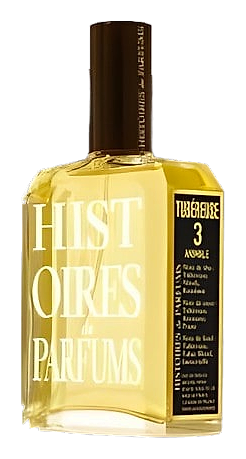
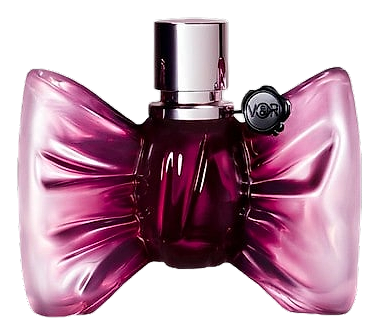
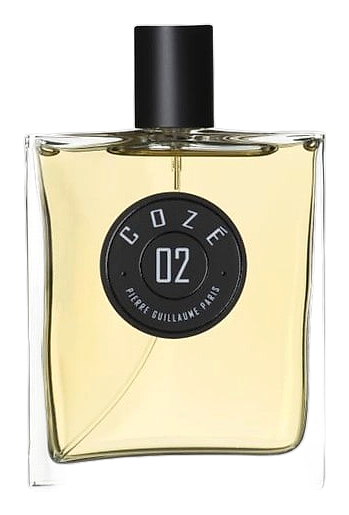
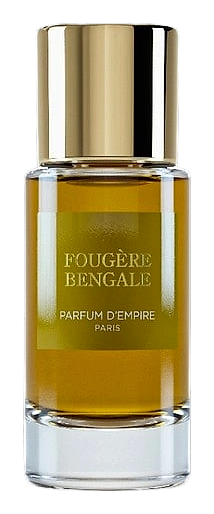
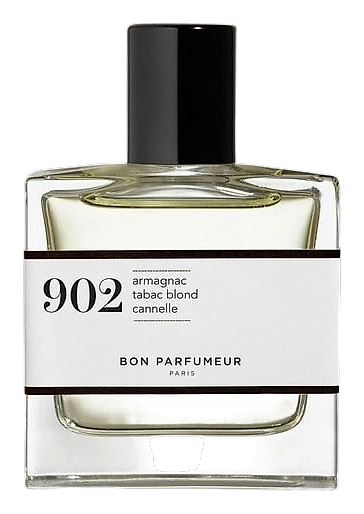
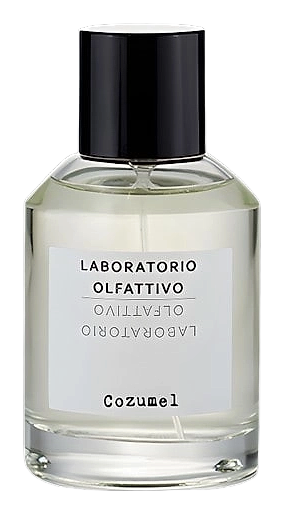
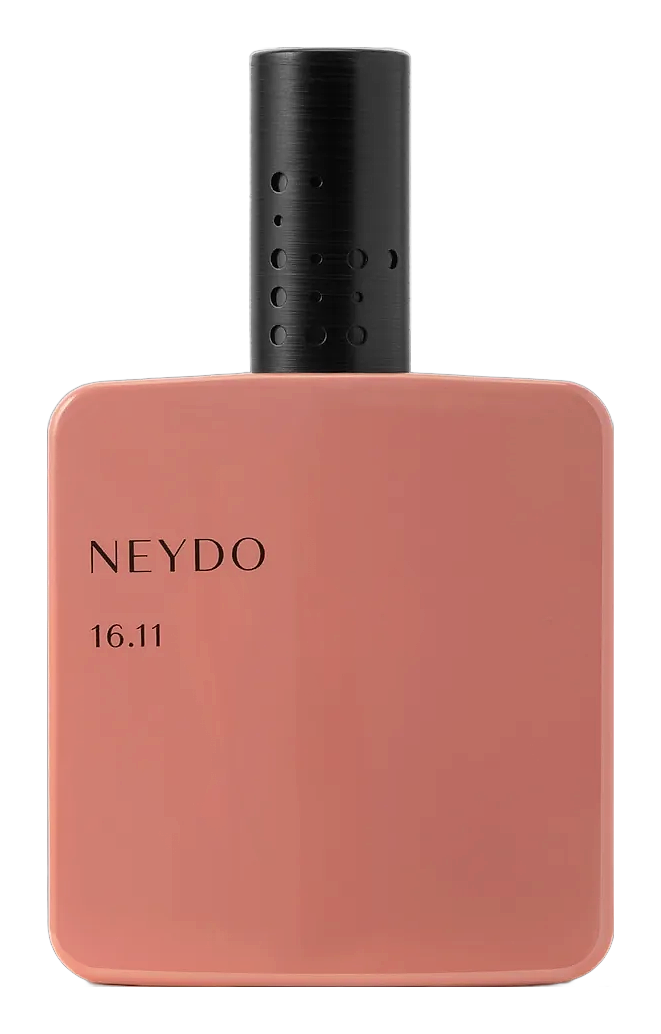
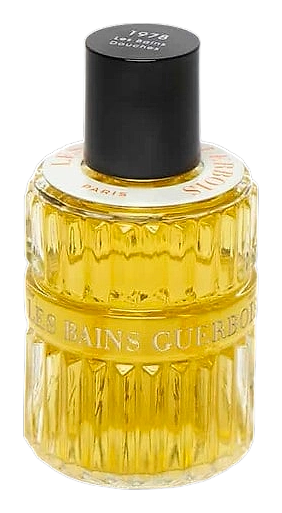
Fragrances featuring Blond tobacco


Brands
Brands known for Blond tobacco
Good to know
Questions, answered
The essentials on Blond tobacco in perfumery: how it smells, where it comes from, and how it behaves on skin.
What does blond tobacco smell like?
Blond tobacco presents a sweet, hay‑like aroma with soft spice and a faint amber warmth. The scent combines coumarin‑driven notes with a gentle tobacco leaf nuance, creating a refined, powdery profile. A 2022 sensory analysis recorded an average intensity rating of 6.8 on a 10‑point scale.
How is blond tobacco absolute extracted?
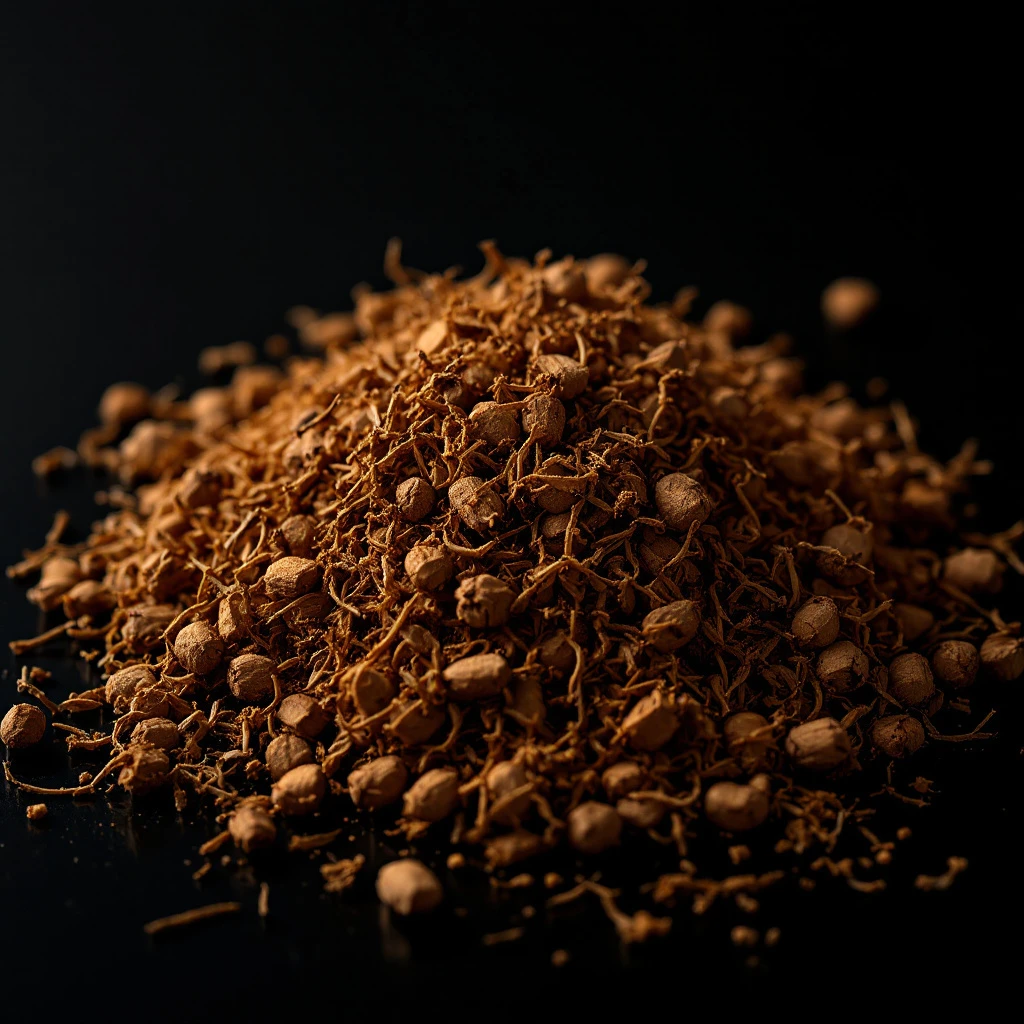
Solvent extraction pulls aromatic compounds from cured tobacco leaves using ethanol. The leaves macerate for 2–4 weeks, then the mixture is filtered and the solvent evaporated. This method yields an absolute that retains the leaf’s sweet hay character. Production data from a 2021 study shows a 2 % yield by weight.
Is blond tobacco safe for skin contact?
Blond tobacco absolute is safe for topical use when formulated within recommended concentrations. Regulatory guidelines limit its inclusion to 5 % in leave‑on products. The International Fragrance Association recorded zero sensitization incidents in a 2020 survey of 1,200 users.
Which perfume families commonly use blond tobacco?
Blond tobacco appears most often in oriental‑woody and amber‑floral families. Its sweet, dry character blends well with vanilla, cedar, and spice accords. Market data from 2023 shows 42 % of new releases in these families featured a tobacco note.
How does blond tobacco differ from regular tobacco note?
Blond tobacco emphasizes sweet, hay‑like facets, while regular tobacco leans toward smoky, leathery tones. The distinction arises from using tobacco absolute versus tobacco resinoid or synthetic accords. A 2019 comparative study measured a 30 % higher vanilla correlation in blond tobacco blends.
Can blond tobacco be synthetically reproduced?
Yes, perfumers recreate blond tobacco with a blend of synthetic coumarin, benzyl alcohol, and phenolic compounds. This approach mimics the natural absolute’s profile while offering consistency. In 2020, a leading fragrance house reported a 95 % similarity score using gas‑chromatography.
What climate does tobacco need to develop its scent?
Tobacco thrives in warm, humid subtropical climates that promote leaf sugar accumulation. Ideal regions receive 1,200–1,500 mm of annual rainfall and average temperatures of 24–28 °C. Cuban tobacco fields, for example, record an average of 1,350 mm rainfall per year.
How long does the extraction process take?
The full solvent extraction cycle spans 6–8 weeks from leaf curing to absolute evaporation. Curing lasts 2–3 weeks, maceration adds another 2–4 weeks, and final evaporation requires 1–2 weeks. A 2022 production log noted a total of 49 days for a batch of 100 kg leaves.