The Story
Why it exists.
The beginning
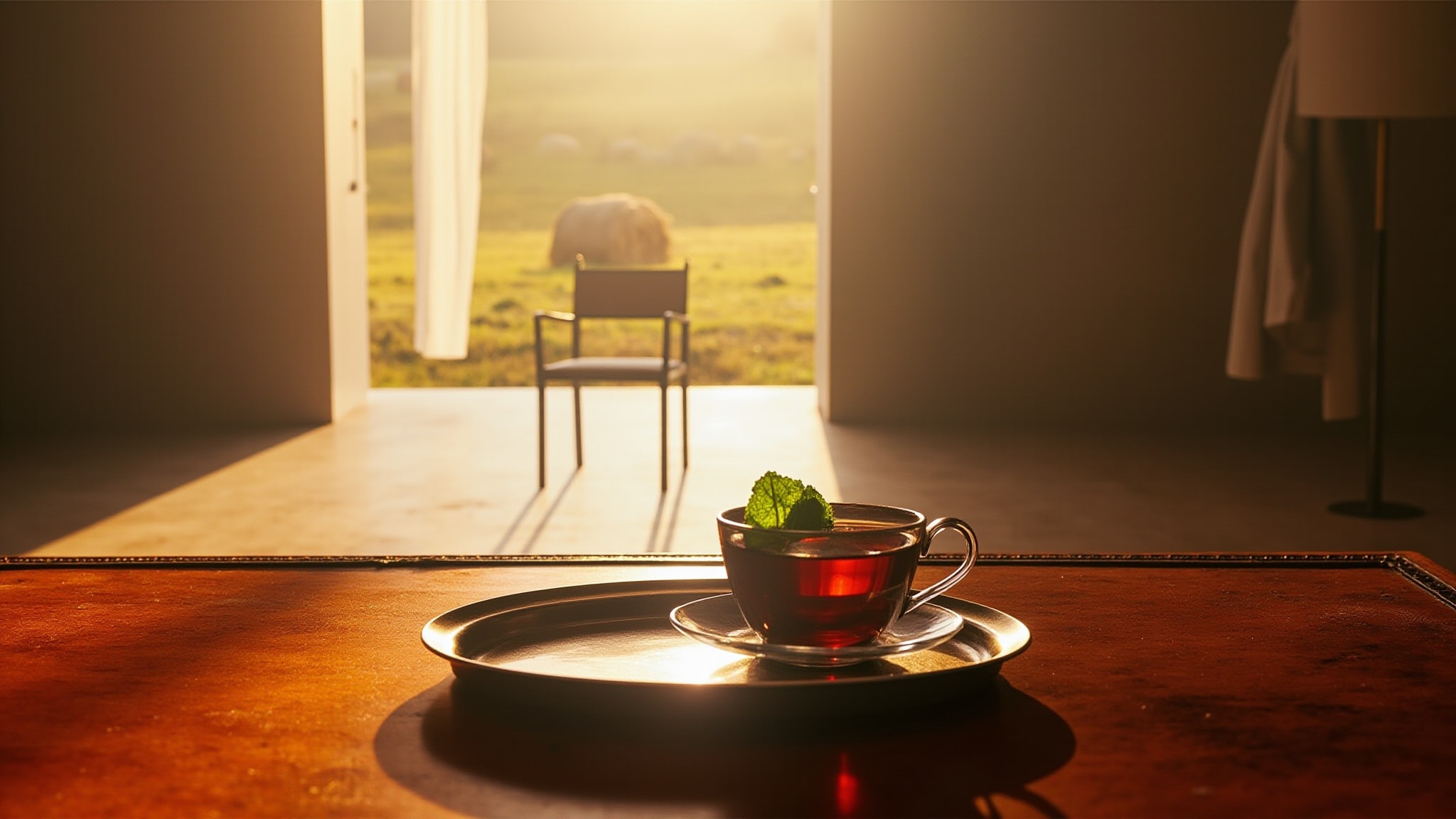
Fougère Bengale arrives in 2007, and the name tells you everything. Bengal, the vast delta region of India, plays its part in the composition. Marc-Antoine Corticchiato built this fragrance around that tension: the refined precision of lavender against more untamed elements. The opening is precise, cool mint, sharp ginger, the clean astringency of lavender. Then the Assam tea arrives, green, like steam rising from fresh leaves. Hay follows, turning the composition warm and sun-saturated. Blond tobacco and tonka bean complete the picture: sweet, built to endure. It's a fougère that doesn't apologize for being itself.
The note structure is what makes Fougère Bengale distinctive. That Assam tea note sits in the heart alongside hay and black pepper. The combination of hay and tobacco creates a sweet, warm, slightly animalic foundation that softens into tonka bean and vanilla. Oakmoss and patchouli ground everything in earthiness. The result is a fougère that reads as both barbershop-clean and frontier-wild, the interplay is what drives the composition.
The evolution
The opening announces itself with cool mint and lavender, crisp, clean, almost medicinal, the kind of cleanliness that feels intentional. The Assam tea and hay arrive together, green and warm, almost herbal. The black pepper in the heart adds a dry, spicy warmth that expands the composition. Tobacco takes over, sweet and blond, softened by tonka bean. The drydown is where Fougère Bengale earns its reputation: resinous, warm, with vanilla and patchouli creating a sweet-woody base that lingers. Oakmoss stays closest to the skin, the final signature.
Cultural impact
Fougère Bengale appeared as part of the niche fragrance movement, compositions that refused to be polite. It uses an unusual Assam tea and hay combination, creating a sweet-tobacco fougère that feels both refined and untamed. The fragrance appeals to those who want a fougère with real substance, not just cleanliness.