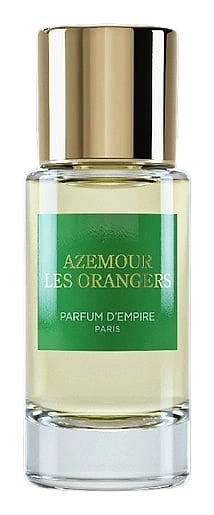
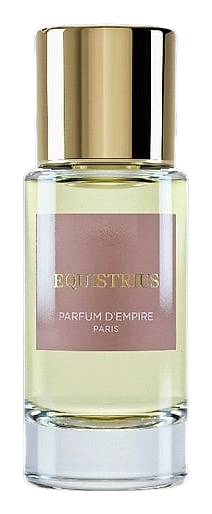
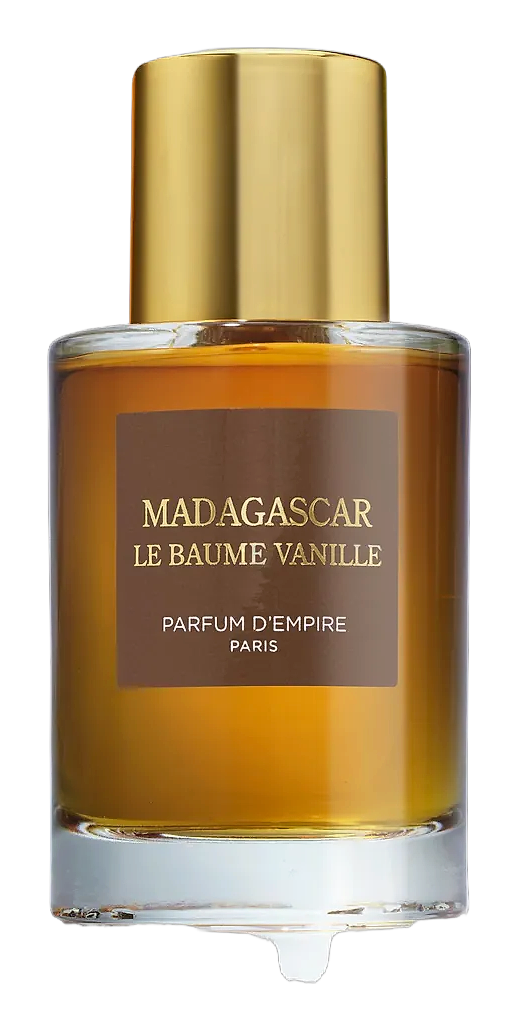
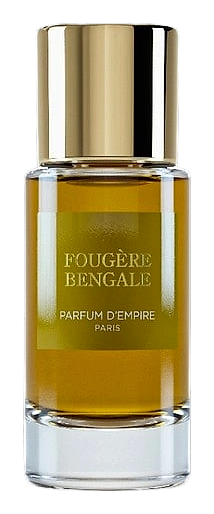
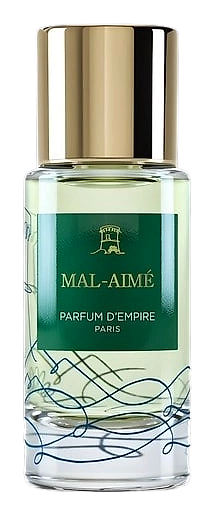
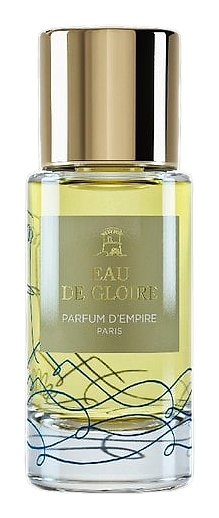
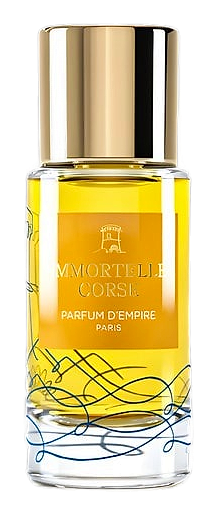
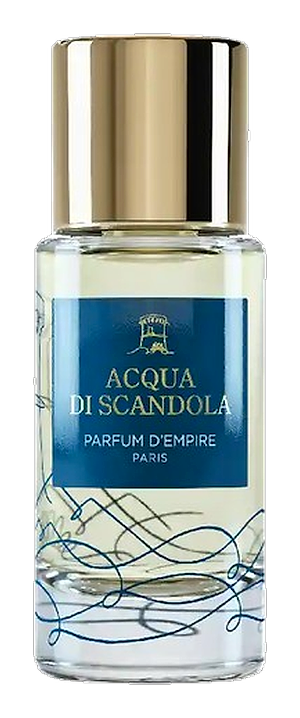
The Heritage
The Story of Parfum d'Empire
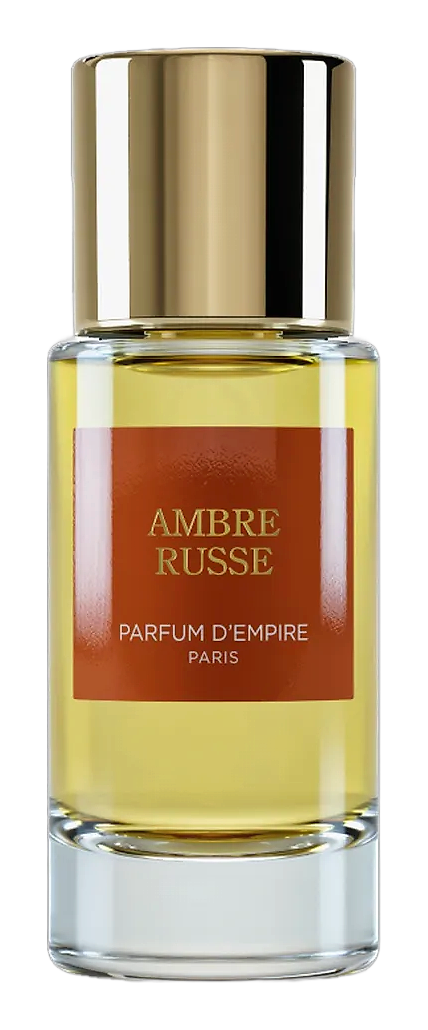
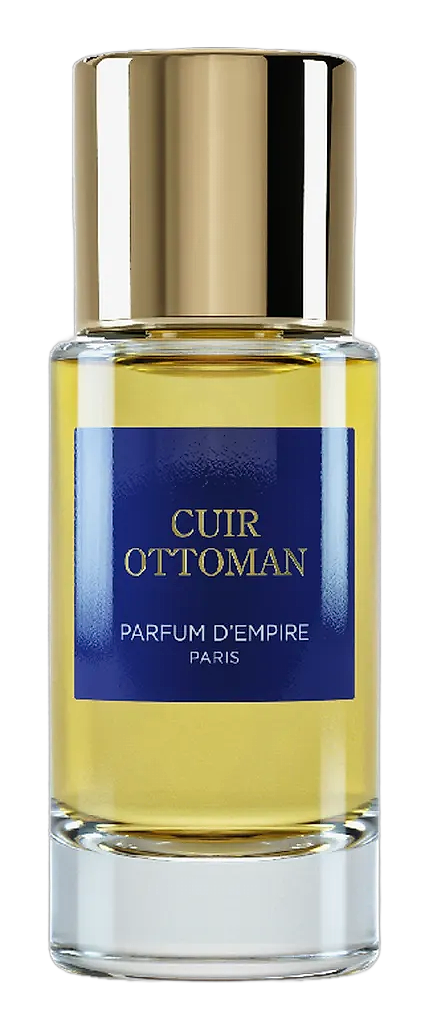
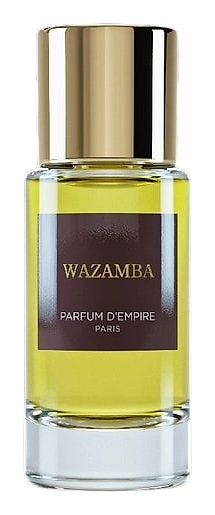
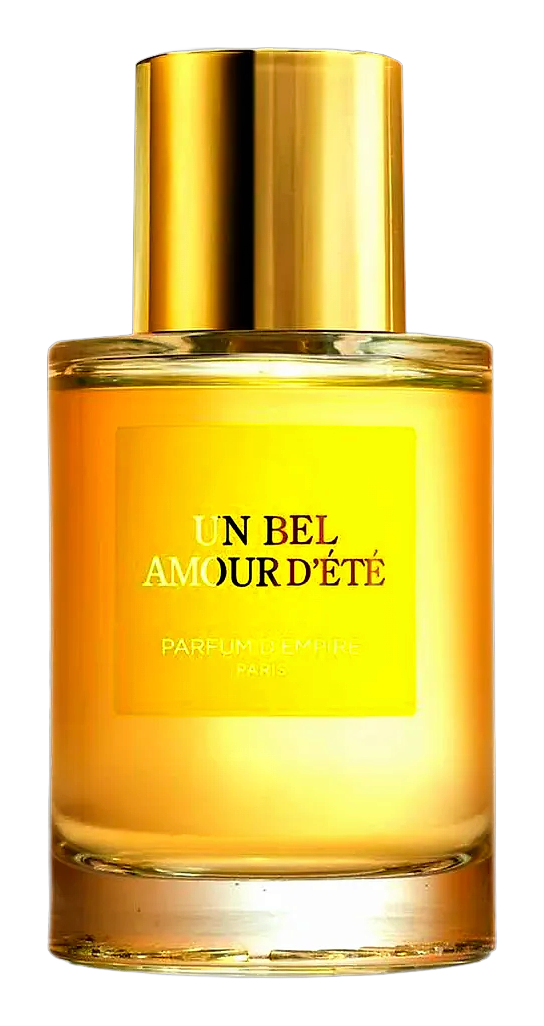
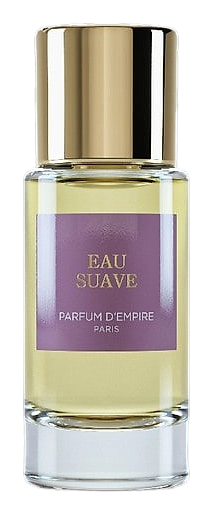
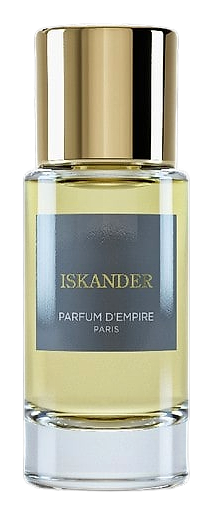
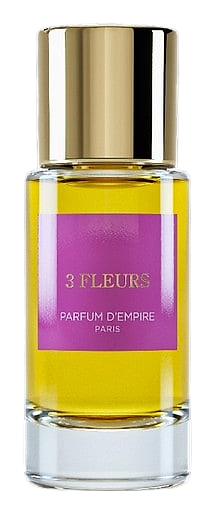
Parfum d'Empire is a French niche perfume house that translates the drama of historic empires into modern fragrance narratives. Founded in 2003, the brand releases scents that reference ancient Egypt, Ottoman courts, and colonial frontiers, each built around a clear olfactory theme. The line includes Eau de Gloire Cologne (2023), Ambre Russe (2003), Cuir Ottoman (2006), Un Bel Amour D’été (2024) and other compositions that balance bold structure with refined nuance. The house positions itself as a laboratory for storytelling through scent, inviting collectors to explore chapters of world history in a bottle.
Heritage
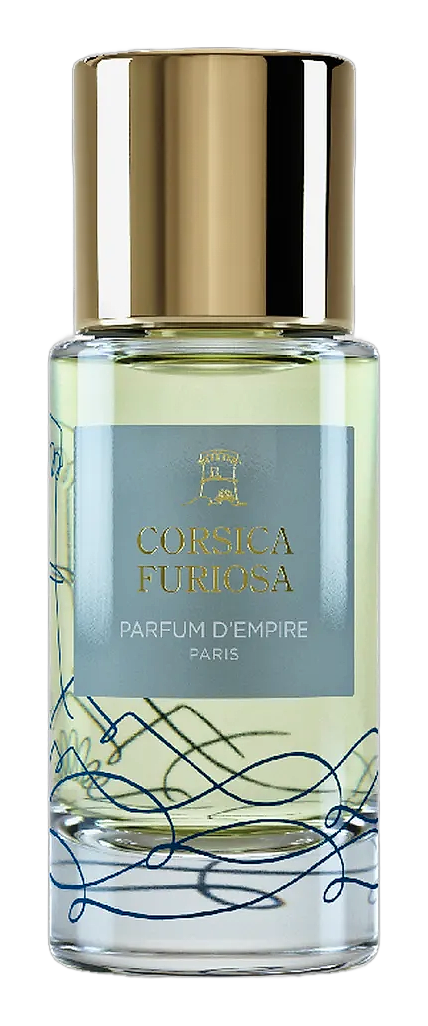
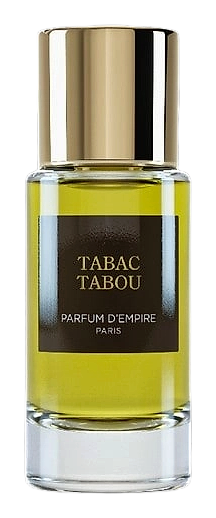
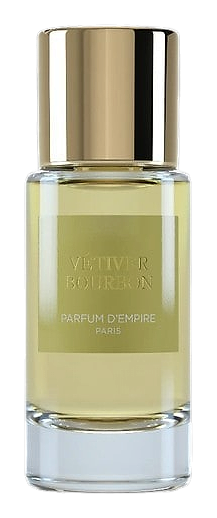
Marc‑Antoine Corticchiato launched Parfum d'Empire in 2003 after years of training in perfumery workshops across France. He wanted a platform where he could pursue a personal vision that linked fragrance to the grand narratives of past empires. The first release, Ambre Russe, arrived the same year and set a precedent for the brand’s historical focus. In 2006 the house introduced Cuir Ottoman, a leather‑rich ode to the Ottoman Empire that earned attention from niche retailers in Paris. Over the next decade the portfolio expanded with Tabac Tabou (2015), a tribute to colonial trade routes, and Corsica Furiosa (2014), which evoked the rugged spirit of the Mediterranean island. The 2020s saw a shift toward lighter, seasonal expressions such as Vetiver Bourbon (2022) and Eau de Gloire Cologne (2023), while still honoring the brand’s core concept. In 2024 Parfum d'Empire released Un Bel Amour D’été, a summer fragrance that references the romance of imperial courts. Throughout its history the house has remained independent, operating from a modest workshop in Paris and distributing through select boutique partners such as Jovoy. The brand’s evolution reflects a steady commitment to historical storytelling, a practice that has attracted a dedicated community of fragrance enthusiasts worldwide.
Craftsmanship
The production process at Parfum d'Empire blends artisanal techniques with modern quality controls. After the research phase, the perfumer drafts a formula using a palette of natural absolutes, essential oils, and select synthetics that replicate historic ingredients no longer available. The house sources raw materials from established suppliers in Grasse, Madagascar, and the Caribbean, confirming batch certificates for each shipment. Once the blend reaches the desired balance, the team conducts small‑scale stability tests in temperature‑controlled chambers, adjusting the ratio to ensure longevity without compromising the intended character. The final perfume is macerated for several weeks, a period that allows the complex layers to integrate fully. Bottling occurs in a Parisian facility that employs hand‑filling machines, reducing exposure to air and preserving aromatic integrity. Each bottle receives a hand‑applied label that includes the fragrance’s name, year, and a brief historical note. Quality assurance includes blind panel reviews by a rotating group of fragrance experts, who verify that the scent matches its conceptual brief before release. This meticulous workflow reflects the brand’s commitment to delivering a product that honors both historical accuracy and sensory excellence.
Design Language
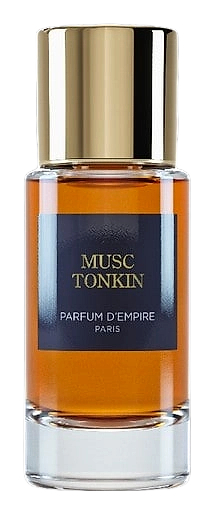
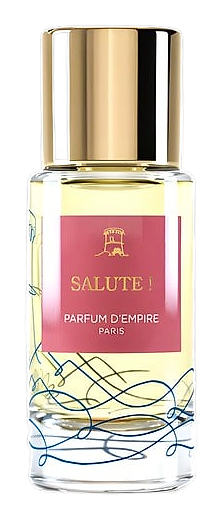
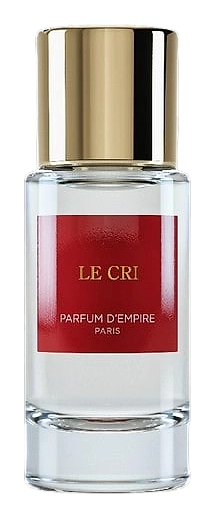
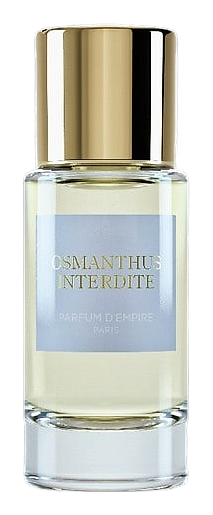
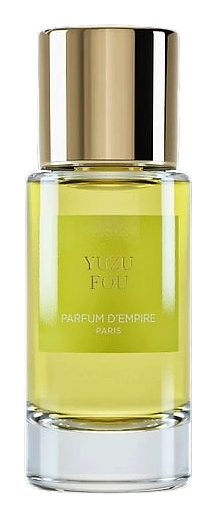
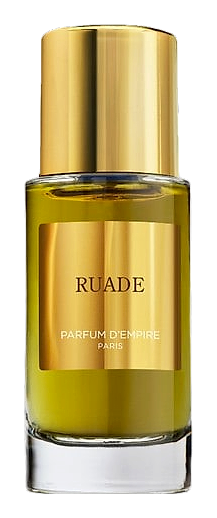
Visually, Parfum d'Empire adopts a restrained, archival aesthetic that mirrors the look of old maps and museum catalogues. Bottles feature clear glass with minimal embossing, allowing the perfume’s colour to become the focal point. Labels use a serif typeface reminiscent of 19th‑century publishing, printed on textured paper that feels like aged parchment. The brand’s logo incorporates a stylized imperial crown, subtly referencing the historical theme without overt opulence. Packaging boxes are matte black with gold foil accents, echoing the feel of a collector’s case. Promotional photography often places the bottle against backdrops of historic architecture, such as marble columns or desert ruins, reinforcing the narrative link. The overall visual language stays consistent across releases, creating a recognizable identity that appeals to connoisseurs who value both design clarity and thematic depth.
Philosophy
Parfum d'Empire treats each perfume as a chapter in a larger chronicle. The founder describes his approach as "fearless, physical, baroque," meaning that he seeks to capture the tactile and visual richness of an empire in scent form. The house values authenticity, so it researches the cultural context of each era before translating it into olfactory language. Rather than chasing trends, the brand follows a research‑first mindset, consulting historical texts, art, and architecture to inform ingredient choices. It also prioritizes transparency; the label lists key accords and notes on each bottle, allowing collectors to trace the narrative thread. Sustainability appears in the sourcing strategy, with the team favoring natural extracts that respect regional harvest practices. By grounding creativity in rigorous study, Parfum d'Empire aims to offer fragrances that feel both educational and emotionally resonant, inviting wearers to experience a moment of history on their skin.
Key Milestones
2003
Marc‑Antoine Corticchiato founds Parfum d'Empire and launches the debut fragrance Ambre Russe.
2006
Cuir Ottoman releases, expanding the brand’s focus on imperial leather accords.
2014
Corsica Furiosa debuts, marking the house’s first scent inspired by a specific geographic region.
2015
Tabac Tabou arrives, exploring the trade routes of colonial empires.
2022
Vetiver Bourbon launches, introducing a lighter, terroir‑driven composition.
2023
Eau de Gloire Cologne releases, celebrating the ceremonial aspects of empire.
At a Glance
Brand profile snapshot
Origin
France
Founded
2003
Heritage
23
Years active
Collection
1
Fragrances released
Avg Rating
4.1
Community sentiment
Release Rhythm


