Marc-Antoine Corticchiato
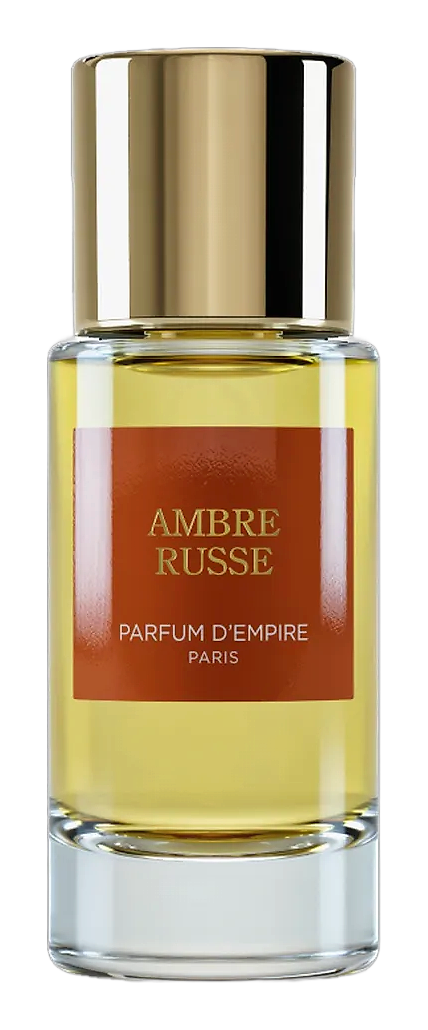
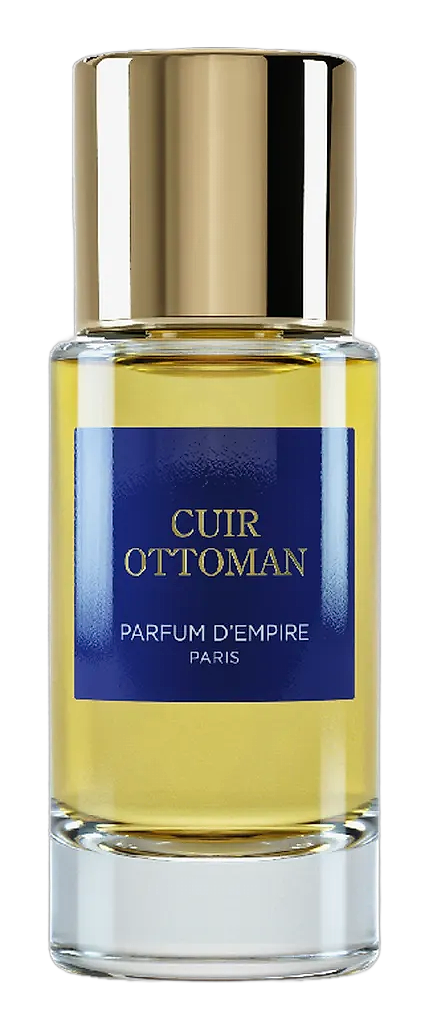
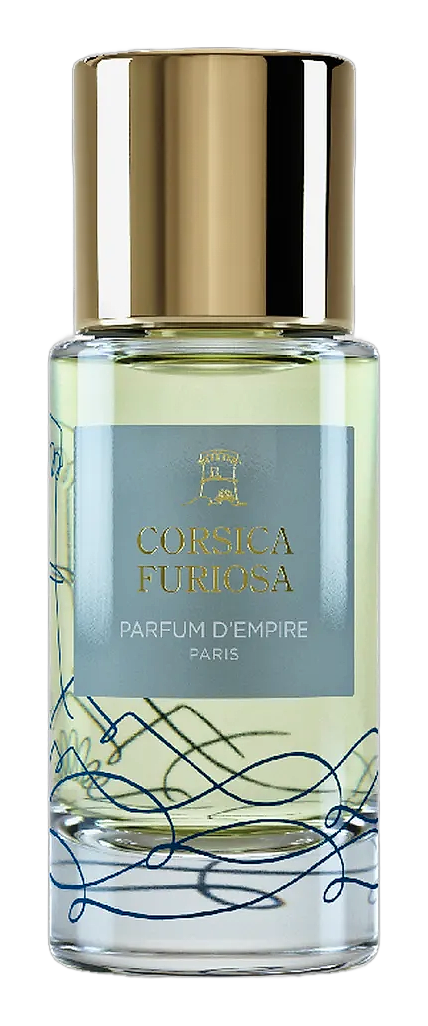
Marc‑Antoine Corticchiato grew up amid the lavender fields of southern France, where curiosity about plant chemistry sparked early experiments in his family kitchen. After earning a chemistry degree, he joined a research laboratory that specialized in extracting volatile compounds from aromatic plants. There he invented a carbon‑13 NMR method that revealed hidden scent markers, a breakthrough that earned him a Ph.D. and the respect of academic peers. In the late 1990s he moved to a Parisian perfume house, trading test tubes for creative briefs and learning the language of accords. By 2003 he launched Parfum d’Empire, a boutique line that lets him translate scientific insight into wearable art. Today he balances laboratory work, teaching at ISIPCA, and crafting fragrances that echo his analytical roots while speaking directly to the skin.
The hits
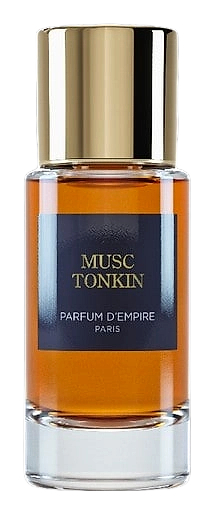
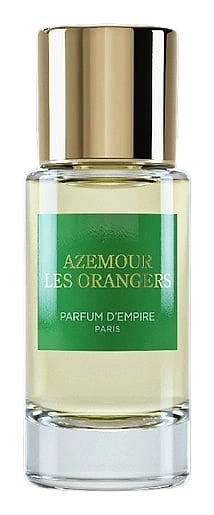
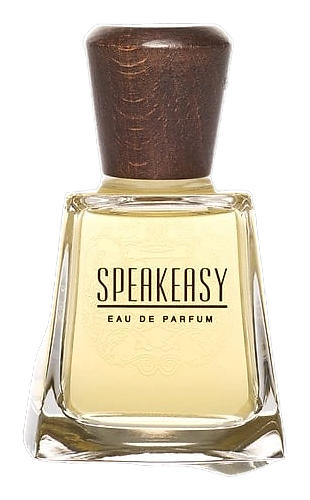
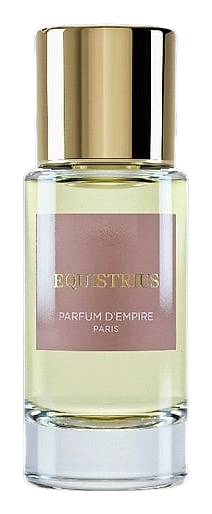
Notable creations
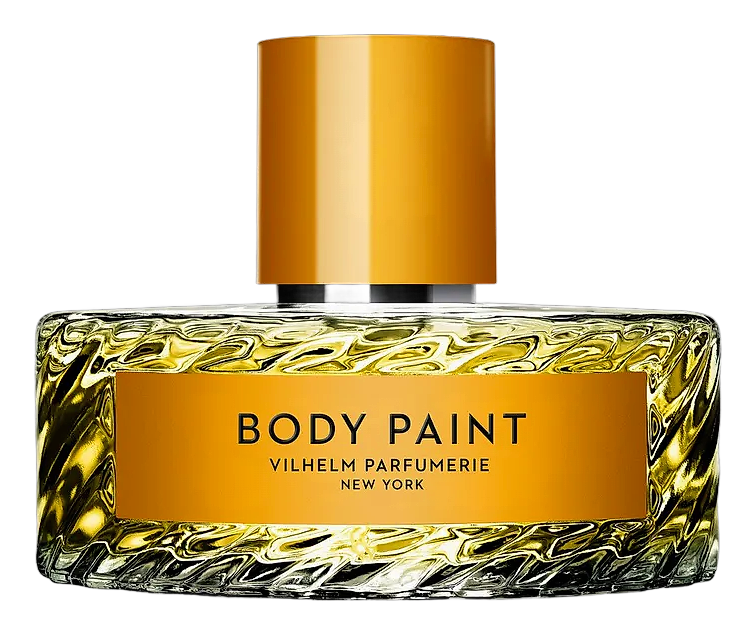
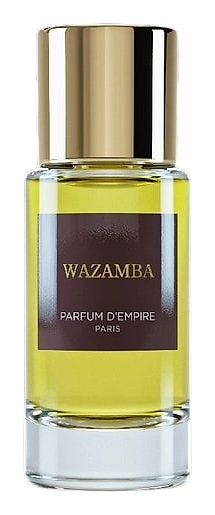
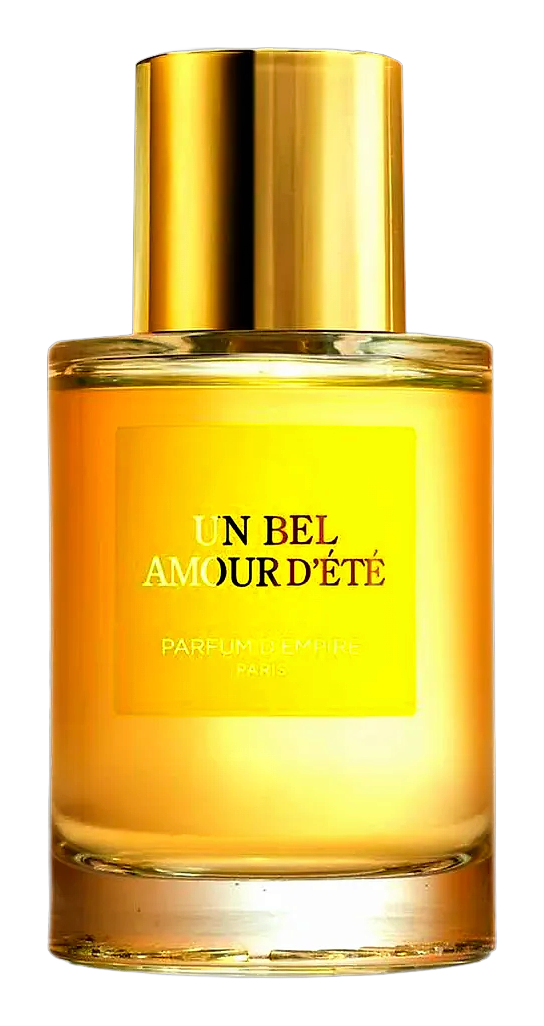
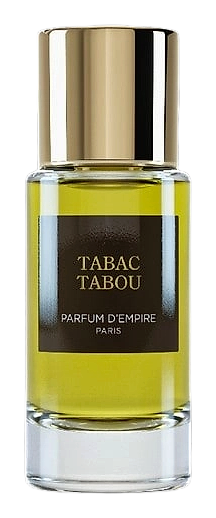
The signature
How Marc-Antoine composes
His signature technique mixes rigorous analytical methods with intuitive mixing. He starts by mapping the molecular profile of a target note using his carbon‑13 NMR protocol, then isolates the most expressive fraction. From there he builds the heart around a core of natural absolutes—jasmine, rose, or cedar—while reinforcing structure with synthetics that mimic or amplify the natural spectrum. He favors transparent accords that let the primary material breathe, and he often finishes a blend with a whisper of ambergris or a trace of lab‑crafted musk to anchor the volatility. The result feels both precise and emotive.
Philosophy
What drives Marc-Antoine
Cortical’s philosophy treats each ingredient as a data point that can be plotted, blended, and re‑read until the composition tells a clear story. He believes a perfume should reveal itself step by step, rewarding patience rather than demanding instant impact. Sustainability guides his sourcing; he prefers raw materials harvested with minimal processing so the original character remains intact. The creative spark often arrives from a single laboratory observation—a subtle shift in a chromatogram or a fleeting aroma in a field—and he follows that clue until the scent reaches a logical conclusion.
The houses
Maisons Marc-Antoine composes for
In the same league