The Story
Why it exists.
The beginning
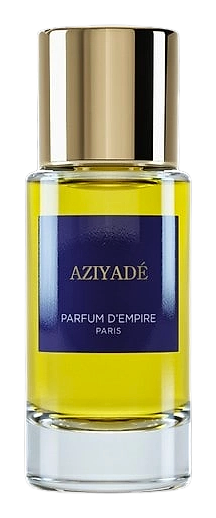
Aziyade was born from a novel. Pierre Loti wrote Aziyadé in 1876, a half-autobiographic diary about his love for a young woman from an Ottoman harem in Istanbul. The story follows forbidden passion, colonial longing, and the particular ache of wanting something you cannot keep. Marc-Antoine Corticchiato translated that narrative into scent: love as intoxication, as excess, as pure extasy. The 2008 release captures an empire in twilight, its opulence, its sensuality, its awareness that everything beautiful eventually fades. What Corticchiato reached for was the feeling of that harem doorway: golden light, incense smoke, the moment before everything changes.
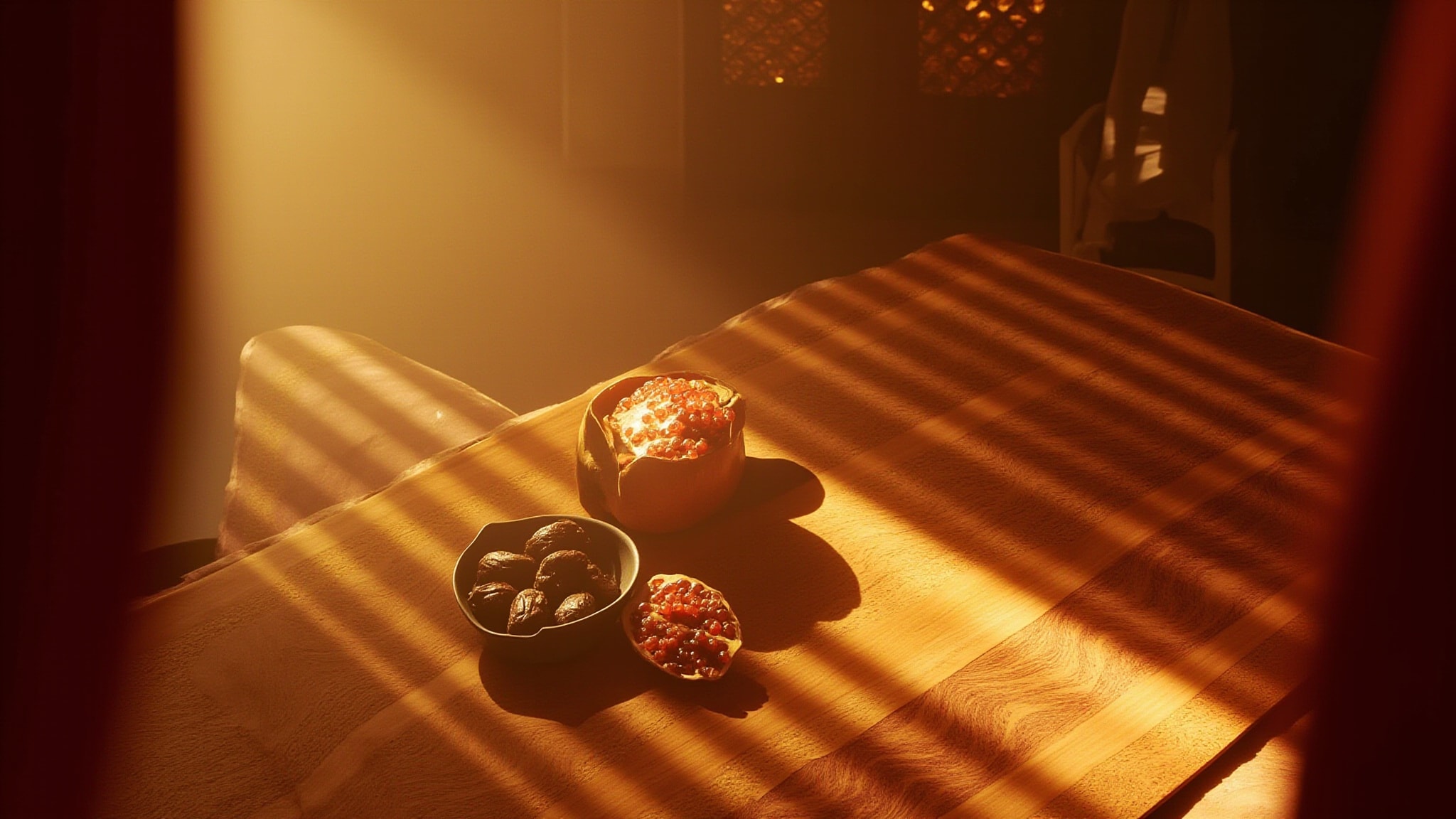
The structure here is a slow transformation. Bright fruit opens the composition, pomegranate, plum, crystallized dates, giving the fragrance an almost edible quality. Then the spice accord arrives: cardamom, cinnamon, ginger, caraway. Not hot in the traditional sense. More like warmth that builds beneath the skin. The genius is in the base. Incense and labdanum arrive with a waxy, resinous weight that shifts the sweetness into something more complex. Tobacco anchors the drydown alongside vanilla and patchouli, preventing the whole thing from tipping into pure gourmand territory. The Tonkin musk provides animalic depth that lingers long after the other notes have settled.
The evolution
The opening is immediate and magnetic. Pomegranate hits first, bright, jammy, with a green-tart edge that makes it distinctive rather than generic. The dates and plum arrive moments later, sweetening the picture without becoming a fruit salad. Orange peel and almond add bitter and nutty dimensions. Then the spices begin their slow takeover. Cardamom, cinnamon, ginger, cool at first, then warming as they spread across the skin. The incense appears around the thirty-minute mark, waxy and resinous, as labdanum's balsamic sweetness cuts through the heat. By the second hour, the drydown has fully arrived. Incense and tobacco dominate now. Vanilla and patchouli add warmth and slight bitterness. The pomegranate is gone. The spice has softened. What remains is dark, warm, and intimate. The longevity is exceptional, eight to ten hours on most skin. The sillage starts moderate-to-strong, then settles to something more personal within the first hour. On fabric, patchouli and vanilla persist until the next morning.
Cultural impact
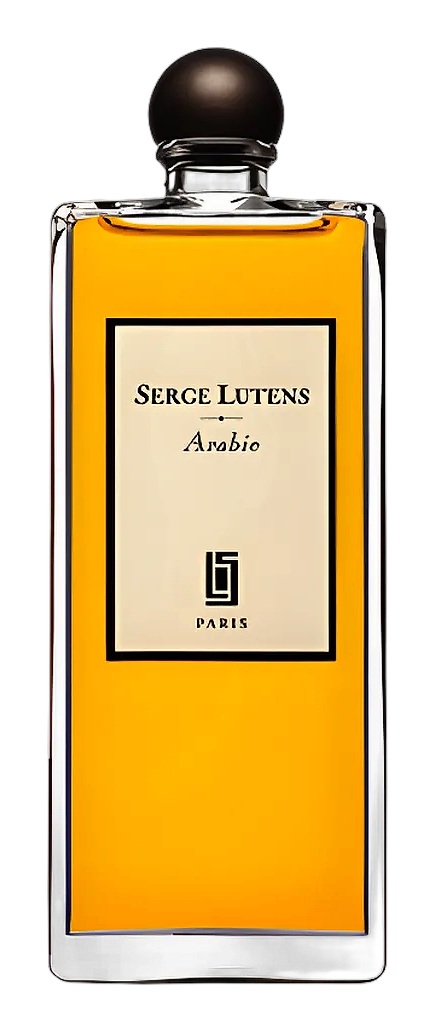
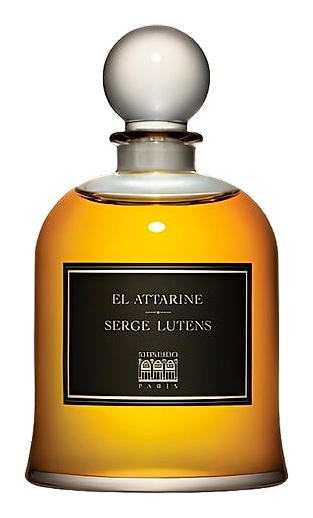
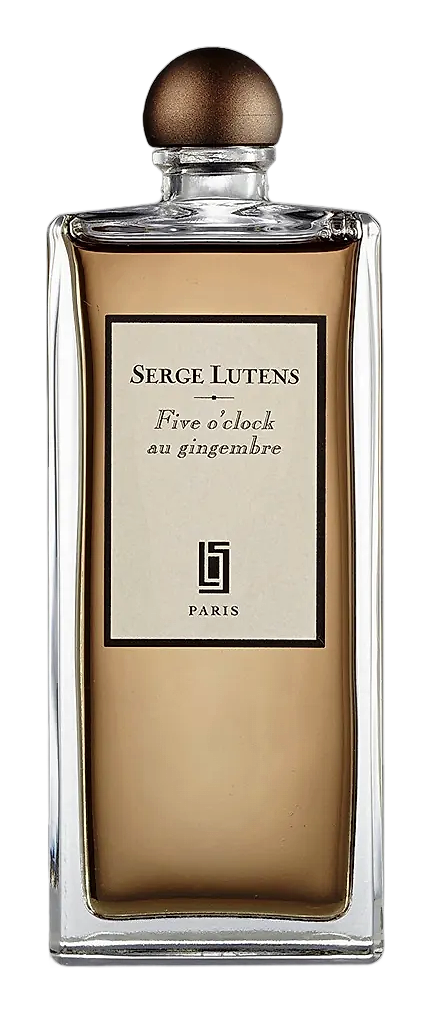
Aziyade remains one of Parfum d'Empire's most celebrated releases, particularly among niche fragrance enthusiasts who appreciate its distinctive character and strong longevity. It has earned a dedicated following among those drawn to oriental compositions with fruit and spice complexity. The scent draws comparisons to Serge Lutens' Arabie and El Attarine, though Aziyade occupies its own space in the oriental-fruity niche.