The Story
Why it exists.
The beginning
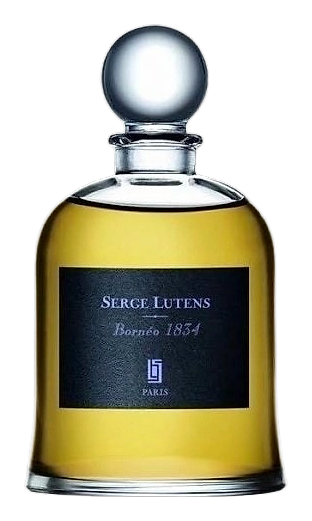
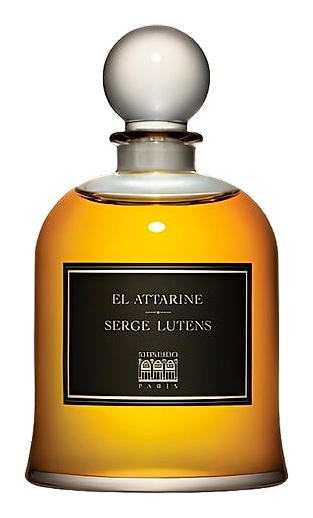
El Attarine takes its name from attarin, the Arabic word for sweet-smelling, and from the Attarin Medersa, one of Morocco's most beautiful Koranic schools in Fez. The connection runs deeper than etymology. Serge Lutens has long described attarin as a state where fragrance, flavor, heart, and essence blur together without distinction, and it was this blurring he wanted to capture. Launched in 2008 as an ultra-exclusive edition, only 30 bottles were ever produced. They were available only at the Salons Shiseido du Palais Royal in Paris, presented in black lacquered boxes with entwined ornaments. The previous edition in this series was Sarrasins. Both names point in the same direction: the Arab world, the spice routes, Morocco. El Attarine was Lutens' attempt to translate everything scented into a single solar essence, dedicated to his perfume history and to a place that had shaped his visual and sensory language for decades.
The cumin and immortelle combination is the structural spine here, and it's unusual. Cumin tends to appear as a supporting player in masculine fragrances, a whisper of warmth. Here it opens the composition at full volume, raw and slightly feral, then stays threaded through the heart rather than dissipating. Immortelle, also called the everlasting flower, brings an herbal, hay-like quality that resists the usual sweetness of honey notes. Where most honey accords smell edible, almost gourmand, El Attarine's honey reads as dried flowers and warm air. The two materials create tension rather than comfort: the cumin doesn't soften, the honey doesn't sweeten.
The evolution
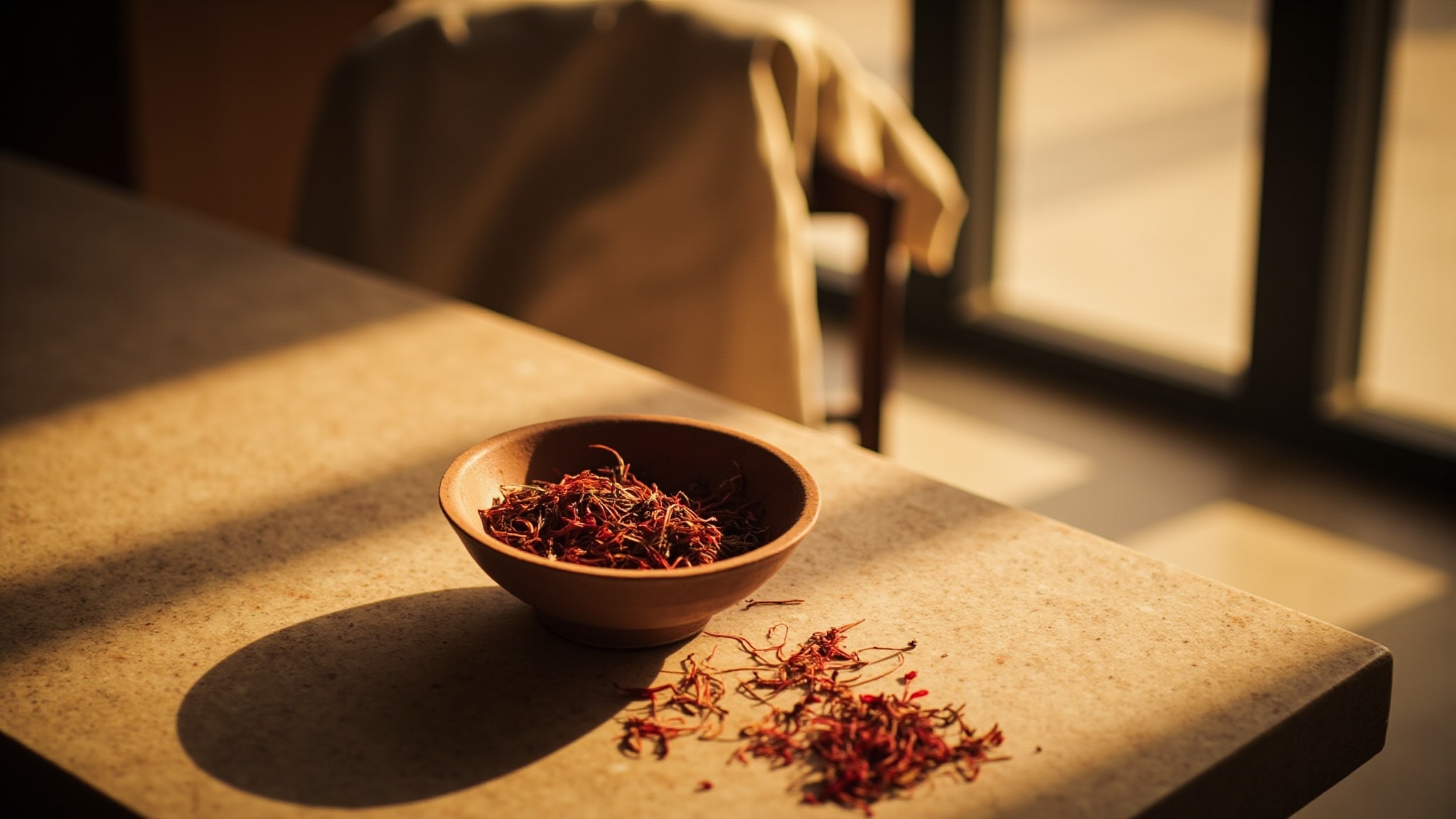
The opening doesn't ease in. Cumin arrives sharp and immediate, confrontational in a way that can feel like a wall rather than a welcome. Saffron and spices follow, dry and slightly metallic, like standing in direct sunlight on stone. For the first thirty minutes, this is a demanding fragrance. Then the immortelle arrives. The shift isn't dramatic, it's quiet, almost apologetic. The cumin doesn't disappear but it softens, becomes less about the note itself and more about the texture it adds. Immortelle brings warmth without sweetness, an herbal quality that reads as hay, dried flowers, something left in the sun too long. The honey surfaces slowly, not sticky or edible but dry, warm, present. It doesn't sweeten the composition so much as deepen it. By hour four, the woody base has settled and the fragrance becomes something close and intimate, honey and wood and a whisper of what came before. The sillage was never room-filling; this was always a skin scent. But it lasts. Six to eight hours on most, occasionally longer on fabric.
Cultural impact
El Attarine was never meant to be widely worn. Released in 2008 as an ultra-exclusive edition of just 30 bottles at the Palais Royal salon in Paris, it disappeared almost immediately, and has since been discontinued. That scarcity, combined with the confrontational cumin opening, made it a cult object within the fragrance community. For those who wore it, it became something close to a signature: a scent that communicated something specific rather than something pleasant. Among fragrance people, it's remembered as one of Lutens' more challenging compositions, polarizing in exactly the way that marks a fragrance as serious rather than safe.