The Story
Why it exists.
The beginning
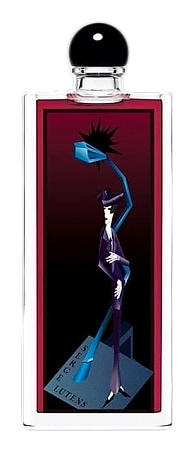
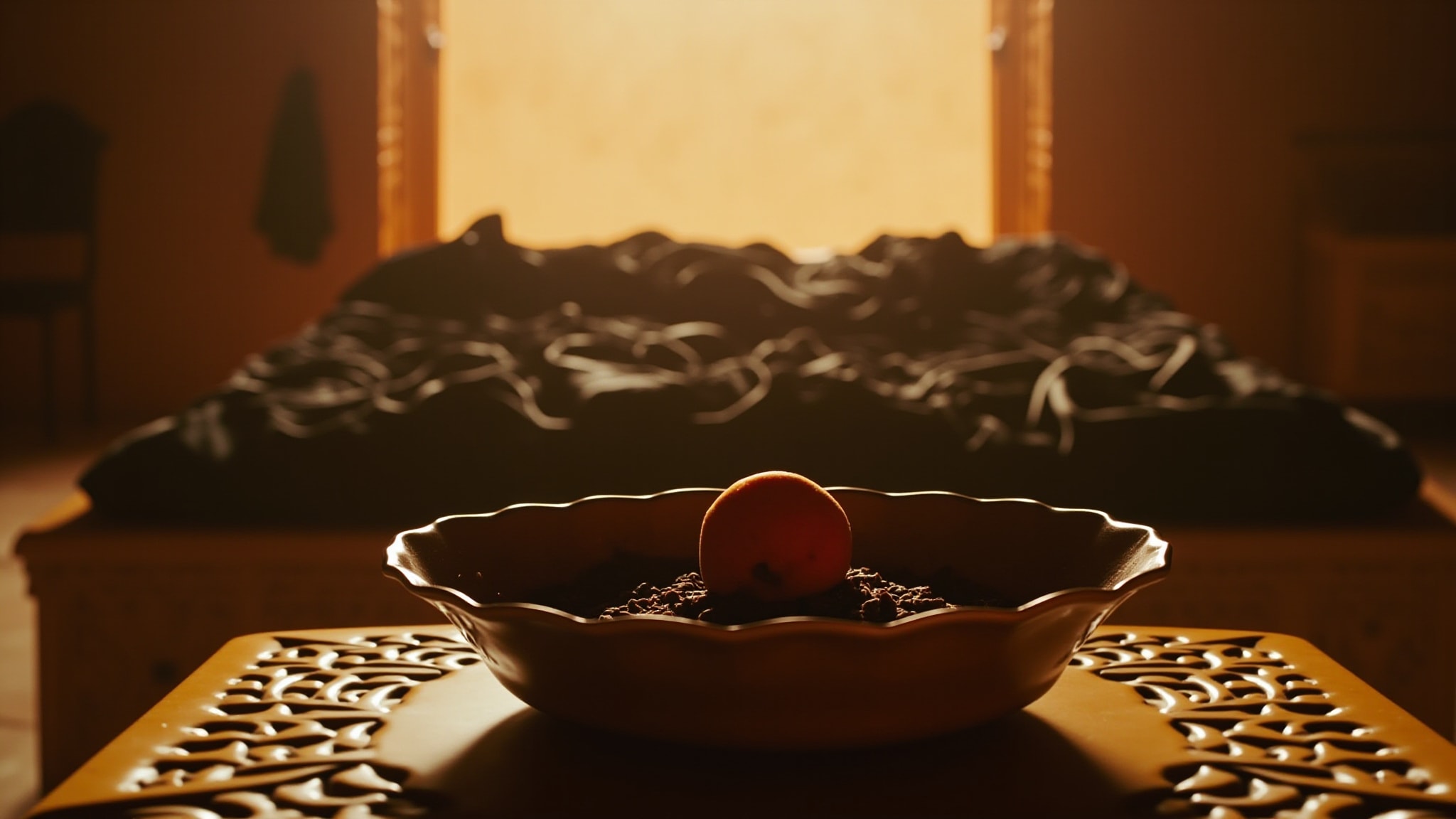
The Datura flower carries a history that stops people from picking it. Across cultures, Aztec, Indian, European, the plant served as a hallucinogen, a poison, a tool for divination. It was linked to death, madness, sorcery. Yet the flowers themselves, white and trumpet-shaped, open at dusk and release a scent so hypnotic it made the risk worth forgetting. Datura Noir translates that duality into liquid form. Perfumer Christopher Sheldrake created the fragrance in 2001, building it around the flower's tropical sweetness but threading it with something darker underneath, a bitter edge of almond, a bruised-fruit quality from apricot, and a faintly animalic myrrh that suggests the skank of the earth rather than the safety of garden florals. The result is a fragrance that smells like approaching a night-blooming flower you were warned not to touch.
What makes Datura Noir unusual is its refusal to resolve the tension between edible and dangerous. The coconut and heliotrope create a creamy, almost thick sweetness, the kind that makes you think of dessert. Then the bitter almond cuts through. The apricot adds a bruised, slightly fermented undertone. And beneath it all, the myrrh introduces a skanky, animalic whisper that hints at rot beneath the beauty. This is not a polite white floral. The tuberose and osmanthus are heady and almost numbing in their sweetness. The vanilla and tonka bean in the base provide warmth but not comfort, they are warmth without shelter, the warmth of a decision you cannot take back.
The evolution
The opening hits fast, coconut and tuberose arriving together in a warm, almost aggressive wave. There is no subtlety here. The white florals announce themselves immediately, and the coconut adds a creamy, edible quality that pulls you in. Within 15 minutes, the heliotrope and osmanthus arrive, shifting the composition from tropical to powdery-sweet. The almond bitterness becomes more apparent as the sweetness intensifies, it is the bitterness at the base of marzipan, the nuttiness beneath a dessert that is trying to hide how much it wants to harm you. The contrast is what makes this stage so compelling: floral sweetness and bitter nut, tropical cream and medicinal undertone, all arriving at the same time. After an hour, the florals begin to recede and the drydown settles in. The vanilla and tonka bean wrap around what remains of the white florals, creating a warm, slightly powdery cloud that clings close to the skin. The myrrh persists longest, a faint animalic whisper that keeps the fragrance from becoming merely sweet.
Cultural impact
Datura Noir occupies a specific corner of niche fragrance culture: the white floral that refuses to behave. Where most tuberose fragrances lean toward tropical garden glamour, Datura Noir adds nuttiness, bitterness, and a faint animalic undertone that divides opinion but creates converts. The fragrance has maintained a devoted following since 2001 without ever becoming a mainstream bestseller, a status that suits both the scent and its wearers. It is the fragrance someone reaches for when they have moved past safe choices and want something that makes a statement without trying.