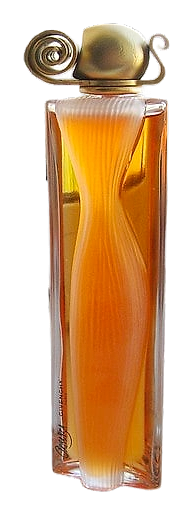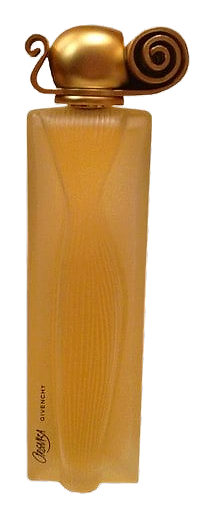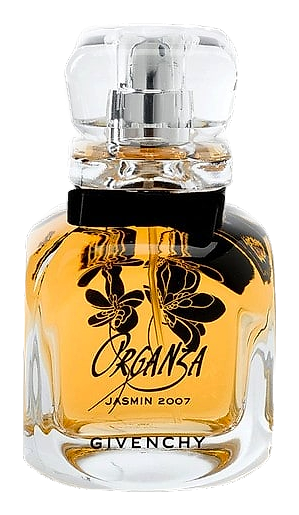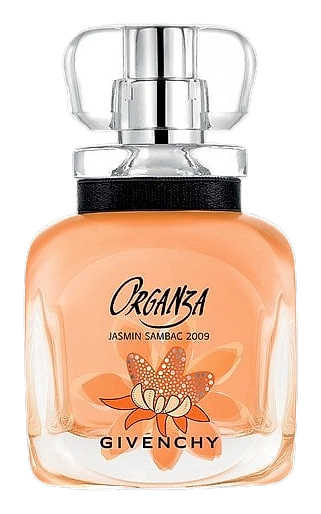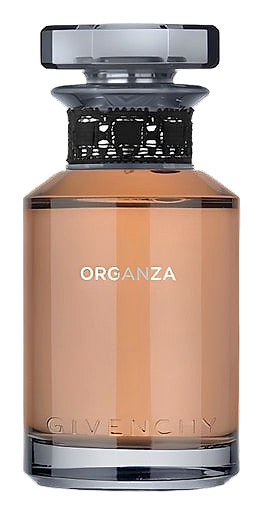
The Story
Why it exists.
The beginning
In 1996, Sophie Labbé was tasked with translating Givenchy's aristocratic sensibility into a new kind of statement. The name Organza came first, that sheer, structured fabric with a quiet authority. The idea was to capture something wearable yet undeniably sensual: a fragrance that felt like it belonged to someone who understood elegance deeply enough to bend the rules. Labbé built upward from green, spice-tinged opening notes toward a heart of opulent white flowers, then anchored everything in vanilla warmth. The result was a feminine fragrance that refused to be merely pretty.
What makes Organza's structure unusual is the contrast between its opening and its base. The nutmeg, mace, and green notes in the top create a freshness that feels almost sharp, a counterpoint to the lush gardenia and tuberose that follow. The walnut note, rarely used, adds a bitter, slightly woody nuance that prevents the florals from becoming cloying. This is the real craft of the composition: the white florals are opulent, but they're held in check by spice and grounded by a vanilla-amber base that keeps everything warm and intimate rather than overwhelming. It's the tension between cool opening and warm finish that makes Organza last.
The evolution
The opening arrives quickly: bergamot and green notes lift the gardenia into something bright and immediate. The nutmeg is the first surprise, a warm spice that cuts through the freshness, giving the top notes an almost aromatic quality. Within minutes, the gardenia blooms fully, joined by tuberose and jasmine in a lush, creamy heart. The honeysuckle adds sweetness, but the mace and iris keep it from becoming saccharine. By the second hour, the florals begin to soften as the vanilla and amber emerge from the base, wrapping the composition in warmth. The drydown is where Organza earns its reputation: guaiac wood and cedarwood settle close to the skin, but the vanilla keeps the whole thing glowing. On most skin types, this lasts 4-6 hours with moderate sillage, present without overwhelming, intimate without trying.
Cultural impact
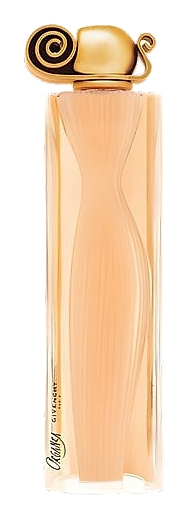
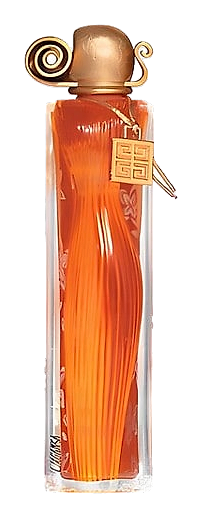
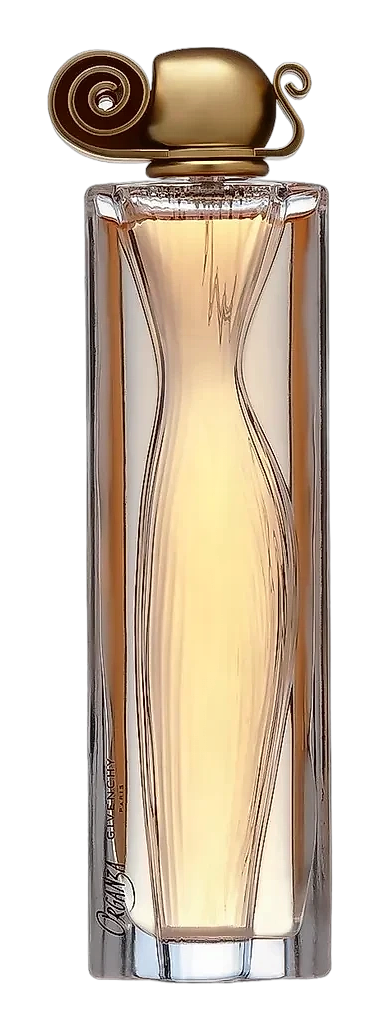
Organza arrived in 1996 as part of Givenchy's effort to build a feminine fragrance portfolio that could stand alongside its couture legacy. The combination of opulent white florals with vanilla warmth positioned it as an evening fragrance, the kind you'd wear when you wanted to be noticed. Its reception among wearers has been consistently positive: elegant, sensual, and distinctive enough to warrant its iconic bottle design. While reformulated versions have drawn some criticism, the original composition remains a reference point for those who appreciate classic oriental florals.