Honeysuckle
Honeysuckle brings sun-warmed nostalgia to the garden, but the flower's volatile chemistry resists extraction. Perfumers work with recreated molecules to capture its honeyed sweetness, making it one of perfumery's most fascinating natural impossibilities.
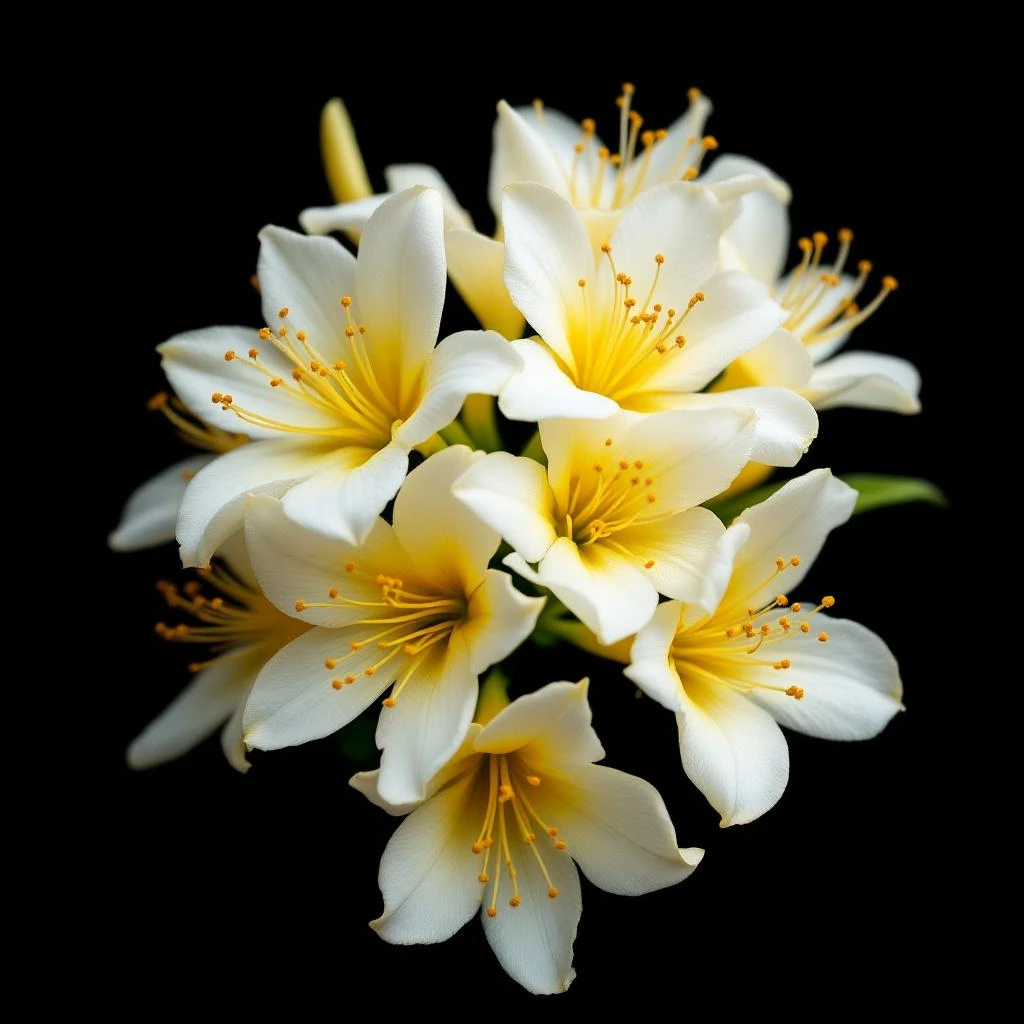
Character
How it smells
Summer captured in a blossom that refuses to yield.
Honeysuckle produces such minimal aromatic compounds that no commercial essential oil exists. Every honeysuckle note in perfume is a chemist's recreation of the flower's scent.









Origin
France
Honeysuckle has occupied gardens across Asia, Europe, and North America for centuries, valued for its climbing beauty and intoxicating evening fragrance. Traditional Chinese medicine utilized Lonicera japonica for its purported cooling and detoxifying properties, establishing China as the primary cultivator for medicinal applications.
In European perfumery, Lonicera caprifolium and Lonicera gigantea attracted attention in southern France, where small-scale extraction experiments occurred in the 19th and early 20th centuries. These historical attempts produced only trace quantities of absolute, insufficient for commercial香水 development.
The flower's cultural significance runs deep—writers and poets referenced its evening perfume as shorthand for memory, longing, and fleeting summer nights. Despite centuries of human engagement with the plant, perfumery never successfully commercialized natural extraction, leaving the honeysuckle note perpetually in the realm of artistic reconstruction.
Wears it best
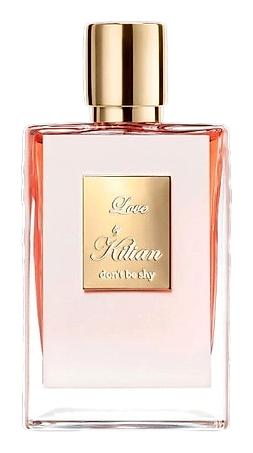
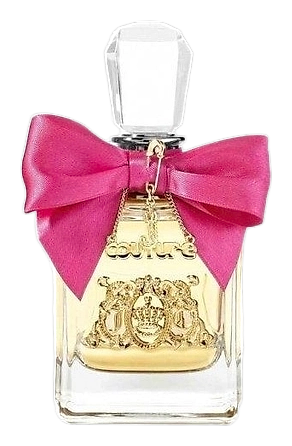
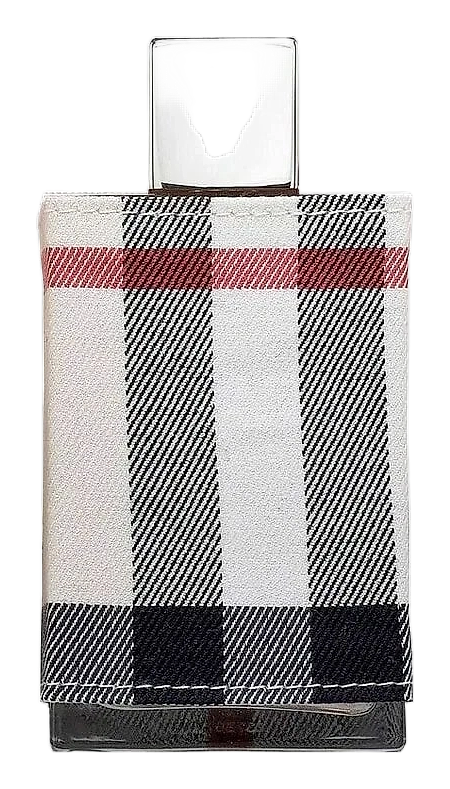
Fragrances featuring Honeysuckle



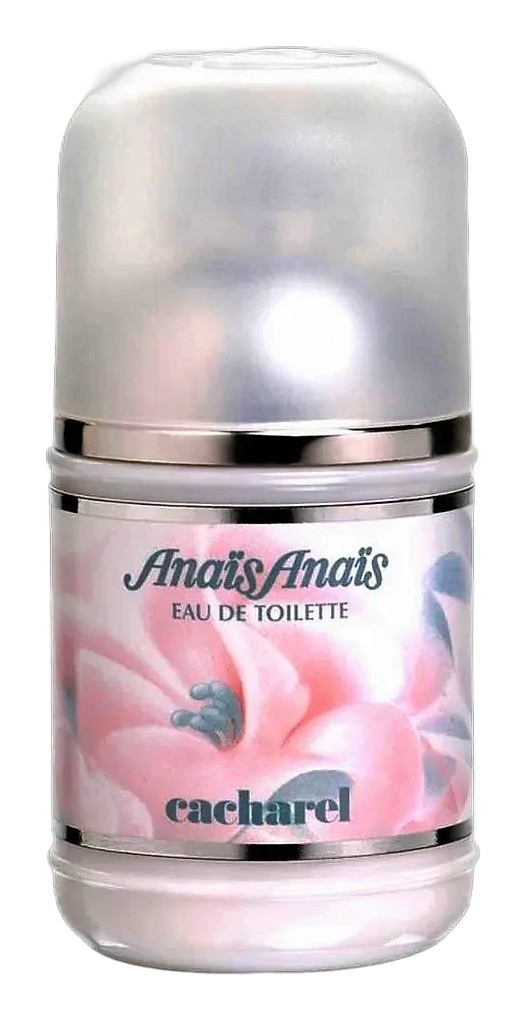

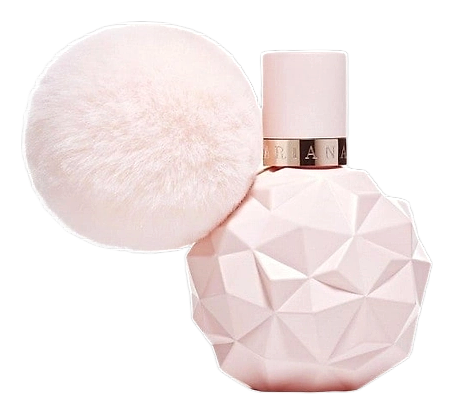
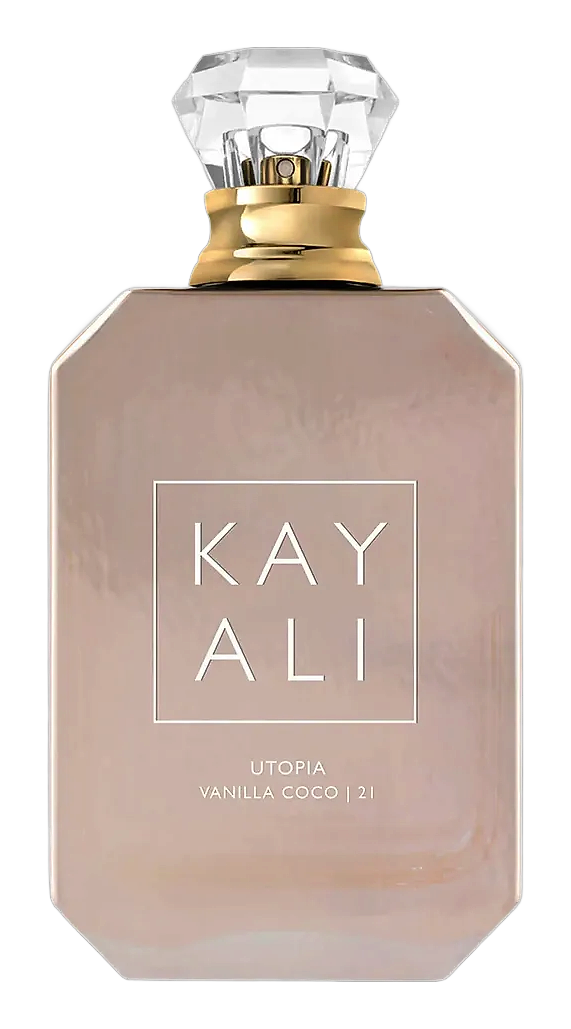
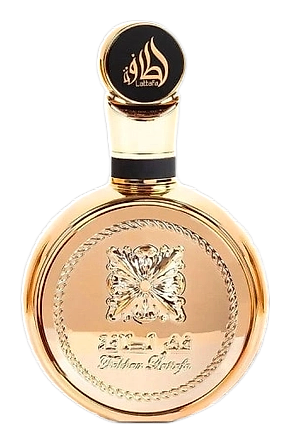
Brands
Brands known for Honeysuckle
Good to know
Questions, answered
The essentials on Honeysuckle in perfumery: how it smells, where it comes from, and how it behaves on skin.
Is natural honeysuckle absolute available in perfumery?
No commercial natural honeysuckle absolute exists. The flower's chemistry resists extraction, and production economics make it impractical. Perfumers use synthetic molecular recreations to achieve the honeysuckle character.
Why does honeysuckle resist steam distillation?
The flower's volatile compounds are heat-sensitive and degrade during steam distillation. Extraction attempts yield essentially nothing usable, which is why no commercial essential oil exists.
How do perfumers recreate honeysuckle in fragrances?
Perfumers combine materials like Lyral, Helional, and indole with honeyed and green notes to mirror honeysuckle's sunny, nectarous character. These recreations capture the original's sweet floral warmth.
What does honeysuckle smell like in nature?
Fresh honeysuckle offers intensely sweet honey notes layered with sunny, creamy florals. Evening blooms release a more intoxicating, slightly vanillic fragrance that perfumes the surrounding air.
Which honeysuckle species matter for perfumery?
Lonicera caprifolium and Lonicera gigantea received historical attention in European perfumery. Lonicera japonica dominates traditional Chinese medicine. All species present the same extraction challenges.
What gives honeysuckle its distinctive sweetness?
Honeysuckle's sweetness comes from honeyed volatiles and creamy floral molecules, balanced by green indolic notes. This combination creates the nostalgic summer character the scent evokes.
Where does honeysuckle grow best?
Honeysuckle thrives across temperate regions worldwide. China leads cultivation for traditional uses. Southern France historically hosted small-scale extraction attempts.
Does any luxury fragrance use natural honeysuckle?
Authentic natural honeysuckle absolute appears rarely, if ever, in commercial fragrances. Even niche and luxury houses typically rely on high-quality synthetic recreations for the honeysuckle note.


