The Story
Why it exists.
The beginning
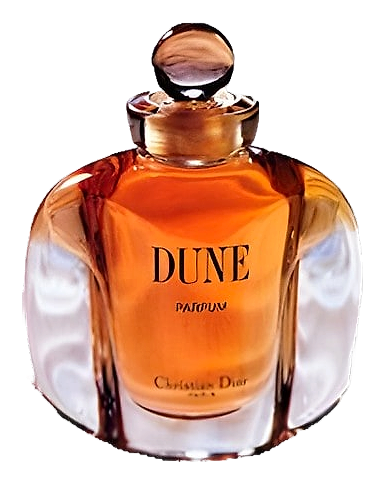
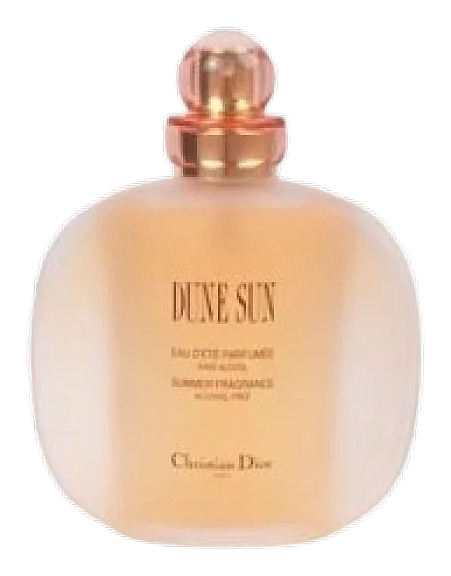
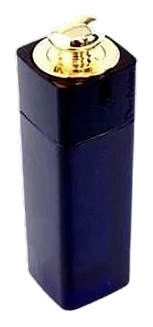
Dior released Dune in 1991, a period dominated by aquatic fragrances seeking to capture oceanic freshness. Three perfumers took the creative brief: Jean-Louis Sieuzac, Nejla Barbir, and Dominique Ropion. Rather than follow the aquatic trend, they crafted something that referenced the grand tradition of French perfumery while introducing contemporary sensibility. The collaboration brought together Sieuzac's classical training with fresh perspectives, resulting in a fragrance that honored Dior's heritage while standing apart from market expectations.
Dune's note structure reflects a philosophy of contrast and balance. The bright, sparkling opening exists to introduce the lush floral heart, which exists to support the warm, intimate base. Each layer performs a specific function in a narrative that rewards wearers who apply generously and wait patiently. The aldehydes serve not as a nod to vintage perfumery alone but as a bridge between eras, connecting classical elegance with modern sensibilities. The white floral heart represents abundance and sensuality, while the base notes ground that abundance in something lasting and personal.
The evolution
The fragrance begins with aldehydes opening like a door to an elegant salon, immediately followed by bright citrus from mandarin orange and bergamot. Rosewood adds a spicy counterpoint that prevents the aldehydes from becoming too soapy. As the top notes fade, ylang-ylang emerges with its characteristic creamy sweetness, joined by jasmine's sensual depth and lily's clean floralcy. Rose weaves through the heart, providing romantic continuity. The drydown takes over gradually, with sandalwood and ambergris creating a warm, slightly salty foundation that references the fragrance's desert namesake. Benzoin and vanilla add comfort while oakmoss and patchouli ground everything in earthiness that keeps the composition from becoming purely delicate.
Cultural impact
Dune won a FiFi award in 1993. In the early nineties, when aquatic fragrances dominated the market, this Dior entry stood apart. The aldehydic opening gave the top notes a waxy, almost metallic shimmer that set it apart from the typical marine constructions of the period. Peony and florals arrived in layers, creating warmth rather than sweetness. The fragrance developed a reputation as something worn by people who appreciated its particular balance of light and depth, its ability to suggest warmth without heaviness.