The Story
Why it exists.
The beginning
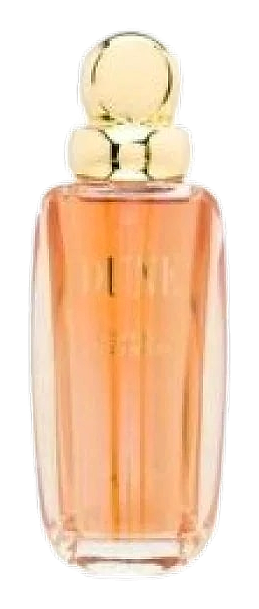
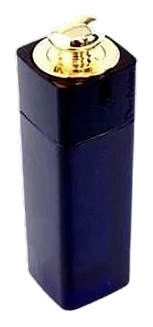
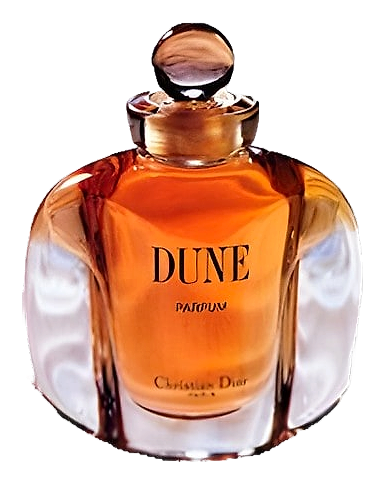
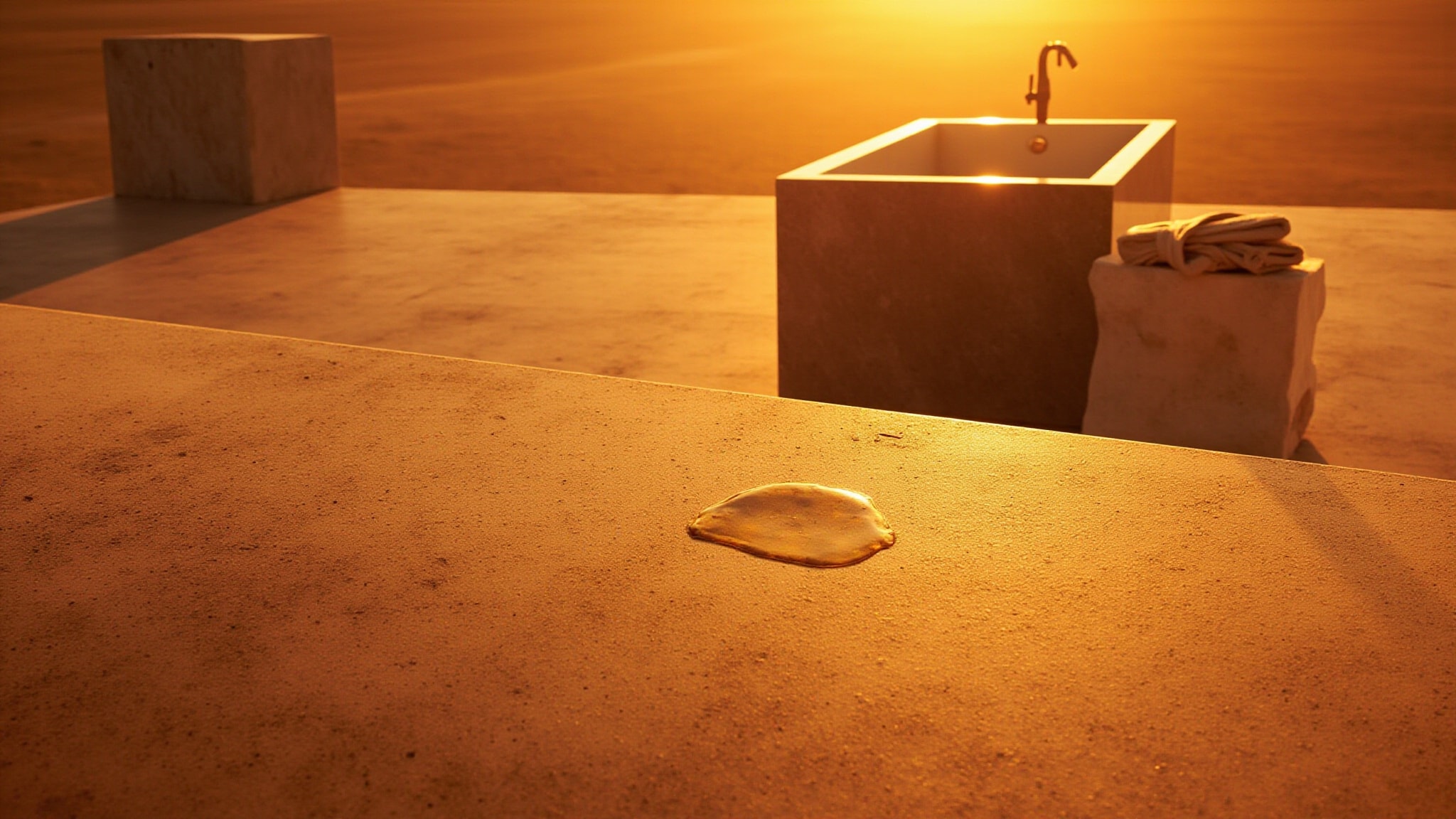
Dior released Dune Parfum in 1991. The perfumers, Jean-Louis Sieuzac, Nejla Barbir, and Dominique Ropion, worked with a clear vision. They set out to create something that would stand apart from typical floral compositions. The result is a fragrance that speaks of open spaces and natural warmth, with a sense of scale that feels both expansive and intimate. The name reflects this ambition, evoking the gentle curves and golden light of a desert landscape.
What makes the composition work is the aldehydic bridge, a shimmering, almost metallic quality that opens the fragrance like light hitting a crested wave. Brazilian rosewood and bergamot warm this initial aldehydic presence immediately, preventing any clinical edge. The peony adds a powdery softness that reads as almost nostalgic. By the time the heart arrives, rose, jasmine, ylang-ylang, and a wallflower note that gives a certain vintage character, the fragrance has already established its own distinctive territory.
The evolution
The opening is aldehydic and assertive, that metallic shimmer arrives immediately and announces itself without apology. Peony, rose, jasmine, and ylang-ylang follow, arriving in stages rather than all at once. By the time the drydown settles, patchouli and benzoin take over, creating a warm, earthy base that outlasts everything else. The sillage starts strong, eases into something closer as hours pass, and remains noticeable throughout. It's not a fragrance that disappears.
Cultural impact
Discontinued but not forgotten. Dune Parfum has maintained a devoted following precisely because it refuses to be background noise. It's the kind of fragrance that someone either immediately loves or needs time to grow into. Its aldehydic warmth creates an unmistakable signature that lingers in memory long after application.