Wallflower
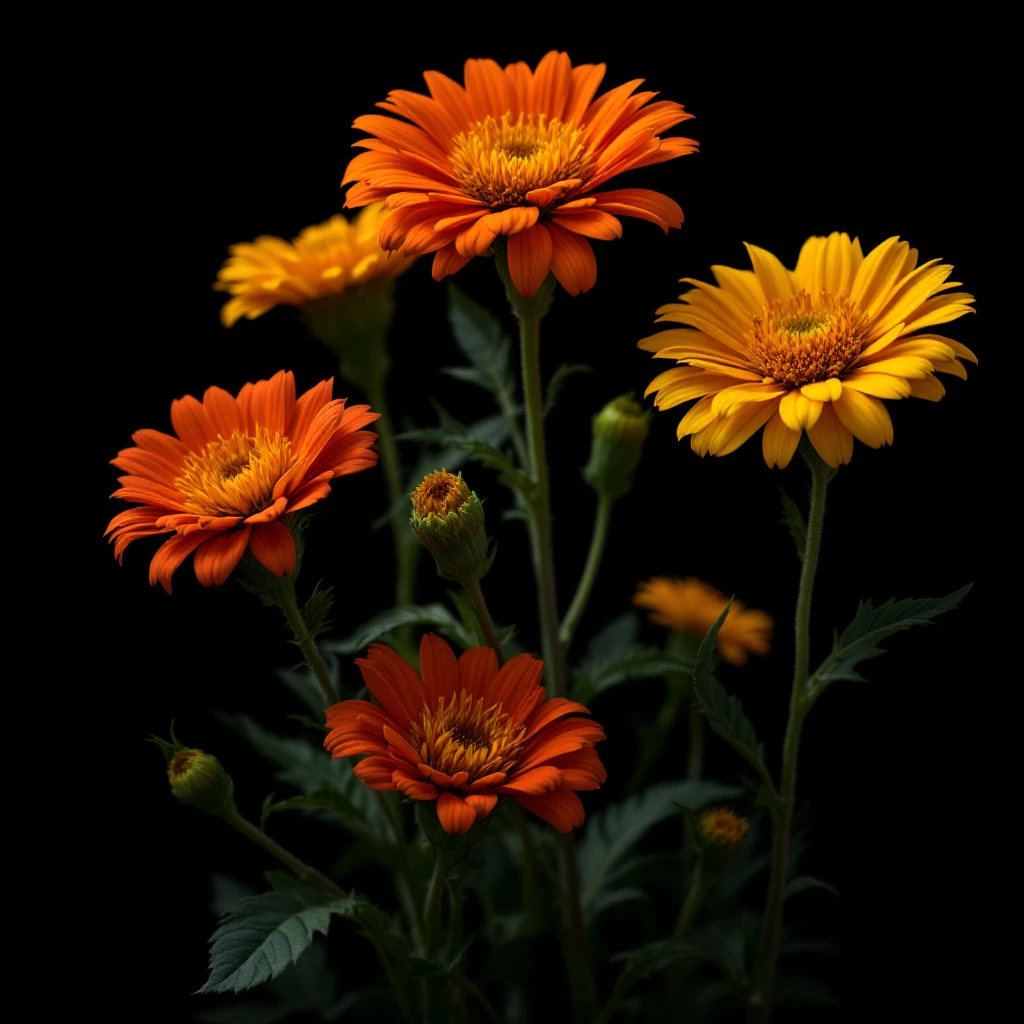
Wallflower absolute carries a honeyed sweetness threaded with green freshness and warm spice. This old-fashioned garden bloom lends unexpected depth to floral and oriental compositions, bridging past and present in the perfume world.
Character
How it smells
A garden bloom reborn in the laboratory
Wallflower contains the same compound (phenylacetaldehyde) found in honey, explaining its characteristic sweet warmth.







Origin
Mediterranean
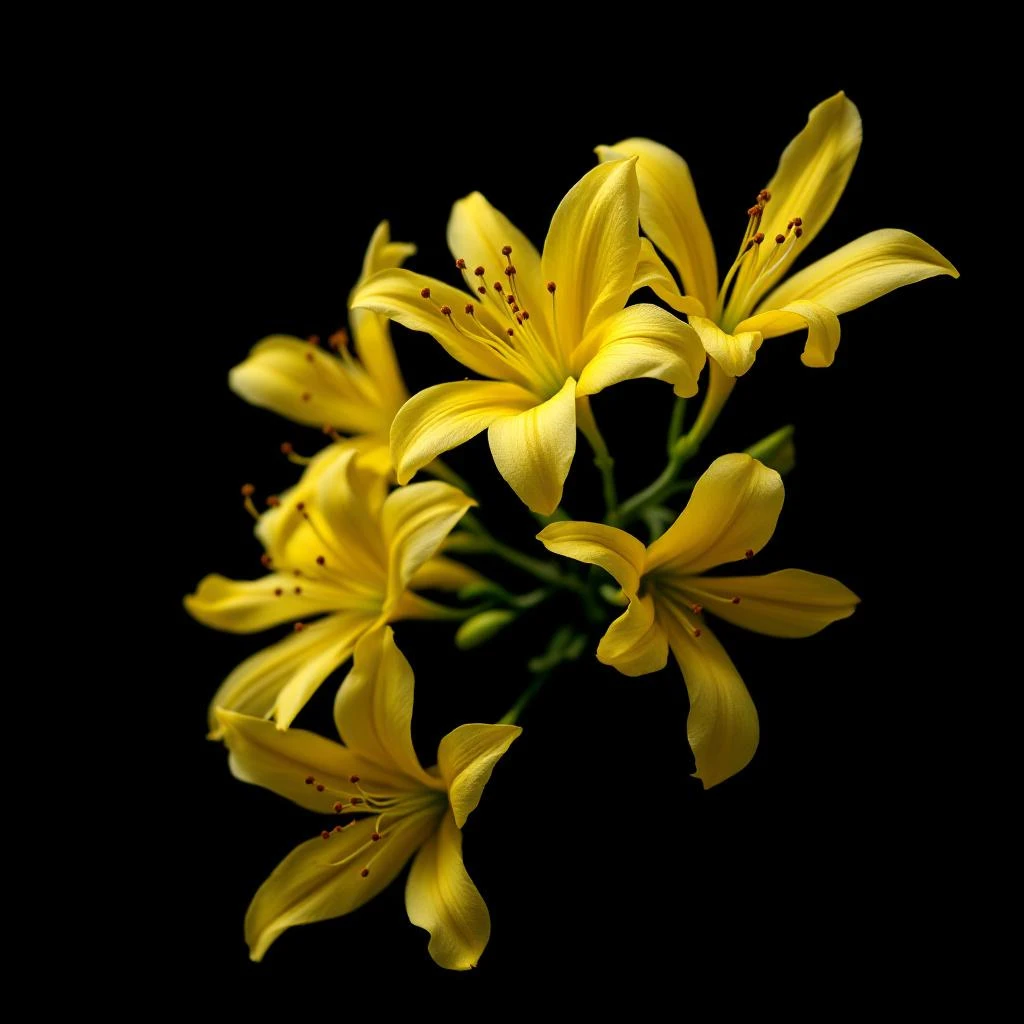
Wallflower, scientifically known as Erysimum cheiri, has decorated European gardens since at least the 1500s, when monks cultivated it in monastery grounds for its uplifting fragrance. The plant earned its common name from its natural habitat of growing on old stone walls and rocky crevices. During the Victorian era, wallflowers featured prominently in tussie-mussies and nosegays carried to mask street odors.
Though never a commercial perfumery staple, fragrance houses have occasionally incorporated its absolute for its distinctive honeyed-floral character. The plant originated in the Mediterranean basin before spreading across Europe through herbalists and garden enthusiasts, carrying both its botanical heritage and aromatic legacy forward into modern perfumery.
Wears it best
Fragrances featuring Wallflower
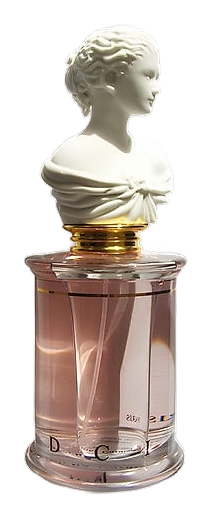
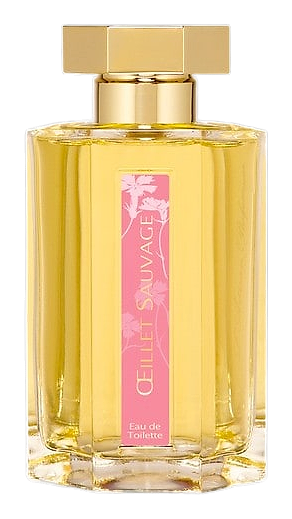
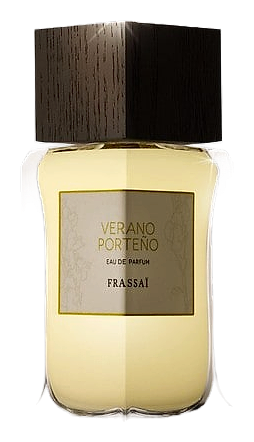
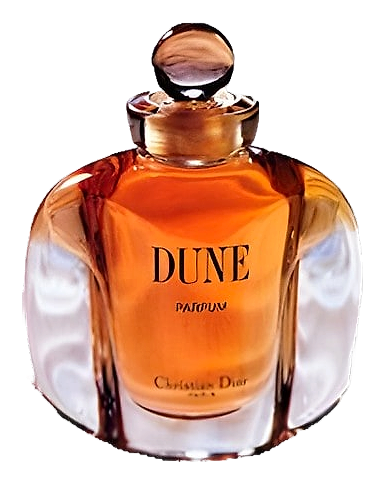
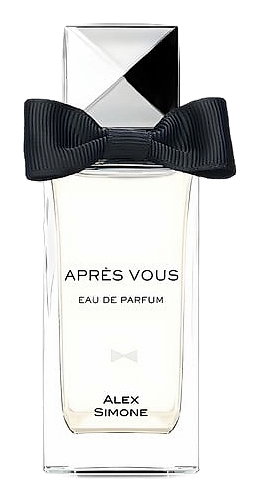
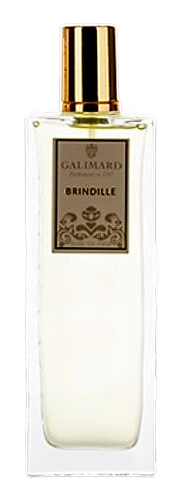
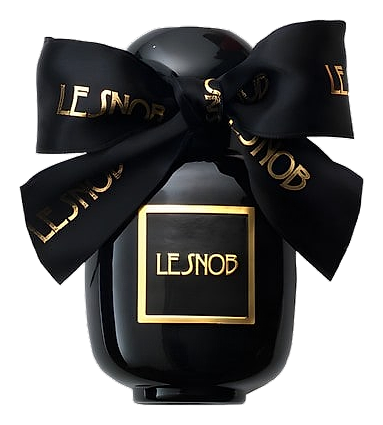
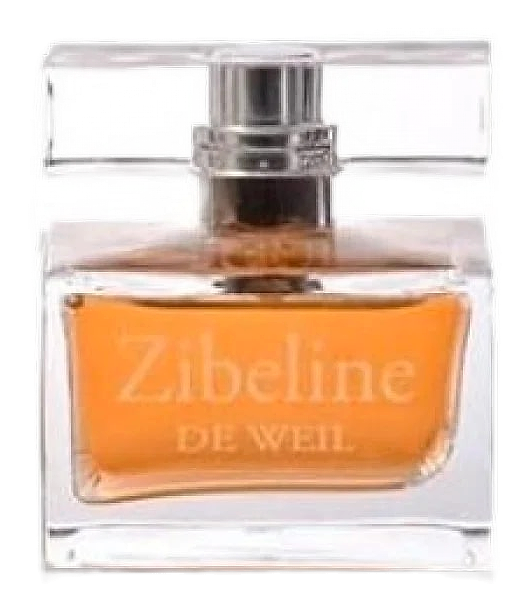
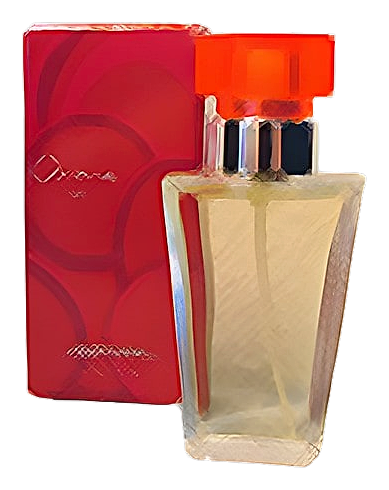
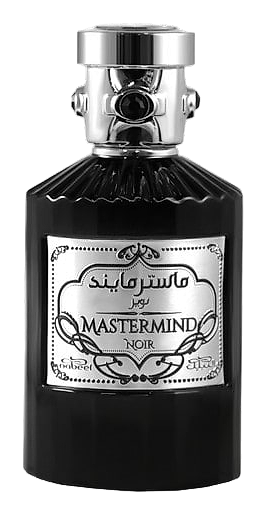
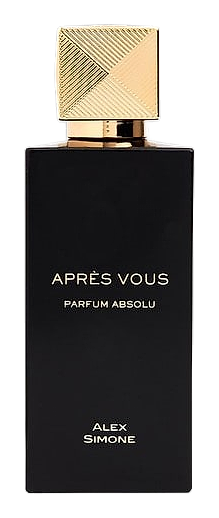
Brands
Brands known for Wallflower
Good to know
Questions, answered
The essentials on Wallflower in perfumery: how it smells, where it comes from, and how it behaves on skin.
What does wallflower smell like?
Wallflower absolute offers a sweet, honeyed floral character with green undertones and warm spice. The scent combines floral sweetness with an almost buttery richness and subtle violet-like facets that create a distinctive, complex profile.
Is wallflower used in modern perfumery?
Wallflower appears occasionally in fine fragrance compositions, typically as a supporting note in floral and chypre families. Its relative rarity makes it a signature choice for perfumers seeking distinctive botanical nuances rather than a mainstream ingredient.
What gives wallflower its sweet character?
The compound phenylacetaldehyde occurs naturally in wallflower, contributing its characteristic honey-like sweetness. This same compound appears in honey and several other fragrant florals, creating a recognizable sweet-floral signature.
Can synthetic wallflower replicate natural wallflower?
Synthetics can approximate aspects of wallflower's scent profile, particularly the sweet, slightly spicy notes. However, the full complexity of natural wallflower absolute, including its green and buttery facets, remains difficult to fully recreate.
How rare is wallflower in perfumery?
Wallflower absolute ranks among the less common natural ingredients in modern perfumery. Extraction challenges and limited cultivation for aromatic purposes make it relatively scarce compared to mainstream florals like rose or jasmine.
What role does wallflower play in fragrance blends?
Wallflower typically functions as a supporting floral note rather than a lead ingredient. It adds depth and honeyed warmth to compositions, often appearing alongside complementary florals like iris, violet, and rose.
Where does wallflower grow best?
Wallflower thrives in Mediterranean climates with full sun and well-drained alkaline soil. Native to Southern Europe, North Africa, and parts of Asia, it naturalizes readily on limestone cliffs and ancient stonework.
What part of wallflower is used for fragrance?
Only the fresh flowers yield usable aromatic material. The extraction process targets the volatile compounds present in the petals, which contain the concentrated sweet-floral fragrance characteristic of this plant.



