
The Story
Why it exists.
The beginning
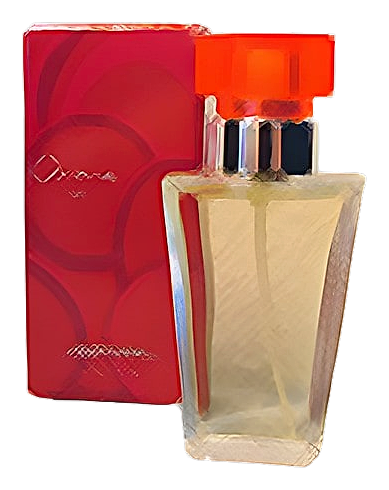
Avon launched Ariane in 1977 as part of a period when the brand was building its fragrance portfolio into a full catalog of accessible scents. The name itself, Ariane, evokes the mythological thread that guided wayfarers out of the labyrinth. For Avon, the metaphor made sense: their door-to-door representatives were that thread, carrying scent samples into homes and neighborhoods where fragrance wasn't yet an everyday ritual. The brief wasn't luxury. It was intimacy, a scent your friend recommends because she knows you, not because a magazine told her to.
What makes the composition interesting is its commitment to the aldehydic chypre form, a structure that was already being labeled classic by 1977 but hadn't yet become retro. Aldehydes create that bright, almost metallic shimmer at the opening that lifts the florals into something delicate rather than dense. Then the carnation arrives with its warm, clove-like spiciness, and the mango note (unusual for the era) adds a tropical sweetness that tempers the sharpness. The base, castoreum, civet, oakmoss, is animalic enough to give the drydown real presence. This is a fragrance that knew what it was doing.
The evolution
The aldehydes arrive first. Bright, sparkling, almost fizzy, a classic opening that announces this isn't a modern aquatic or gourmand. Jasmine and gardenia follow within minutes, their creaminess softened by the aldehydic lift rather than amplified by it. The gardenia fades first, as it tends to do, leaving the jasmine and iris to negotiate the middle hours. The iris adds a powdery, slightly bitter elegance that keeps things from getting too sweet. By the fourth hour, the base takes over, sandalwood and vanilla warm the drydown while the civet and castoreum add a faint animalic depth that stays close to the skin. The next morning: vanilla and warm wood.
Cultural impact
Ariane sits within Avon's 1970s catalog as a floral aldehyde in the classic chypre tradition, the same structural lineage as Chanel No. 5 and Givenchy Ysatis, though positioned for a different audience and occasion. It was discontinued by 1984, a relatively short run that makes it harder to find today. Among Avon collectors, this one holds cult status precisely because it doesn't smell mass-produced. The aldehydic structure, the unusual mango note in the heart, and the animalic drydown distinguish it from the brand's friendlier, more approachable catalog.