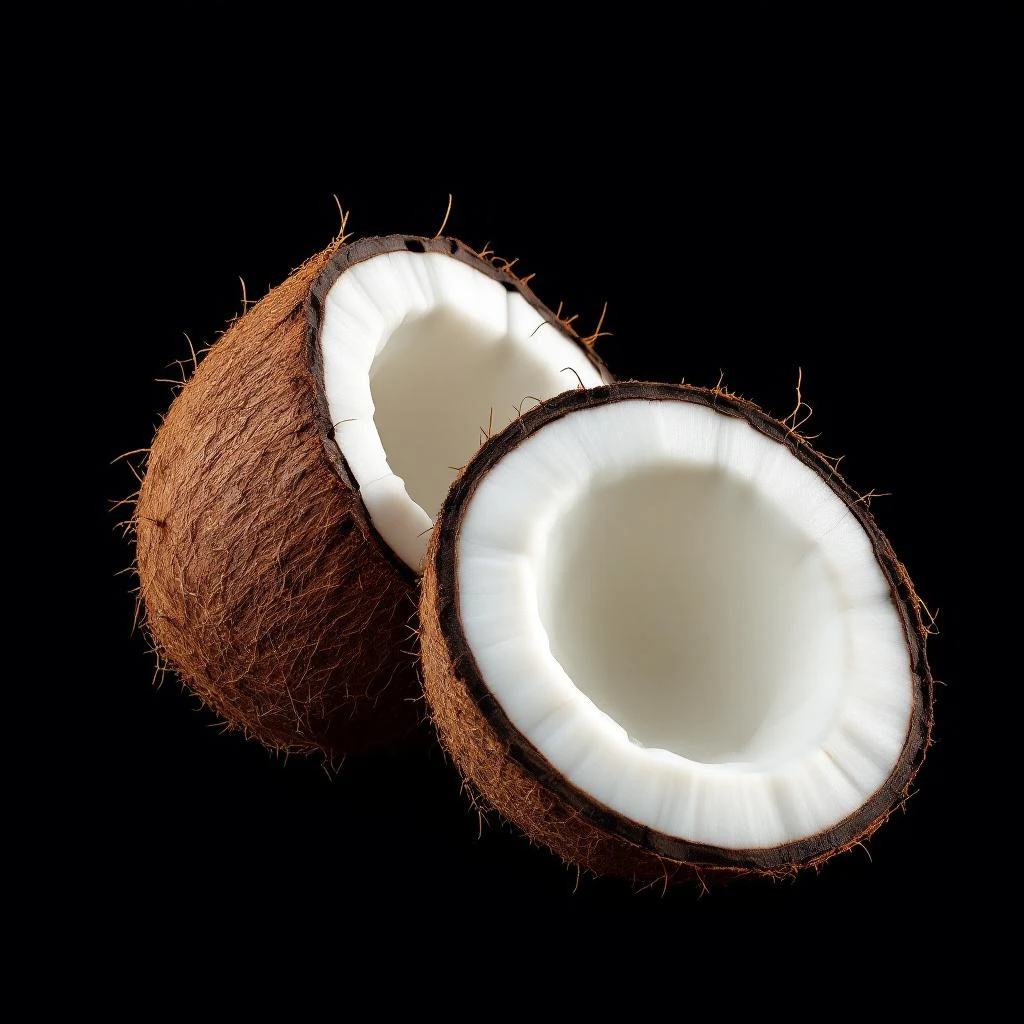
Mango
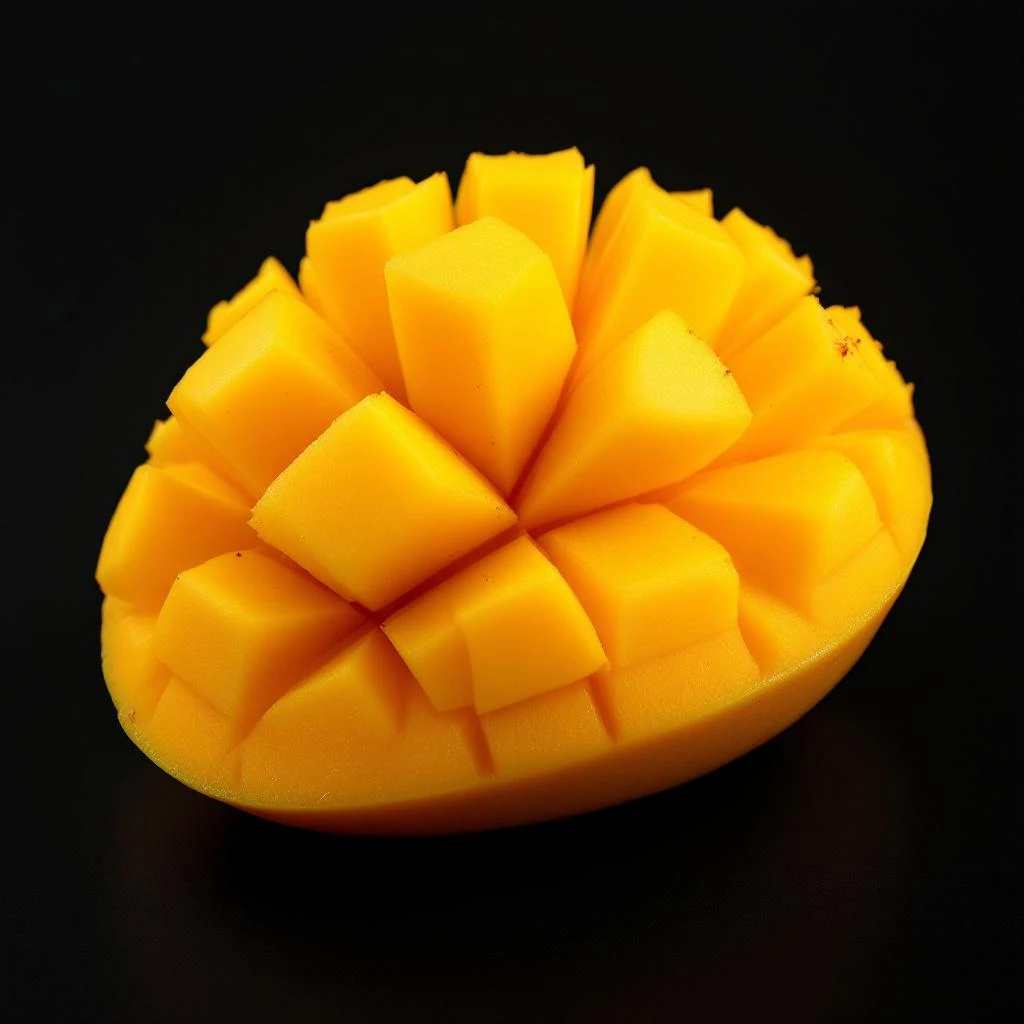
Mango brings a sun-warmed, honeyed sweetness to fragrance, evoking ripe tropical fruit with a fleshy, almost nectar-like softness. Unlike sharper citrus notes, it carries a buttery roundness that grounds bright compositions and adds an inviting warmth.
Character
How it smells
Sun-warmed tropical sweetness in a bottle
Mango contains over 300 volatile aroma compounds, yet perfumers rarely use the fruit directly, they recreate its scent through a blend of natural isolates and aroma molecules.








Origin
India
Mango, Mangifera indica, originated in the Indo-Burmese region over 4,000 years ago, where it was cultivated across the Indian subcontinent and valued as much for its fragrance as its flavor. Ancient Ayurvedic texts describe the fruit as a digestive aid and skin treatment, and the leaves and flowers appeared in ritual garlands rather than perfumery.
The fruit reached East Africa by the 10th century through Arab traders, then traveled to the Philippines and ultimately the Caribbean in the 18th century. The mango note entered modern Western perfumery relatively late, gaining traction only in the late 20th century as fruity-gourmand compositions grew popular.
Early attempts to capture mango relied on headspace technology, a technique developed in the 1980s that analyzes the volatile molecules surrounding a ripe fruit. Today, mango accord remains a benchmark for how perfumers translate high-water fruits into lasting fragrance compositions without traditional distillation.
Wears it best
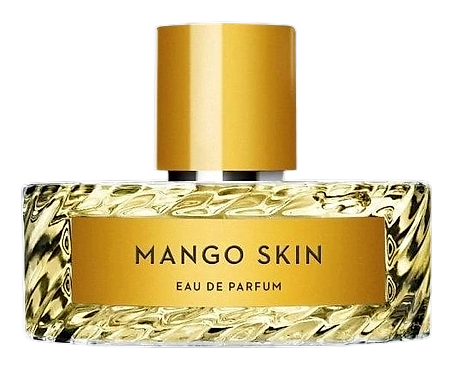
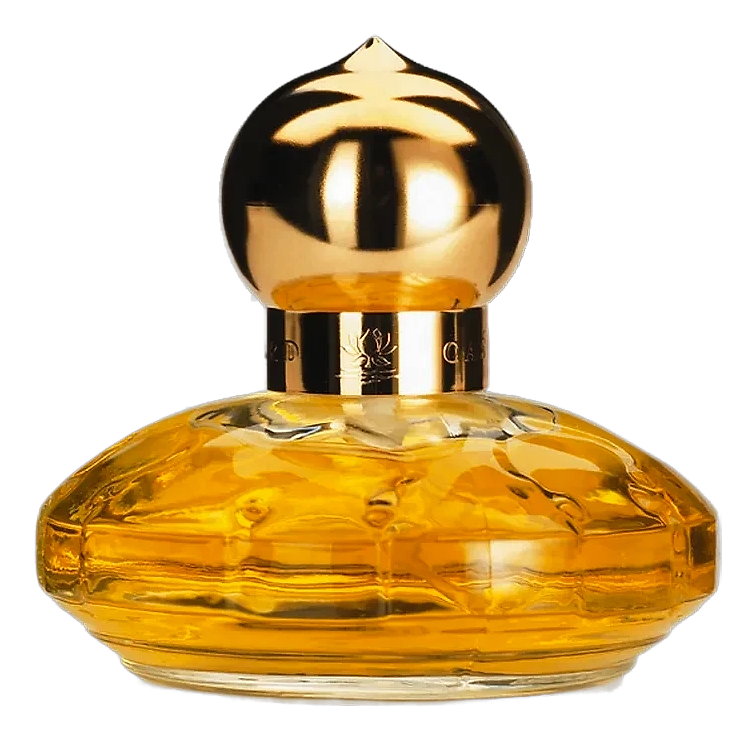
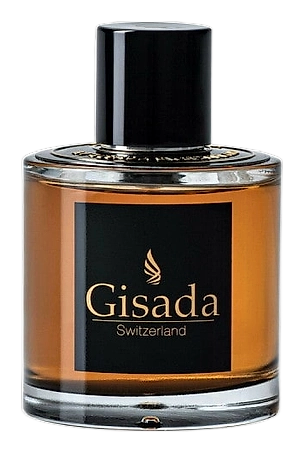
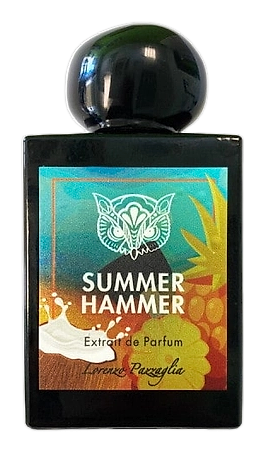
Fragrances featuring Mango





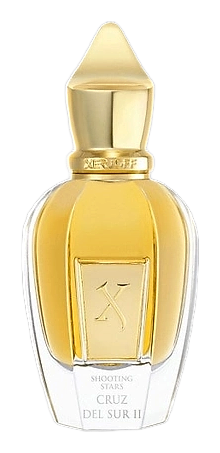
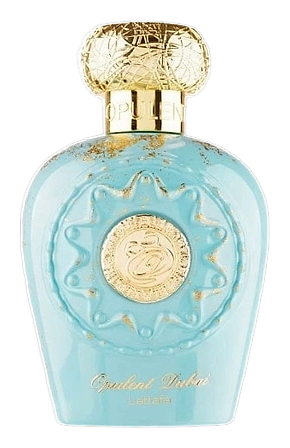
Brands
Brands known for Mango
Good to know
Questions, answered
The essentials on Mango in perfumery: how it smells, where it comes from, and how it behaves on skin.
What does mango smell like in perfume?
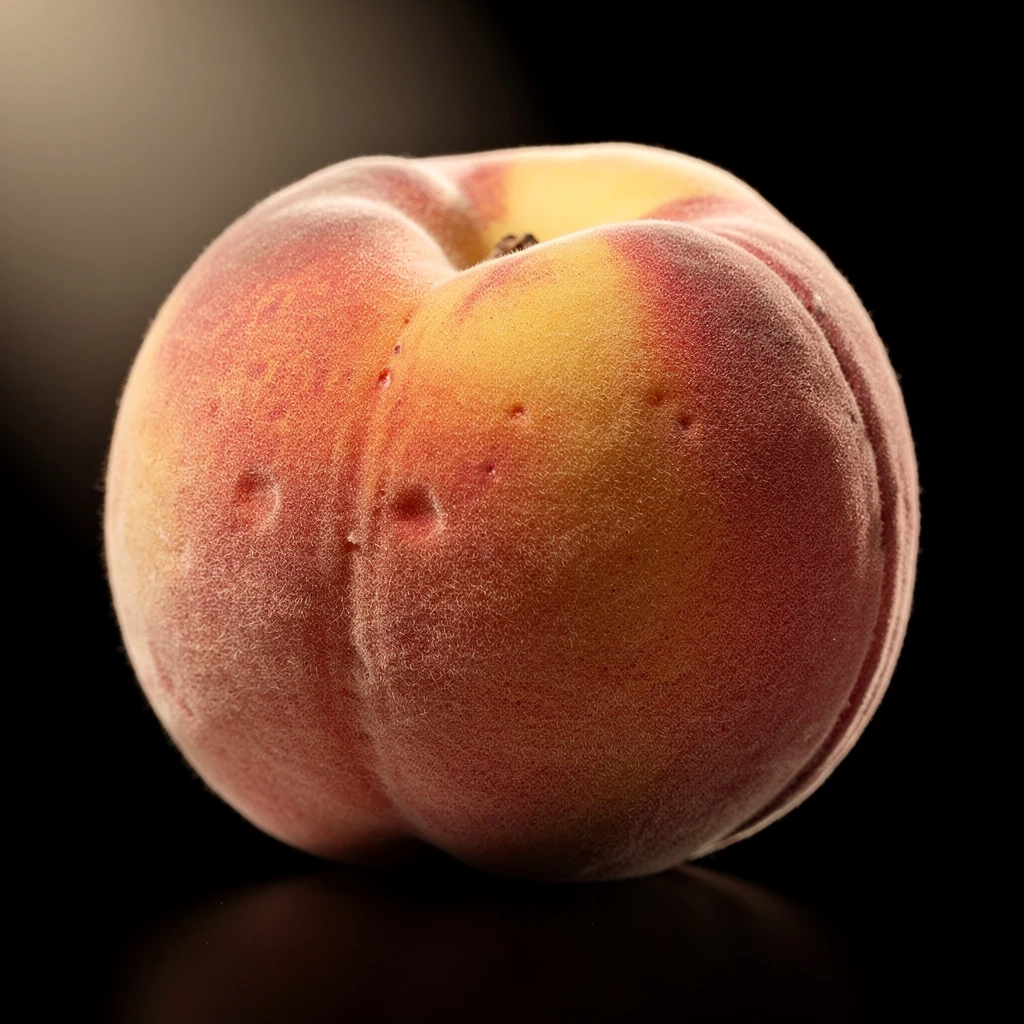
Mango in perfume smells like ripe tropical fruit with honeyed sweetness, a soft peach-like creaminess, and a fleshy warmth. The note leans lactonic and buttery rather than sharp, lending compositions an inviting, sun-warmed quality that bridges fruity and gourmand categories.
Is mango a natural or synthetic fragrance note?
Nearly always reconstructed. Fresh mango yields almost no usable essential oil due to its 80% water content. Perfumers build the note from nature-derived lactones and esters, sometimes supplemented by safe synthetic aroma molecules that mimic the fruit's complex volatile profile.
Where does mango originate?
Mango, Mangifera indica, originated in the Indo-Burmese region over 4,000 years ago. India remains the world's largest producer, cultivating hundreds of varieties including Alphonso, Kesar, and Totapuri across the states of Uttar Pradesh, Karnataka, and Maharashtra.
What perfumes use mango notes?
Mango appears frequently in fruity-floral and gourmand fragrances launched from the early 2000s onward. It features in tropical-themed compositions alongside coconut, passion fruit, and jasmine, and occasionally appears in unisex scents seeking a bright, exotic top-note character.
Why can't mango be steam distilled?
Steam distillation requires a material with low water content and sufficient volatile oil. Mango flesh is roughly 80% water and contains only trace amounts of essential oil, making direct distillation economically and technically impractical for commercial fragrance production.
Is mango a top, heart, or base note?
Mango functions primarily as a top-to-heart note. Its bright, fruity esters evaporate relatively quickly, though the lactonic undertones can linger into the mid-phase, lending a soft, creamy warmth to the composition's evolution on skin.
Does mango essential oil exist?
True mango essential oil is essentially non-existent on a commercial scale. What some vendors sell as 'mango essential oil' is typically mango seed butter infused with fragrance, or a reconstructed aroma blend, not a genuine distillation product.
What scents pair well with mango?
Mango pairs naturally with coconut, passion fruit, and pineapple for tropical accords, with jasmine and ylang-ylang for exotic florals, and with vanilla, sandalwood, and tonka bean for warm gourmand compositions. Its sweetness also balances green notes like fig leaf or mint.