Red rose
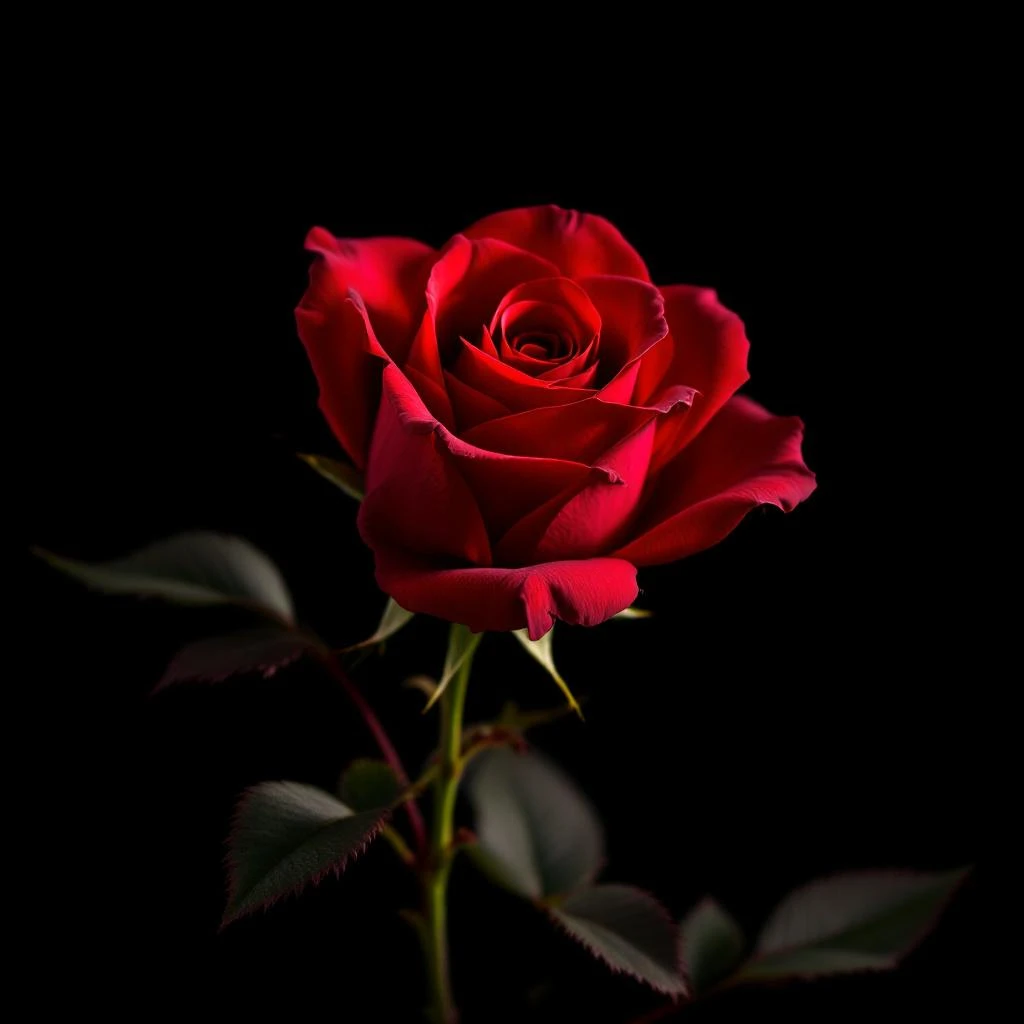
Red rose delivers a deep, honeyed floral with spicy clove undertones and a faint green stem character. Unlike paler varieties, its petals concentrate richer phenolic compounds, yielding a warmer, more resinous aromatic profile prized in classical perfumery.
Character
How it smells
The queen of flowers, distilled into pure red velvet.
A single gram of rose absolute requires roughly 1,000 freshly hand-picked damask rose blooms, harvested at dawn before sunlight volatilizes their precious oils.








Origin
Iran
The rose holds one of the oldest documented histories in human fragrance culture. Archaeological evidence places cultivated roses in Persia around 3000 BCE, where the earliest documented production of rose oil began in ancient Iran. The technique of enfleurage, pressing petals into fat to absorb their oils, emerged alongside these Persian distillation experiments.
Egyptian tombs from the Fifth Dynasty reveal rosewater vessels, suggesting the flower reached ritual and cosmetic significance along the Nile. Cleopatra reportedly carpeted her meeting chamber with rose petals to seduce Mark Antony. Greek and Roman writers later catalogued rose unguents and oils, with Pliny the Elder documenting over a dozen medicinal rose preparations.
The Ottoman Empire transformed rose cultivation into an industrial art. By the 19th century, Bulgaria's Valley of Roses, situated near Kazanlak, became the world's leading producer of rose otto. The region benefits from sandy soils, morning mists, and cool mountain drainage that protect delicate blooms during the May harvest.
French perfumery elevated the rose to haute composition status during the 18th and 19th centuries. Grasse established itself as the European hub for centifolia rose cultivation, and houses like Guerlain and later Chanel built iconic compositions on the flower's versatility. The damask rose traveled the Silk Road from Persia to India, where attar of roses remains a cornerstone of Ayurvedic fragrance practice. Today, rose remains the single most expensive floral raw material in commercial perfumery, a position it has held for over four millennia.
Wears it best
Fragrances featuring Red rose

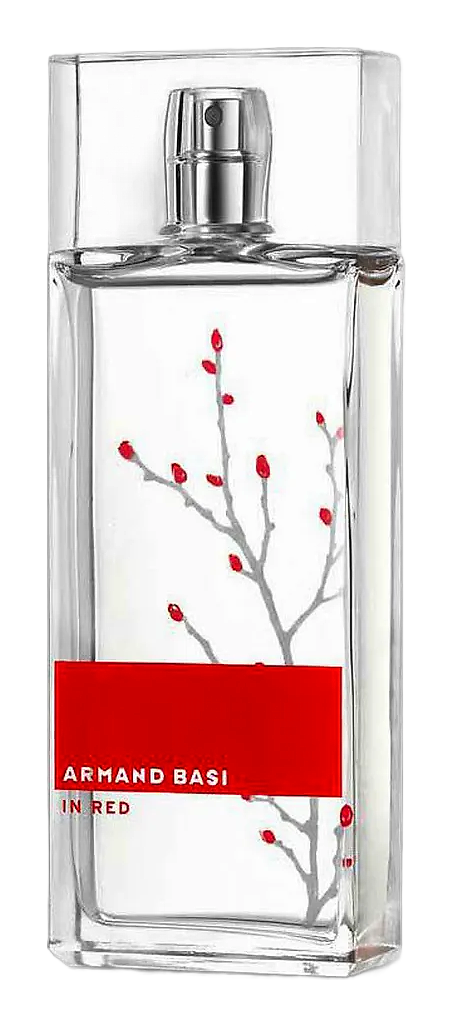
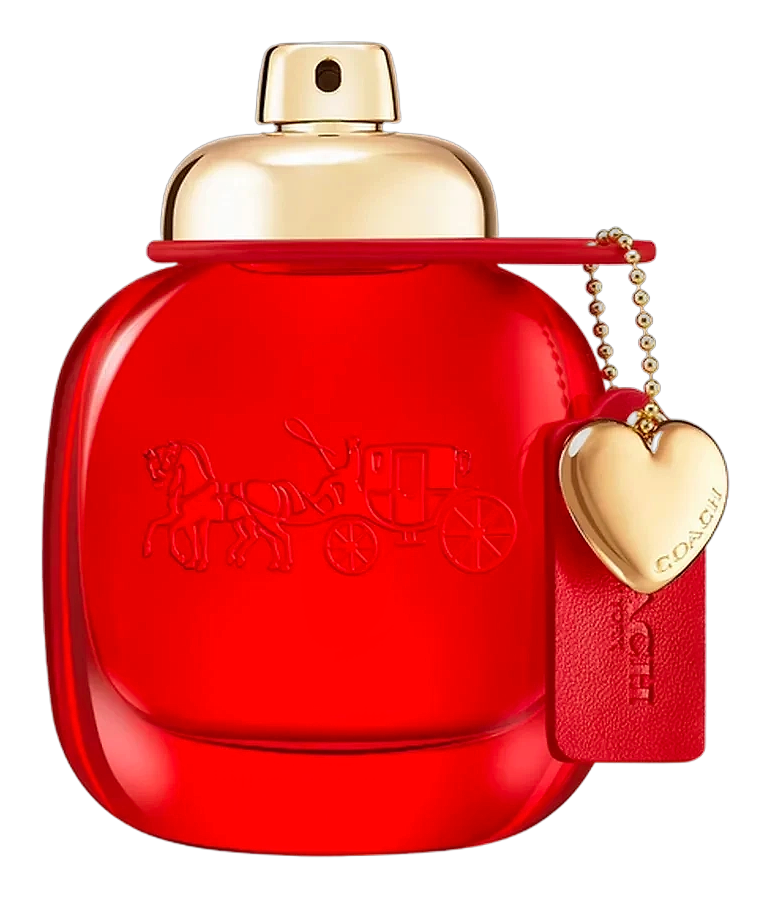
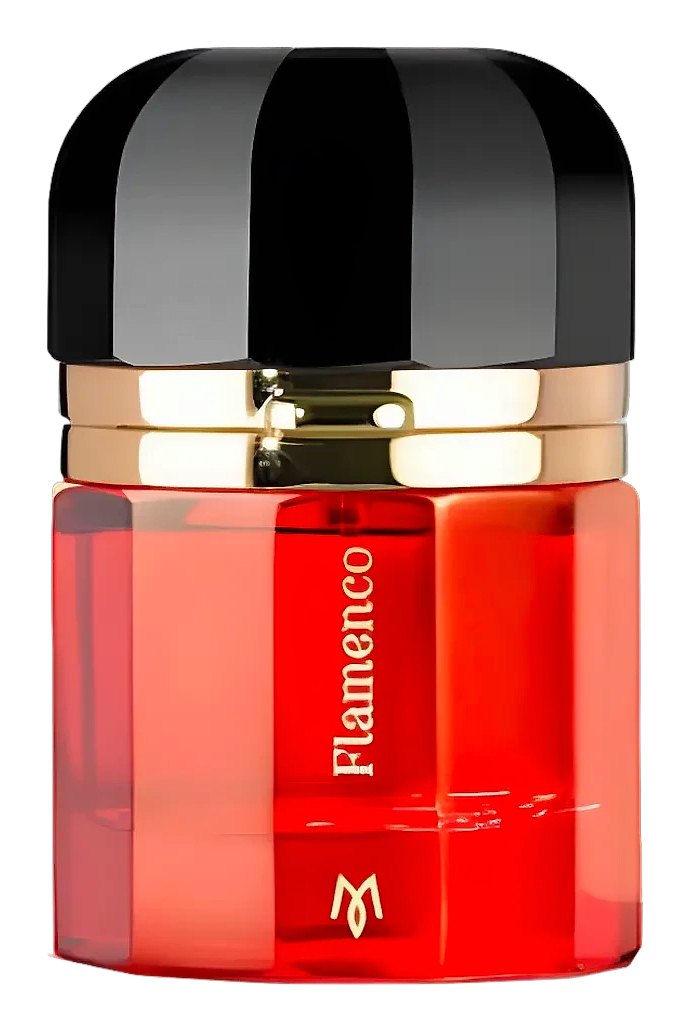
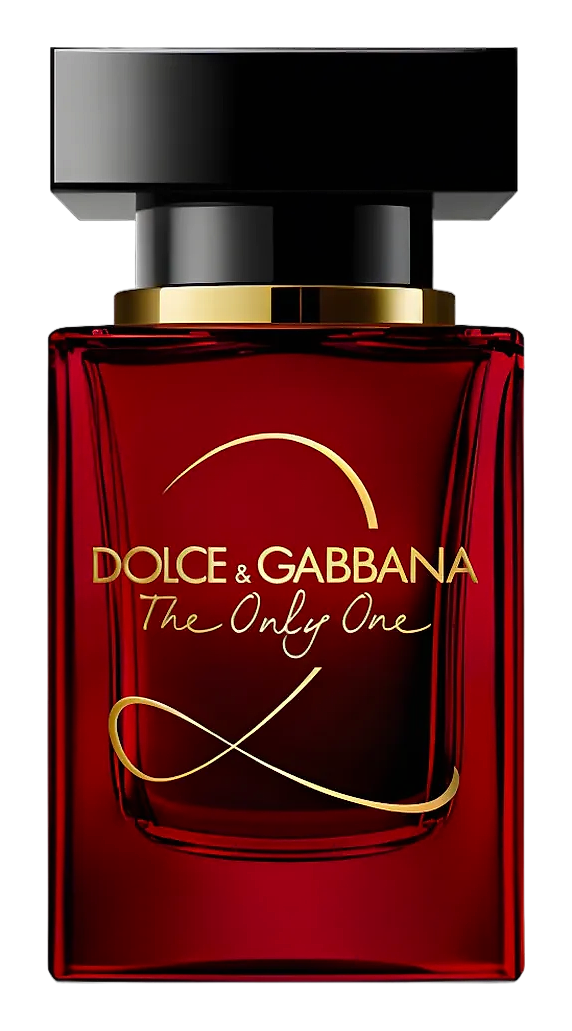
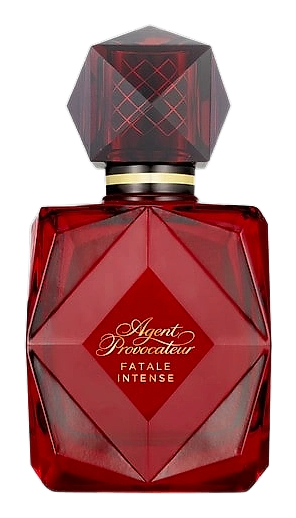

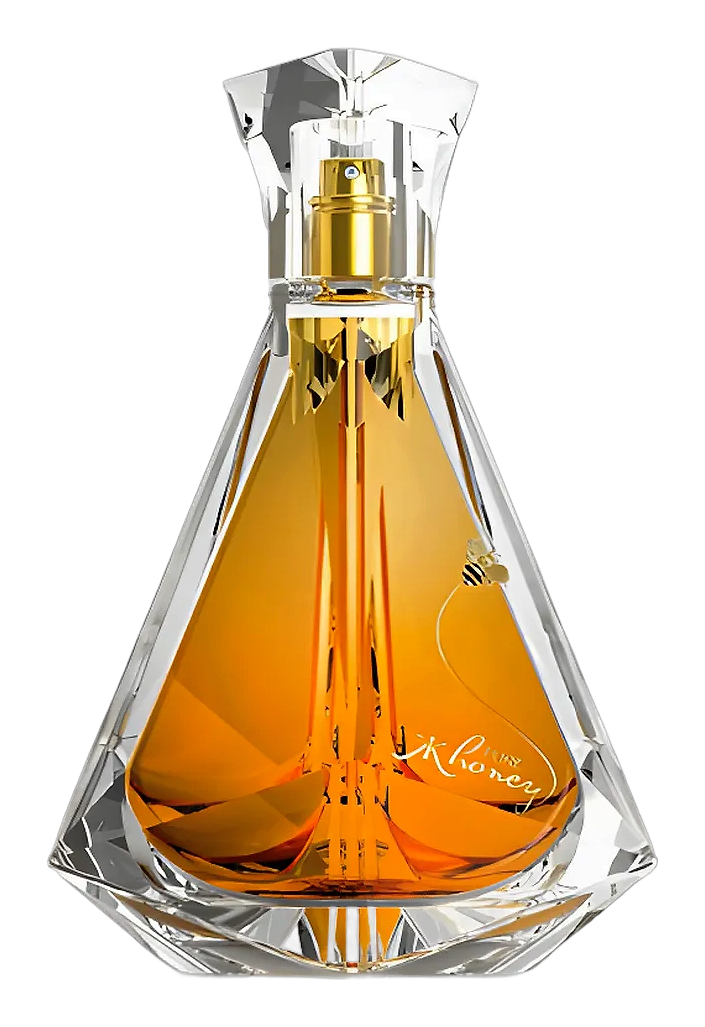

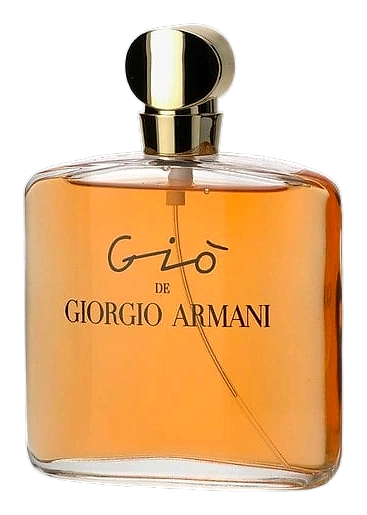
Brands
Brands known for Red rose
Good to know
Questions, answered
The essentials on Red rose in perfumery: how it smells, where it comes from, and how it behaves on skin.
What does red rose smell like in perfume?
Red rose produces a deep, honeyed floral scent with spicy clove-like undertones and a subtle green freshness. Its aroma contains over 300 volatile compounds, including geraniol and damascenones, creating far more complexity than the simple sweet impression most people associate with cut flowers.
How is red rose oil extracted?
Producers extract red rose oil through steam distillation (yielding rose otto) or solvent extraction (producing rose absolute). Roughly 4,000 kg of fresh petals yield just 1 kg of rose otto, making it one of the most labor-intensive raw materials in perfumery.
Where does red rose for perfume come from?
Bulgaria's Valley of Roses near Kazanlak produces approximately 70% of the world's rose otto. Turkey's Isparta region ranks second, while Iran, Morocco, and France cultivate smaller volumes, particularly of Rosa centifolia varieties.
What is the difference between rose otto and rose absolute?
Rose otto comes from steam distillation and smells fresher, lighter, and more dewy. Rose absolute comes from solvent extraction and carries deeper, warmer, spicier tones because it captures heavier waxes and indoles that steam cannot lift from the petals.
Why is rose so expensive in perfumery?
Rose ranks among the costliest perfume ingredients because harvesting and processing are extraordinarily labor-intensive. Producing one kilogram of rose absolute requires around 3,000 to 4,000 kg of hand-picked petals, harvested within a three-week window each spring.
When was rose oil first made?
Rose oil production originated in ancient Persia around 3000 BCE, with the technique later refined under the Ottoman Empire. By the 19th century, Bulgaria had become the global center for rose otto manufacturing, a position it still holds.
Are red roses and pink roses different in perfumery?
Yes. Red damask roses contain higher concentrations of phenolic compounds, producing a warmer, spicier, more resinous aroma. Pink centifolia roses grown in Grasse yield a softer, more honeyed, lemony profile favored in classical French perfumery.
Can red rose be synthesized in a lab?
Chemists can isolate and synthesize individual rose molecules like geraniol, citronellol, and phenyl ethyl alcohol. However, no synthetic recreation fully captures the natural absolute's complexity, which contains trace compounds that remain difficult to reproduce commercially.