


The Heritage
The Story of Avon
Avon began as a perfume house in the United States and grew into a global direct‑selling network that still places fragrance at its core. The brand offers a range of scents that span classic launches from the 1950s to contemporary releases in the 2020s. Avon’s products reach customers through a personal sales model that emphasizes community and accessibility, making scented experiences a routine part of everyday life.
Heritage
David H. McConnell founded the California Perfume Company in New York in 1886, initially selling scented oils and soaps to a small circle of customers. By 1916 the company incorporated as the California Perfume Company in the state of New York, formalising its operations and expanding its catalogue of fragrances. Early growth was driven by a pioneering female sales force led by Mrs. P. F. E. Albee, who travelled door‑to‑door selling perfume samples. By 1920 annual sales topped one million dollars, a milestone that underscored the popularity of the company’s scented offerings. In 1939 the brand adopted the name Avon, inspired by the River Avon in England, to create a more memorable identity for its expanding market. The post‑war era saw Avon introduce iconic fragrances such as Bright Night (1954) and Promise of Heaven (1973), cementing its reputation for affordable yet appealing scents. The 1980s and 1990s brought a diversification of product lines, with the launch of Little Blossom (1981) and Moments Secrets (1998) reflecting evolving consumer tastes. The turn of the millennium marked a shift toward digital engagement, yet Avon retained its direct‑selling heritage while modernising its fragrance development process. Recent years have added contemporary scents like Sultry Orchid (2024) and Blueberry Party (2025), demonstrating the brand’s ability to blend legacy with current trends. Throughout more than a century, Avon’s perfume portfolio has remained a constant thread in its broader beauty narrative, linking the company’s historic roots to its present‑day global presence.
Craftsmanship
Avon works with external fragrance houses that specialise in both natural extracts and synthetic aroma chemicals, allowing the brand to blend tradition with modern olfactory science. Ingredient selection follows IFRA (International Fragrance Association) guidelines, ensuring that each component meets safety thresholds for skin contact. Raw materials are sourced from a network of suppliers that provide documentation on origin, processing methods and sustainability certifications where applicable. Once a formula is approved, it undergoes stability testing in controlled laboratories to verify scent integrity over time and under varying temperature conditions. Production takes place in facilities that adhere to Good Manufacturing Practices, with batch‑by‑batch quality checks that include gas‑chromatography analysis to confirm ingredient ratios. Packaging is inspected for seal integrity and visual consistency before distribution. Avon also conducts consumer panels that evaluate longevity, projection and overall appeal, feeding feedback into iterative refinements. The result is a line of fragrances that balances cost‑effective manufacturing with a commitment to consistent olfactory performance and regulatory compliance.
Design Language
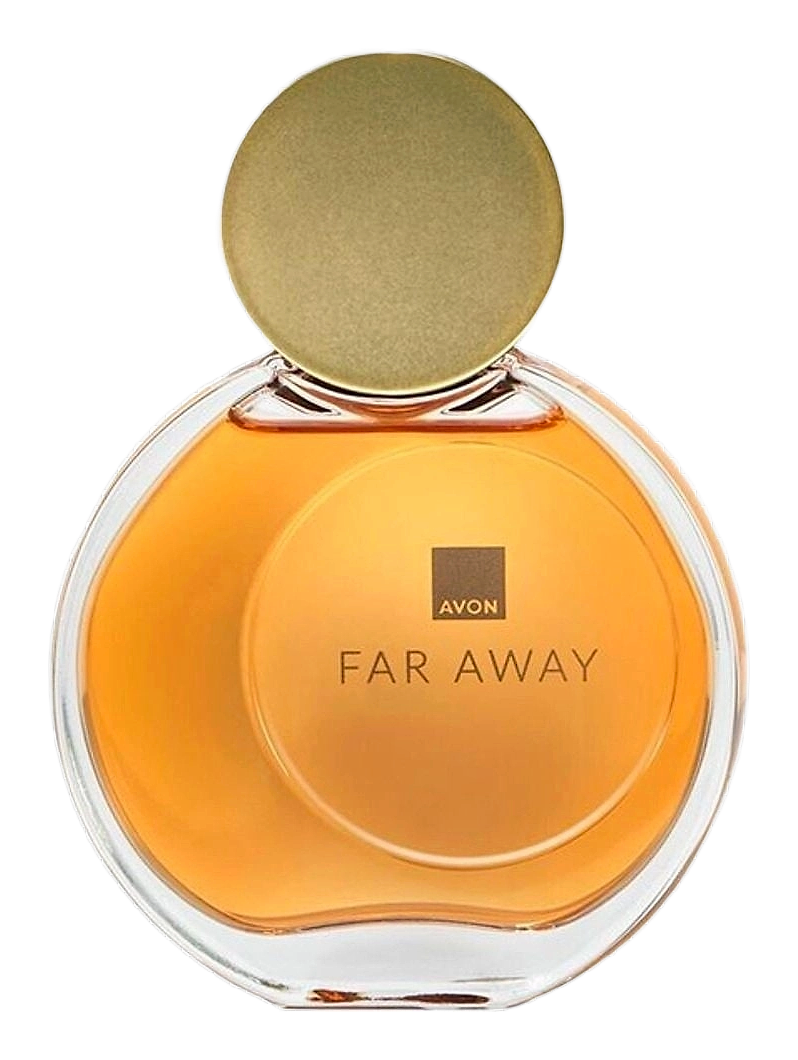
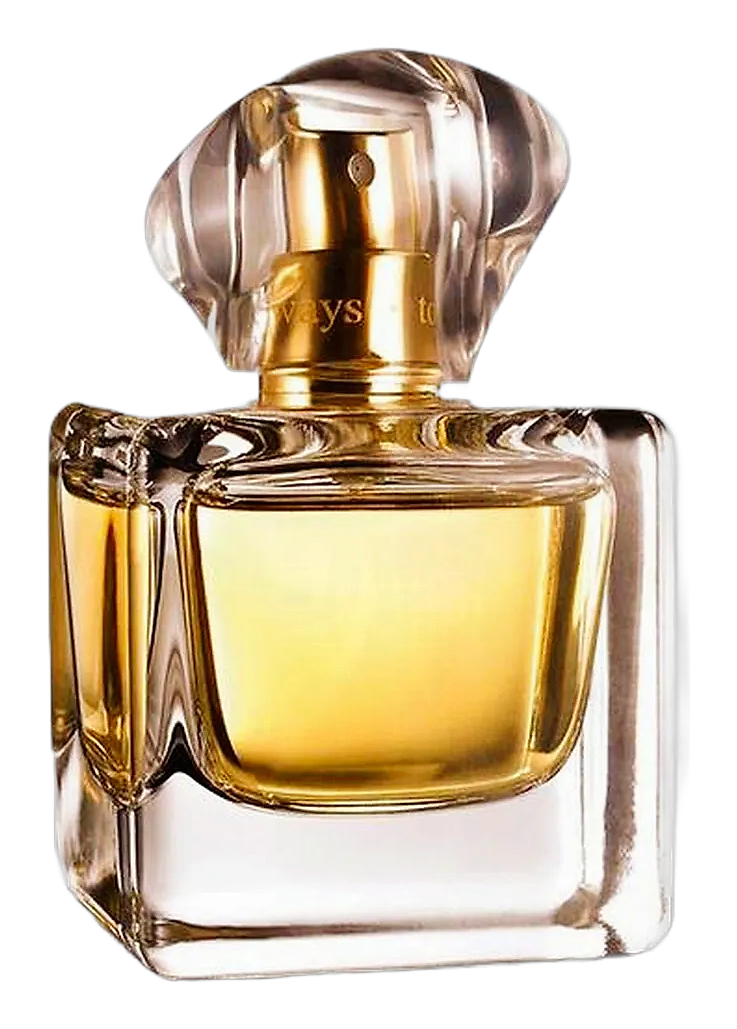
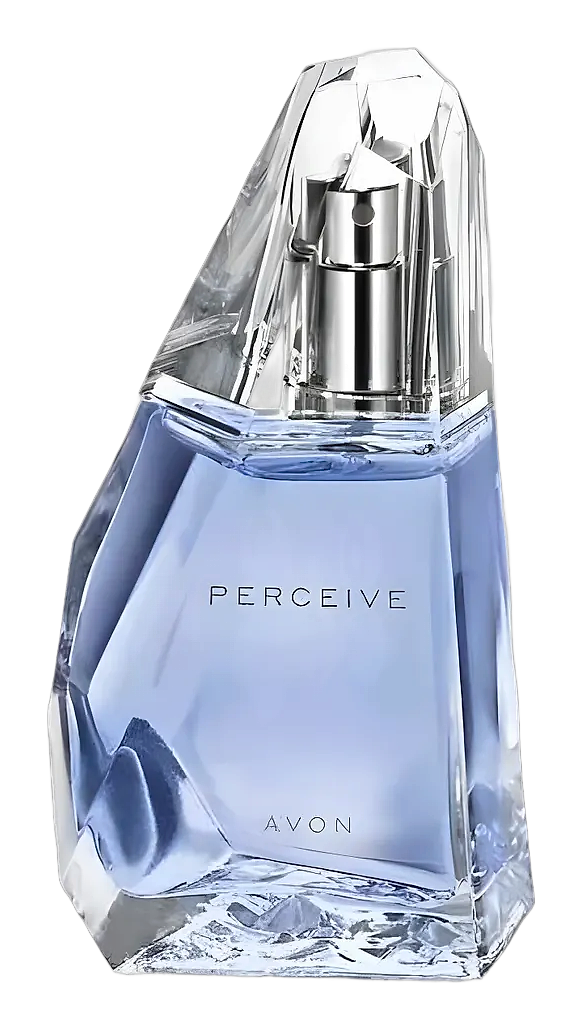
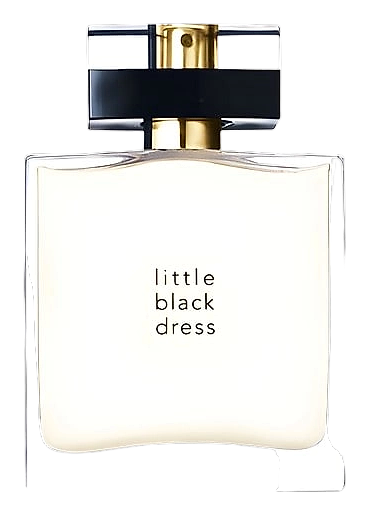
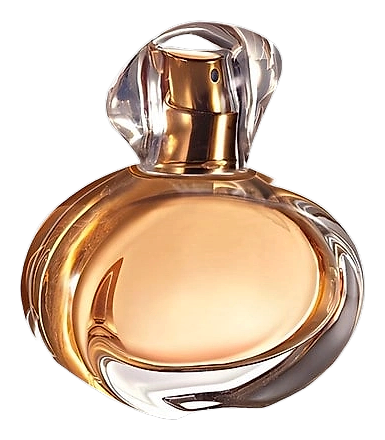
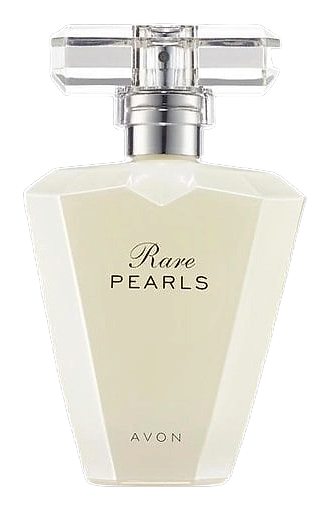
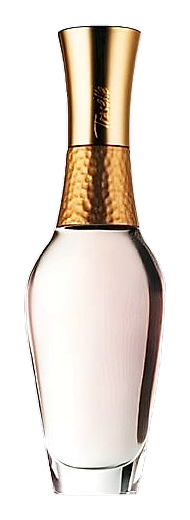
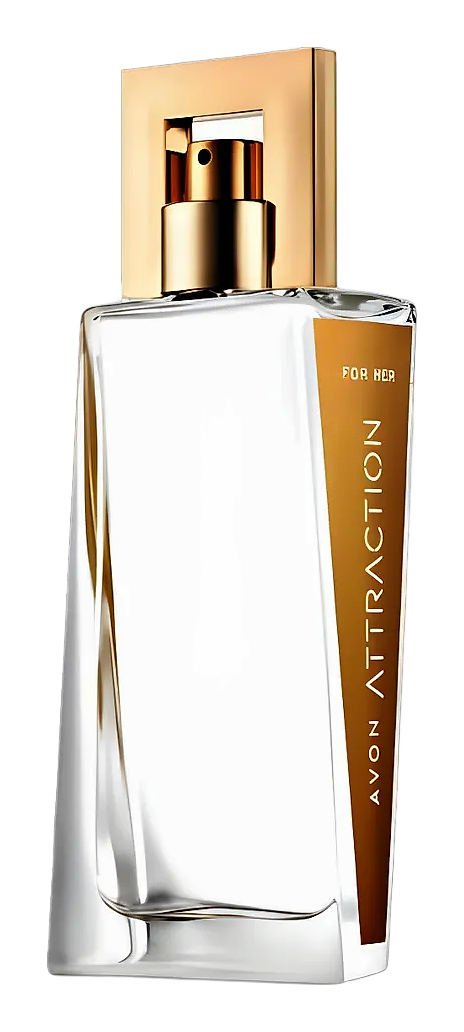
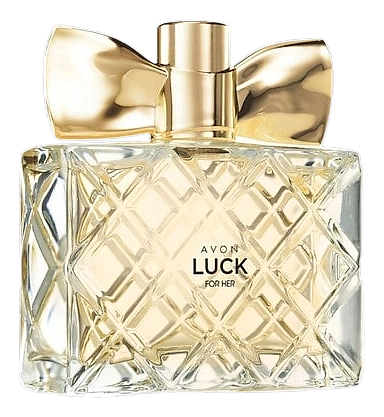
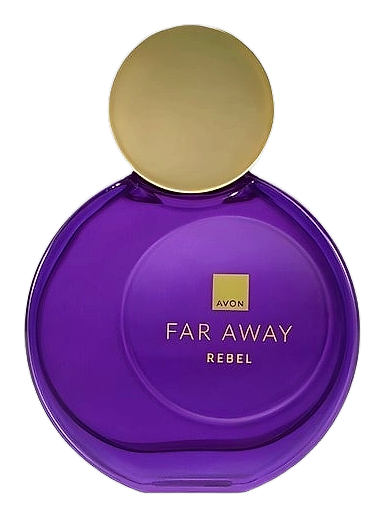
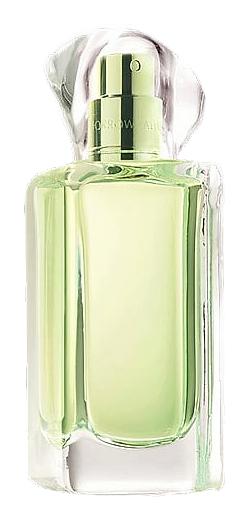
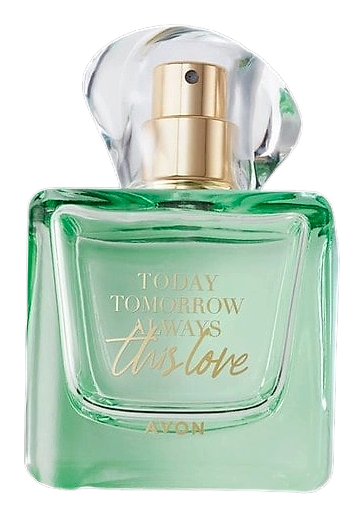
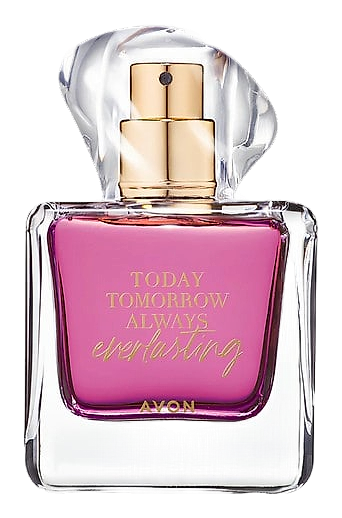
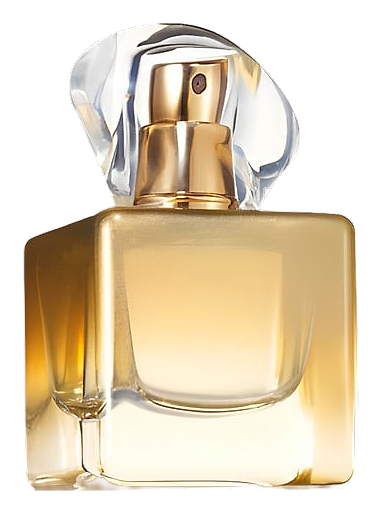
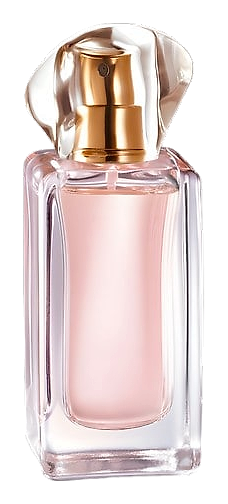
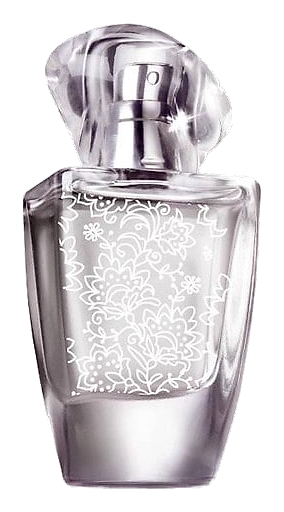
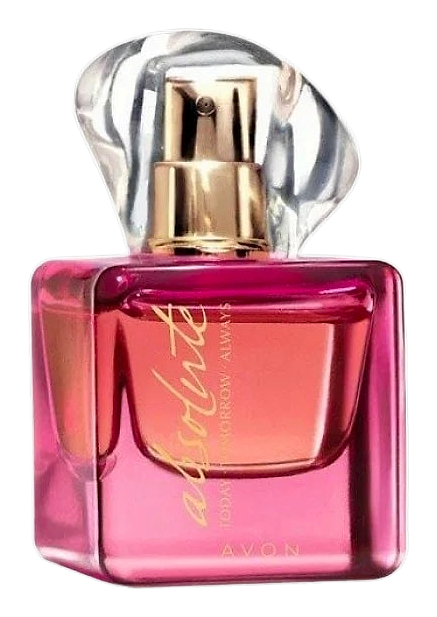
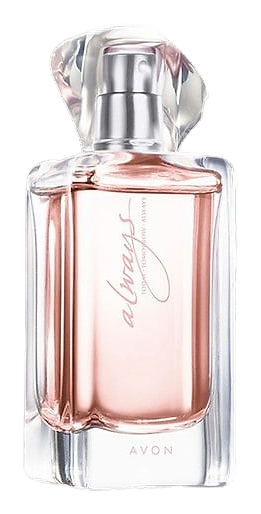
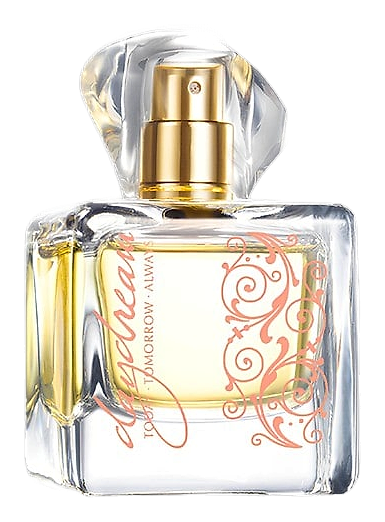
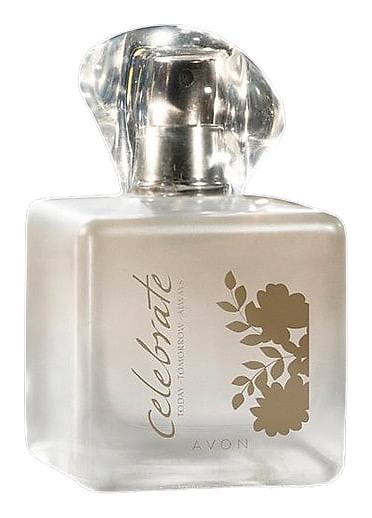
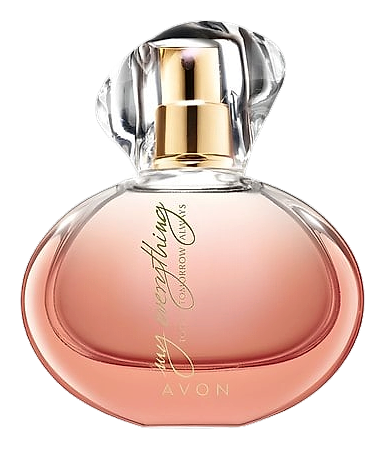
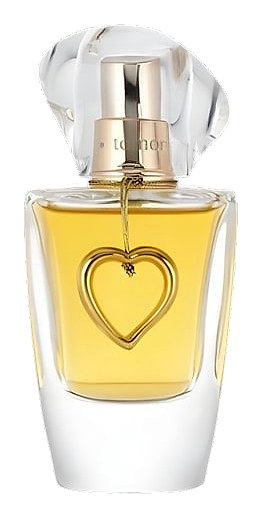
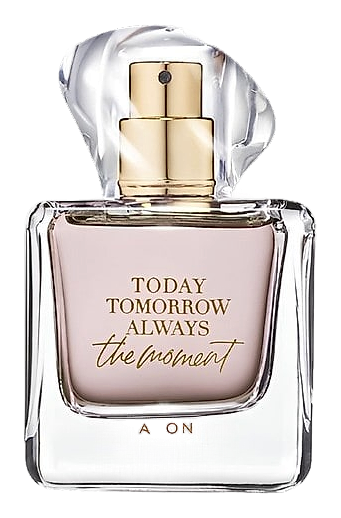
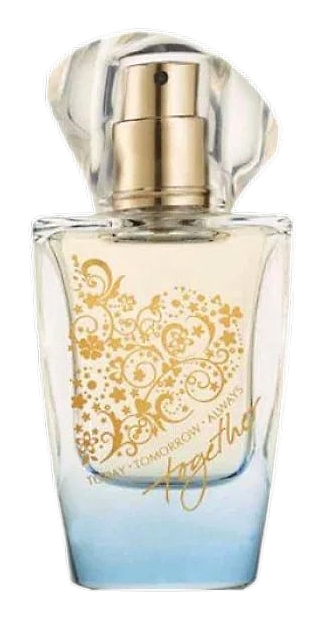
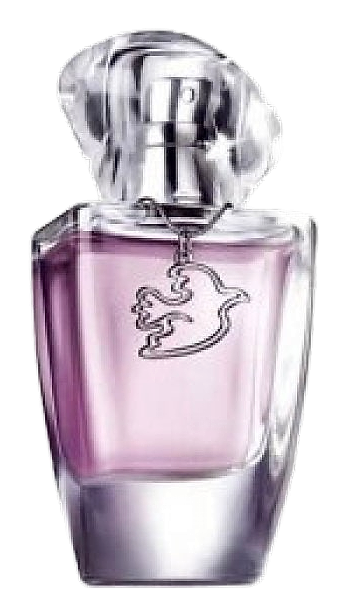
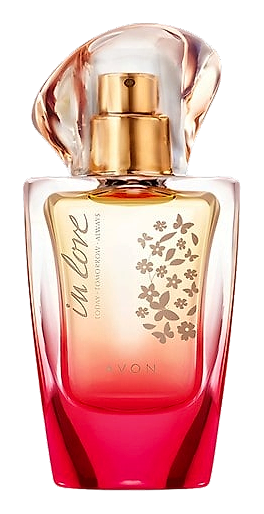
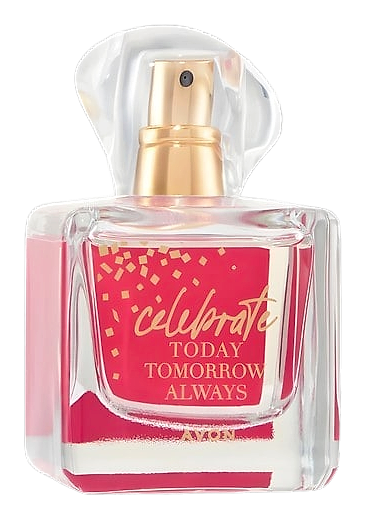
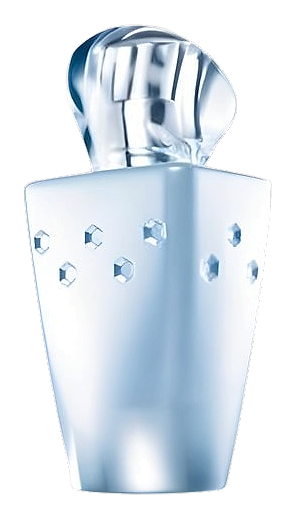
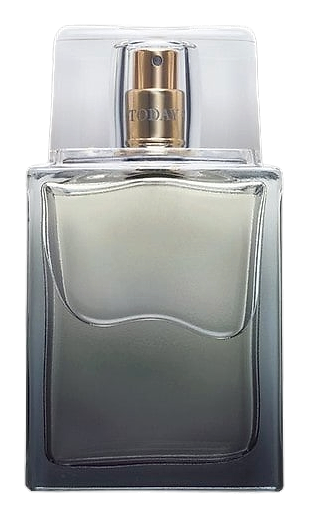
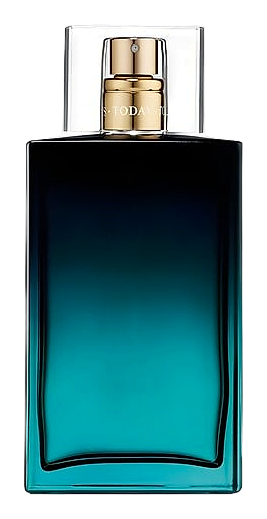
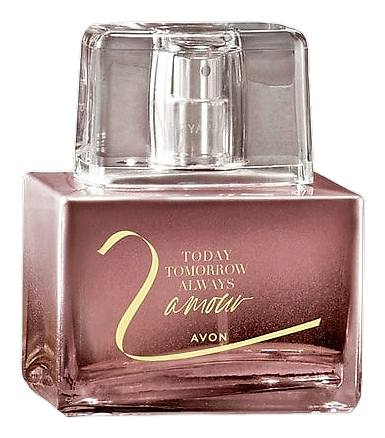
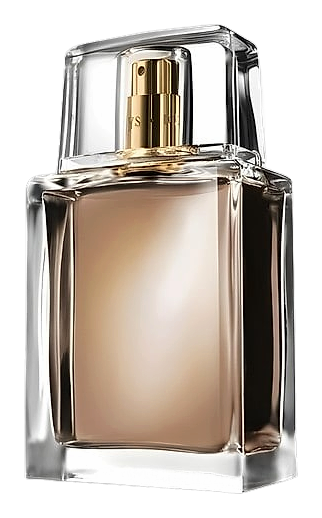
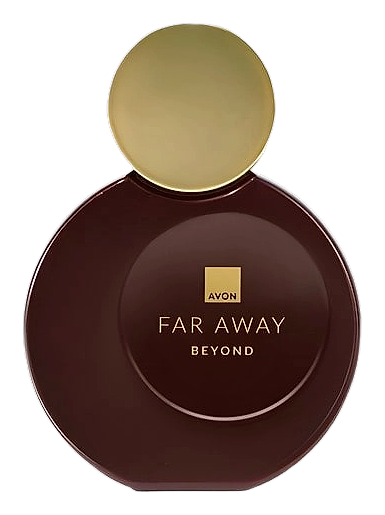
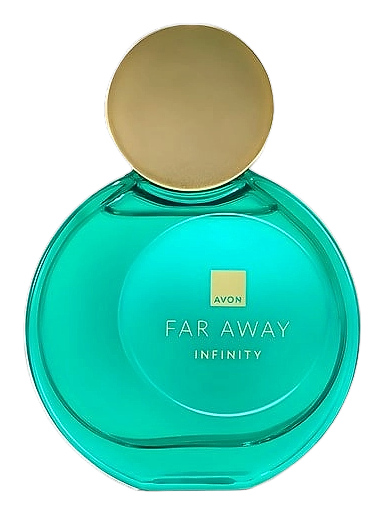
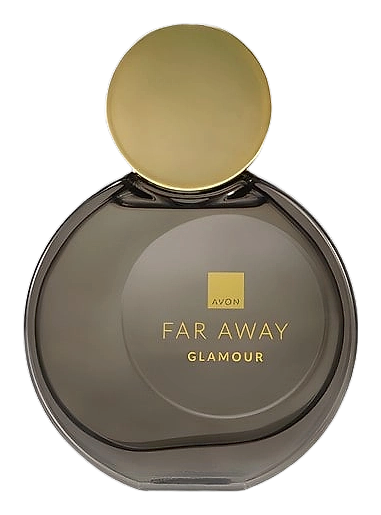
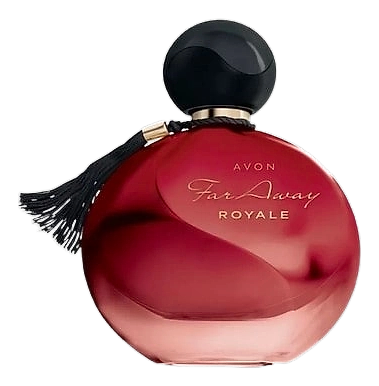
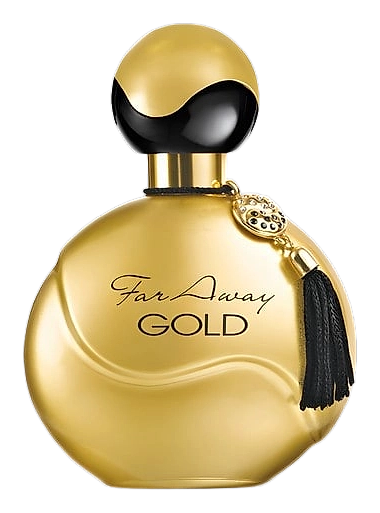
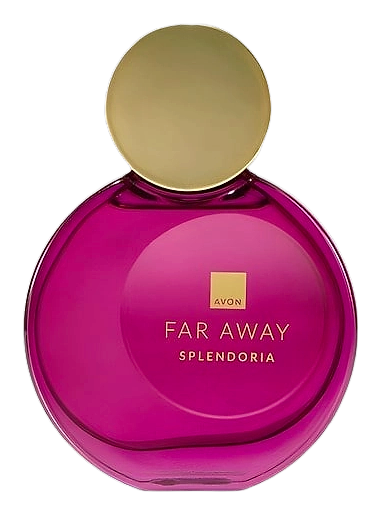
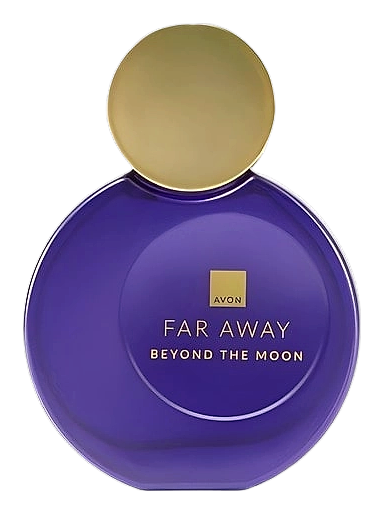
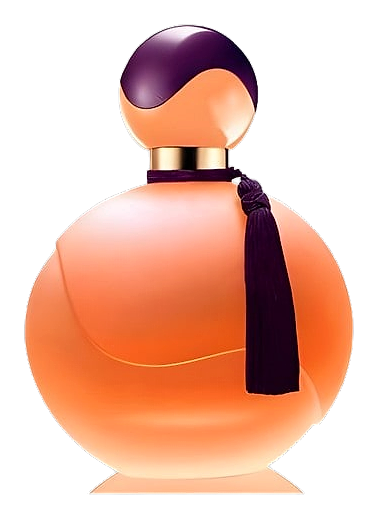
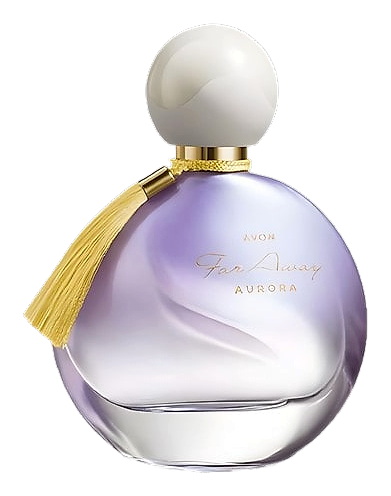
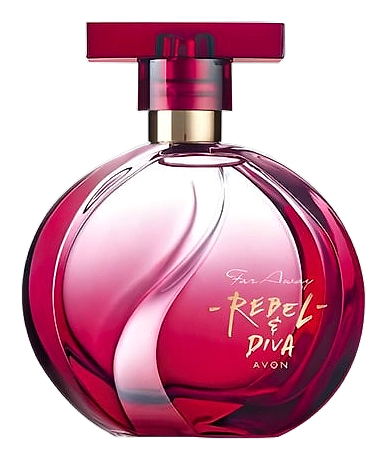
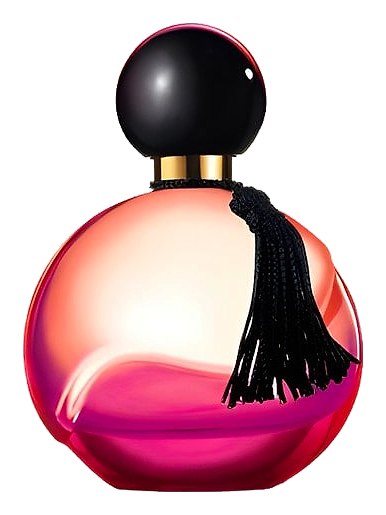
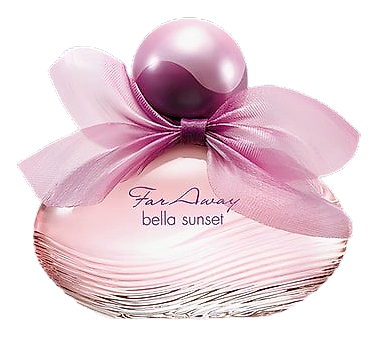
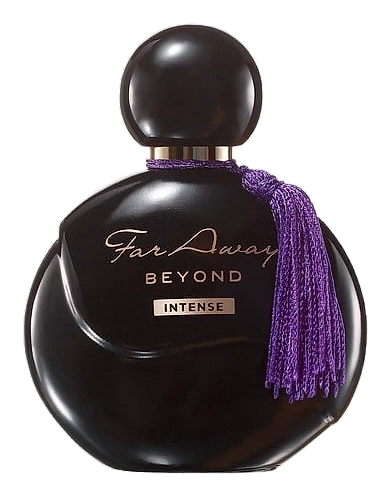
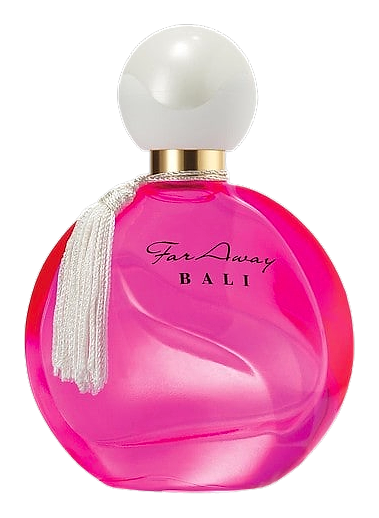
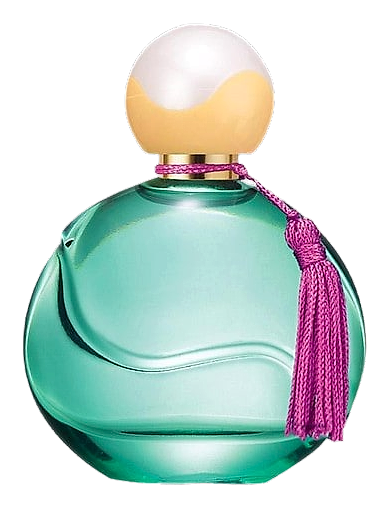
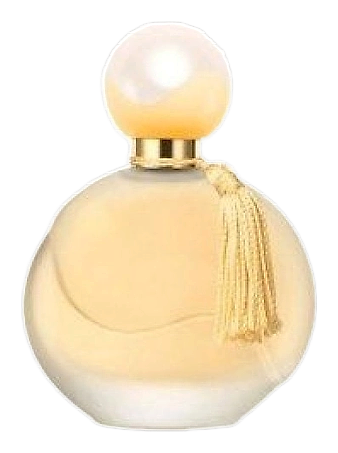
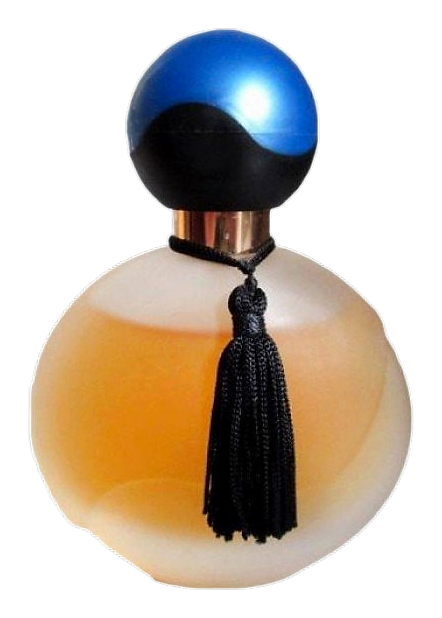
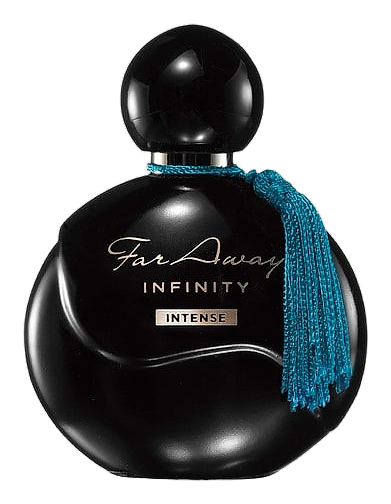
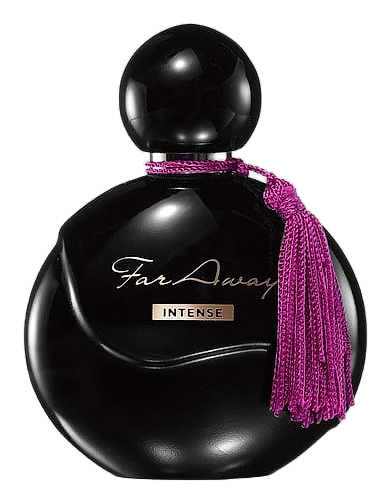
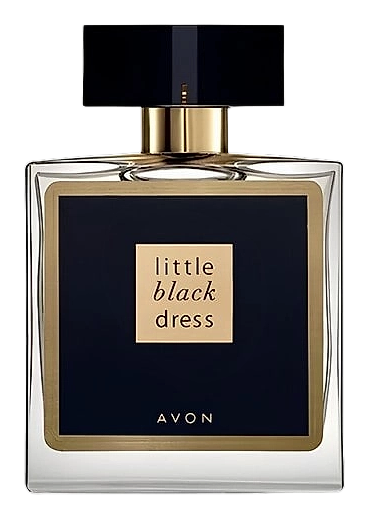
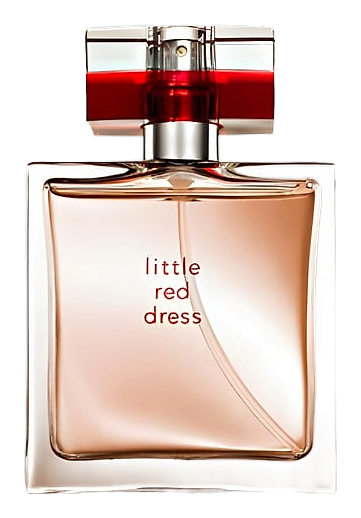
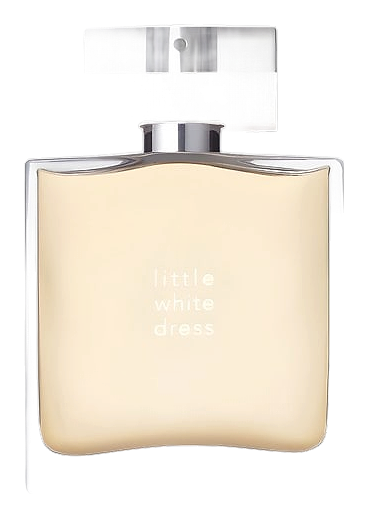
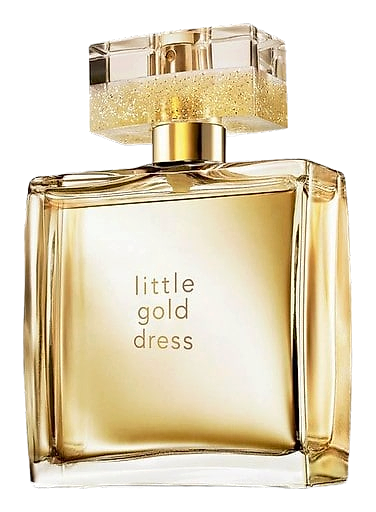
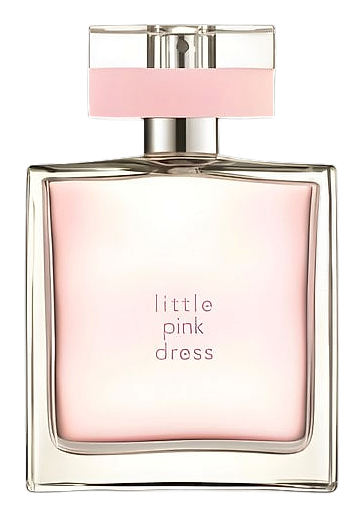
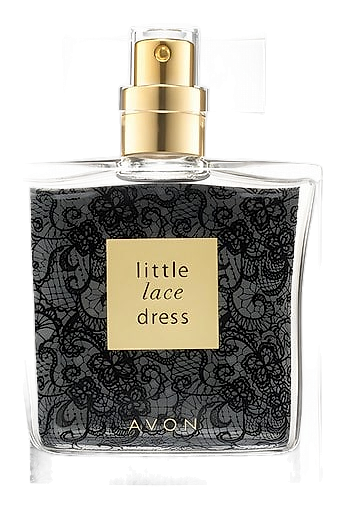
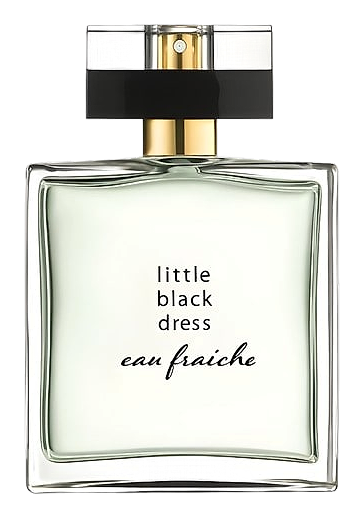
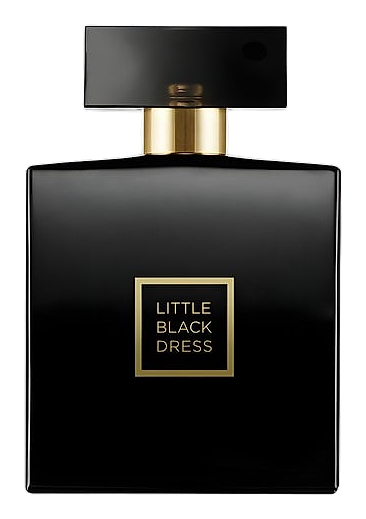
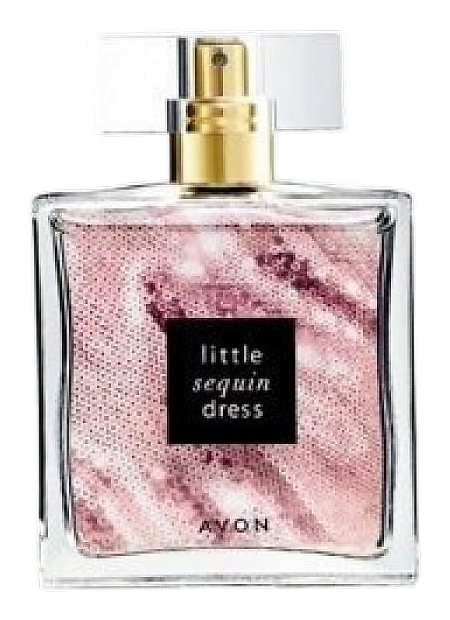
Visually, Avon’s fragrance line carries a clean, approachable look that reflects its broad consumer base. The brand’s signature pink accent appears on marketing materials and on the caps of many perfume bottles, creating a recognizable cue without overwhelming the design. Bottles typically feature simple, clear glass that showcases the liquid colour, paired with minimalistic typography that prioritises legibility. Recent releases such as Sultry Orchid (2024) employ a sleek frosted silhouette, while legacy scents like Bright Night retain a classic rectangular form with a subtle gold‑toned label. Advertising imagery often portrays everyday moments—friends gathering, a quiet evening at home—underscoring the idea that scent enhances ordinary experiences. The visual language avoids excessive ornamentation, favouring a balanced composition of product, model and setting that feels both aspirational and relatable.
Philosophy
Avon positions fragrance as a personal statement that should be within reach of anyone who wishes to express mood, memory, or identity. The company’s guiding values centre on empowerment, community and responsible sourcing. Representatives are encouraged to share scent stories that resonate with individual lives, turning a simple purchase into a shared experience. Sustainability has become a measurable goal; Avon reports efforts to source certain natural ingredients from certified growers and to reduce packaging waste where feasible. Transparency in ingredient disclosure aligns with regulatory standards and consumer expectations. The brand’s creative direction respects both heritage and modernity, allowing classic formulas to be refreshed while new compositions reflect contemporary cultural moments. By keeping fragrance affordable and widely available, Avon aims to democratise the pleasure of scent without compromising on quality or safety.
Key Milestones
1886
David H. McConnell establishes the California Perfume Company in New York.
1916
The company incorporates as the California Perfume Company, formalising its business structure.
1939
The brand adopts the name Avon, inspired by the River Avon in England.
1954
Launch of Bright Night, one of Avon’s early signature fragrances.
1973
Promise of Heaven debuts, expanding Avon’s scent portfolio into the 1970s market.
1998
Moments Secrets is introduced, reflecting late‑1990s fragrance trends.
At a Glance
Brand profile snapshot
Origin
United States
Founded
1886
Heritage
140
Years active
Collection
29
Fragrances released
Avg Rating
3.8
Community sentiment
Release Rhythm


