
The Story
Why it exists.
The beginning
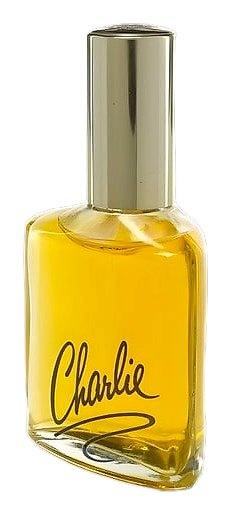
Revlon launched Charlie in 1973. The fragrance opened with bright aldehydes that immediately signaled a departure from the sweet florals dominating the market at the time. Beneath that sparkling top note, green florals emerged with a crisp, slightly herbal quality that added complexity. The oakmoss base anchored the composition, giving it a woody depth that provided real staying power on the skin. That combination of bright opening, green heart, and mossy base earned the 1974 FiFi award, the industry's recognition that something had arrived that worked.
The aldehydes are the signature. Those waxy, almost electric molecules that lift the opening into something bright and immediate. In the top notes, galbanum adds an herbal, green snap, the smell of stems cut fresh. Jasmine and gardenia bring creaminess to the heart, balancing the aldehydes' sharpness without sweetening the composition into softness. The base is where the oakmoss performs its structural work, giving Charlie that classic Chypre foundation that lets the whole thing linger and evolve on skin rather than simply fading. Sandalwood, vetiver, and musk add warmth underneath. The result is a fragrance that holds tension: aldehydes want to fly, oakmoss wants to ground. They negotiate for hours.
The evolution
The aldehydes arrive first, bright, waxy, immediate. Strong sillage holds for roughly an hour before the heart opens and the projection moderates. Lily of the valley, jasmine, geranium, violet: a soapy floral middle that reads as clean and confident. The aldehydes don't disappear, they fade gradually, allowing the heart to take center stage for the next 3-5 hours. Around hour 6-8, the oakmoss and vetiver step forward. That's the drydown: earthy, mossy, with sandalwood and musk providing warmth. On fabric, the base lingers into the next day. On skin, the aldehydes are gone within the first hour but the heart keeps working. Lasts a full workday on most. The next morning, a trace of oakmoss and musk remains, close to skin, intimate, like a second layer.
Cultural impact
Charlie arrived in 1973, a moment when women were entering professional spaces on their own terms. The bold sillage and confident presence made it a fragrance that stood out in shared spaces. That character, that refusal to be quiet, became its identity. The 1974 FiFi award recognized what wearers already knew: this was a fragrance that worked. It carried a presence that made it noticed.