







Heritage
A house, in its own words
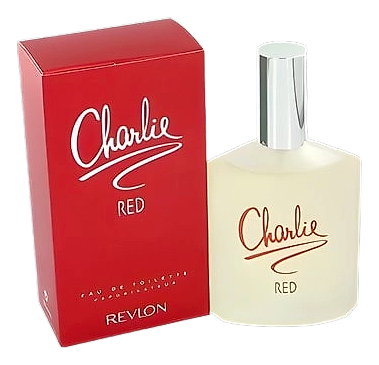
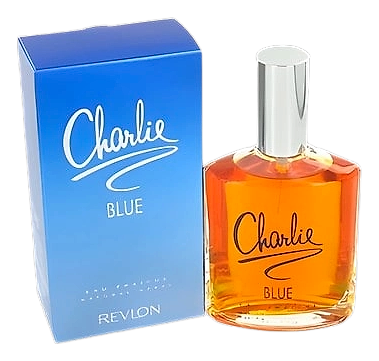
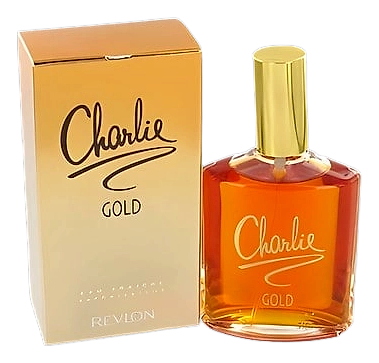
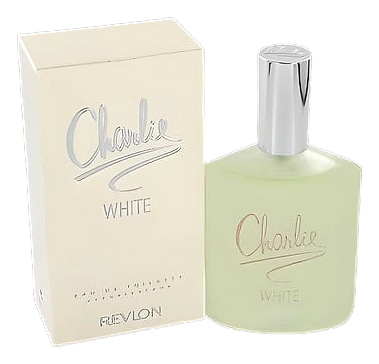
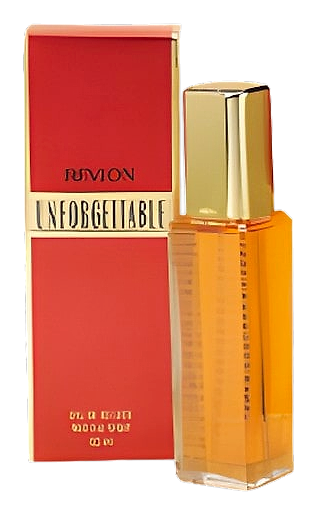
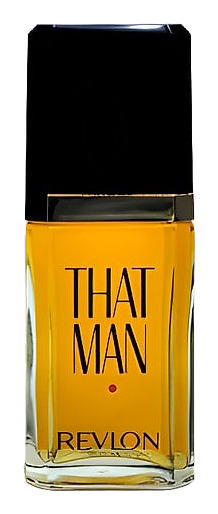
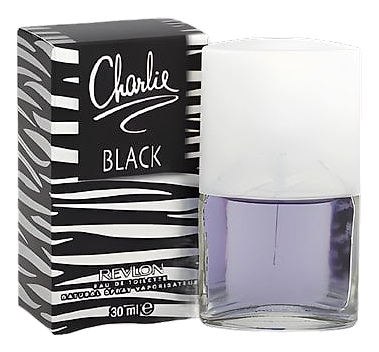
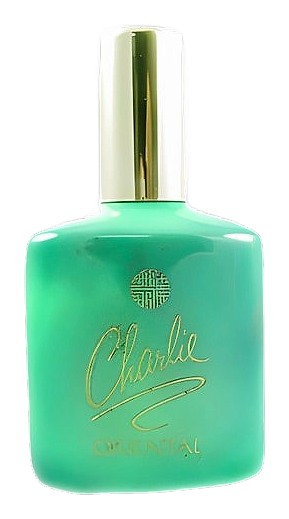
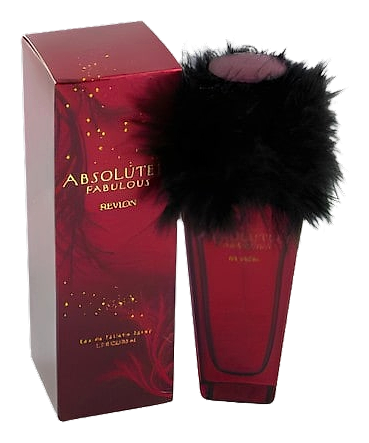
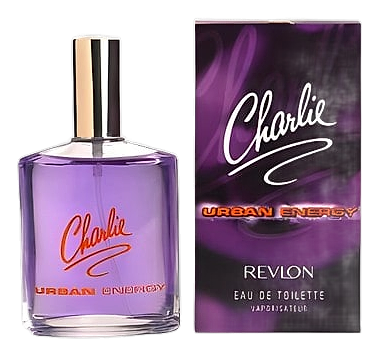
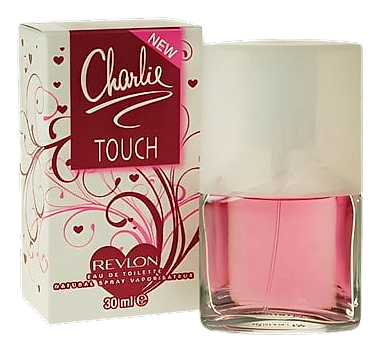
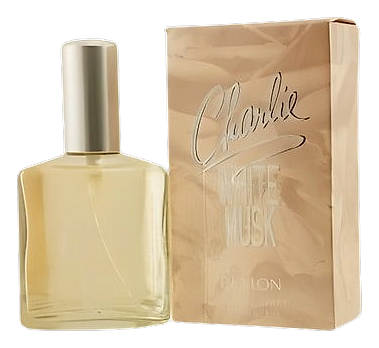
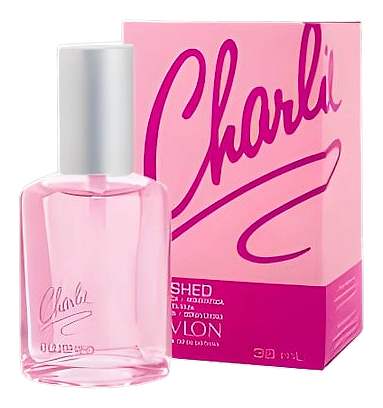
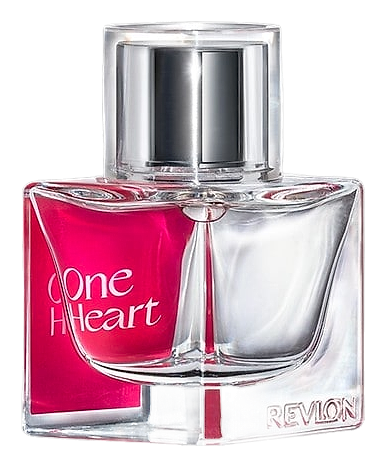
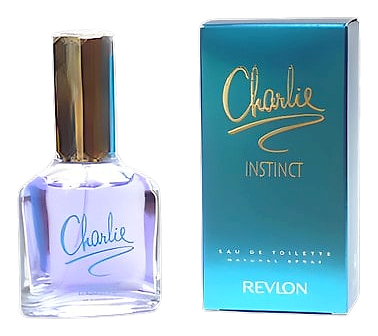
Revlon was founded on March 1, 1932, in New York City by brothers Charles and Joseph Revson alongside chemist Charles Lachman, whose contribution lives in that single letter: Revson + Lachman = Revlon. The company launched with a single product: an innovative nail enamel whose fast-drying formula distinguished it from the market at the time. Charles Revson, who would eventually lead the company as chairman, reportedly asked a central question throughout his career: what do women want? This inquiry, rather than aformula or aesthetic commitment, became the brand's operating principle. The company grew from nail products into color cosmetics during the 1930s and 1940s, then expanded into broader beauty categories. Fragrance offerings appeared by the 1950s, with That Man debuting in 1958. The 1970s brought one of the brand's most significant fragrance moments: the launch of Charlie, which broke convention by featuring a working woman in its campaign imagery rather than a fantasy figure. This marketing approach was unusual for the era and helped establish Revlon's fragrance identity within the mass market. The 1980s and 1990s saw the brand extend across multiple fragrance lines including Charlie Orientals, Charlie Naturals, and the Ajee and Unforgettable releases. Acquisitions reshaped the corporate structure over the decades, with Revlon acquiring the Elizabeth Arden brand in 2016 for approximately $419 million, adding a curated fragrance portfolio to its portfolio. The company filed for Chapter 11 bankruptcy in 2022, restructuring before emerging. The fragrance division remained active throughout these corporate transitions, continuing to develop scents for new and existing audiences. Charles Revson's guiding question, what do women want, shaped Revlon's approach to fragrance development as much as it did to cosmetics. Rather than imposing a fixed olfactory identity, the brand responded to cultural moments and demographic desires. This reactive but敏锐 approach produced fragrances attuned to social trends. Charlie Oriental in 1988 engaged with Western consumers' growing fascination with East Asian markets and aesthetics. Xia Xiang in 1987 took a more direct approach, borrowing from Chinese perfumery traditions. The Charlie Naturals sub-line reflected the broader ecological consciousness of the 1980s and early 1990s, with Fresh Flowers (1986) and Rare Musk (1986) offering different naturals interpretations. Revlon's fragrance philosophy never pursued avant-garde scarcity or collector exclusivity. Instead, the brand operated on the principle that strong fragrance should reach broad audiences. This democratizing instinct meant scent experiences usually reserved for specialty contexts became available through mass-market channels. The trade-off was clear: Revlon fragrances would not occupy the rarefied niche space but would instead serve as cultural artifacts reflecting mainstream desires at specific moments in time.