The Story
Why it exists.
The beginning
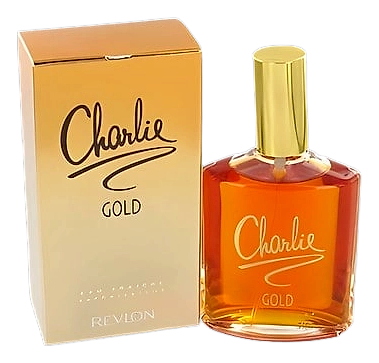
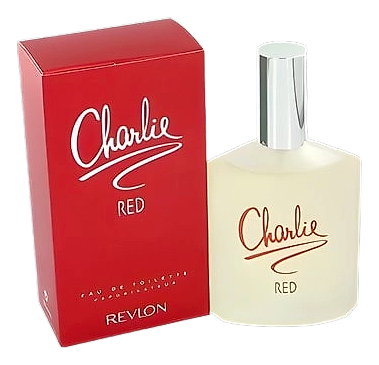
Charlie Red arrived in 1993 as part of Revlon's sustained conversation with women about what they wanted to smell like. The Charlie franchise had already proven that mass-market fragrances could carry ambition, Charlie Oriental in 1988 had engaged Western consumers with East Asian olfactory traditions when such exchanges were still novel. By the early 1990s, the brand understood something more fundamental: women wanted scent that matched their own confidence, not scent that preceded them into a room. Charlie Red was built on that insight. The name carried forward the Charlie identity, bold, declarative, un-girlie, while the red designation suggested warmth, presence, and something with weight.
What makes Charlie Red structurally interesting is the contradiction it holds: white florals are typically delicate, ephemeral things. Gardenia lasts twenty minutes on most skin. Tuberose fades to a memory. But Charlie Red stacks them, gardenia, tuberose, jasmine, ylang-ylang, lily of the valley, orchid, rose, and anchors the whole structure in honey. Honey is a preservative. It slows decay. In this composition, it does the same work for the florals above it, extending their presence, keeping them warm rather than letting them go sharp and citrusy as they oxidize. The result is a white floral that behaves like an oriental.
The evolution
The opening is a full-throttle floral assault, gardenia and peach hitting first, with blackcurrant adding a tart undertone that prevents the sweetness from cloying. Within ten minutes, the orange blossom and violet arrive, softening the edges. The heart is where Charlie Red earns its name: tuberose and carnation together create a spicy creaminess that feels both warm and slightly wild, the animalic note in the accords isn't a lie. It's there in the back of the throat, a low warmth that doesn't announce itself but lingers. The base is honey first, then sandalwood, then musk. Cedar and amber provide structure. By the third hour, the honey has settled into something closer to warm bread, not sweet, just present. On fabric, this fragrance lasts days. The powdery drydown is unmistakably 1990s, and if that era was your world, it still smells like it.
Cultural impact
Charlie Red belongs to a specific moment in fragrance history, the early 1990s, when mainstream perfumery was discovering that women wanted scent with presence. The Charlie franchise had normalized the idea that mass-market fragrances could carry ambition, and Charlie Red pushed further. It wasn't trying to smell expensive or exclusive. It was trying to smell like a woman who had things to do and places to be. That positioning, confident without being intimidating, warm without being soft, defined a generation of fragrances and continues to resonate with wearers who want their scent to match their energy.