The Story
Why it exists.
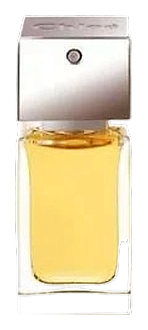
Fifth Avenue is not a street. It's a claim. The perfume named after it arrives in 1996, a year when New York felt like itself again, energetic, aspirational, architecturally shameless about wanting more. Ann Gottlieb built this as a wearable translation of that address: the luxury everyone recognizes, worn by someone who doesn't need to announce herself. Lilac, magnolia, lily of the valley, a green-floral opening that reads like a just-touched flower, not a billboard. The name does the work that the scent doesn't need to.
If this were a song
Community picks
Adorn
Miguel
The Beginning
Fifth Avenue is not a street. It's a claim. The perfume named after it arrives in 1996, a year when New York felt like itself again, energetic, aspirational, architecturally shameless about wanting more. Ann Gottlieb built this as a wearable translation of that address: the luxury everyone recognizes, worn by someone who doesn't need to announce herself. Lilac, magnolia, lily of the valley, a green-floral opening that reads like a just-touched flower, not a billboard. The name does the work that the scent doesn't need to.
What makes the pyramid interesting is the tension between green-floral openness and powder-iris warmth. The top notes arrive dewy and citrussy, bergamot, mandarin, linden blossom light up the first entrance. Then the white florals arrive en masse: jasmine, ylang-ylang, Indian tuberose. They don't compete for attention. They layer, building a heart that stays warm without going heavy. Nutmeg and carnation thread through the middle, adding spice depth that stops the florals from floating into something too pretty. The base pulls it all back to skin: Tibetan musk, sandalwood, vanilla, and iris powder, settling into a close warmth that behaves.
The Evolution
The opening is crisp and immediately pleasing, bergamot, mandarin, lilac, magnolia in quick succession. You smell it before it's fully on. Around fifteen minutes in, the white florals arrive and absorb the citrus brightness, replacing it with creamy tuberose and jasmine. The middle phase is the fragrance's actual personality, warm, assured, floral without apology. Nutmeg lingers beneath the flowers, subtle but present. Forty-five minutes in, iris powder begins its work, drying the composition into something cleaner, closer, more personal. The sandalwood and amber arrive last, wrapping around the musk and vanilla for a base that stays within arm's reach, intimate, not broadcasting. On skin, six to eight hours. On fabric the next morning, a faint powder warmth still detectable.
Cultural Impact
Fifth Avenue arrived in 1996 as a statement fragrance from a beauty house that had spent decades defining what American luxury looked like. Its powdery-floral warmth and moderate sillage made it immediately approachable, not a scent that demands performance from the wearer, but one that enhances whatever presence is already there. That quality made it a reliable signature scent for women who want something present without being loud, someone who reaches for the same bottle because it works and keeps working.

The House
United States · Est. 1910
Elizabeth Arden built American prestige beauty from a single Fifth Avenue salon, pioneering the makeover concept and introducing eye makeup to mainstream culture. Today the house spans skincare, cosmetics, and a fragrance catalog spanning decades, from the iconic Red Door to the modern Untold collection.
If this were a song
Community picks
A city afternoon. Light through high windows, the kind of quiet that means the work is going well. Something polished playing in the background, not aggressive, not soft. Just there, in the right way. The fragrance has that quality: confident without performing, present without insisting.
Adorn
Miguel