Lilac
Lilac (Syringa vulgaris) carries one of spring's most beloved floral scents, yet perfumers cannot extract it directly. Its aromatic compounds degrade under heat and solvents, making lilac a silent flower that science must recreate rather than harvest.
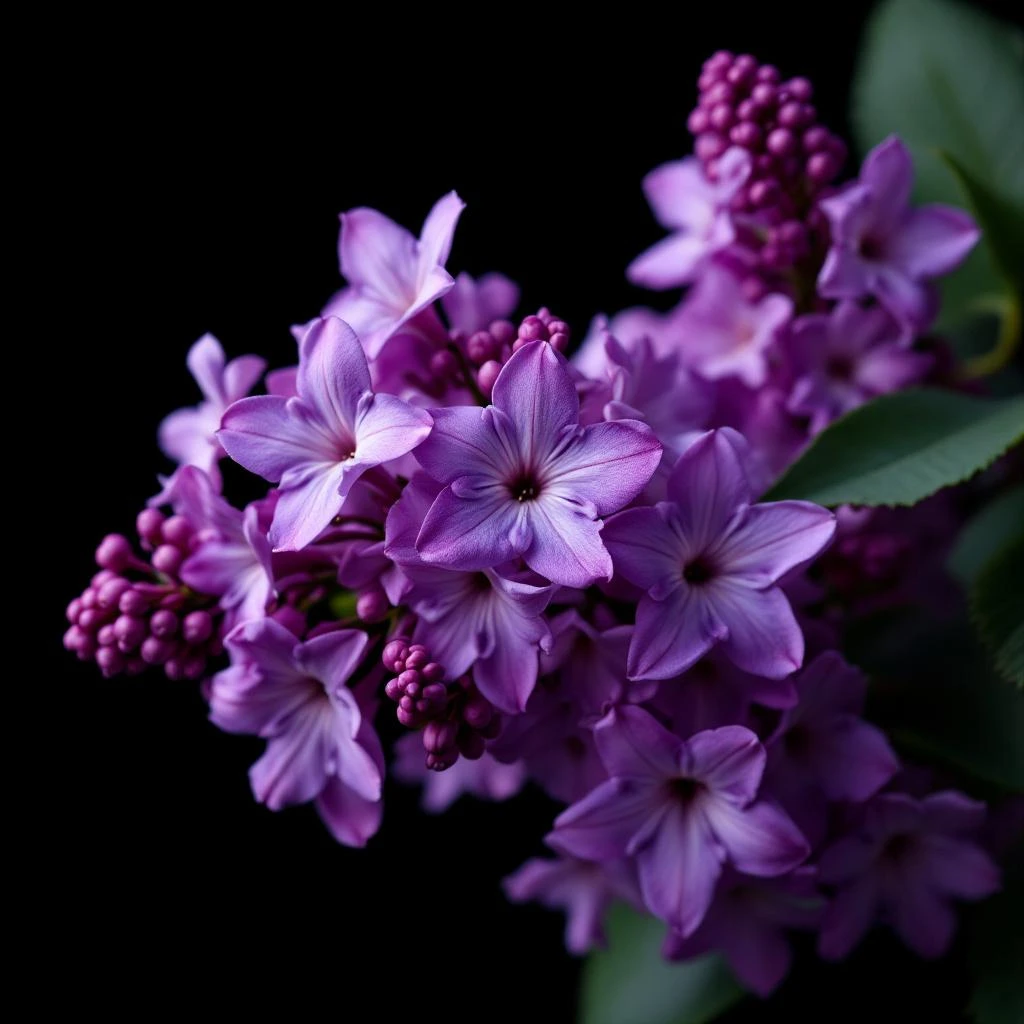
Character
How it smells
The silent flower that science must recreate.
Lilac ranks among the few flowers classified as mute in perfumery. Its scent defies steam distillation and solvent extraction, requiring synthetic recreation.







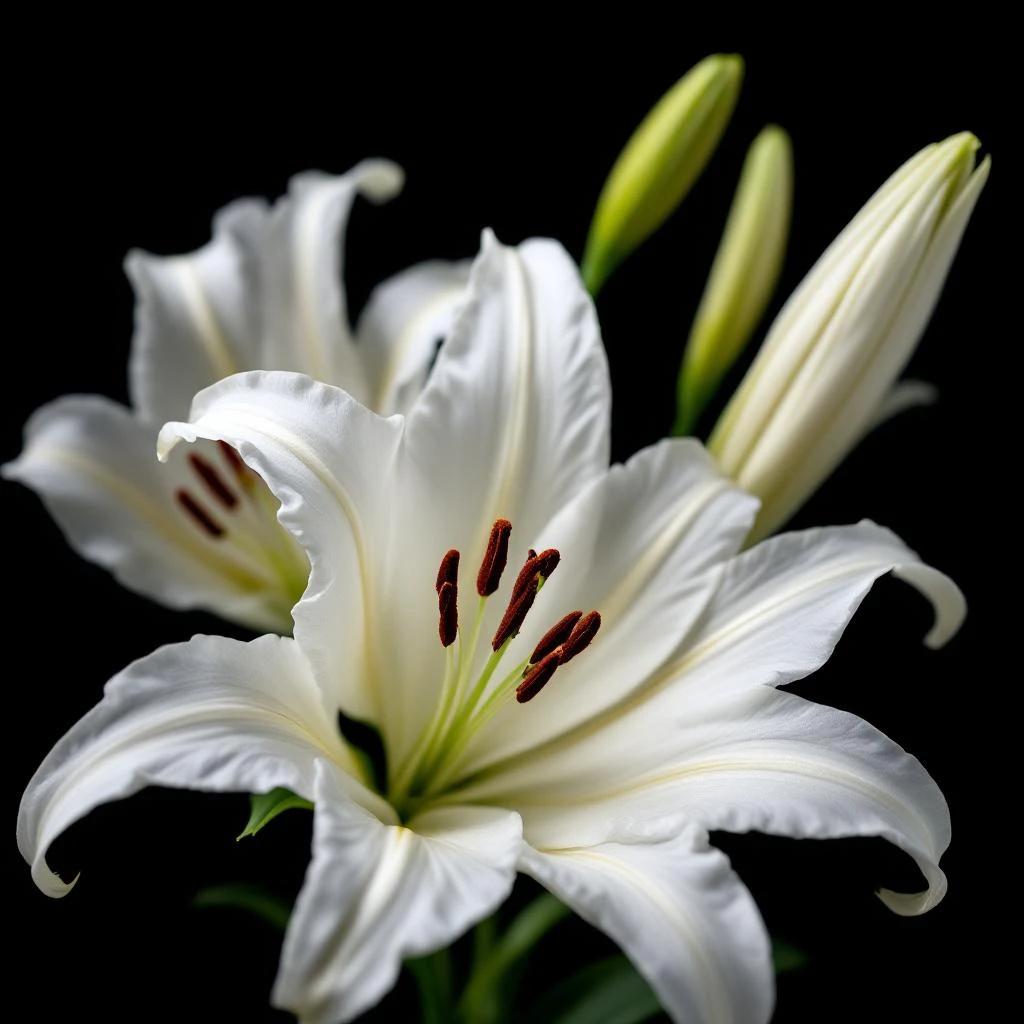

Origin
Turkey
Syringa vulgaris originated in Southeast Asia and traveled westward along Ottoman trade routes to Constantinople, where European diplomats encountered it in the 16th century. The flower took its scientific name from the Greek word for pipe, referencing its hollow stems. By the 1700s, lilac had become a prized ornamental shrub across European gardens, celebrated for its cascading blooms and intoxicating spring fragrance.
Linnaeus formally classified the plant in 1753. Despite its popularity in horticulture, lilac posed a persistent challenge for perfumers. Its aromatic compounds could not survive conventional extraction, which only increased its desirability.
The late 19th and early 20th centuries brought breakthroughs in organic chemistry that enabled perfumers to recreate lilac synthetically. These aroma chemicals entered commercial production alongside the first lab-made fragrance ingredients like vanillin and coumarin. Lilac quickly became one of the most recognizable spring fragrance notes, gracing perfumes that sought to bottle the feeling of a garden in bloom.
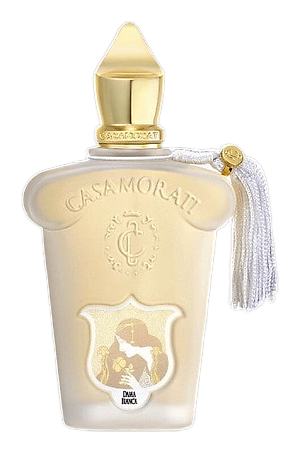
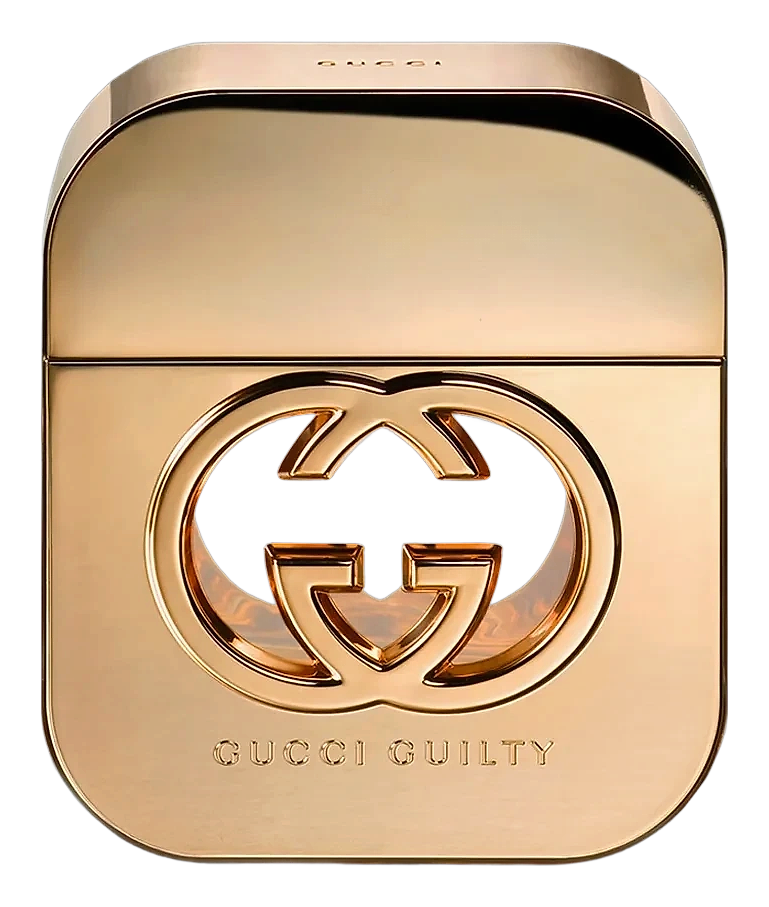
Wears it best
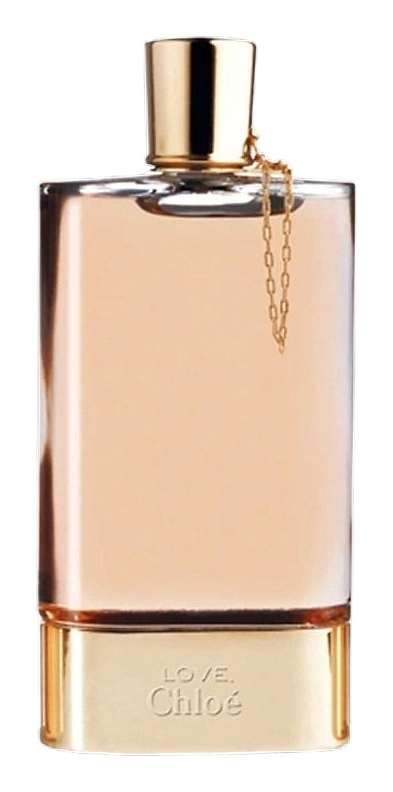
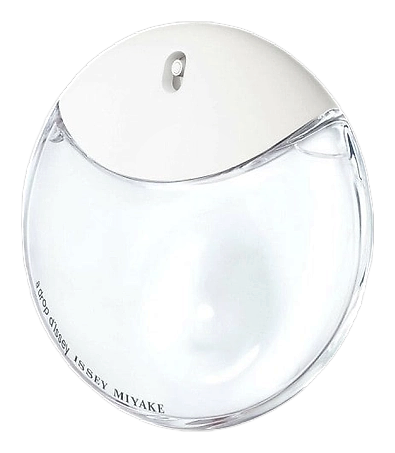
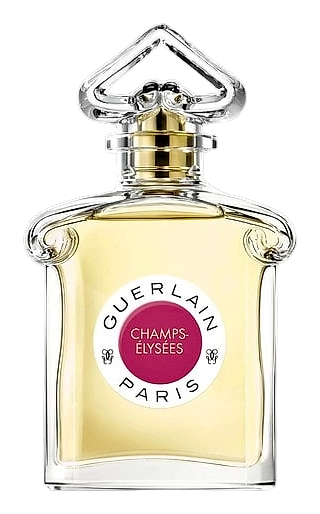
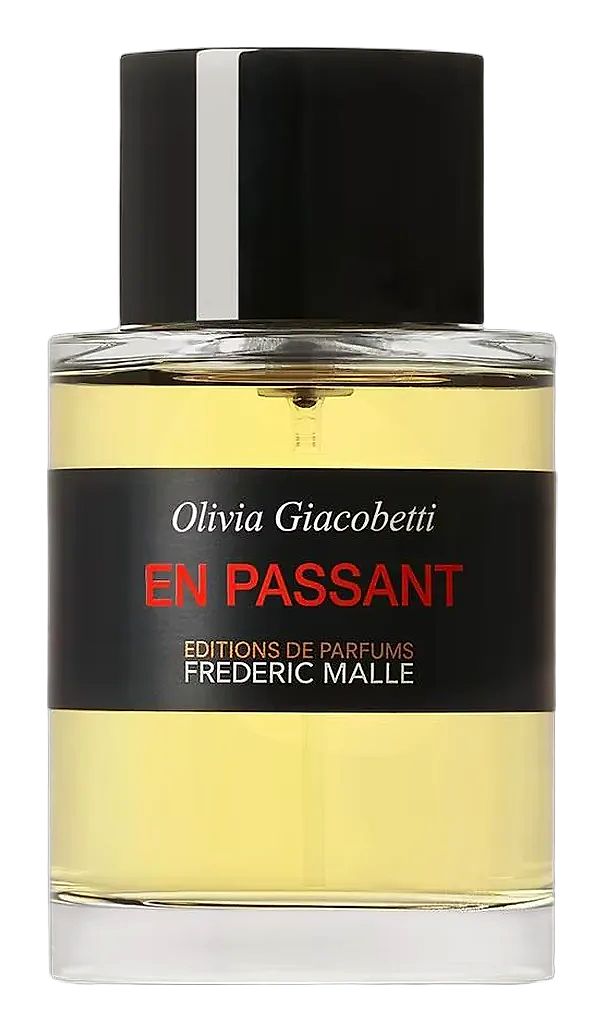
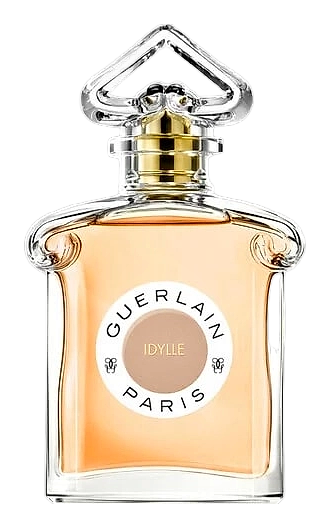
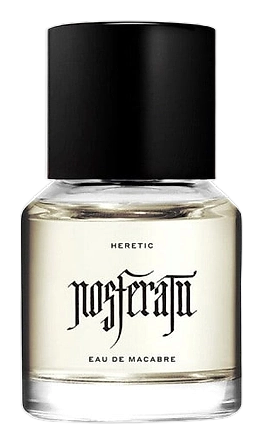
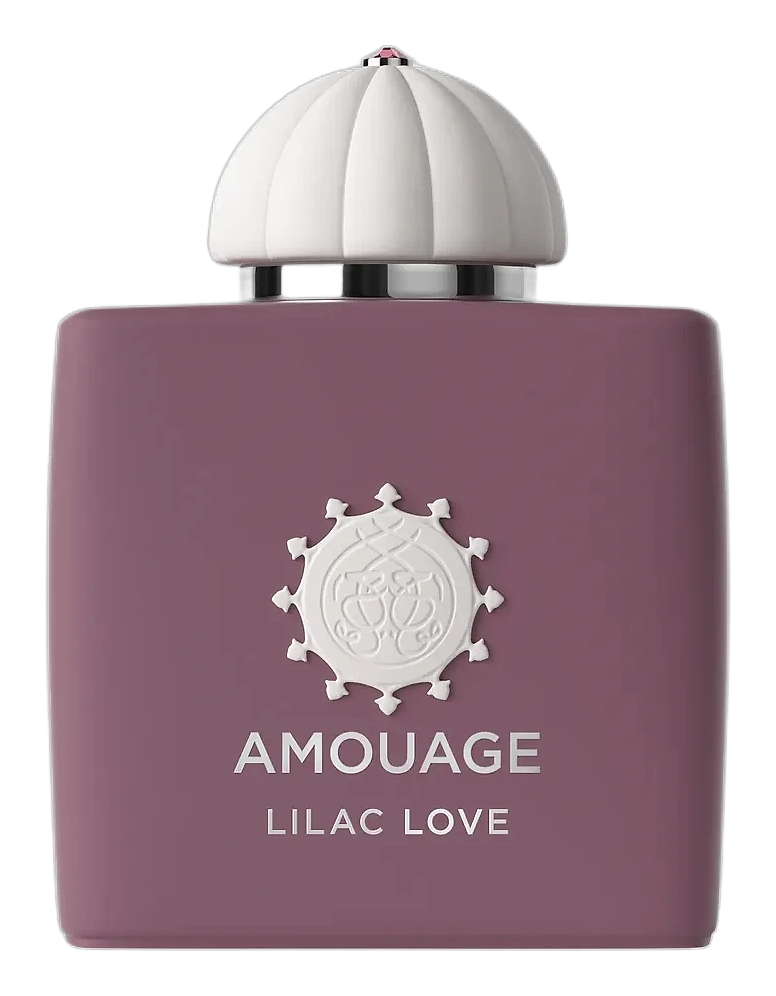
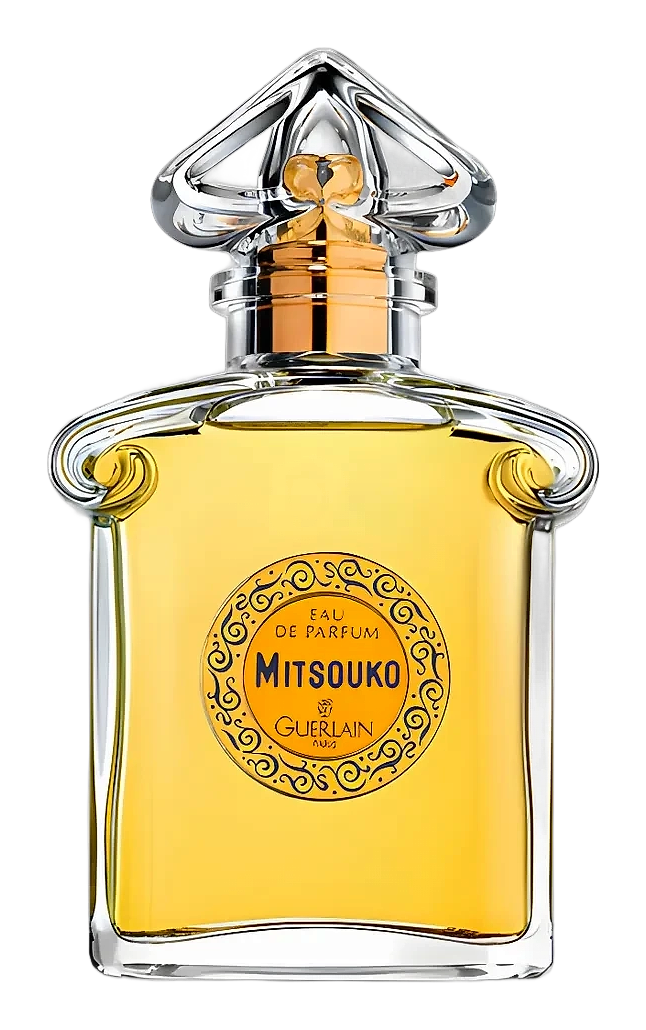
Fragrances featuring Lilac


Brands
Brands known for Lilac
Good to know
Questions, answered
The essentials on Lilac in perfumery: how it smells, where it comes from, and how it behaves on skin.
Is there a natural lilac essential oil?
No natural lilac essential oil exists. Lilac ranks among the mute flowers whose scent compounds degrade during steam distillation and solvent extraction. Perfumers recreate the scent using synthetic aroma chemicals.
Why is lilac called a mute flower?
Mute flowers release aromatic compounds that degrade when exposed to heat or solvents. Lilac loses its scent during conventional extraction, requiring perfumers to build lilac accords from multiple aroma chemicals.
What does lilac smell like in a perfume?
Lilac reads as sweet, green-floral with a slightly bitter edge. It carries a dewy freshness and a medicinal quality reminiscent of its actual blooms. The scent feels soft, nostalgic, and unmistakably spring.
What type of fragrance note is lilac?
Lilac functions as a heart note. It emerges after top notes dissipate, allowing its romantic, softly nostalgic character to take center stage in spring and summer fragrance compositions.
Where does lilac originate from?
Syringa vulgaris traveled from Southeast Asia along Ottoman trade routes to Constantinople in the 16th century. Europeans brought it westward, and it became a prized garden shrub by the 1700s before entering perfumery.
Which famous perfumes feature lilac?
Multiple classic fragrances showcase lilac as a featured note. These include Diorissimo by Dior, Ariane by L'Artisan Parfumeur, and Guerlain's Muguet, each interpreting the flower differently.
How is lilac absolute produced?
Enfleurage is the traditional method. Perfumers press fresh petals onto cold fat, allowing it to absorb scent over 24 to 72 hours. The saturated fat becomes a pomade, which gets treated with alcohol to yield absolute.
What aroma chemicals recreate lilac in perfume?
Perfumers blend lilial, hydroxycitronellal, phenylacetaldehyde, and terpineol to build lilac accords. These chemicals combine to evoke the sweet, green-floral character of fresh lilac blooms.


