







The Heritage
The Story of Elizabeth Arden
Elizabeth Arden built American prestige beauty from a single Fifth Avenue salon, pioneering the makeover concept and introducing eye makeup to mainstream culture. Today the house spans skincare, cosmetics, and a fragrance catalog spanning decades, from the iconic Red Door to the modern Untold collection.
Heritage
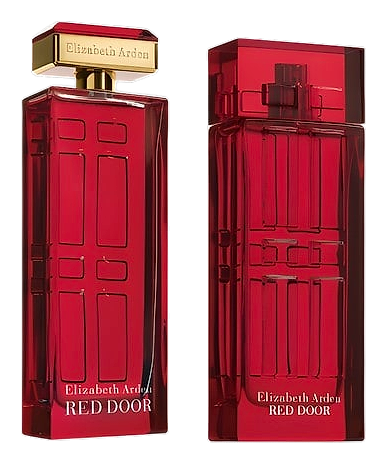
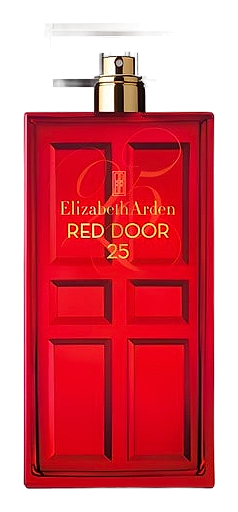
Florence Nightingale Graham founded the company in 1910, borrowing $6,000 from her brother to open a salon on Fifth Avenue in New York City. She adopted the professional name Elizabeth Arden, rejecting her birth name entirely. The red door of that original salon became the company's signature emblem and later inspired the name of its most iconic fragrance, Red Door, launched in 1989. Within a few years of opening, Arden had expanded across the East Coast and introduced her first fragrance, Blue Grass, in 1934 — among the earliest perfumes launched by a cosmetics firm. By World War II, dozens of salons operated worldwide. After Arden's death in 1966, the company changed hands multiple times: Eli Lilly purchased it in 1971, Fabergé in 1987, and FFI acquired it from Unilever in 2003. Revlon purchased the company outright in 2016. Elizabeth Taylor's White Diamonds, launched in 1991, became the top-selling fragrance in the United States that year, illustrating the brand's continued cultural reach decades after its founder's passing. The company has since expanded into licensed celebrity fragrances under brands including Britney Spears, Mariah Carey, and Juicy Couture.
Craftsmanship
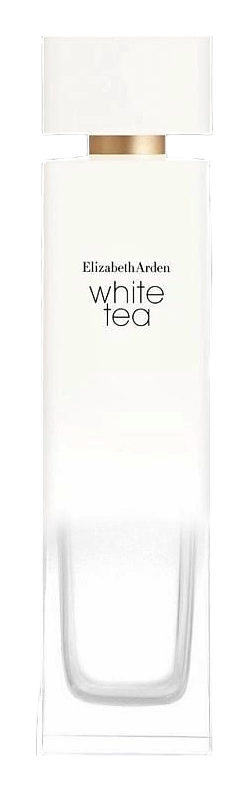
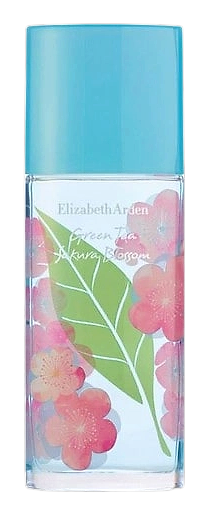
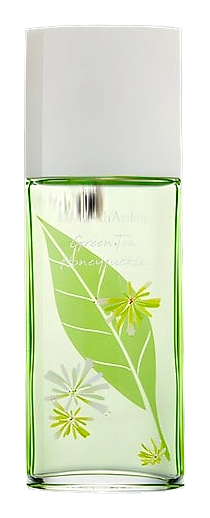
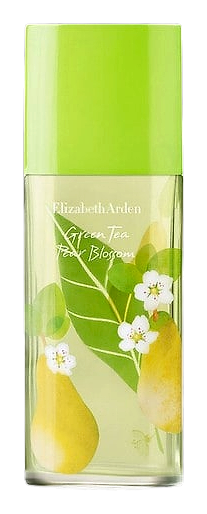
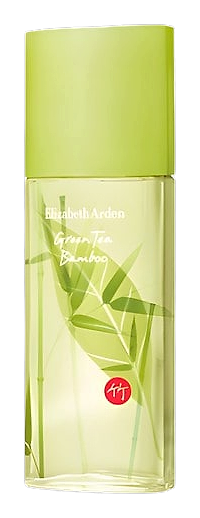
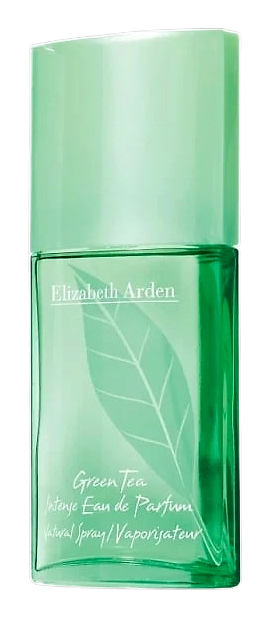
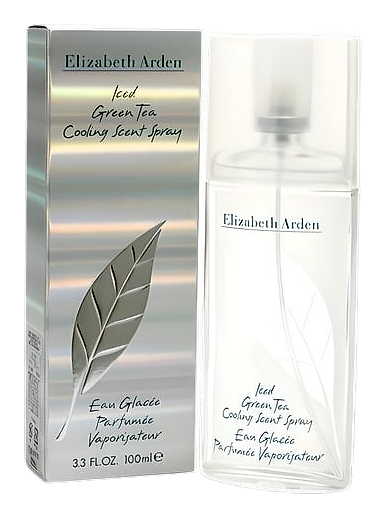
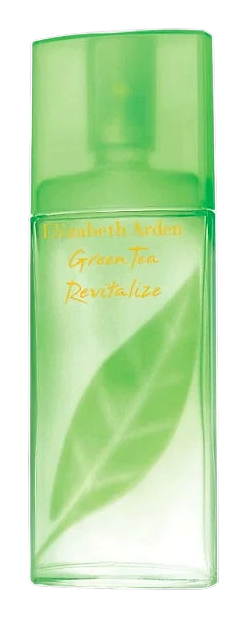
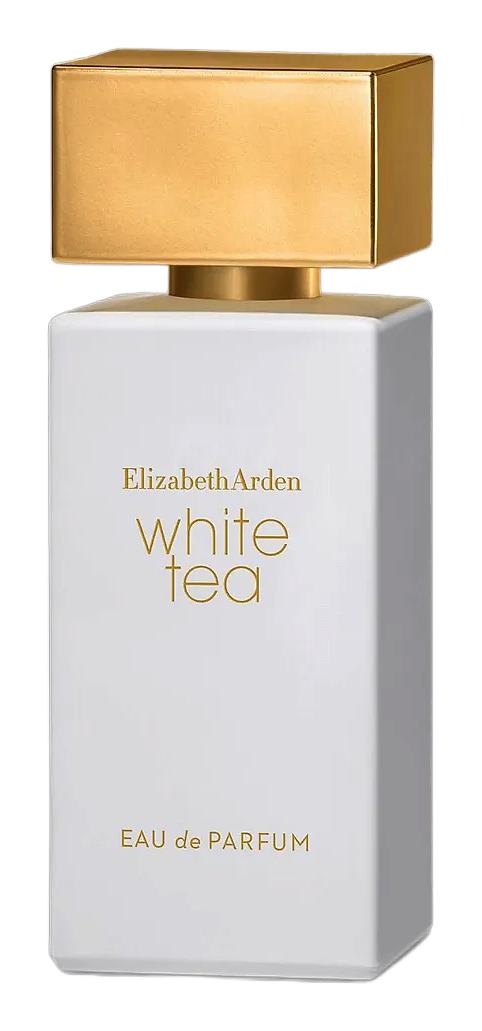
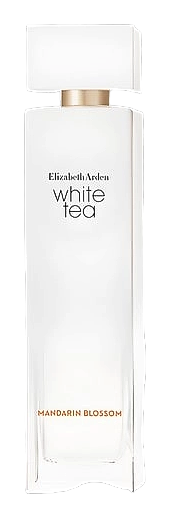
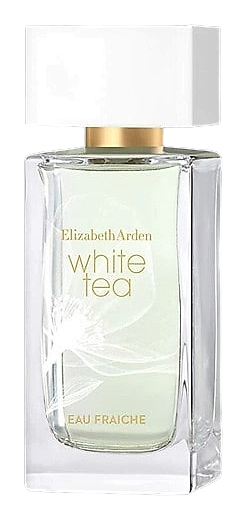
Elizabeth Arden works with established perfumers rather than maintaining an in-house nose. Notable collaborators include Maurice Roucel, Jacques Polge, and Olivier Polge — perfumers with backgrounds at major houses — lending credibility to the formulas. The brand draws from classic French perfumery techniques while adapting for modern taste profiles, as seen in Untold Absolu's woody-amber construction and White Tea's minimalist approach. Ingredient sourcing varies by product line, with flagship scents like Red Door relying on more established compositions while flankers and extensions experiment with newer materials. The Green Tea line introduced the concept of accessible aromatics to a wider audience, using citrus and green notes as an entry point into the brand's world.
Design Language
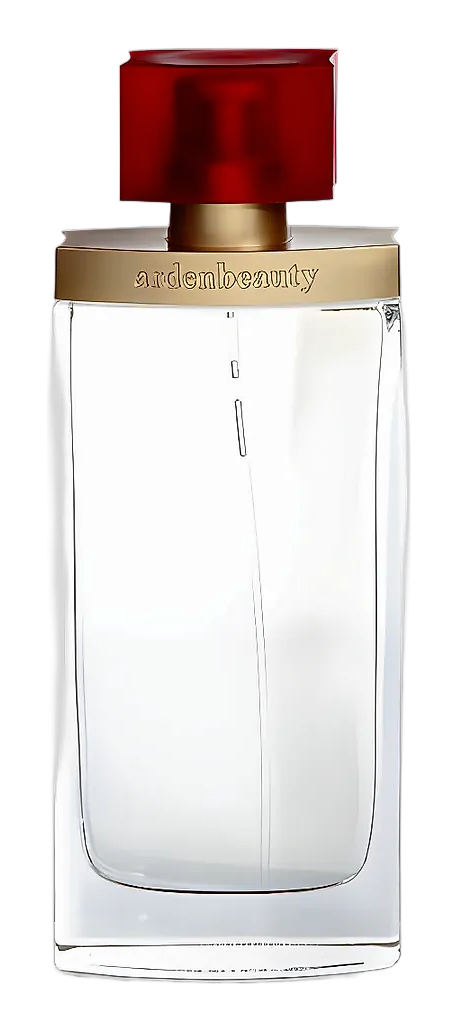
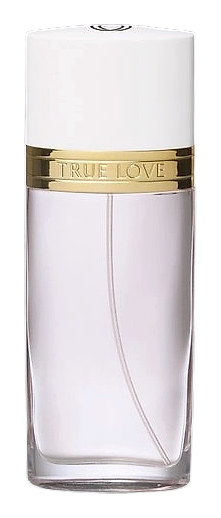
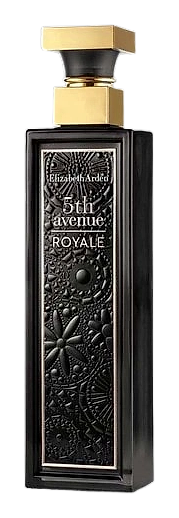
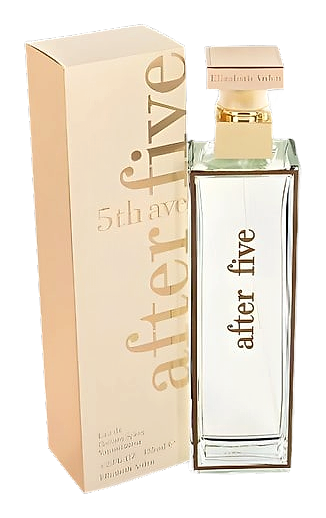
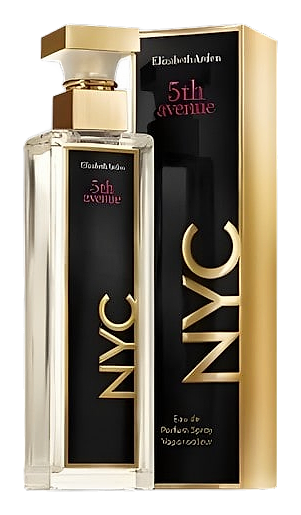
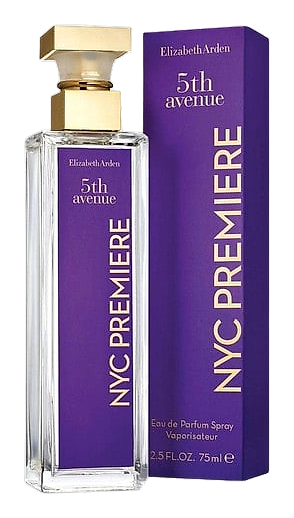
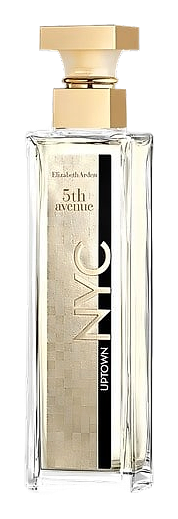
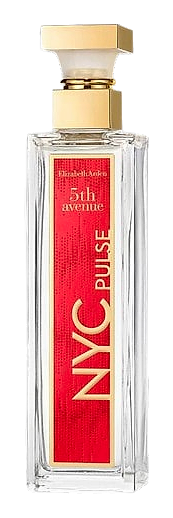
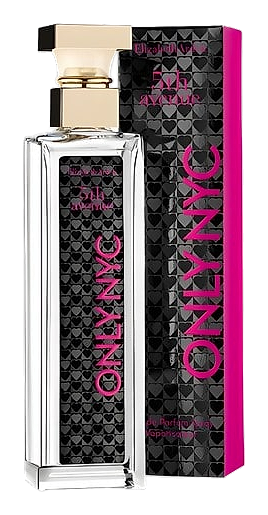
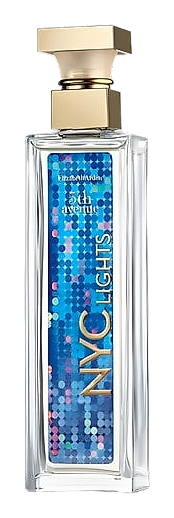
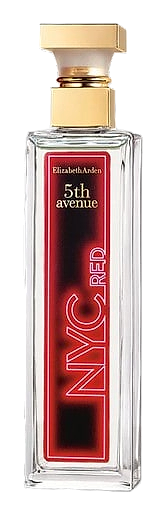
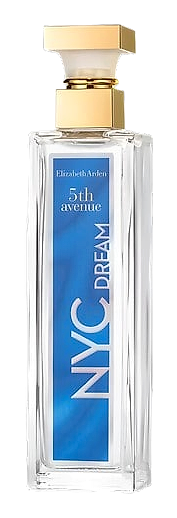
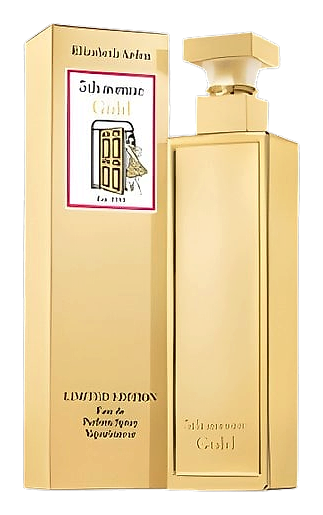
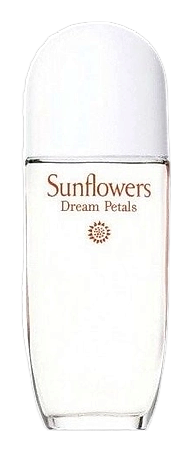
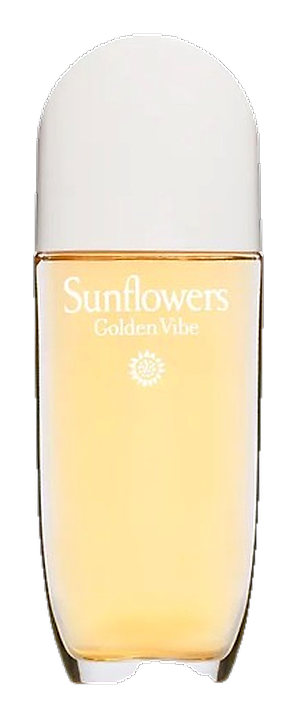
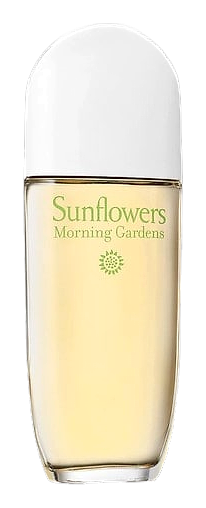
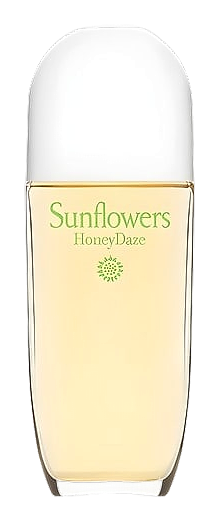
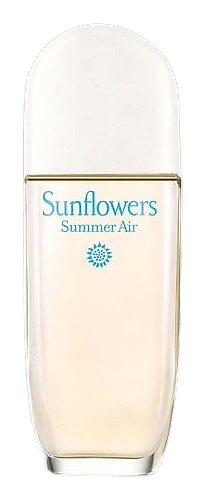
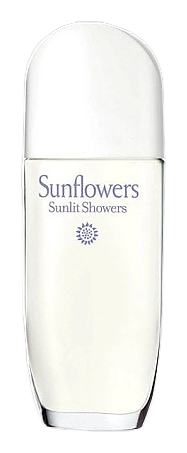
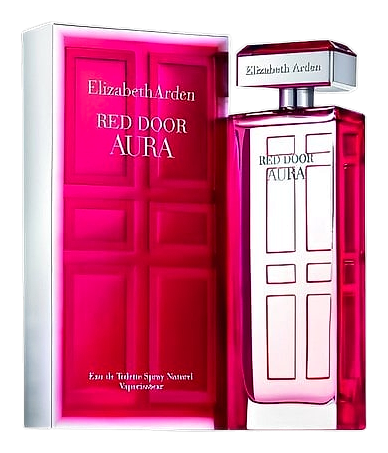
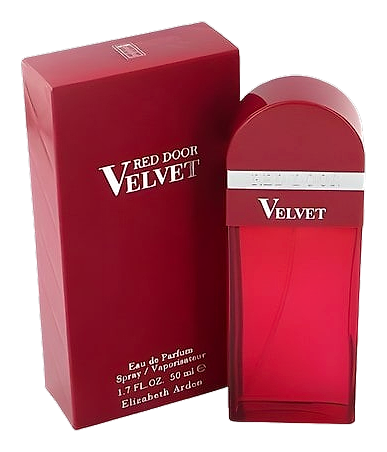
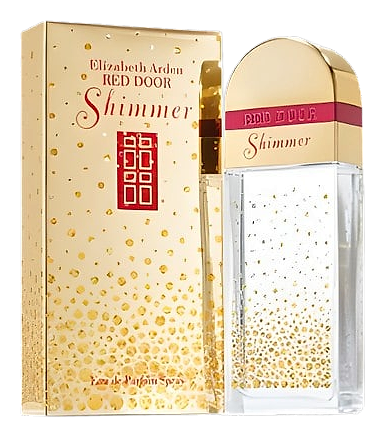
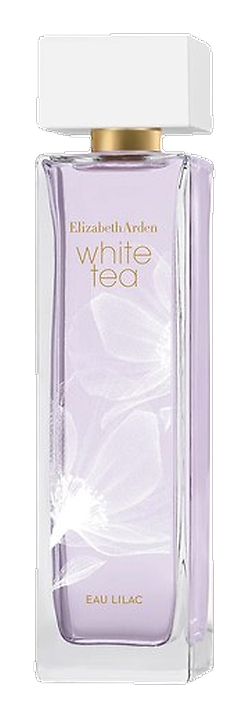
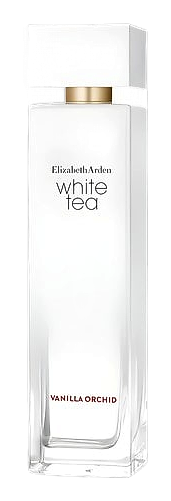
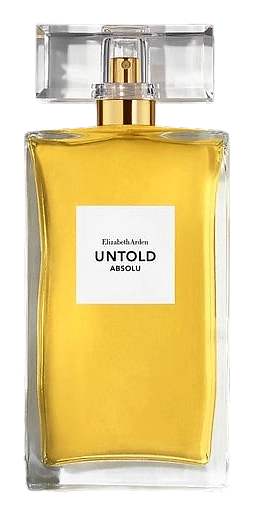
The visual identity of Elizabeth Arden is anchored by the red door motif — a color that became synonymous with luxury and femininity in American beauty culture. Fragrance bottles tend toward clean, architectural shapes with minimal ornamentation. The Red Door bottle features a deep crimson cap and a sleek rectangular form, communicating old-money elegance without excess. The 5th Avenue line uses frosted glass and metallic accents to evoke New York urbanity. Untold bottles adopt a more contemporary language — faceted glass and gradient coloring — while still feeling premium. Sunflowers packaging uses warm yellows and floral illustration to signal brightness and approachability. The overall aesthetic is classic American prestige: polished, feminine, and broadly appealing rather than avant-garde.
Philosophy
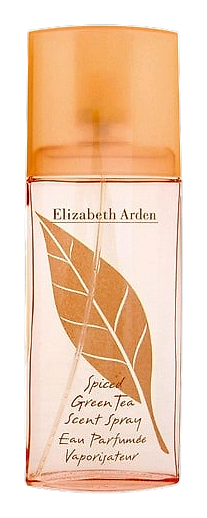
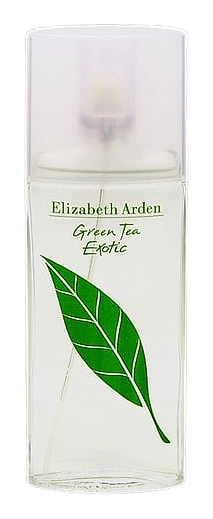
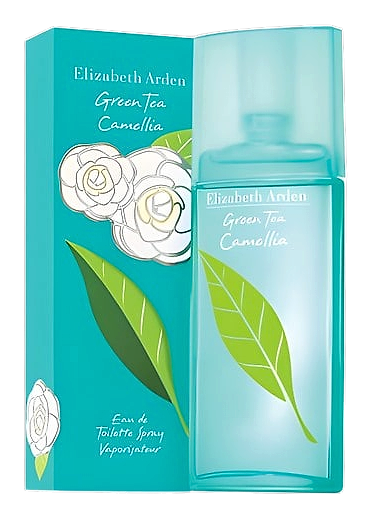
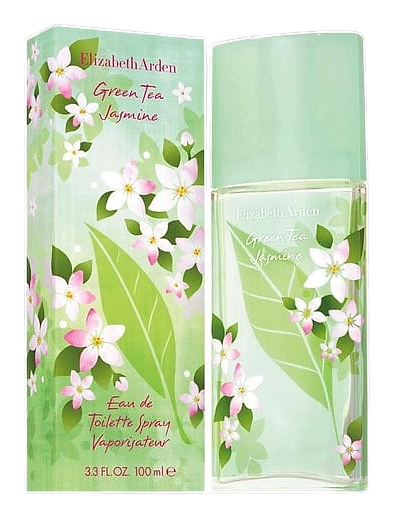
Elizabeth Arden's founder believed beauty should enhance rather than mask — a principle that shaped every product she developed. She positioned beauty as an act of personal empowerment, encouraging women to invest in themselves. That ethos carries through the modern fragrance portfolio, which favors accessible luxury over exclusive rarity. Scents like 5th Avenue and Sunflowers aim for broad wearability rather than niche complexity. Green Tea became one of the brand's bestsellers by offering a fresh, spa-like profile at an approachable price point. Untold, launched in 2014 and expanded through 2024, targets a younger demographic while maintaining the polish expected of the brand. The philosophy remains consistent: sophisticated, feminine, and wearable.
Key Milestones
1910
Florence Nightingale Graham opens the first Elizabeth Arden salon on Fifth Avenue, New York City.
1934
Blue Grass launches as one of the first fragrances created by a cosmetics company.
1966
Elizabeth Arden dies at age 87; the company continues under new ownership.
1989
Red Door fragrance debuts, named for the iconic door of the Fifth Avenue salon.
2016
Revlon completes acquisition of Elizabeth Arden; the company becomes a wholly owned subsidiary.
At a Glance
Brand profile snapshot
Origin
United States
Founded
1910
Heritage
116
Years active
Collection
1
Fragrances released
Avg Rating
3.9
Community sentiment


