Magnolia
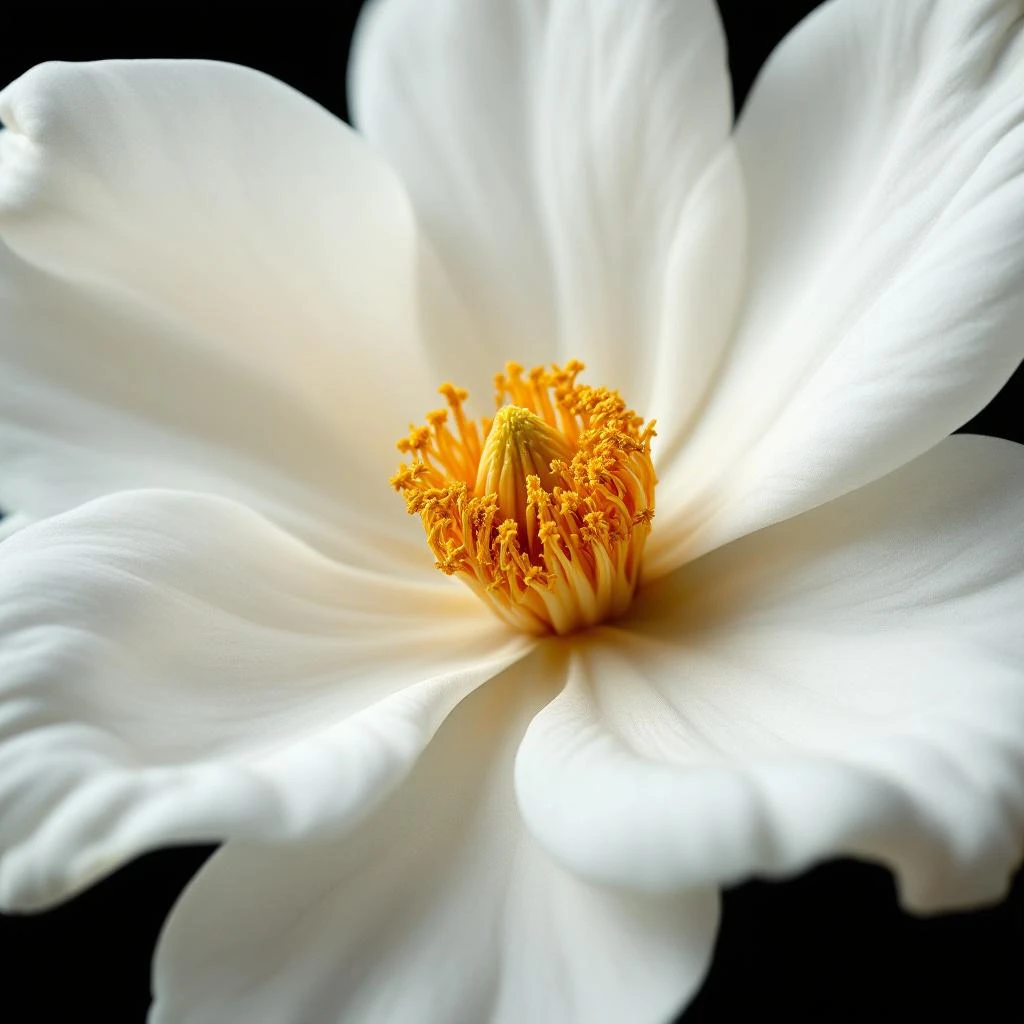
A solar flower yielding creamy, lemony, honeyed nuances. Among the oldest flowering plants on Earth, magnolia bridges ancient botanical heritage with contemporary perfumery through delicate solvent extraction from its petals.
Character
How it smells
Ancient petals, modern elegance
Magnolias existed before bees evolved, which is why their tough carpels are designed to be pollinated by beetles rather than flying insects.








Origin
China
Magnolia ranks among the most ancient flowering plants, with fossil records stretching back roughly 95 million years, long before bees appeared on Earth. The genus originated across both Asia and the Americas, encompassing around 200 distinct species.
Traditional cultivation began in China and India, where the flowers carried ceremonial and medicinal significance for centuries. European botanists introduced Magnolia to Southern France and Italy at the close of the eighteenth century, where it found a receptive climate in botanical gardens and ornamental estates.
The flower entered commercial fragrance composition only in the early 1990s, making it a relatively young addition to the perfumer's palette despite its deep botanical antiquity. Today, Chinese production remains the primary commercial source for both bark and flower derivatives used in Western and perfumery.
Wears it best
Fragrances featuring Magnolia

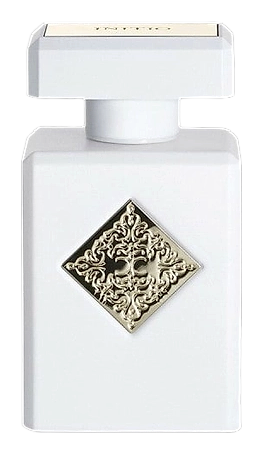
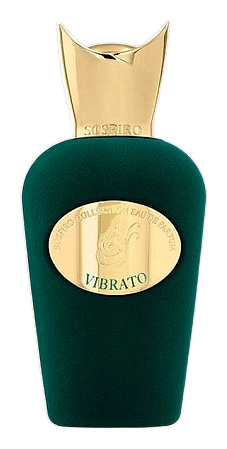


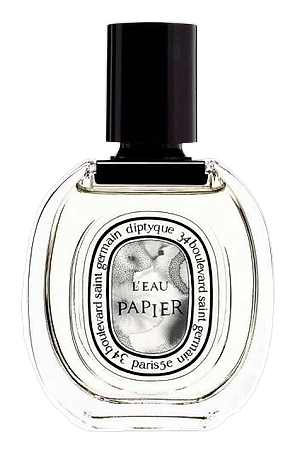
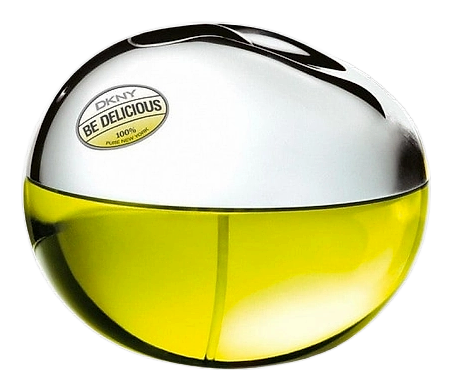
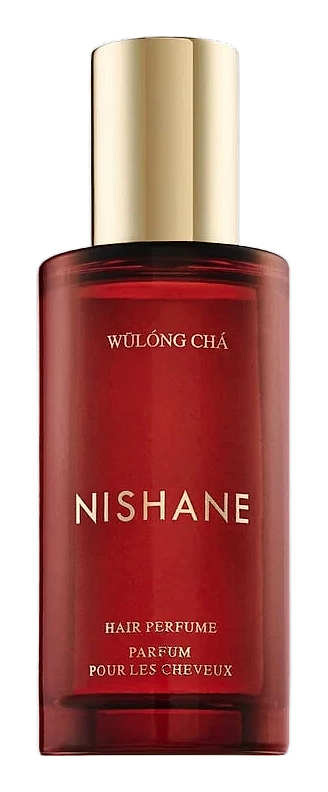
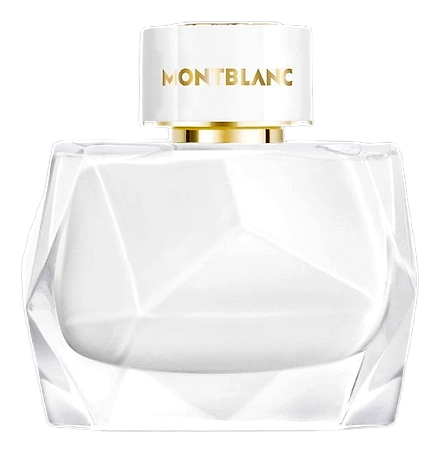

Brands
Brands known for Magnolia
Good to know
Questions, answered
The essentials on Magnolia in perfumery: how it smells, where it comes from, and how it behaves on skin.
What does magnolia smell like in perfume?
Magnolia offers a creamy, lemony-honeyed character with soft citrus top notes and faint green undertones. It sits between floral and fruity families, lending solar warmth without heavy indolic intensity.
When did magnolia enter perfumery?
Magnolia joined commercial fragrance composition in the early 1990s, making it a relatively modern note. Natural extraction challenges kept it absent from mainstream palettes until solvent and CO2 methods matured.
Where is magnolia essence produced?
China's Guanxi and Fujian provinces serve as the primary production regions, where Magnolia officinalis is harvested for both bark and flower derivatives. Established supply chains make Chinese magnolia the industry standard.
Why is magnolia expensive in fragrance?
Extraction yield is notoriously low: thousands of petals yield only a few grams of concentrate. This scarcity, combined with delicate handling requirements, places magnolia among the pricier floral absolutes.
Is magnolia a natural or synthetic note?
Both forms exist. Natural magnolia absolute comes via CO2 or solvent extraction, while synthetic approximations using linalool and beta-ionone appear in compositions where natural supply proves insufficient.
How old is the magnolia plant?
Magnolia fossils date back approximately 95 million years, making it one of Earth's most ancient flowering plants. It evolved before bees existed, relying on beetle pollination instead.
What extraction method works best for magnolia?
CO2 extraction captures the fullest aromatic profile from magnolia flowers without thermal damage. Solvent extraction remains standard for producing absolute from delicate, low-yield petals.
Which magnolia parts are used in perfumery?
Both Magnolia officinalis bark and flowers enter fragrance production, with bark offering greater commercial viability. Flower petals provide the prized creamy, lemony character, while bark contributes deeper woody facets.



