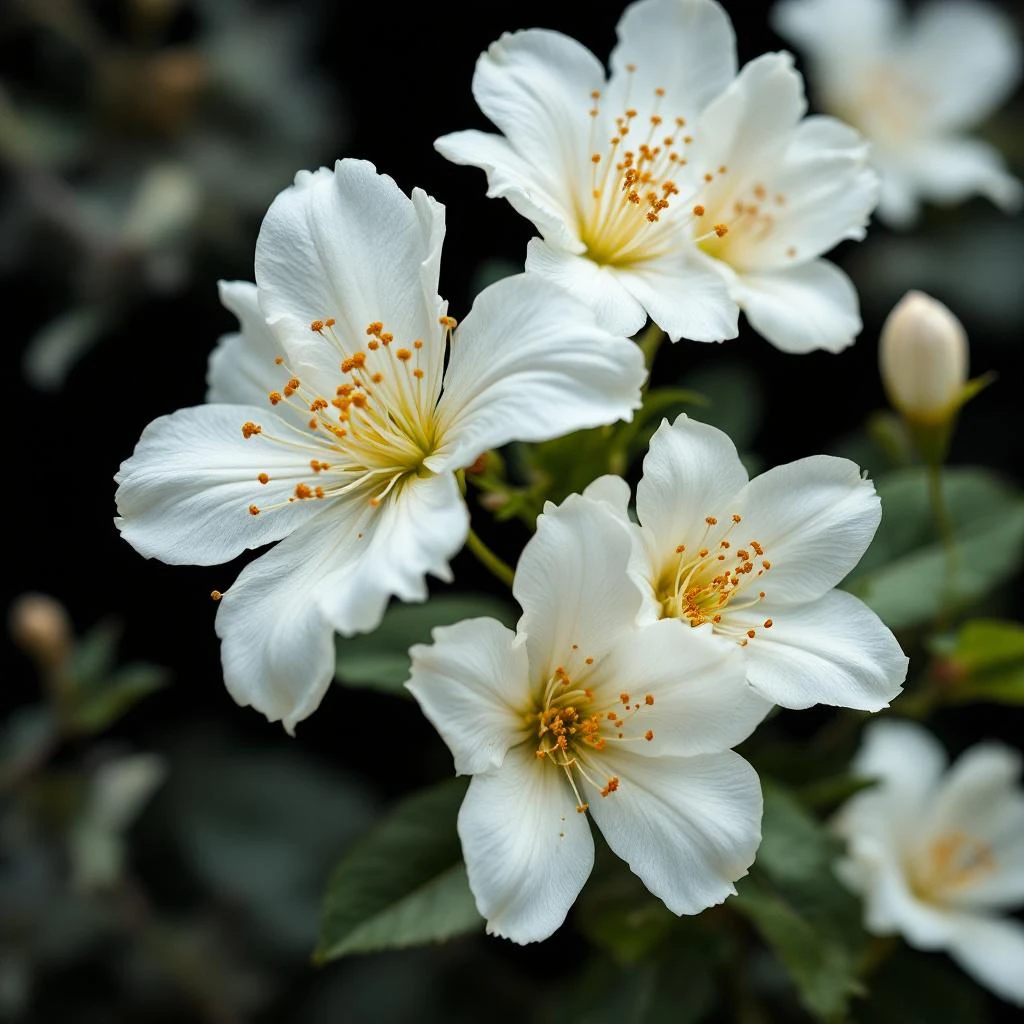
Linden Blossom
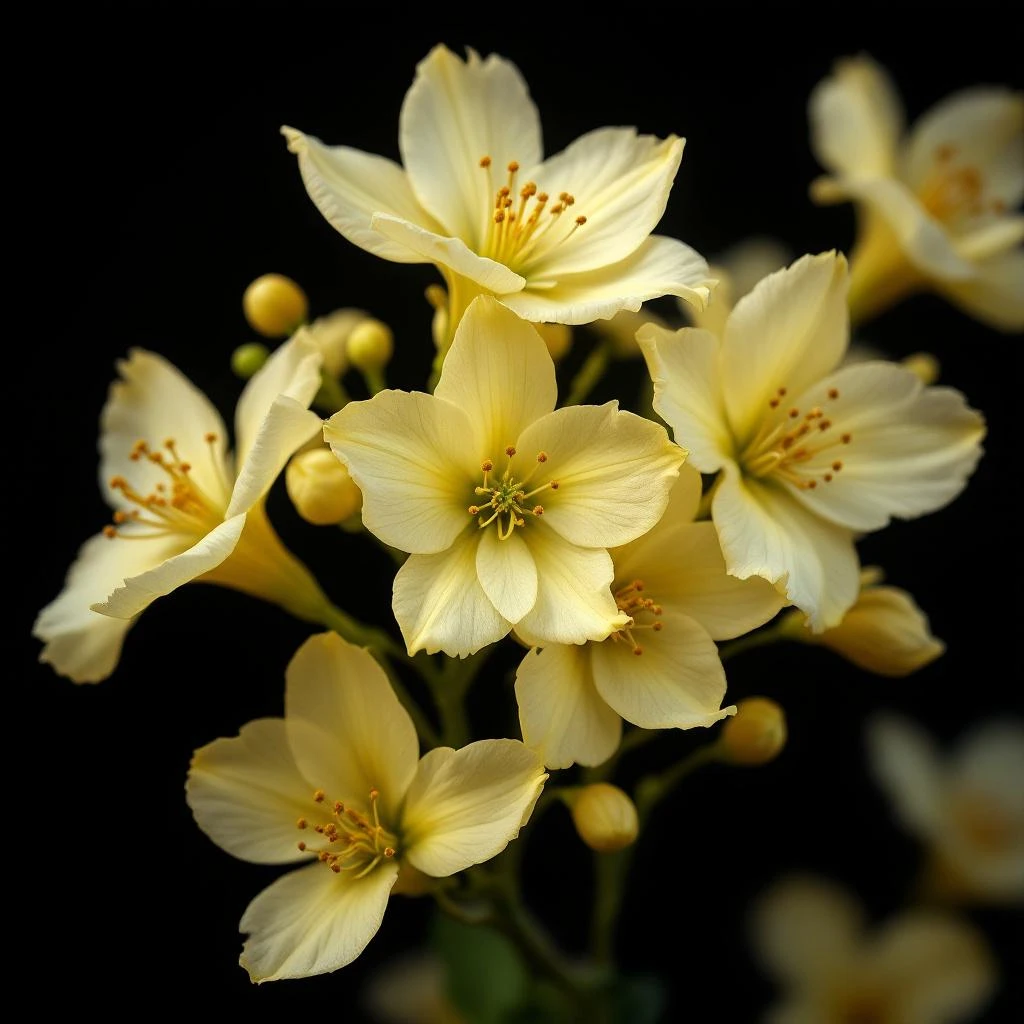
Linden blossom delivers a honeyed, sun-warmed floral note that captures the scent of European avenues in early summer. It carries beeswax softness, delicate citrus-green lift, and a deeply narcotic floral depth prized since the early days of modern perfumery.
Character
How it smells
Honeyed gold captured from summer blossoms.
In Prague, blooming linden trees perfume entire neighborhoods so intensely that locals describe the city as wrapped in soft, sweet clouds during peak bloom in June and July.








Origin
France
Linden trees have perfumed European cities for centuries, but their entry into formal perfumery took shape in the late nineteenth century as synthetic chemistry began reshaping the trade. Early French perfumers treasured tilleul, the French name for linden, for its ability to introduce a honeyed, almost edible sweetness without the heaviness of traditional florals. Soviet perfumery produced a linden-centered fragrance called Sреди Lindenov from at least the mid-1930s through the late twentieth century, one of the longest-lived single-flower soliflores on record.
In the 1990s, houses like Givaudan developed proprietary accords blending linden with supporting florals to recreate the experience of standing beneath blooming trees. The note gained renewed attention as niche perfumers sought authentic, story-rich naturals, though many classic formulations featuring linden have since been discontinued or reformulated due to sourcing challenges.
Wears it best
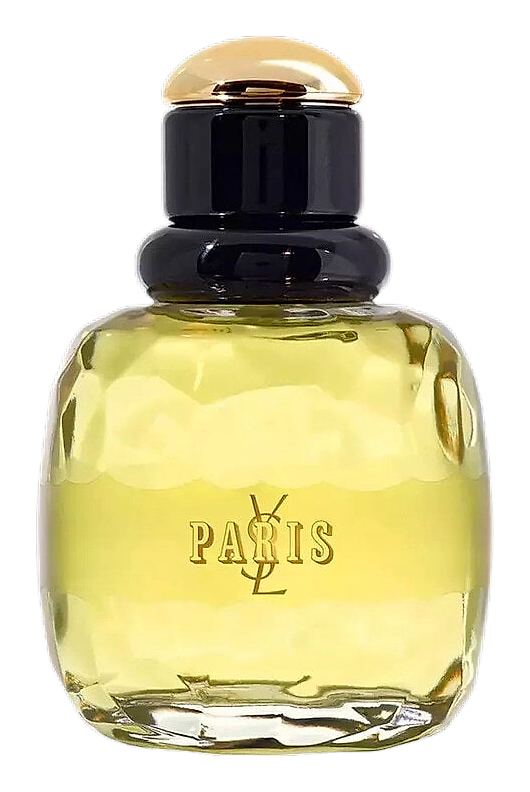
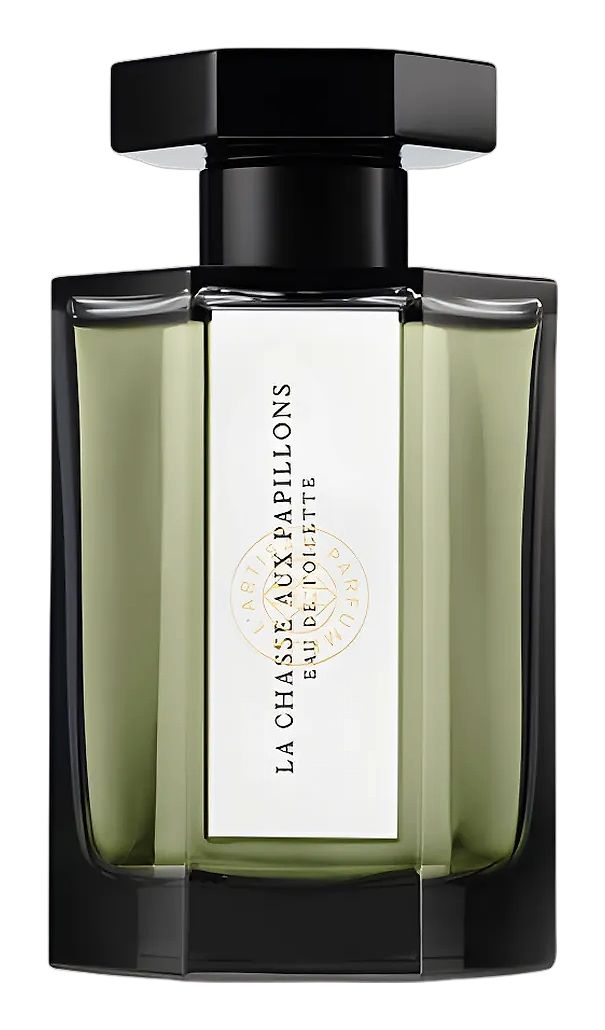
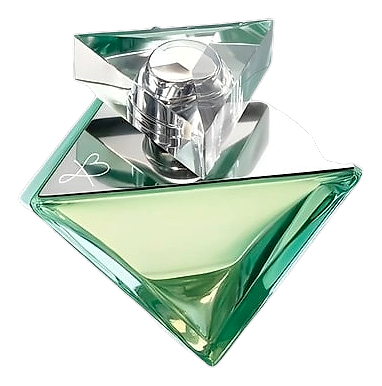
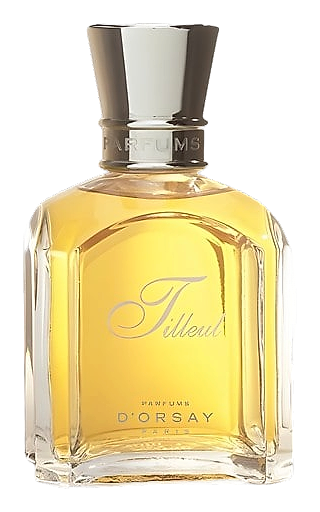
Fragrances featuring Linden Blossom
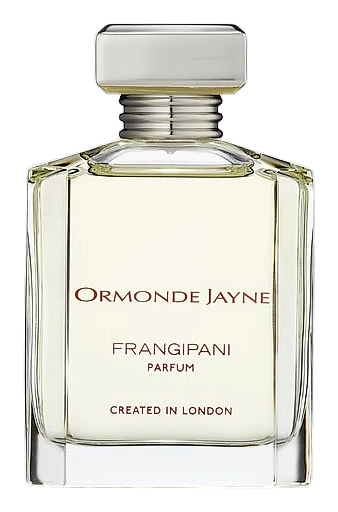
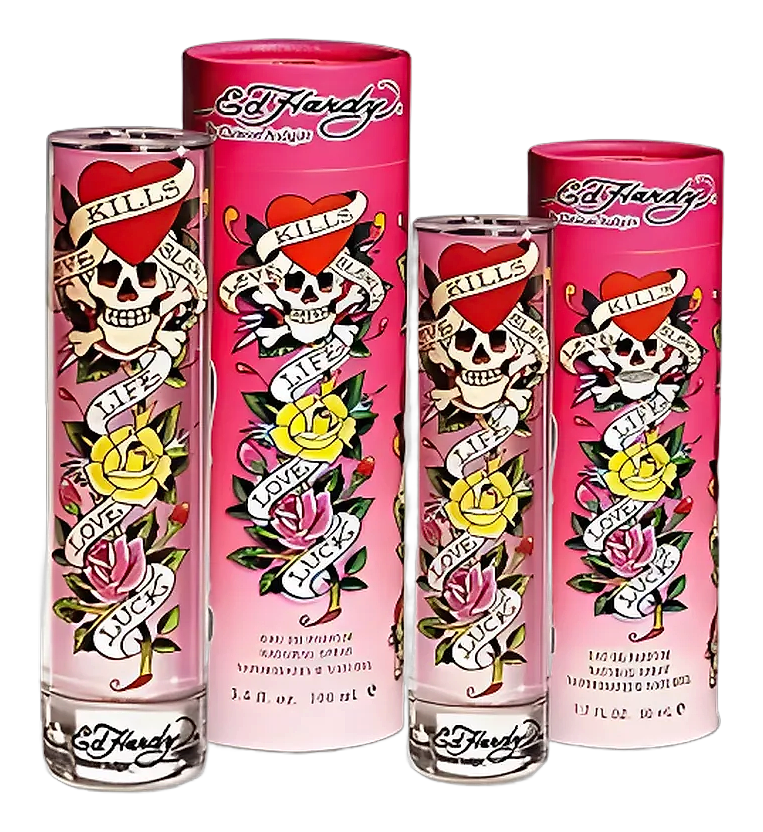
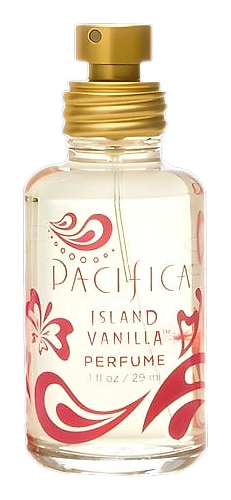
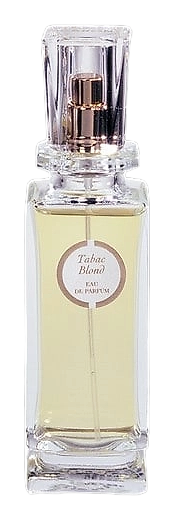
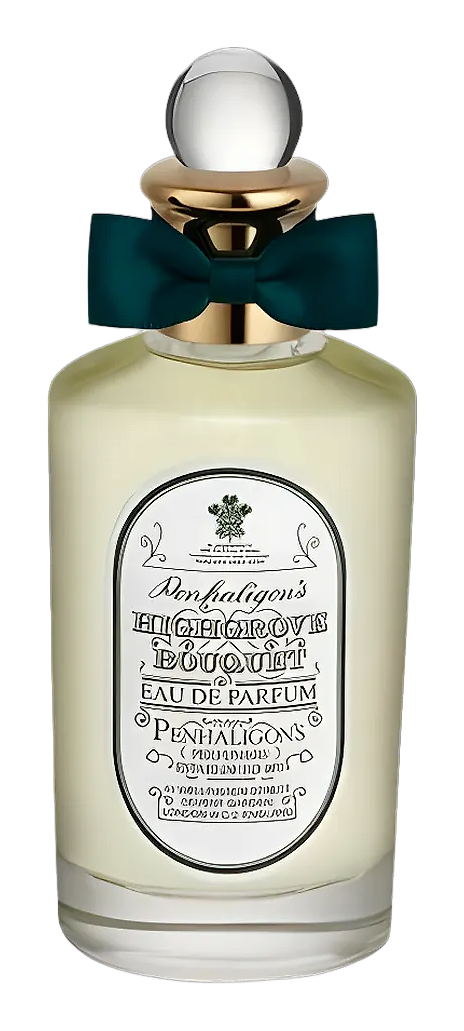
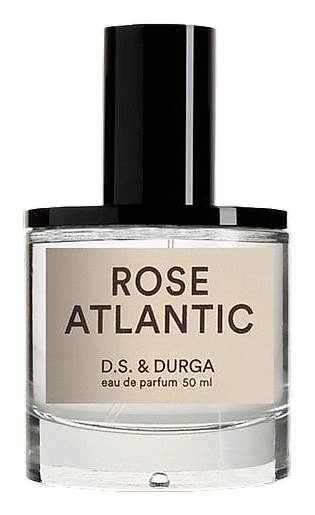
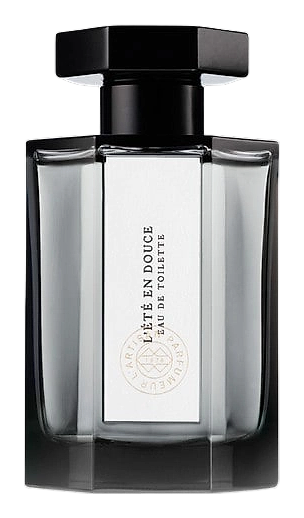
Brands
Brands known for Linden Blossom
Good to know
Questions, answered
The essentials on Linden Blossom in perfumery: how it smells, where it comes from, and how it behaves on skin.
What does linden blossom smell like in perfume?
Linden blossom offers a honeyed yellow floral character with warm beeswax undertones and a soft citrus-green lift. It reads as sweet without being sugary, carrying a narcotic depth that distinguishes it from rose or jasmine.
Is linden blossom the same as lime blossom?
Yes, the terms are interchangeable. Lime blossom refers to the same Tilia species trees known as linden in North America and tilleul in French perfumery tradition.
How is linden blossom extracted for perfumery?
Producers use steam distillation for essential oil, solvent extraction for a richer absolute, and CO2 extraction as a modern alternative. Synthetic reconstructions are far more common than true natural extracts due to cost.
Why are so many vintage linden fragrances discontinued?
Natural linden extracts are expensive to produce and supply has been inconsistent since the late twentieth century. Many houses reformulated with synthetic alternatives or dropped the note entirely.
Which fragrance families use linden blossom most?
Linden appears most often in floral, green, and honey-focused compositions. It bridges fresh citrus openings and warm balsamic bases particularly well.
Does linden blossom contain any useful compounds?
Linden flowers contain farnesol, linalool, and geraniol, among other aromatic terpenes. Herbalists have also used linden teas for mild calming effects, separate from its perfumery applications.
When do linden trees bloom for harvest?
Linden trees bloom for roughly two to three weeks in late June and early July across temperate Europe. This narrow window makes fresh-flower extraction particularly time-sensitive.
Is linden blossom safe for sensitive skin?
Linden blossom absolute and essential oil are generally considered low-irritation at typical fragrance concentrations. Anyone with severe plant allergies should still patch test before full application.