The Story
Why it exists.
The beginning
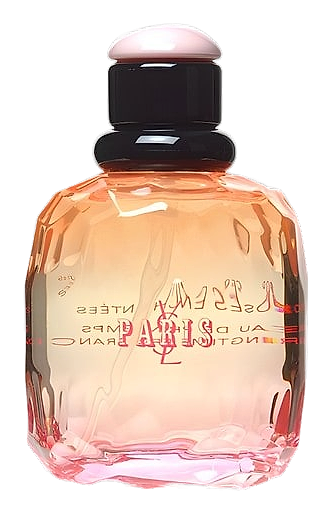
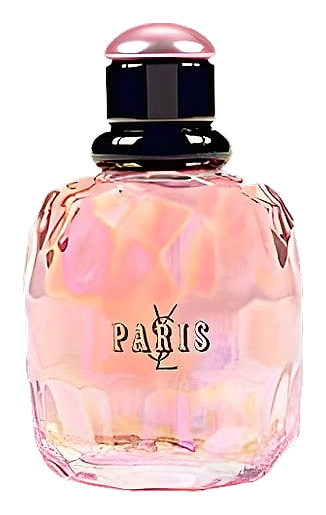
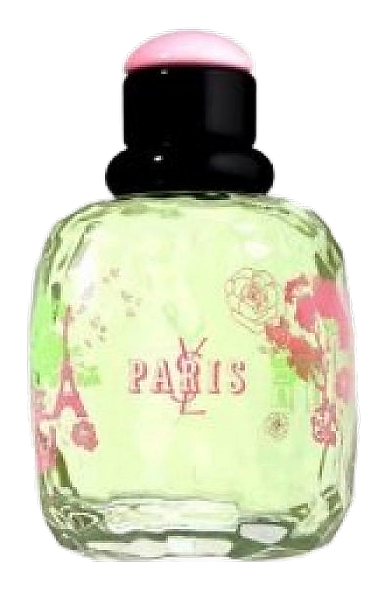
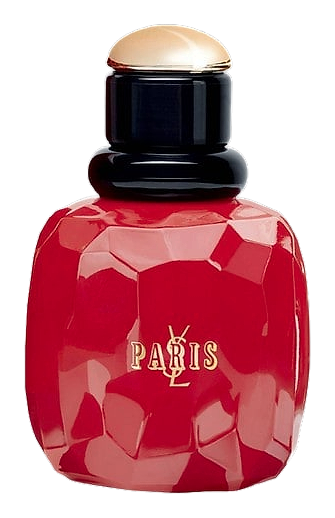
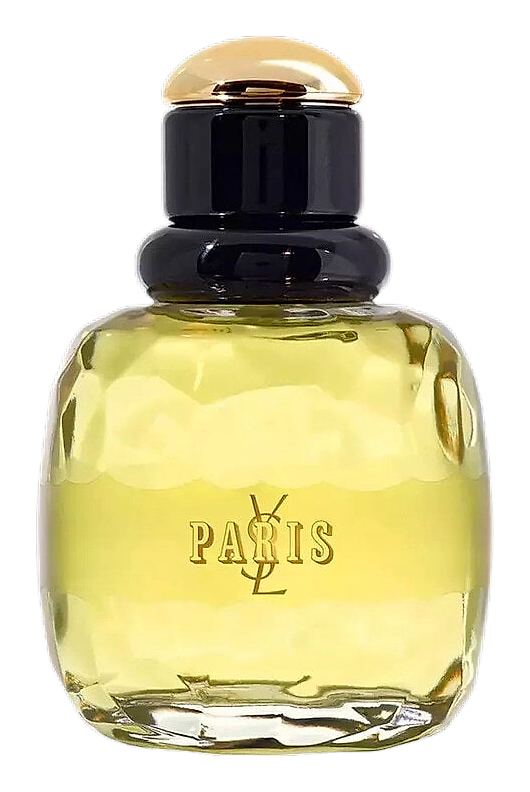
Sophia Grojsman created Paris in 1983 as a tribute to the Parisiennes who are always elegant, romantic, vivacious, ironic, simple, and charming. Named after the city Yves Saint Laurent adored, the fragrance captures the essence of Parisian femininity at its most confident and effortless. Grojsman, one of the most respected perfumers of her generation, built this composition around a central tension: the cool precision of green florals against the warm, powdery romance of rose and violet. The brief was simple, translate the city into scent. What emerged was a fragrance that felt like walking into a flower market at dawn, baskets overflowing, petals still wet with morning dew, sunlight catching the glass canopies above. Paris wasn't designed to surprise. It was designed to move.
The rose-violet combination is where the magic lives. Rose brings warmth, romance, a softness that could tip into sentimentality. Violet brings powder, structure, a coolness that could tip into distance. Together, they find a middle ground, rich but not heavy, romantic but not naive. The iris adds a powdery depth that bridges the floral heart to the woody base, while sandalwood provides the sensational warmth the brand copy describes. Ylang-ylang contributes tropical sweetness that rounds the edges. The structure is classical chypre, green-fresh opening, powdery floral heart, warm woody base, but executed with an intensity that made it stand apart.
The evolution
The opening arrives fast. Bergamot and green notes hit immediately, bright and almost vegetable in their freshness. Hyacinth brings a peculiar, almost radish-like edge that few modern fragrances attempt. Cassia adds a spicy warmth underneath. The geranium keeps things from getting too sharp, its rosy quality threading through from the start. Within 30 minutes, the green notes soften and the heart takes over. Rose and violet rise together, blending into that classic powdery floral the fragrance is known for. The jasmine adds a hint of indolic warmth. This is the phase that defines Paris, romantic, confident, unmistakably 1980s in its ambition. The drydown is where sandalwood and cedar earn their keep. The warmth builds slowly, sandalwood providing a creamy, intimate base that lingers for hours. Musk and amber add sweetness without sweetness. Oakmoss keeps everything grounded with an earthy green undertone that echoes the opening. On clothing, this fragrance can last until the next morning.
Cultural impact
Paris remains one of the most recognizable fragrances from the golden era of French feminine perfumery. The rose-violet combination became a reference point for an entire generation of powdery florals that followed. Wearers describe it as the scent of someone who walks into a room and doesn't need to announce themselves, confident, romantic, unapologetically elegant.