The Story
Why it exists.
The beginning
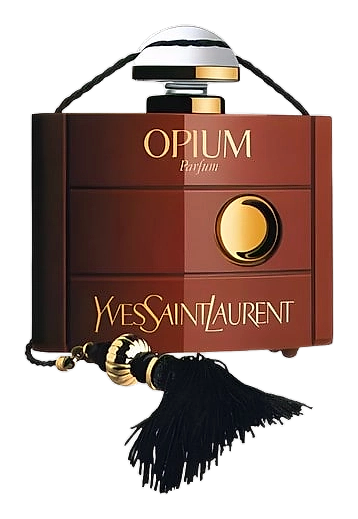
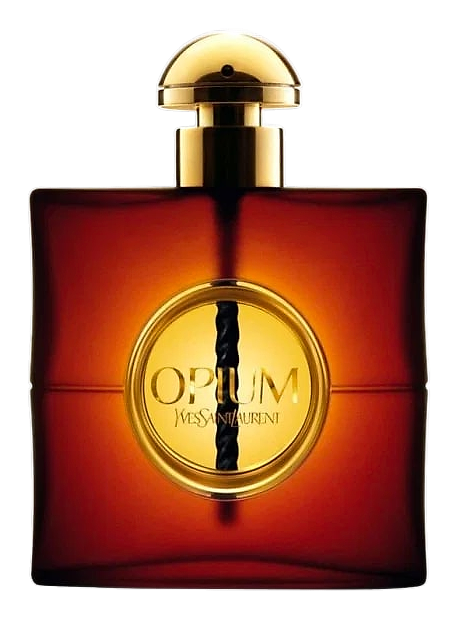
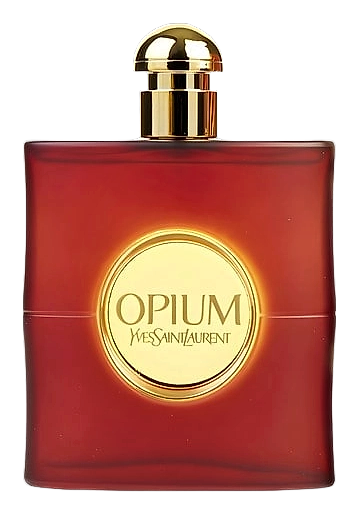
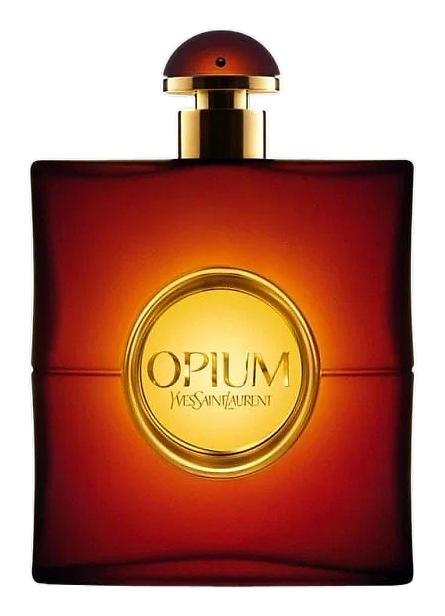
Yves Saint Laurent founded his Paris house in 1961, built on the conviction that fashion should give women a kind of power that could not be dressed down. Opium is that philosophy at its most literal, a fragrance named for addiction, designed to confront rather than charm. The house describes it as a statement, and the 1977 launch alongside the Autumn-Winter collection proved exactly that: a provocation wrapped in a bottle.
The notes are not decorative. Clove and cinnamon were chosen for their intensity, their ability to create a scent that demands attention rather than requests it. Carnation and rose ground the spiciness with a classic floral warmth that reads as vintage, as deliberately anachronistic. The resinous base of myrrh and frankincense connects Opium to sacred perfumery traditions, to incense and ritual, while benzoin and vanilla add a sweetness that makes the whole composition wearable rather than austere. Coconut and labdanum were unusual choices for 1977, suggesting a desire to create something that would linger and evolve on skin rather than announce and fade.
The evolution
The opening is an assault of spicy warmth: clove, black pepper, and coriander clash with bright citrus from bergamot and mandarin orange while plum adds a dark, fermented sweetness. Bay leaf grounds the initial volatility. Within minutes, the heart emerges as a warm, spiced floral arrangement: carnation and cinnamon dominate, their alliance softened by peach and rose. Orris root introduces a powdery earthiness while lily of the valley adds a brief, cool floral counterpoint. Patchouli and sandalwood darken the transition. The drydown is where Opium reveals its true nature: myrrh and frankincense bring a sacred, smoky resinousness, tolu balsam and benzoin sweeten the base, and vanilla creates a lingering warmth. Cedarwood, vetiver, and labdanum anchor the composition while coconut whispers beneath the surface and musk ties everything together with animalic persistence.
Cultural impact
Opium divided rooms before division was a feature. It was too much for some, not enough for others, and absolutely perfect for a specific kind of wearer who didn't need the world's approval. The fragrance became a touchstone, a reference point against which every subsequent oriental spicy fragrance is measured.