The Story
Why it exists.
The beginning
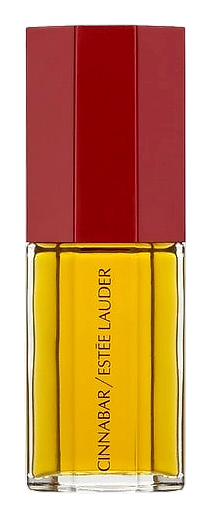
Cinnabar arrived in 1978 from perfumer Bernard Chant, who had already shaped several of Estée Lauder's most enduring scents. The name comes from cinnabar, the deep red mineral that served as a primary pigment in art and cosmetics for centuries. That sense of intensity and earthiness translates directly into the fragrance's character. Chant built Cinnabar with an oriental sensibility, rich and deep, layering warm spices against soft florals and a resinous base. The late 1970s brought a taste for boldness in perfumery, and this scent captured that spirit with confidence.
What makes Cinnabar distinctive is its structure, the way it opens with aldehydes that give the citrus and spices a crystalline lift before the warmth takes over entirely. That aldehydic opening is a signature of the era, lending a polished quality that contrasts with the dense oriental base. The combination of warm spice and aldehydic brightness creates something that feels simultaneously vintage and timeless. Bernard Chant balanced the sharp cloves and tangerine against creamy florals and deep resins, achieving a composition that shifts considerably as it wears, starting bright and almost metallic, ending soft and intimate on the skin.
The evolution
The opening arrives fast, aldehydes lifting the tangerine and bergamot into something immediate and bright, followed by the first wave of cloves. That spice builds quickly, joined by peach sweetness and orange blossom that tempers the sharpness. The florals arrive next, jasmine and ylang-ylang weaving beneath the carnation, with rose and lily-of-the-valley adding pale, powdery accents. A meaty cinnamon warmth announces itself in the heart, giving an anchor to all the florals that remain present. As the base takes over, incense rises first, smoke threading through the carnation and clove that linger. Amber and benzoin create a soft, resinous warmth, while tolu balsam adds a balsamic sweetness. Sandalwood and patchouli settle into the foundation, dry and slightly bitter. Vanilla softens everything into warmth as the drydown arrives, amber and incense holding steady.
Cultural impact
Cinnabar earned its reputation through sheer presence, distinctive sillage and longevity that made the fragrance memorable long after application. The aldehydic brightness against deep oriental warmth distinguished it from contemporary releases, offering something both refined and intensely expressive. It became a signature for those who sought fragrance with character, something that would not recede quietly into the background.