The Story
Why it exists.
The beginning
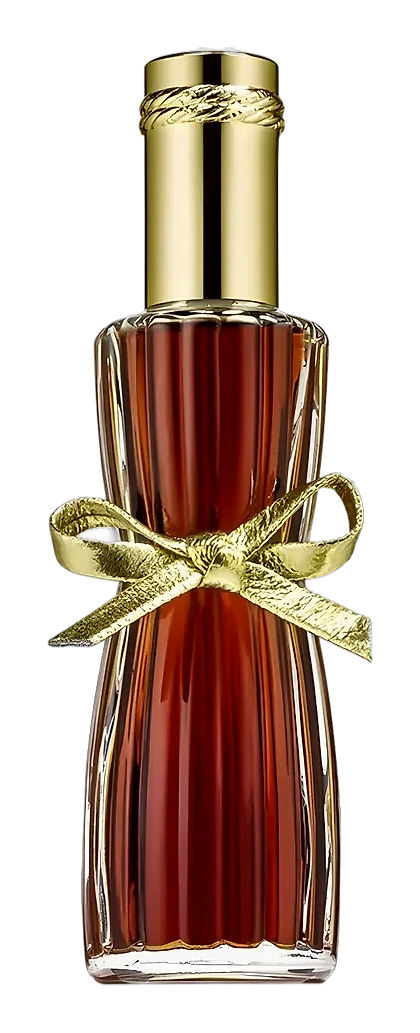
Youth-Dew was created in 1953 by Josephine Catapano for Estée Lauder, a time when women were redefining themselves post-war, claiming space in boardrooms and ballrooms alike. The name itself is a declaration: youth, captured and preserved in liquid form. Catapano built it as a parfum concentration from the start, not an afterthought, she wanted it to last, to project, to become part of the wearer's presence rather than a fleeting note. The brief was clear: something bold enough to be remembered, warm enough to be wanted, complex enough to reward a second look.
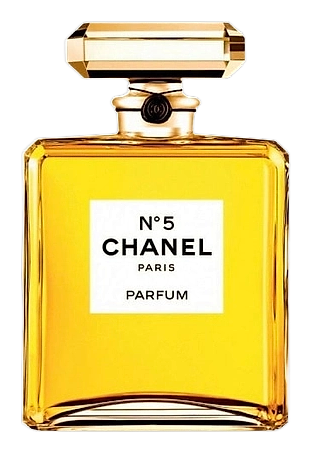
What makes Youth-Dew unusual is its structure. Most orientals of the era leaned on vanilla and amber as the anchor, Youth-Dew adds a green, mossy undercurrent that keeps the warmth grounded rather than floating. The aldehydic opening is another anomaly, that sharp, effervescent burst more common in Chanel No. 5 than in a house fragrance. Catapano used it to lift the heavy spices, creating an opening that feels simultaneously vintage and startling. The result is a fragrance that behaves like three different compositions depending on the hour.
The evolution
It opens loud. Aldehydes hit first, clean, effervescent, almost soapy in the best way, before the spices arrive: clove, cinnamon, a warm prickling heat that announces itself without apology. Within twenty minutes the aldehydes recede and the floral heart emerges, rose and jasmine held up by something green and almost bitter, like the stem of a flower rather than the petal. The drydown is where Youth-Dew becomes itself: incense, vanilla, the powdery warmth of Peru balsam, and underneath it all, a mossy earthiness that pulls everything back down to skin level. Eight hours later, on unwashed skin, it smells like a memory you didn't know you had.
Cultural impact
Youth-Dew occupies a singular position in perfumery history, it's one of the first fragrances designed specifically to smell like skin warming skin, a quality that made it controversial upon release and beloved ever since. The aldehydic-spicy-oriental formula influenced a generation of fragrances that followed, while its uncompromising sillage and longevity set a benchmark for projection that many modern fragrances still chase. It's worn by women who want to be remembered, and it delivers every time.