Spicy Notes
Spicy notes bring heat, depth, and intrigue to fragrance. From cinnamon's sweetness to black pepper's bite, these aromatic materials add warmth and complexity that anchor countless compositions.
Character
How it smells
Heat, depth, and centuries of trade in every drop
The word 'spice' derives from the Latin 'species,' meaning a commodity of special value, a term that once applied to anything rare and precious.









Origin
India
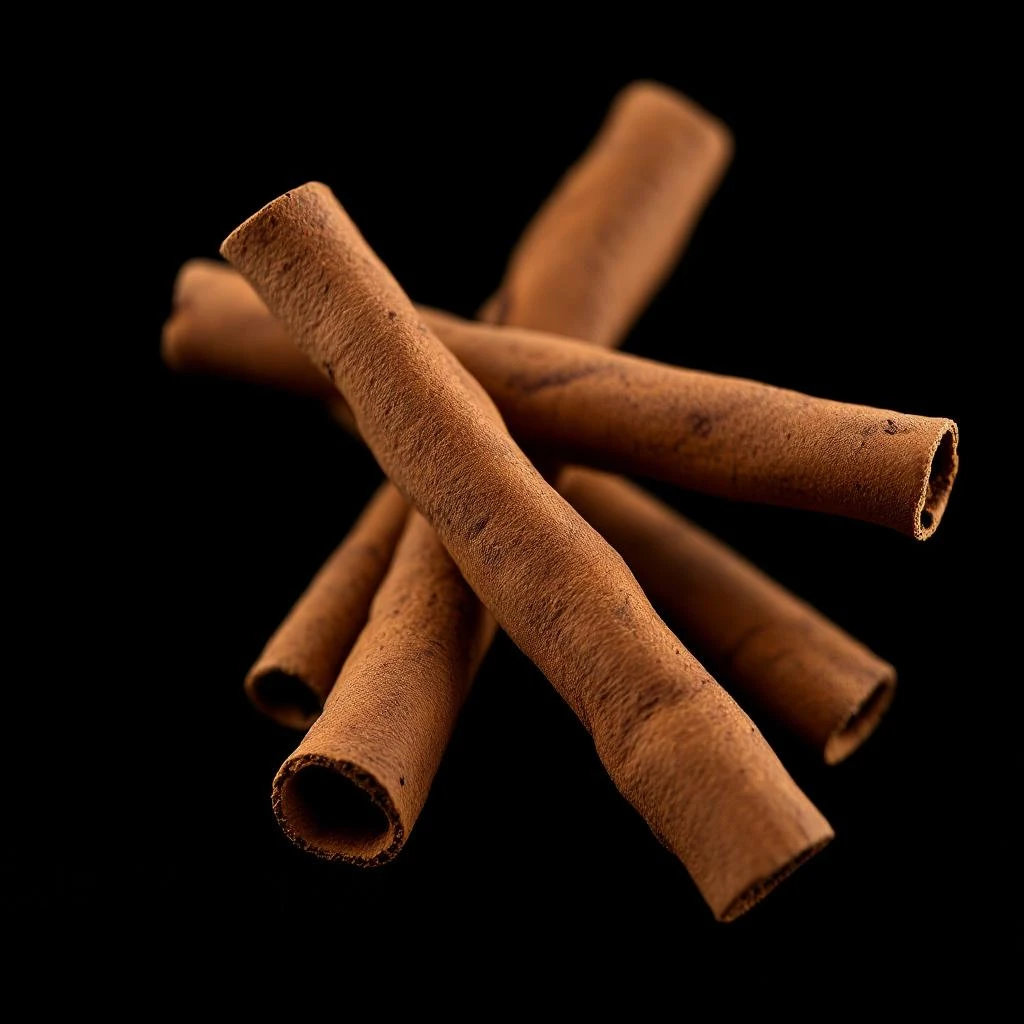
Spices rank among humanity's oldest luxury goods, traded along routes that predated the Silk Road by millennia. Egyptian tombs from 3000 BCE contain traces of cinnamon and cassia in burial resins, suggesting these aromatics carried sacred as well as commercial weight. The Greek physician Dioscorides catalogued spice oils in his De Materia Medica during the first century CE, documenting their use in unguents and early perfumes.
Arab perfumers perfected distillation techniques between the eighth and thirteenth centuries, transforming whole spices into concentrated oils that could travel farther and last longer. The European spice trade of the fifteenth and sixteenth centuries, driven by Portuguese and Dutch traders, reshaped global commerce and made spices more accessible to Western perfumers. By the late 1800s, chemists isolated and synthesized key spice compounds, beginning with coumarin in 1868 and vanillin shortly after.
This shift democratized spicy notes, moving them from rare imports into mainstream fragrance houses. Throughout the twentieth century, spicy accords evolved from heavy oriental bases toward lighter, more nuanced applications, appearing in everything from masculine fougères to modern gourmands.
Wears it best
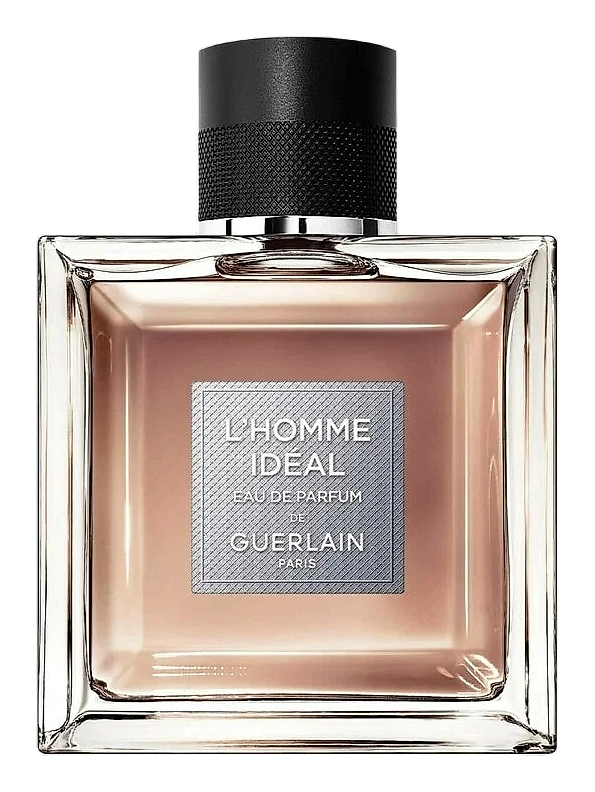
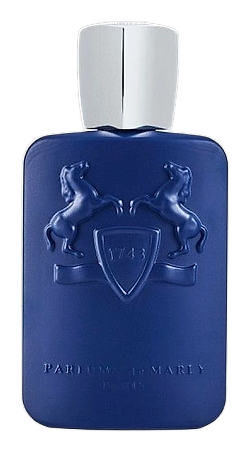
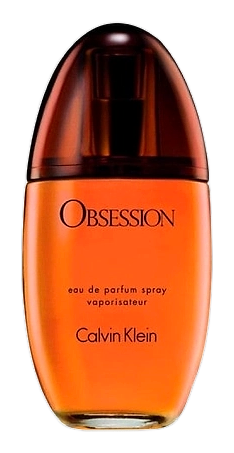
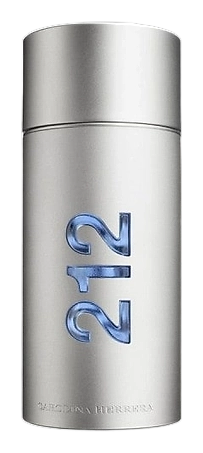
Fragrances featuring Spicy Notes





Brands
Brands known for Spicy Notes
Good to know
Questions, answered
The essentials on Spicy Notes in perfumery: how it smells, where it comes from, and how it behaves on skin.
What do spicy notes smell like in perfume?
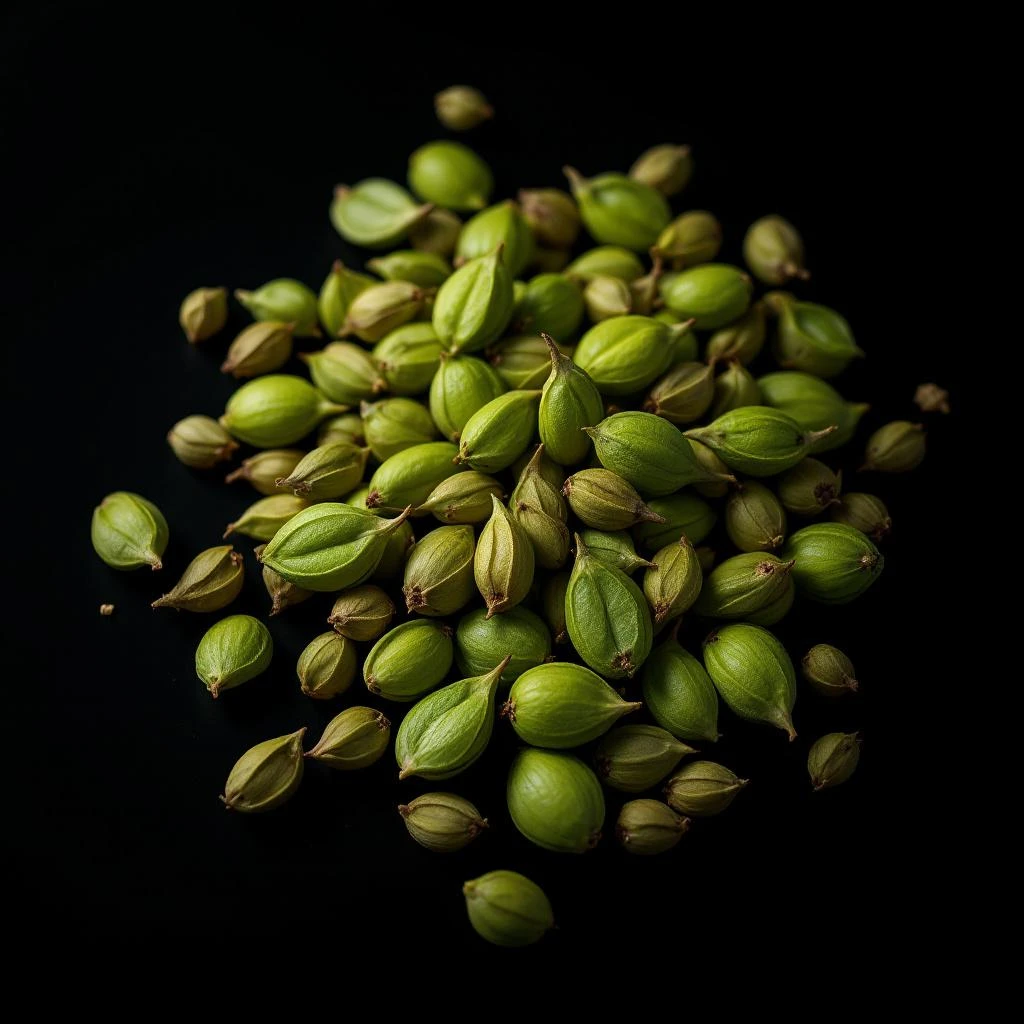
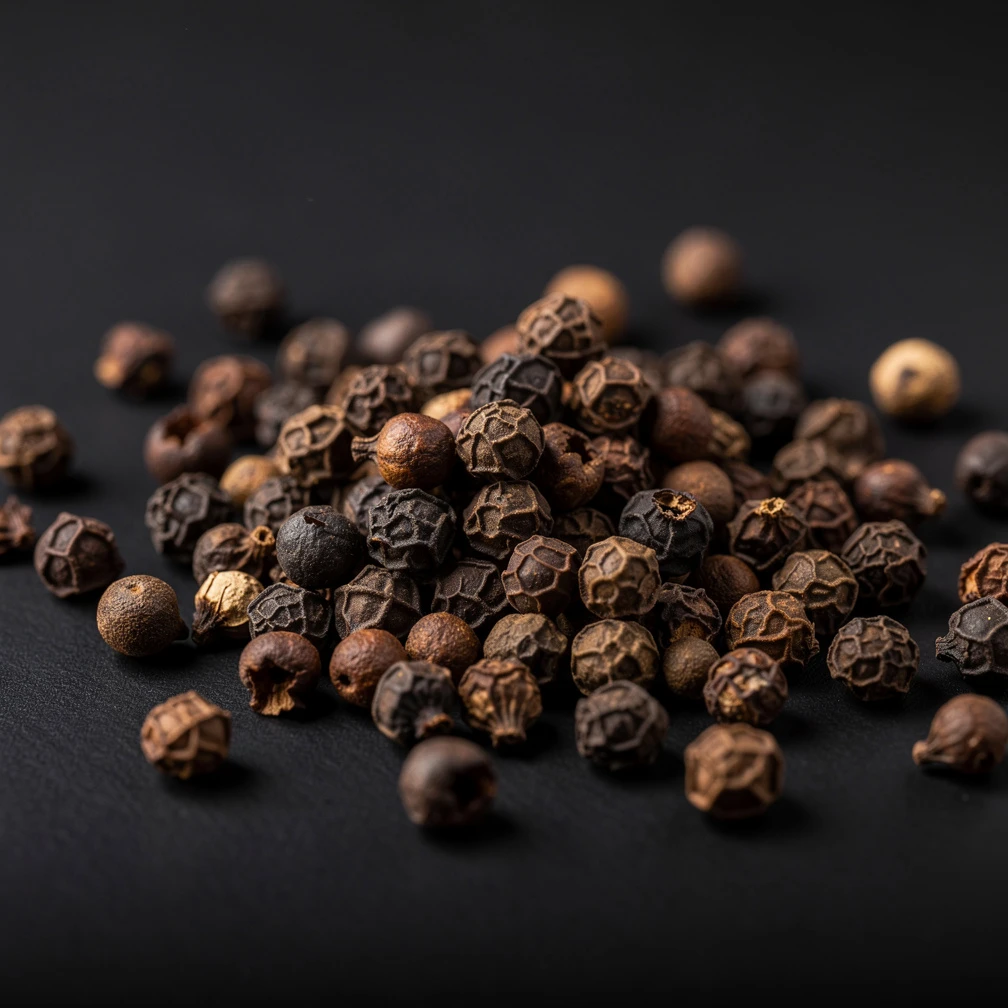
Spicy notes range from warm and sweet (cinnamon, clove) to sharp and pungent (black pepper, cardamom). They add heat, depth, and complexity, often anchoring the base and middle layers of a composition.
Are spicy notes natural or synthetic?
Both. Natural spice extracts come from steam-distilled seeds, bark, and roots, while many modern fragrances also use synthesized compounds like eugenol (clove) and cinnamal (cinnamon) for consistency.
What is the difference between warm and fresh spicy notes?
Warm spices include cinnamon, nutmeg, and clove, offering sweet, baking-like heat. Fresh spices like black pepper, ginger, and cardamom deliver brighter, more pungent sensations with less sweetness.
Which spices are most common in perfumery?
Cardamom, cinnamon, clove, nutmeg, black pepper, and saffron appear most frequently. Each contributes distinct character: cardamom brings green freshness, while clove delivers intense, almost medicinal intensity.
Do spicy notes last long in fragrance?
Yes, most spice-derived molecules are heavy and slow to evaporate, making them effective base or heart notes. Compounds like eugenol and cinnamal can persist eight hours or more on skin.
What fragrance families use spicy notes?
Oriental and amber compositions rely heavily on warm spices. Spicy accents also appear in fougères, woody fragrances, and modern gourmand scents where cinnamon or cardamom enhances edible qualities.
Are spicy perfumes suitable for summer?
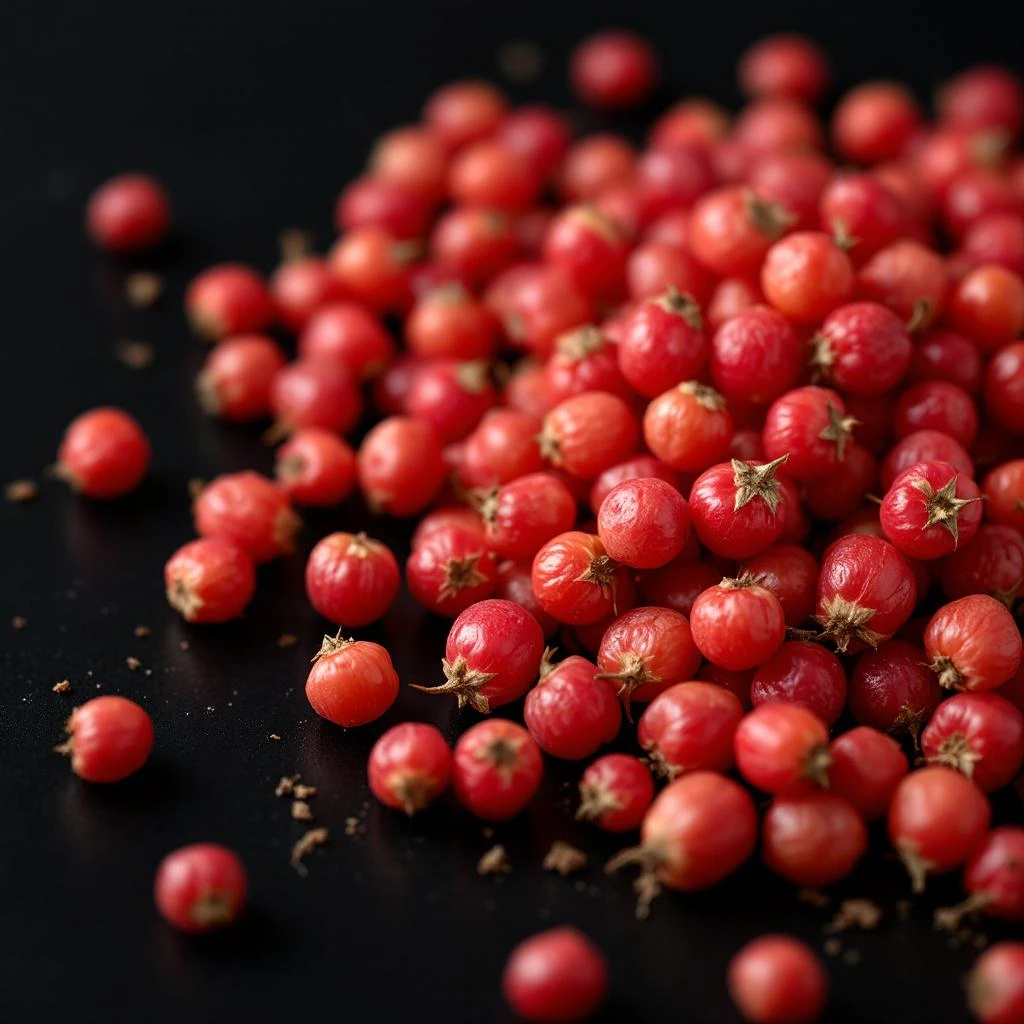
Light fresh spices like pink pepper, cardamom, and ginger work well in warm weather. Heavy spices like cinnamon and clove suit cooler seasons, though personal preference matters more than rules.
Where did perfumers first use distilled spices?
Arab alchemists between the eighth and thirteenth centuries developed distillation methods for spice oils, transforming whole aromatics into concentrated forms that traveled the medieval trade routes.