Peru Balsam
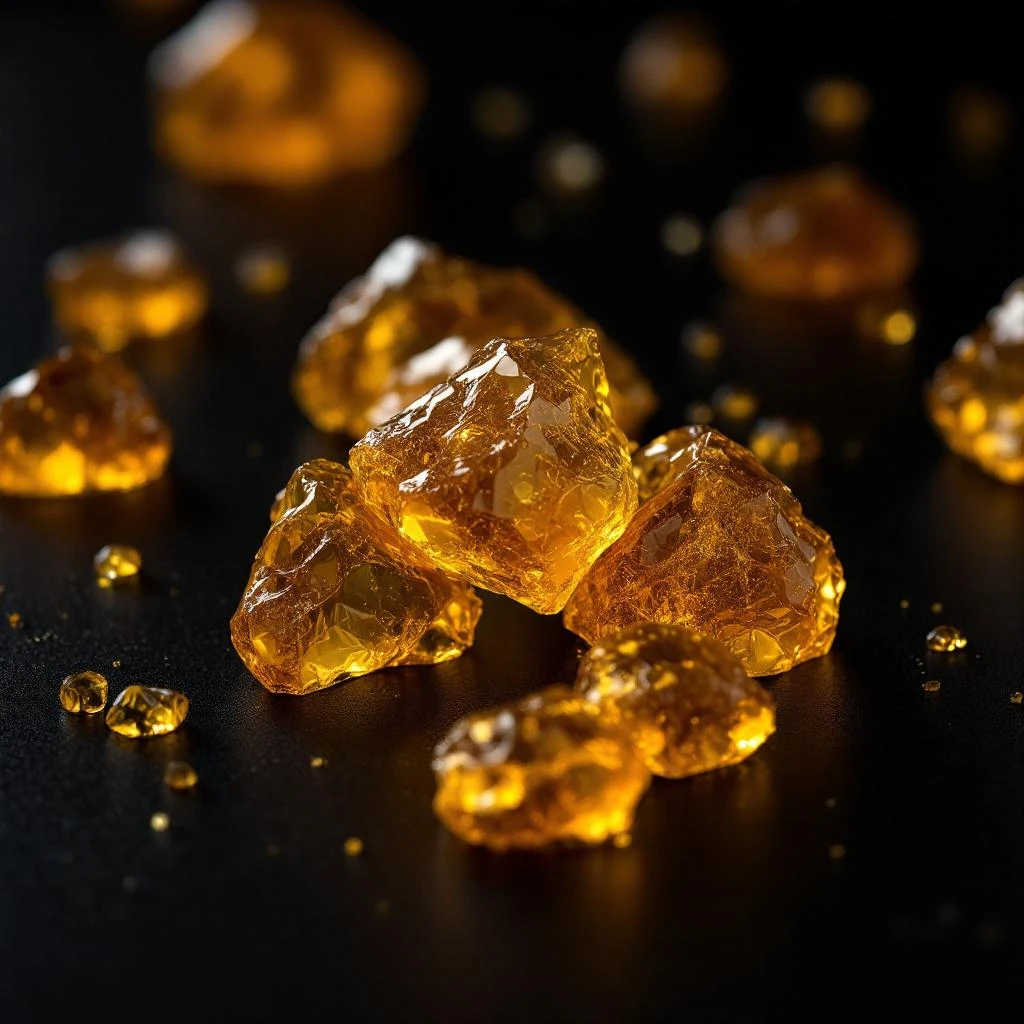
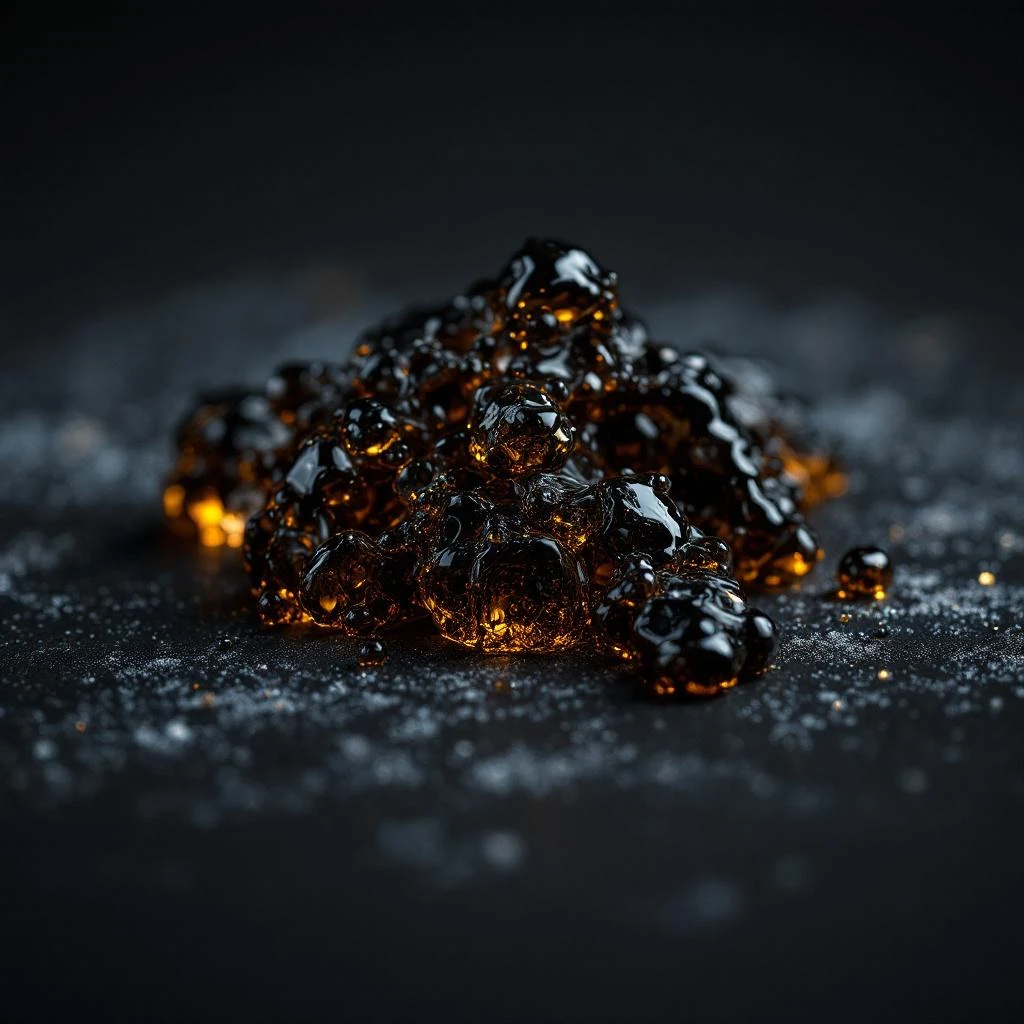
Harvested from the Myroxylon pereirae tree in Central American highlands, Peru Balsam delivers a warm, resinous sweetness that anchors fragrances with remarkable depth and staying power.
Character
How it smells
A warm, balsamic anchor with ancient roots.
The Myroxylon pereirae tree has never been successfully cultivated—it grows only wild in the mountains of El Salvador and Nicaragua.






Origin
El Salvador
Long before European perfumers discovered Peru Balsam, indigenous communities in Central America treasured the resin from Myroxylon pereirae for its healing properties. Applied to wounds and used in ceremonial practices, the balsam held deep cultural significance. Spanish colonizers encountered the material in the 16th century and included it in trade routes reaching European apothecaries.
The name 'Peru Balsam' is actually a historical misnomer—the resin gained its moniker from the Peruvian port of Callao, where it was shipped, though the tree never grew there. The substance traveled through colonial networks to become a fixture in Victorian-era perfumery, prized for its warmth and fixative qualities. Today, El Salvador and Nicaragua remain the sole sources of true Peru Balsam, where wild trees continue to produce this remarkable material.
Its sweet, balsamic character defines classic oriental fragrances and chypre compositions, lending depth that perfumers have relied upon for generations.
Wears it best
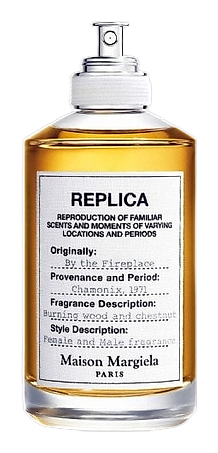
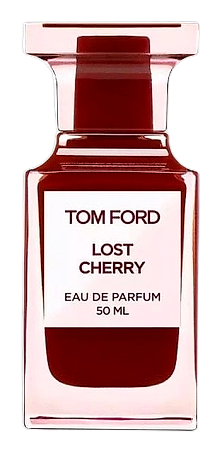
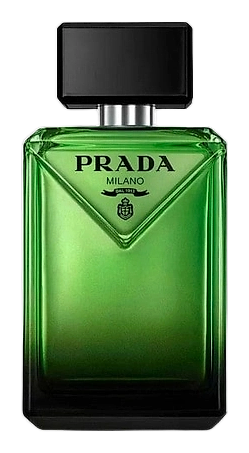
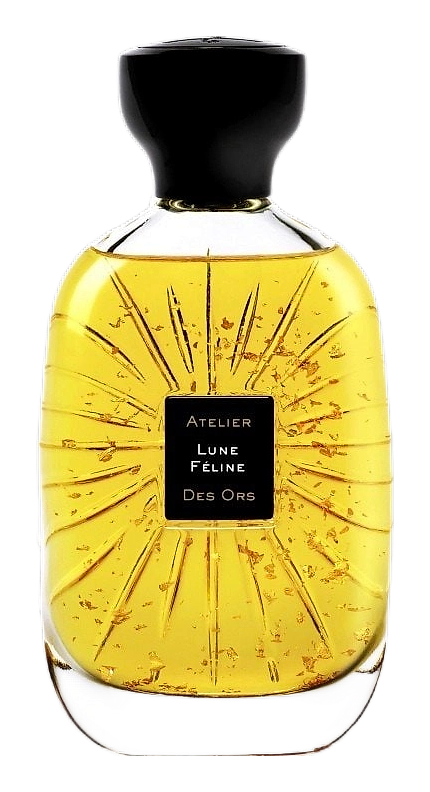
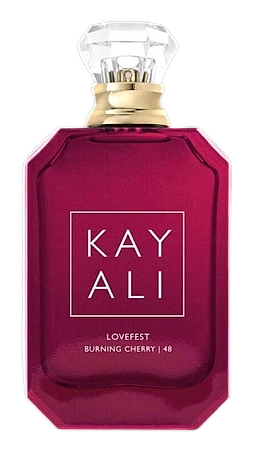
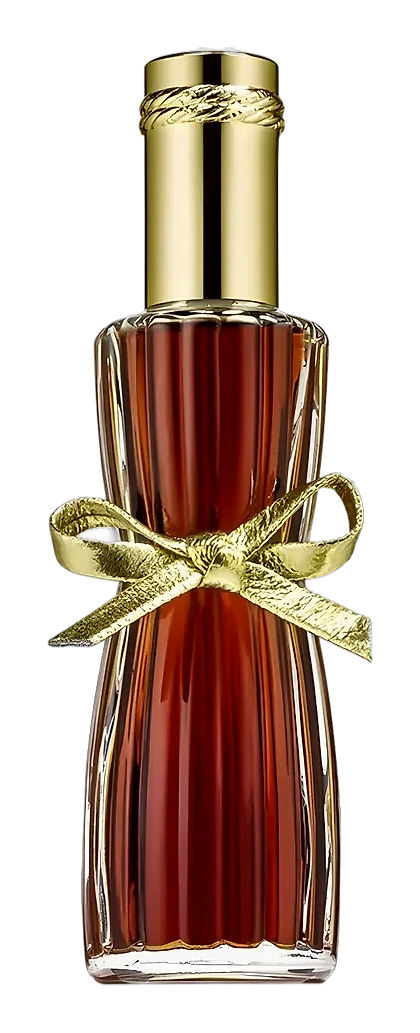
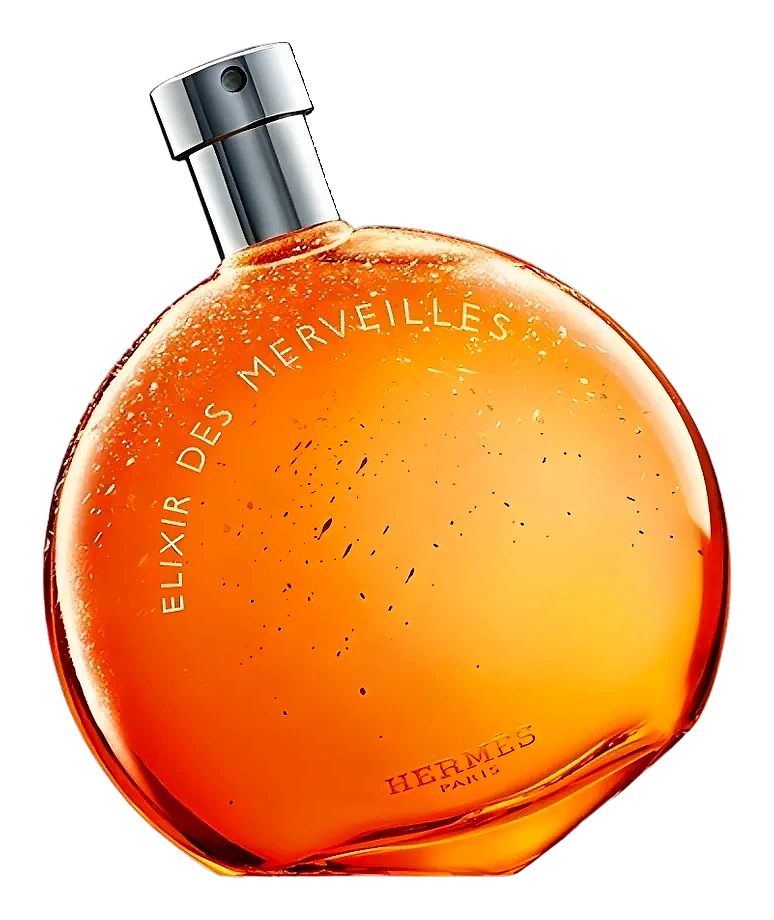
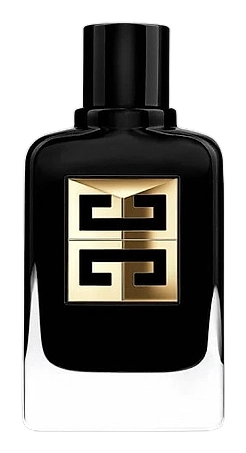
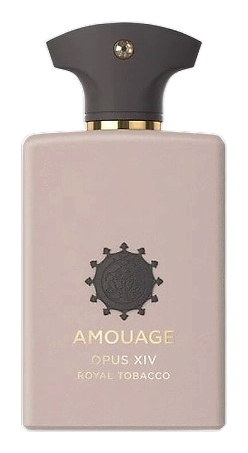
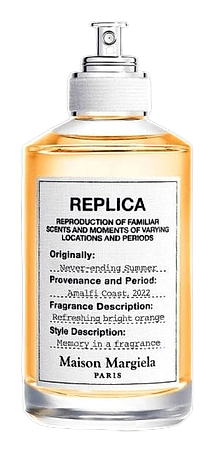
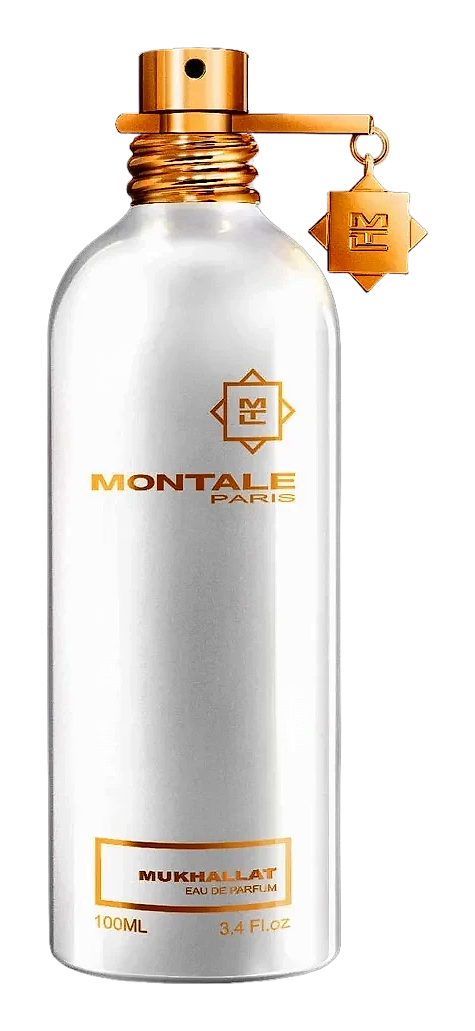
Fragrances featuring Peru Balsam

Brands
Brands known for Peru Balsam
Good to know
Questions, answered
The essentials on Peru Balsam in perfumery: how it smells, where it comes from, and how it behaves on skin.
What does Peru Balsam smell like?
Peru Balsam has a sweet, balsamic, woody aroma with vanilla-like warmth. It combines warm resinous depth with subtle spice and honey undertones, making it an excellent base note that adds richness and longevity to fragrances.
Where does Peru Balsam come from?
Peru Balsam is harvested from the Myroxylon pereirae tree found only in the wild mountains of El Salvador and Nicaragua. The tree has never been successfully cultivated, making it a rare natural material sourced entirely from traditional harvesting.
How is Peru Balsam harvested?
Harvesters wound Myroxylon pereirae trees with cuts in the bark, then wrap the wounds with cloth. The resin absorbs into the cloth over several days, then workers collect and boil the cloth to release the balsam, which rises and is skimmed off the surface.
What fragrance families use Peru Balsam?
Peru Balsam appears primarily in oriental and chypre fragrances as a base note. Classic examples include Opium, Coco Mademoiselle, and Aromatics Elixir, where it adds warmth and extends the life of the drydown.
Is Peru Balsam used in anything besides perfume?
Beyond perfumery, Peru Balsam appears in food and beverage flavoring, pharmaceuticals, and cosmetics. It serves as a flavoring agent in certain beverages and confections, and traditional medicine has used it for its healing properties.
Why does Peru Balsam require allergen labeling?
Peru Balsam contains natural compounds including cinnamyl cinnamate and vanillin that can cause allergic reactions in sensitive individuals. Regulatory bodies in the EU and other regions require its declaration on ingredient labels.
Does Peru Balsam contain vanillin?
Peru Balsam contains naturally occurring vanillin among its constituents, contributing to its sweet, warm character. This compound also gives the material its fixative properties, helping other fragrance components last longer on the skin.
What makes Peru Balsam special among base notes?
Peru Balsam provides both fixative power and rich aromatic character in one material. Its ability to blend seamlessly while adding warmth, sweetness, and depth makes it unusually versatile—a workhorse in perfumers' palettes for creating voluptuous, long-lasting drydowns.