The Story
Why it exists.
The beginning
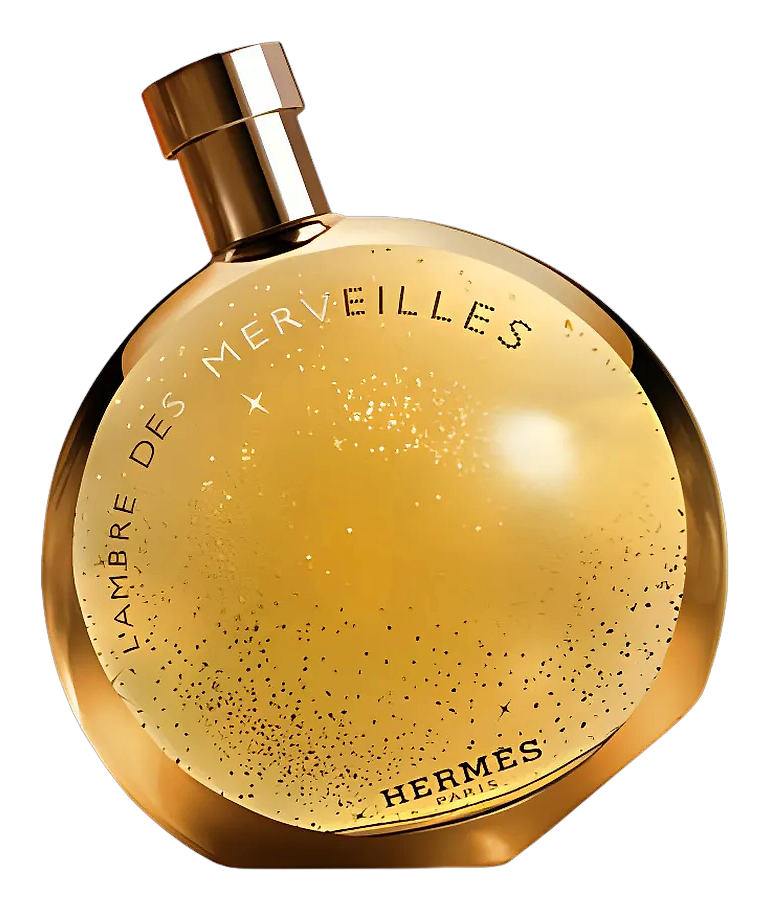
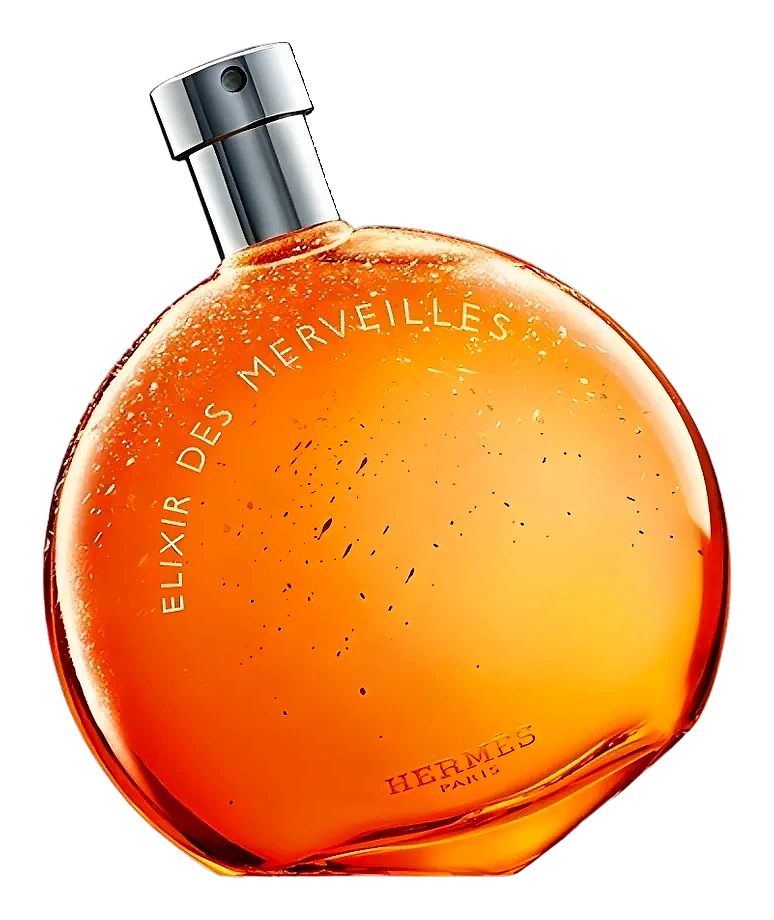
Elixir des Merveilles arrived in 2006 as part of Hermès's Merveilles collection, a family of fragrances built around the idea of wonder, luxury, and the exotic. Jean-Claude Ellena composed it with his signature restraint, but the brief seemed to call for something richer than his usual watercolours. The result is an oriental that leans into sweetness and warmth without tipping into heaviness, caramel and amber softened by sandalwood, anchored by frankincense.
What makes this composition interesting is how it manages sweetness without cloying. The caramel note could easily become syrupy, but Ellena kept it close to the resin and wood, almost like caramel being slowly reduced in a warm kitchen, concentrating into something deeper. The frankincense isn't incense-smoke; it's a quiet resinous warmth that lifts the sweetness just enough to keep it interesting. Tonka bean and vanilla sugar do the heavy lifting on the base, creating a creaminess that feels luxurious rather than dessert-like.
The evolution
The opening is a burst of orange zest and caramel, bright, sweet, immediate. Within minutes, the citrus pulls back and cedar enters, along with something smokier. The incense note doesn't announce itself loudly; it sneaks in around the edges, adding depth without becoming the main event. By the heart phase, the fragrance has settled into its warm amber resin structure, still sweet, but grounded now. The drydown is where Elixir des Merveilles earns its name. Sandalwood and tonka bean create a creamy, woody base that lingers for hours. The frankincense lingers too, a quiet resinous whisper beneath the sweetness. On some skin, this fragrance develops a warm, almost honeyed quality in the drydown that makes it smell like something you'd want to wrap yourself in.
Cultural impact
Elixir des Merveilles has earned a devoted following for its warm, sweet oriental character, the kind of fragrance that wears well in cooler months and fills a room without trying. It's not trying to be subtle, but it doesn't need to be. The combination of caramel sweetness and resinous warmth makes it distinctive in a market full of either-or compositions.