Orange Peel
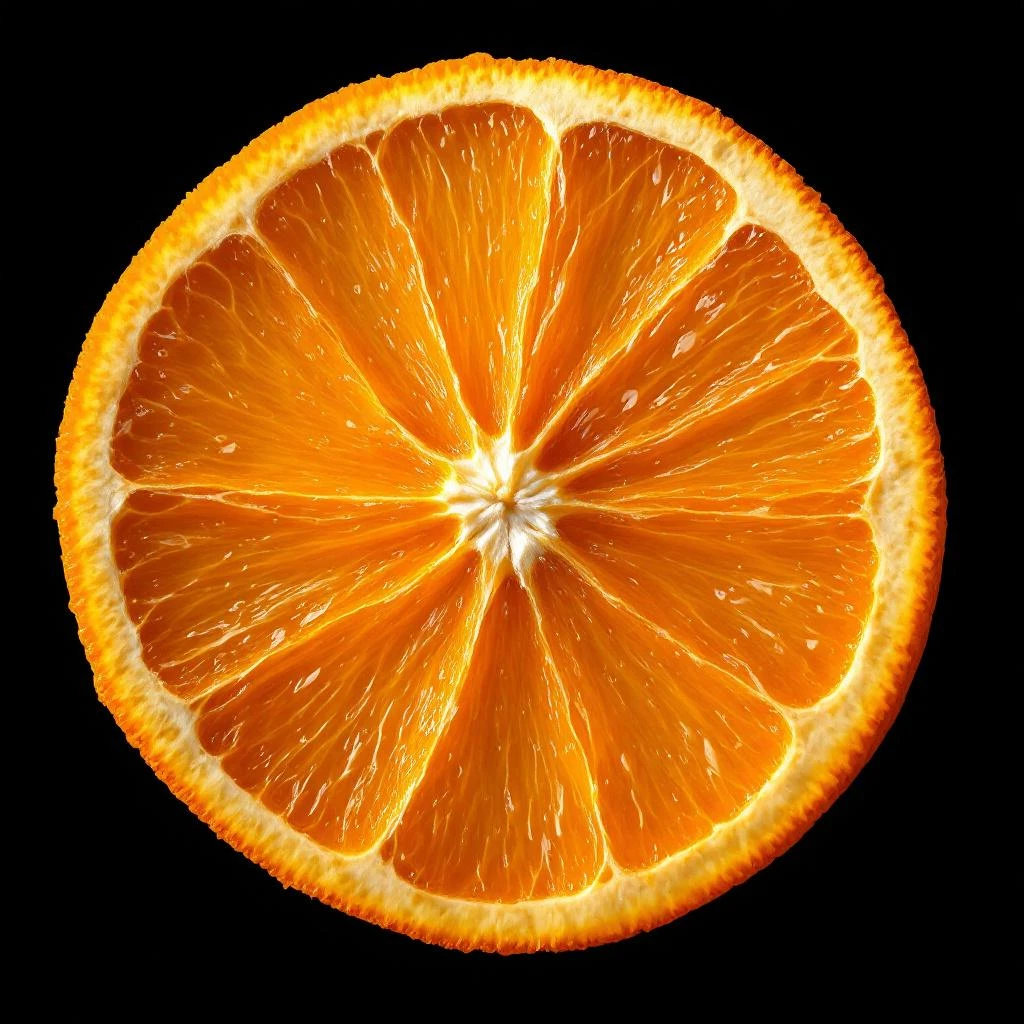
Orange peel delivers a bright, zesty aroma that captures the fresh burst of citrus. Cold-pressed from the flavedo layer, this note brings an energizing quality to fragrance compositions.
Character
How it smells
The zest of sunshine in every note
One kilogram of orange peel oil requires approximately 200 kilograms of fresh peel to produce.







Origin
Italy
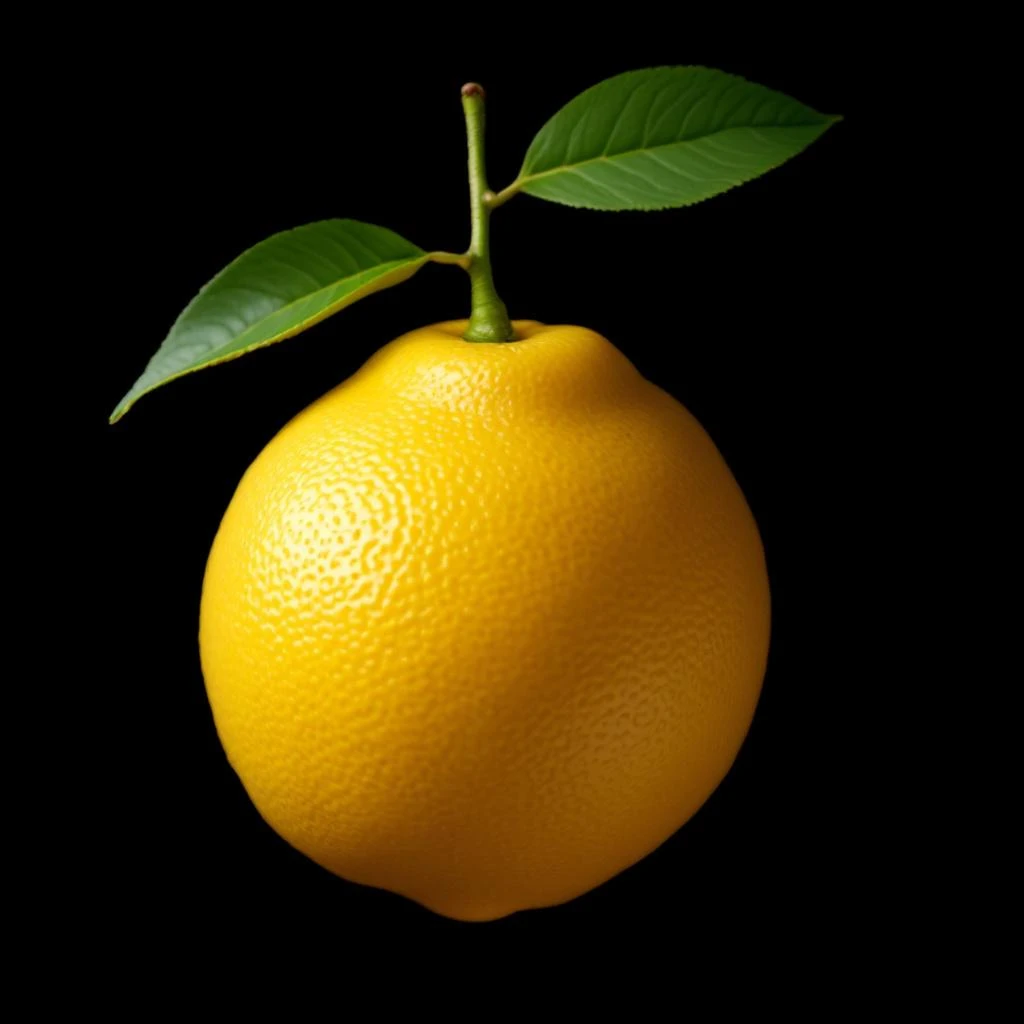
Citrus fruits originated in Asia and spread westward through ancient trade routes. Oranges reached the Mediterranean by the 10th century through Moorish expansion, and the fruit quickly became valued for both culinary and medicinal uses. Italian and Spanish monasteries during the Renaissance incorporated orange blossom and peel into religious rituals and early perfumed waters.
The 19th century marked a turning point when French perfumers in Grasse formalized orange blossom as a perfumery ingredient, creating orange blossom water and integrating the note into emerging fragrance compositions. By the early 1800s, orange cultivation for perfumery had expanded significantly in southern France, particularly in the Grasse region. The decline in French production began approximately fifty years later, yet the ingredient retained its prominence.
Orange peel oil became increasingly important as perfumers sought consistent citrus materials. The development of cold expression techniques in the 20th century enabled more efficient extraction, supporting the growing demand for natural aromatics in modern perfumery. Today, orange peel remains a foundational citrus material across fragrance families, from classic colognes to contemporary compositions.
Wears it best
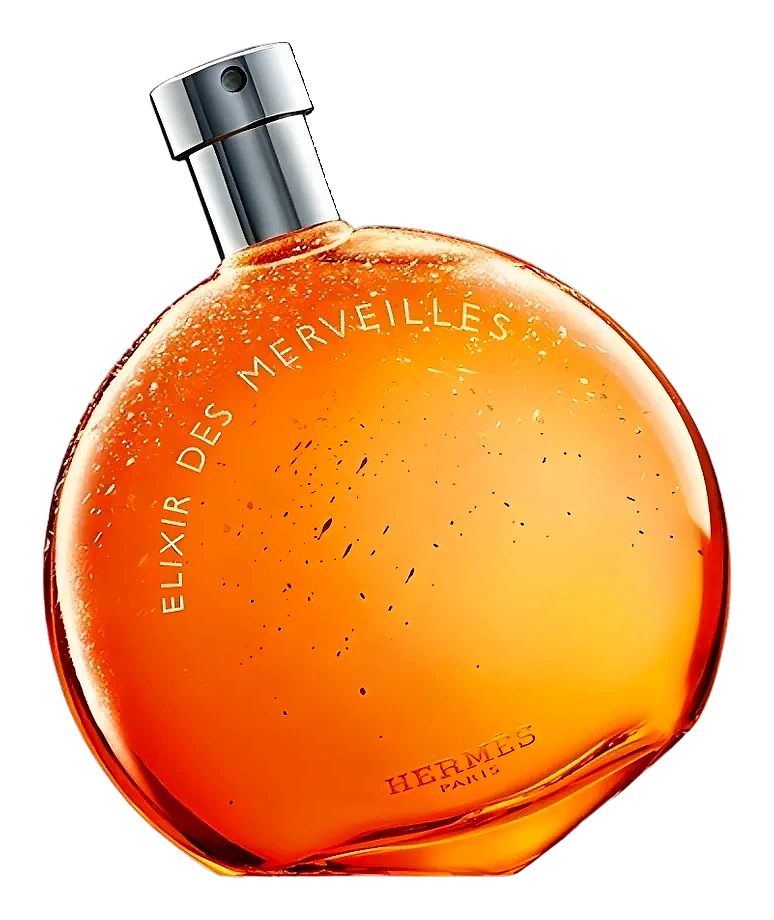
Fragrances featuring Orange Peel

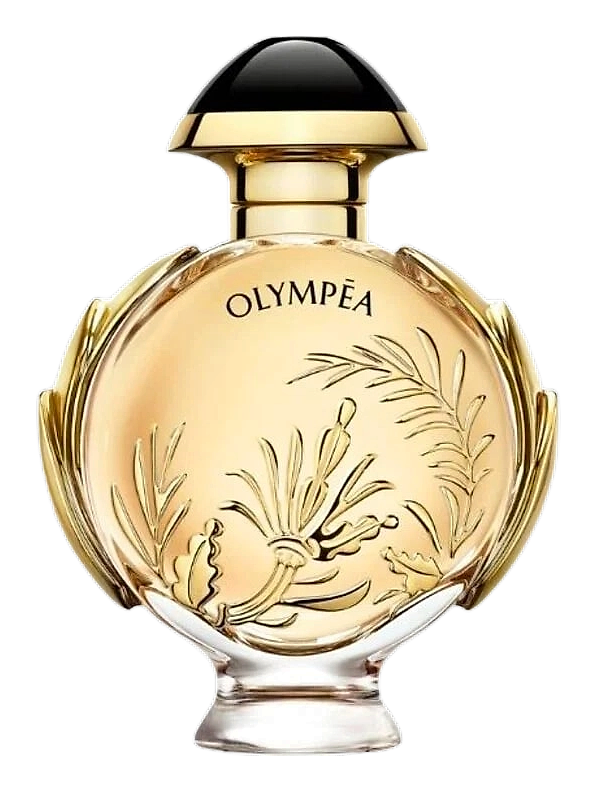
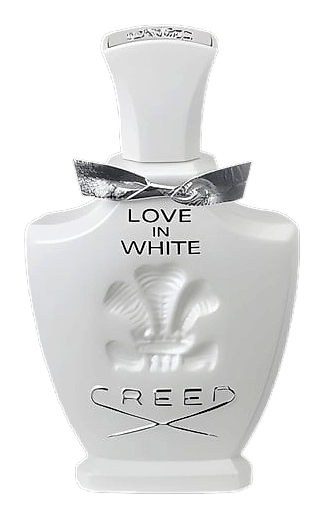
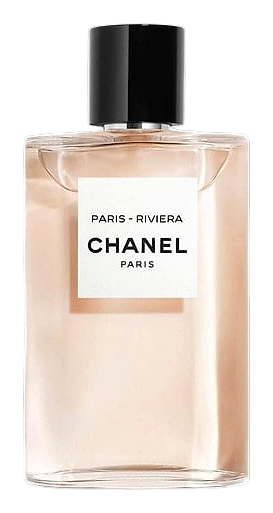

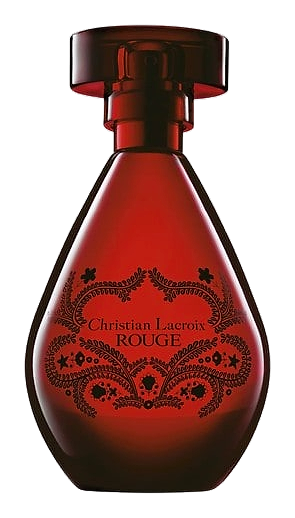
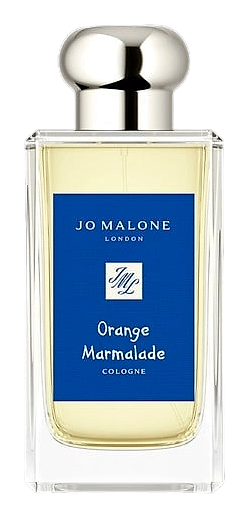
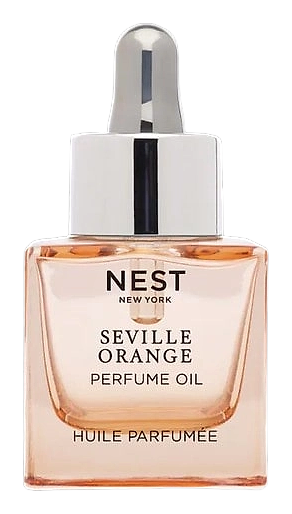

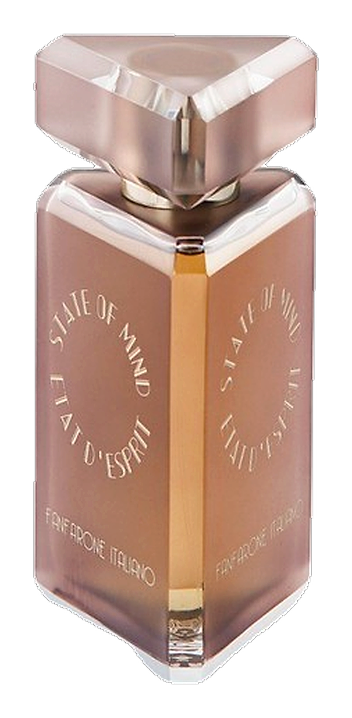
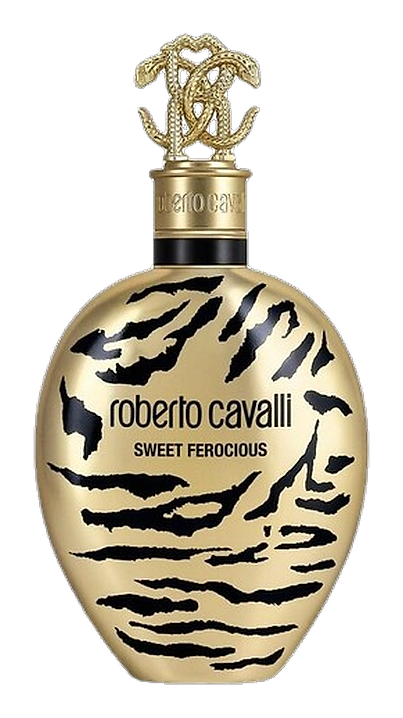
Brands
Brands known for Orange Peel
Good to know
Questions, answered
The essentials on Orange Peel in perfumery: how it smells, where it comes from, and how it behaves on skin.
What is orange peel oil in perfumery?
Orange peel oil is a citrus aromatic material extracted by cold-pressing the flavedo (colored outer layer) of ripe orange peel. Perfumers use it as a top note to add brightness and immediacy to fragrance compositions. The oil captures the fresh, zesty character of orange peel without the sweetness of orange blossom.
How is orange peel oil extracted?
Cold expression mechanically presses fresh orange peel to release aromatic oils without heat. The process separates the colored flavedo from the white albedo, then uses industrial pressing and centrifugation to isolate the oil. This method preserves volatile compounds like d-limonene (90-95% of the oil) that give orange peel its characteristic fresh aroma.
Why is orange peel a valuable perfumery ingredient?
Orange peel oil provides an immediate, clean citrus burst that energizes fragrance compositions. Perfumers value its versatility as a top note that blends well with florals, woods, and other citrus materials. The oil's natural availability and consistent aromatic profile make it a reliable choice for both classical and modern fragrance formulations.
What does orange peel smell like?
Orange peel delivers a bright, sharp citrus aroma with clean, zesty characteristics. The scent carries subtle bitter undertones from the albedo alongside the sweet freshness of the outer flavedo. This combination creates a more complex citrus profile than orange blossom or synthetic orange accords.
Where does orange peel oil originate?
The Mediterranean region, particularly Italy, Spain, and Greece, has historically produced the finest orange peel oil for perfumery. Modern production extends to Brazil, the United States, and Mexico, where juice manufacturing generates large quantities of peel as a byproduct. Italian production, especially from Sicily and Calabria, remains highly regarded for quality.
Is orange peel oil sustainable?
Orange peel oil production utilizes a byproduct of juice manufacturing, making it relatively sustainable compared to ingredients requiring dedicated crops. Modern extraction facilities maximize yield while minimizing waste, and the citrus industry generates substantial peel volumes annually from global juice production.
How long has orange peel been used in perfumery?
Orange peel and orange blossom have been used in perfumery since at least the 19th century when French perfumers in Grasse formalized orange blossom as a fragrance ingredient. The classic formulation of eau de cologne, developed in 18th-century Cologne, incorporated citrus notes including orange blossom as foundational elements.
Can orange peel oil be synthesized?
Synthetic alternatives to orange peel compounds exist, primarily built around limonene, but natural cold-pressed oil remains preferred for its complex aromatic profile. Modern perfumery often combines natural and synthetic materials to achieve specific scent characteristics while managing cost and supply considerations.