









Heritage
A house, in its own words
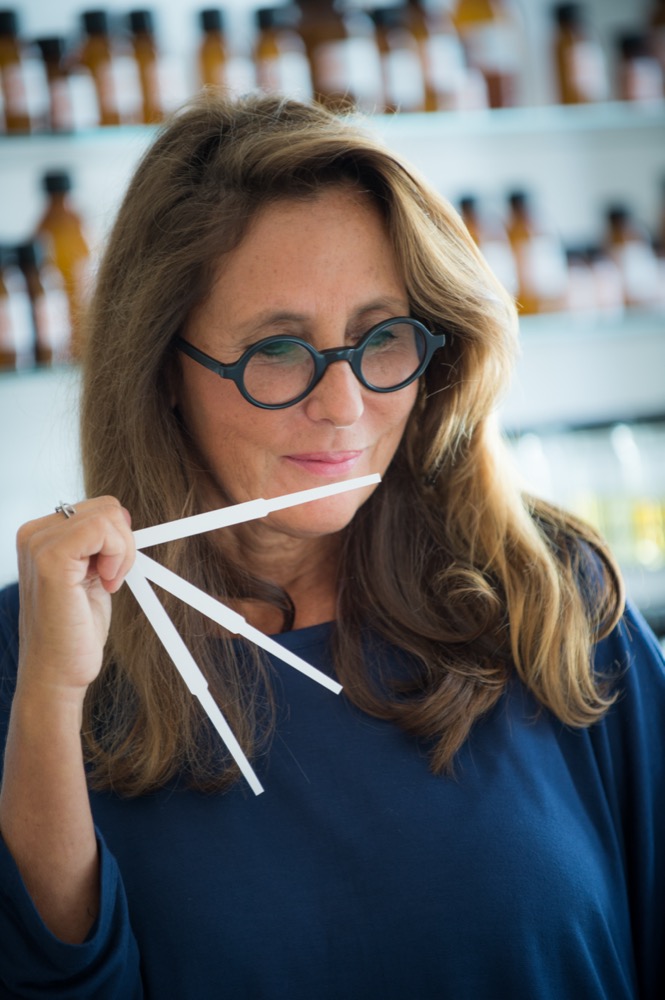
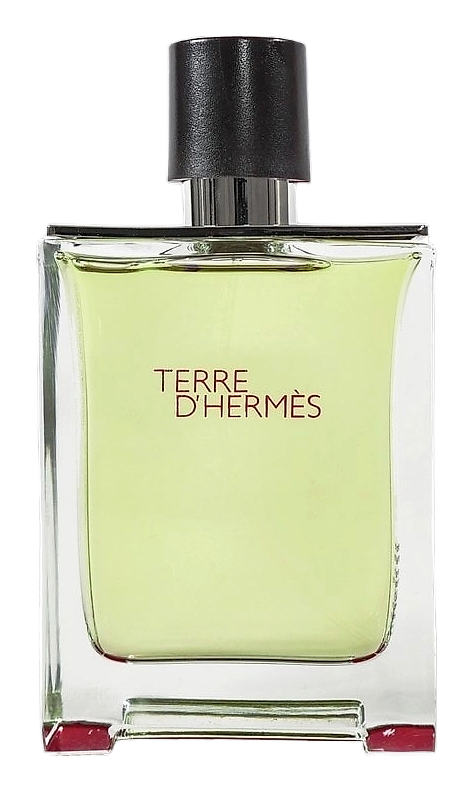
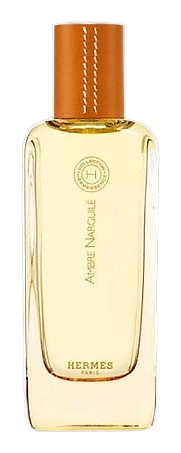
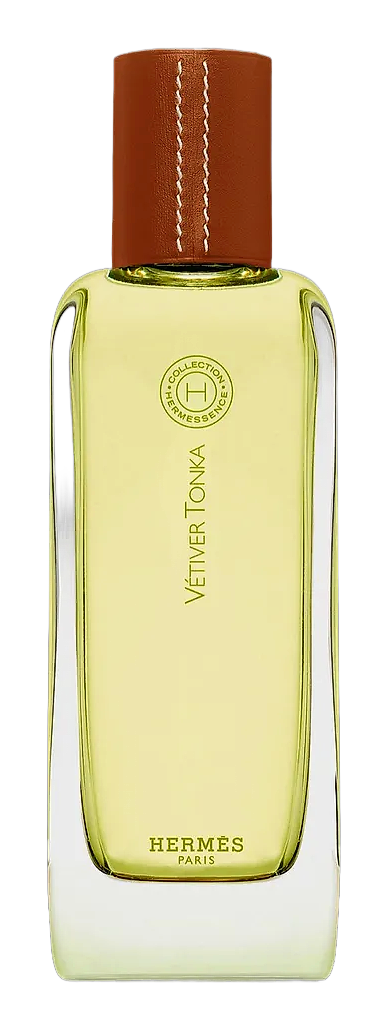
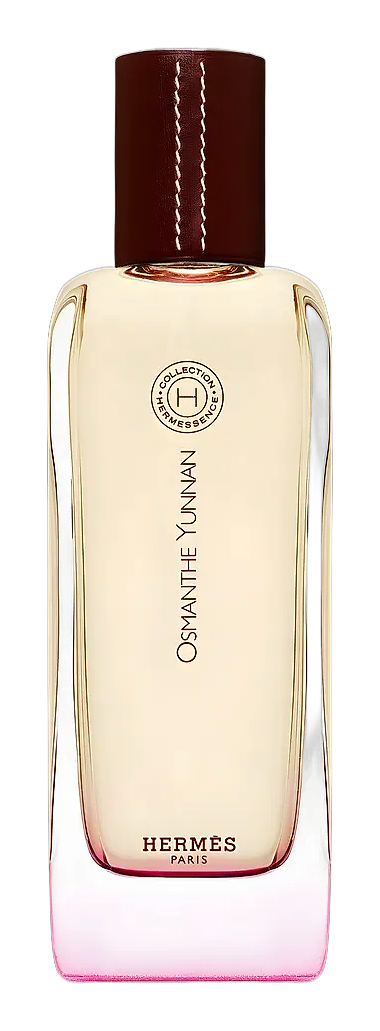
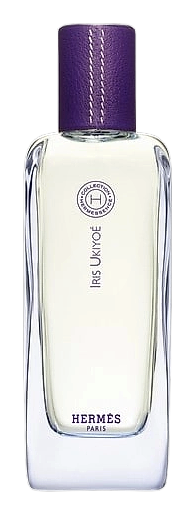
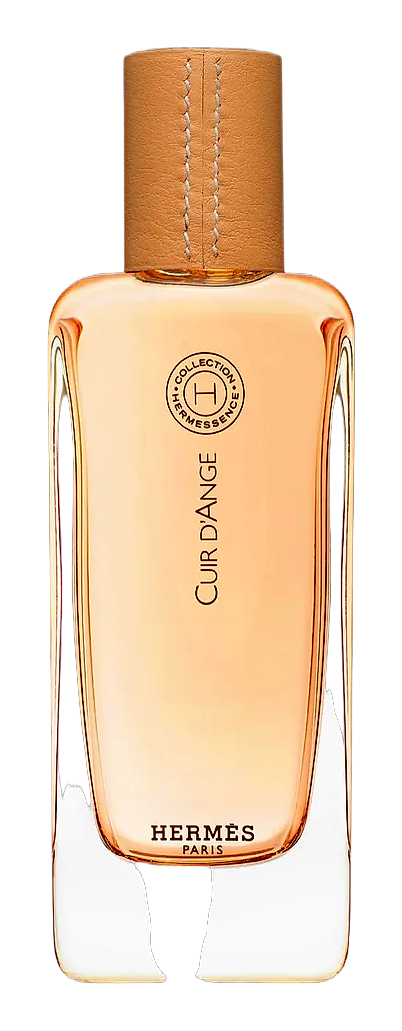
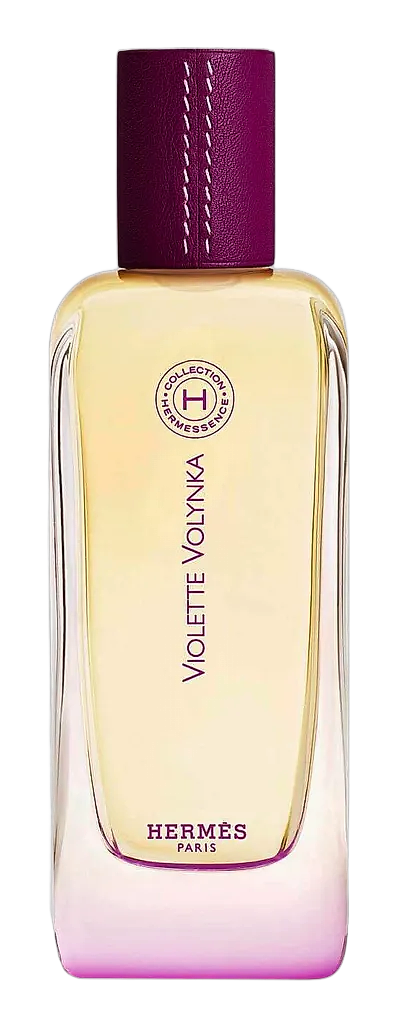
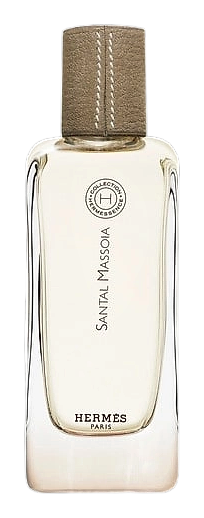
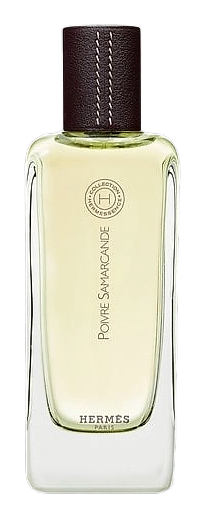
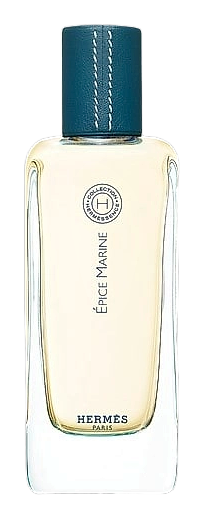
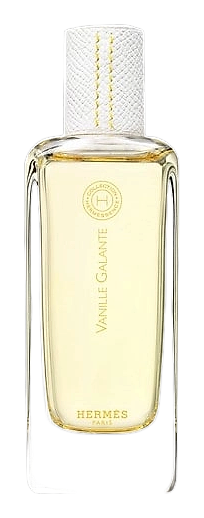
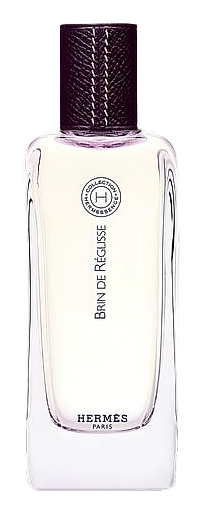
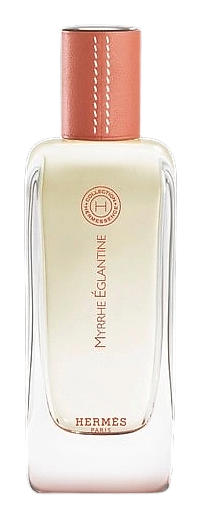
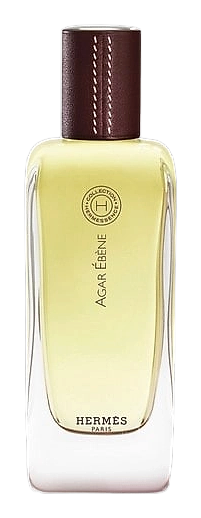
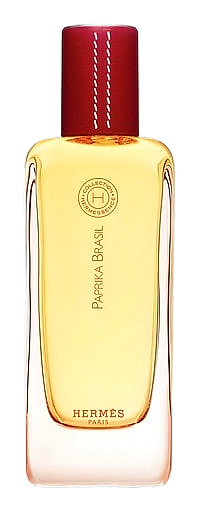
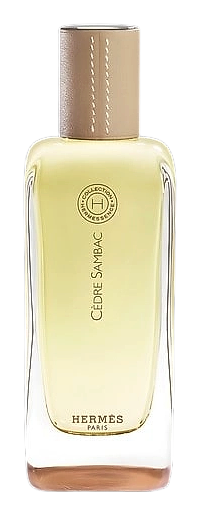
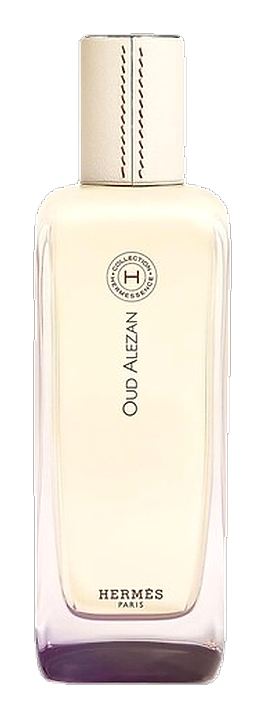
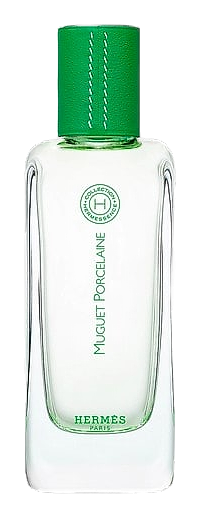
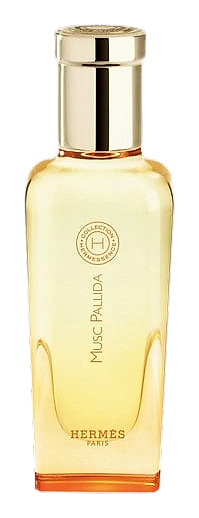
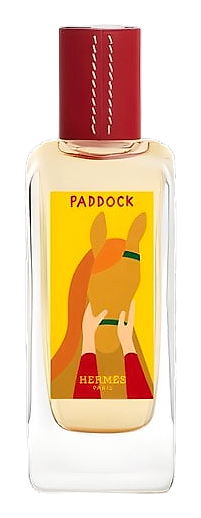
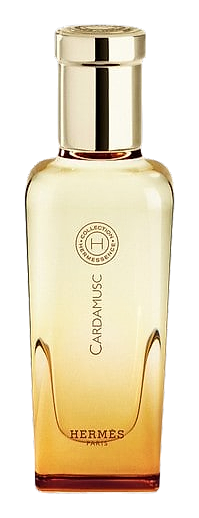
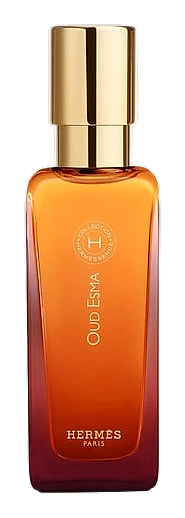
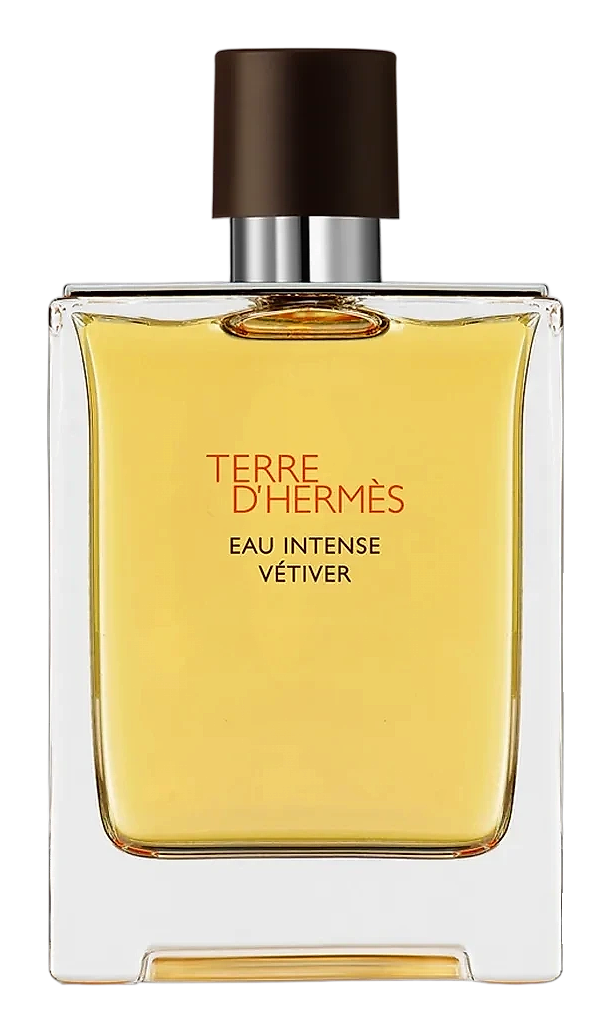
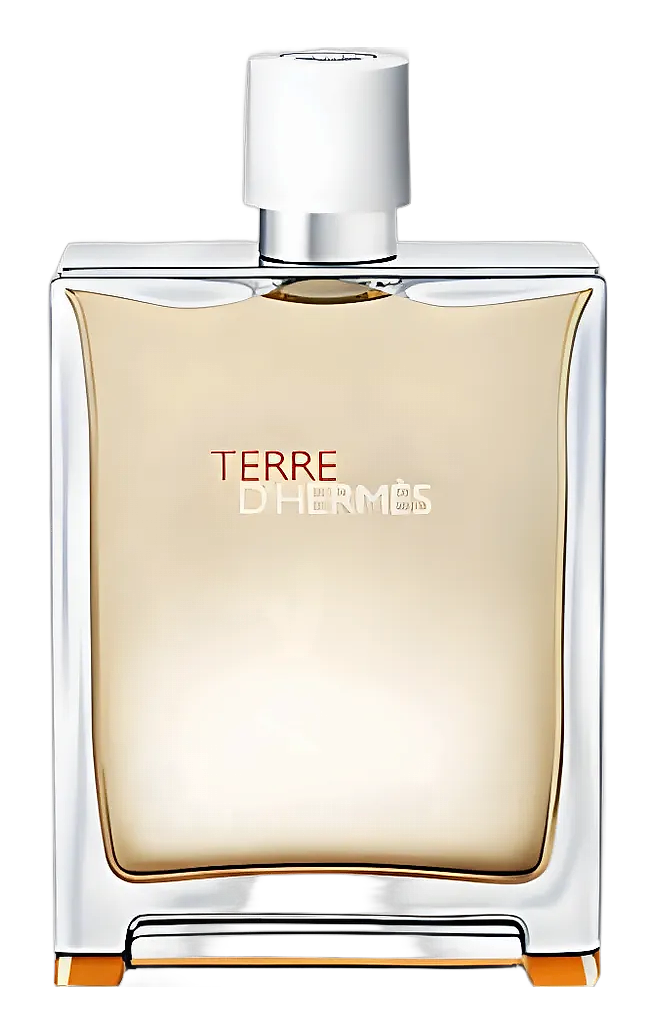
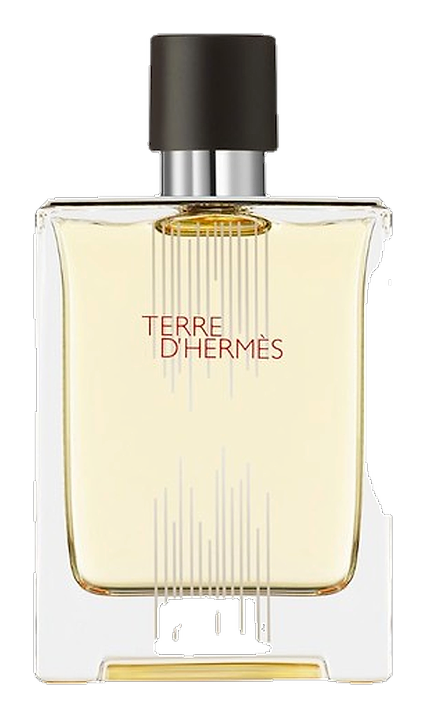
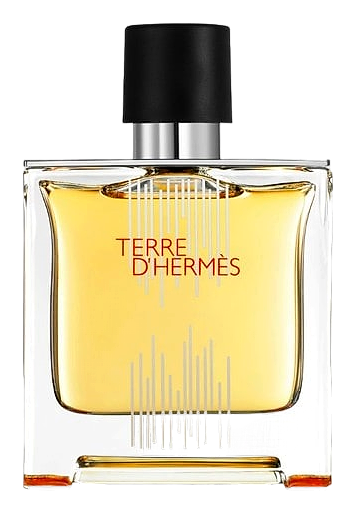
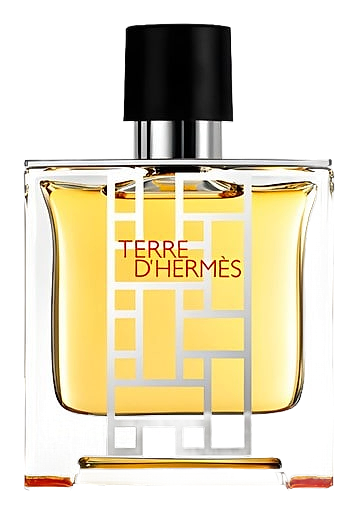
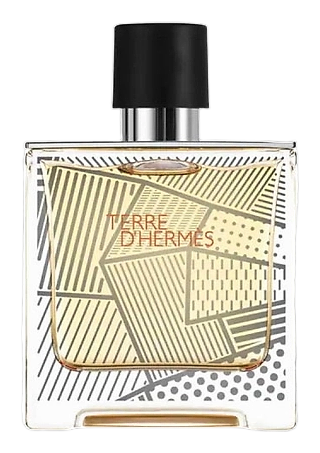
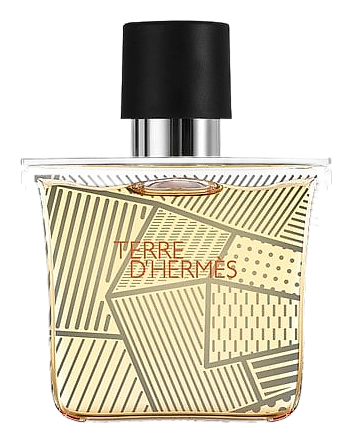
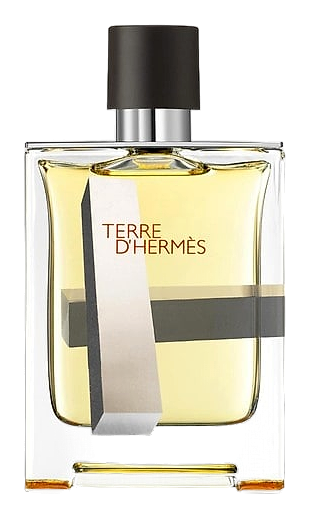
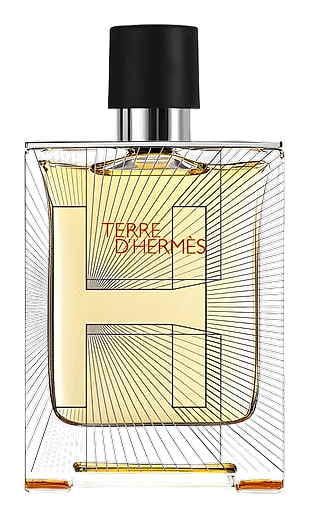
Thierry Hermès was born in Krefeld, Germany, in 1801 and settled in Paris, where he opened a harness workshop on rue Basse-du-Rempart in 1837. His craft catered to European nobility's carriage trade, and the house grew alongside the rise of the automobile, shifting its focus from bridles and saddles to leather goods, ready-to-wear, silk, and eventually fragrance. Hermès entered perfumery in the 1930s through scented accessories, but the category became a standalone métier in 1951 with the launch of Eau d'Hermès, composed by Edmond Roudnitska. The 1961 introduction of Calèche extended the house's leather vocabulary into bottle form. In 1995, 24 Faubourg Extrait de Parfum honored the flagship address on the Rue du Faubourg Saint-Honoré. The modern era took shape with Jean-Louis Ellena's appointment as in-house perfumer in 2004. His minimalist compositions, including Terre d'Hermès Parfum, defined a quieter chapter. Christine Nagel succeeded him in 2016, bringing a warmer, more textural sensibility through releases like the Hermessence line and Paddock in 2024. Six generations of the Hermès family have guided the maison since 1837. Hermès approaches fragrance the way it approaches a saddle stitch: with restraint, material intelligence, and respect for the object. The house rejects the logic of seasonal cycles and blockbuster launches, instead building a tightly edited catalogue where each composition is expected to justify its place. In-house perfumers Jean-Louis Ellena and, later, Christine Nagel have shaped a creative identity rooted in transparency. Ellena favored ethereal structures built on a single luminous material. Nagel inherited that clarity while adding a gourmand, almost tactile dimension, evident in compositions like Ambre Narguilé and the Hermessence editions. Both treat scent as an extension of the maison's broader craft vocabulary, where leather, wood, spice, and iris function the same way they do in a Birkin or a silk twill. The result is a perfume house that prizes longevity over volume. Compositions are released sparingly, supported by a refill culture that the brand has championed for decades.