The Story
Why it exists.
The beginning
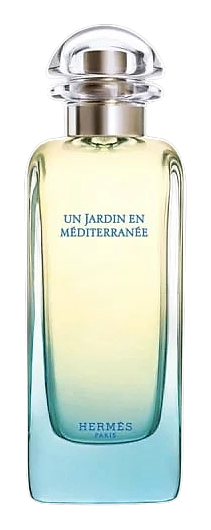
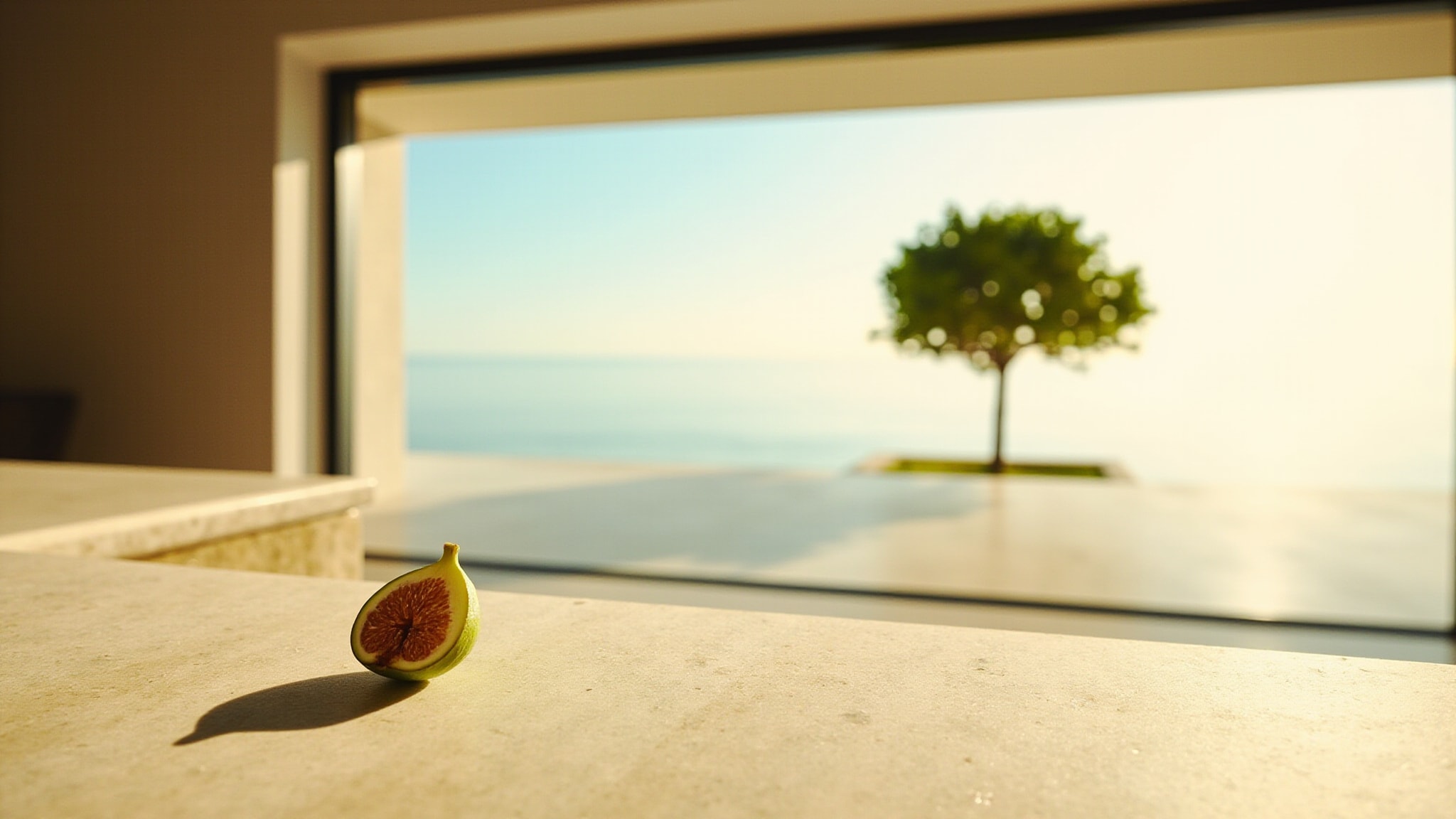
In 2003, Jean-Claude Ellena turned to a garden for his next Hermès composition. Not just any garden. The Tunisian garden of Leïla Menchari, the legendary artistic director who shaped the visual identity of the house for decades. Ellena didn't want to capture the whole garden. He wanted the fig tree at its center, seen in the quiet of morning. That specific tension, green and growing against bright Mediterranean light, became the fragrance itself. The name, Un Jardin en Méditerranée, is honest about its geography and its subject. A garden in the Mediterranean, filtered through one subject, composed by one hand, with nothing unnecessary in the way.
What makes this structure unusual is where Ellena places the emphasis. The fig note in most fragrances points toward the fruit, sweet, lactonic, creamy. Here, the fig leaf takes over completely. It's green, slightly bitter, almost vegetable in its honesty. The sweetness isn't absent; it's displaced into the orange blossom heart, where it reads as warmth rather than sugar. The Mediterranean evergreens, cypress and juniper, anchor the base in something dry and mineral, the smell of trees that have learned to survive on very little water. Pistachio and musk arrive late, adding a soft warmth to the drydown that stays close and personal. It's a composition that trusts restraint. No single note dominates.
The evolution
The opening arrives bright and direct. Bergamot, lemon, and mandarin orange cut through like morning light through a window, sharp, sparkling, immediately citrus. The citrus phase holds the attention before the fig leaf takes over and the scent shifts into something cooler, greener, almost vegetable. The transition isn't dramatic; it's the difference between stepping outside and settling into shade. The heart unfolds quietly, orange blossom and white oleander softening the green into something floral and Mediterranean. This middle phase holds for most of the fragrance's lifespan. The evergreens arrive as the scent dries, cypress, juniper, red cedar, and the scent dries into something mineral and warm, the fig note deepening rather than disappearing. The base lingers close to the skin for hours after, pistachio and musk warming the drydown into something intimate and unhurried.
Cultural impact
Un Jardin en Méditerranée found its audience quietly, the way Hermès always does. It has simply lasted, in continuous production since 2003, trusted by the kind of wearer who chooses a fragrance the way they choose a watch: for the quality of the object, not the noise around it. There is something to be said for a scent that asks nothing of you, that arrives without fanfare and stays without demanding attention. It has become a quiet constant, recommended by those who know and sought by those who want something that speaks for itself rather than shouting for recognition.