Red Cedar
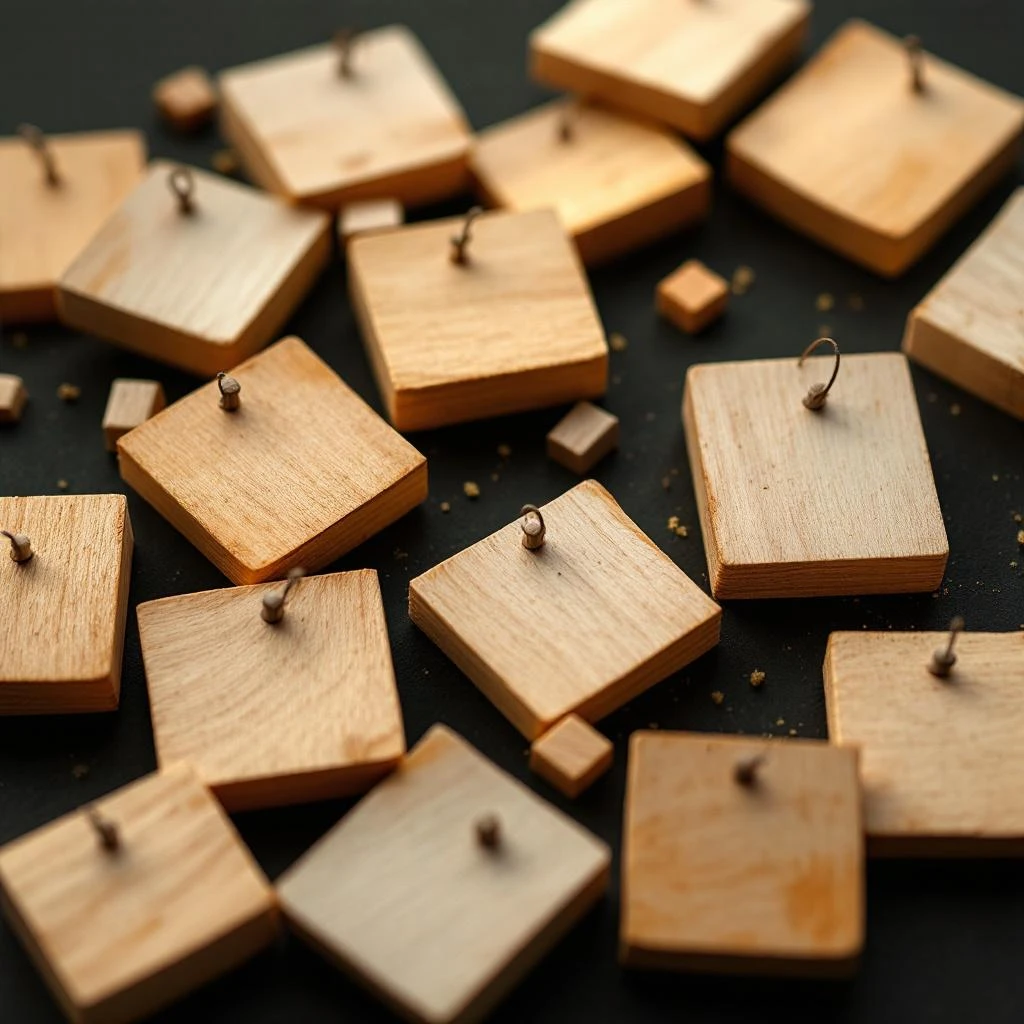
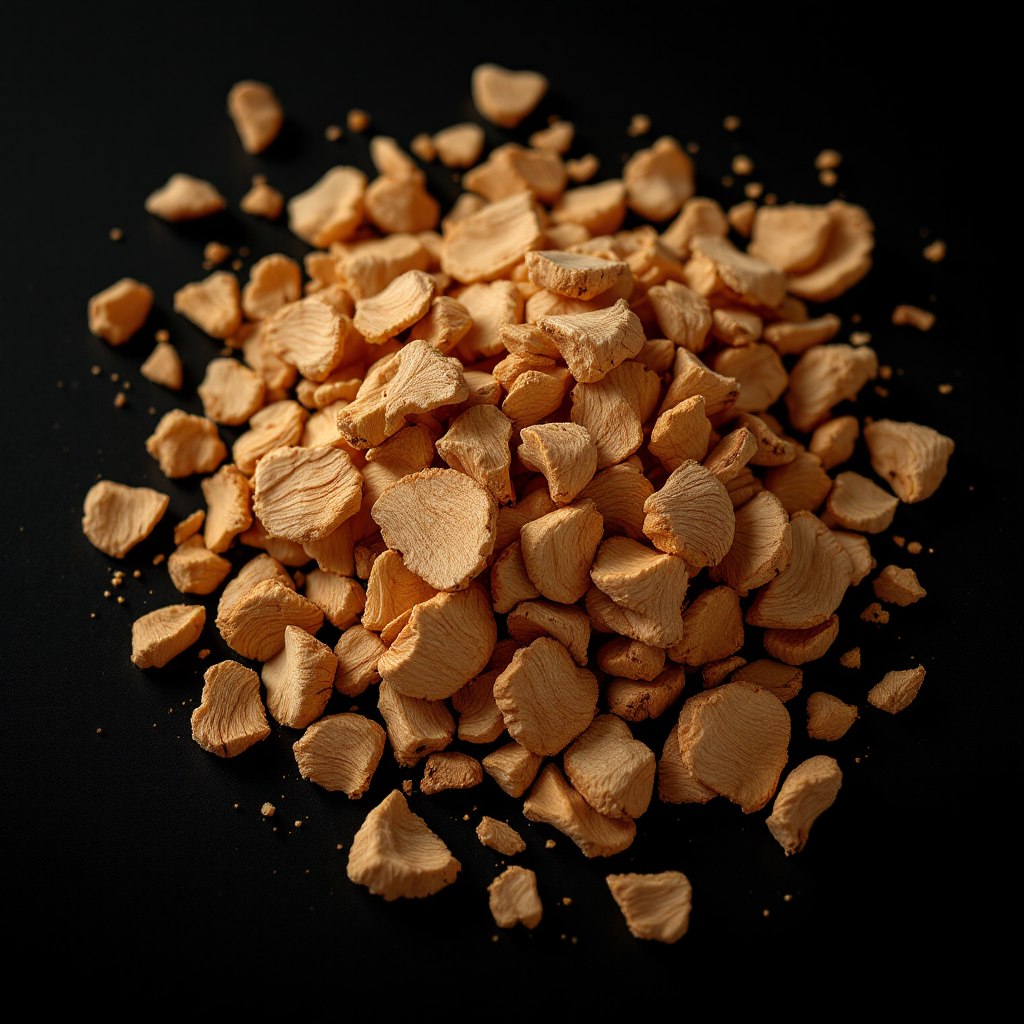
Red Cedar, derived from Juniperus virginiana, delivers a warm, dry-woody aroma with soft balsamic undertones. A cornerstone of perfumery, it anchors fragrances with quiet strength and lasting depth.
Character
How it smells
Quiet strength. Dry wood. Lasting warmth.
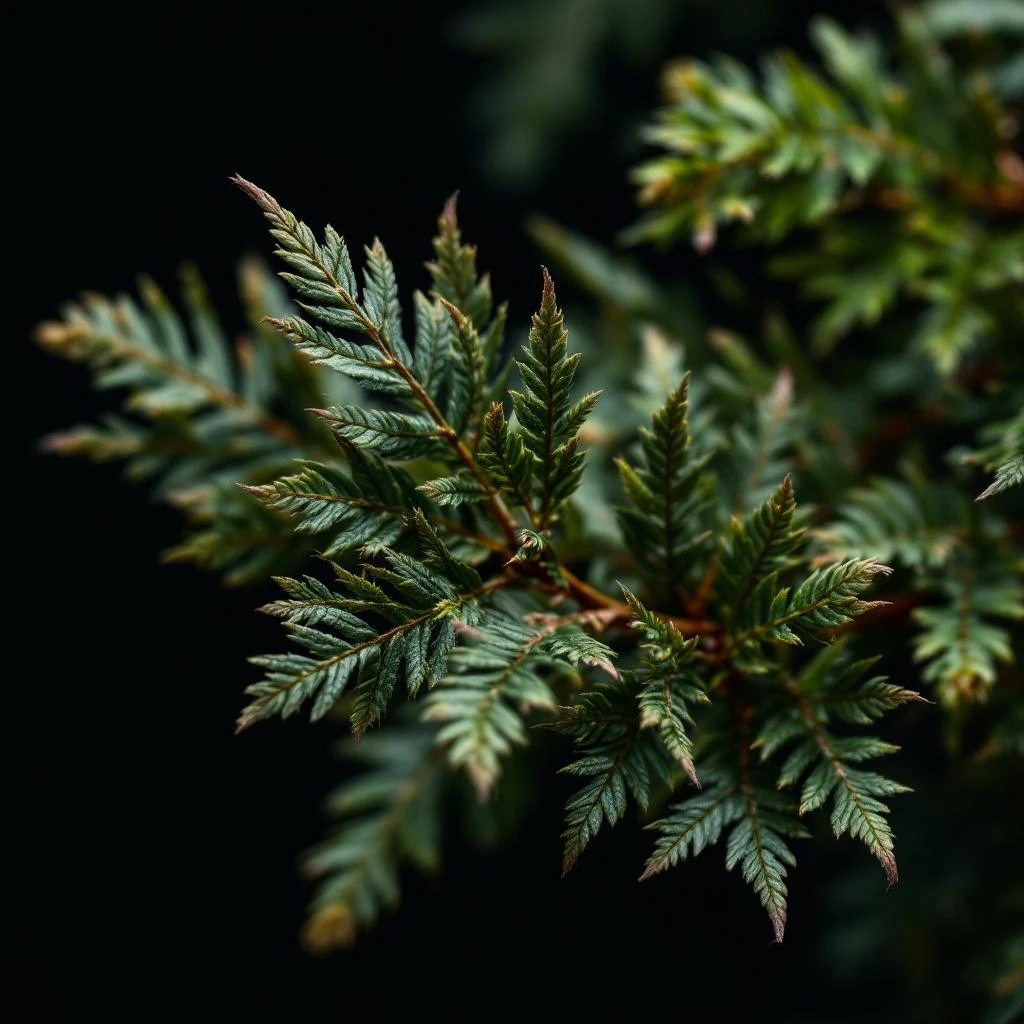
Despite being called cedar, Juniperus virginiana is actually a juniper species, not a true cedar. True cedars belong to the Pinaceae family, while Red Cedar is a member of Cupressaceae.









Origin
United States
Juniperus virginiana, commonly called Southern Red Cedar, has deep roots in North American tradition. Indigenous peoples of the eastern woodlands used the aromatic wood for ceremonial smudging, medicinal applications, and daily life, long before European settlers arrived. Early colonists adopted the material for building and storage, recognizing its natural resistance to decay and insects.
By the 18th and 19th centuries, Red Cedar had entered the colonial perfumery tradition as one of the earliest domestically produced fragrance materials in North America. Its warm, woody character made it particularly valuable for creating simple yet enduring scents. Ancient Egyptians were among the first to formalize cedarwood use in fragrant preparations, employing Lebanon Cedar in cosmetics, temple incense, and mummification rituals.
Cedarwood has long carried associations with purification, healing, and spiritual practice across multiple civilizations. Today, Red Cedar remains a staple of modern perfumery, lending dry, woody structure to masculine fragrances, fine eaux, and household products alike.
Wears it best
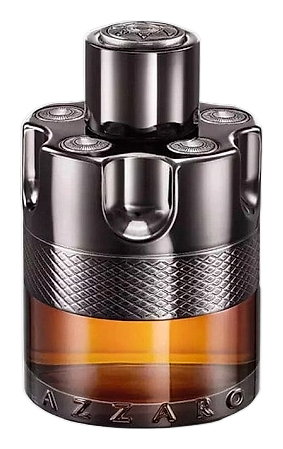
Fragrances featuring Red Cedar
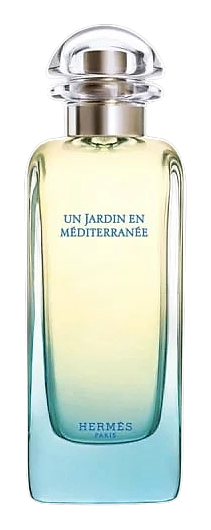
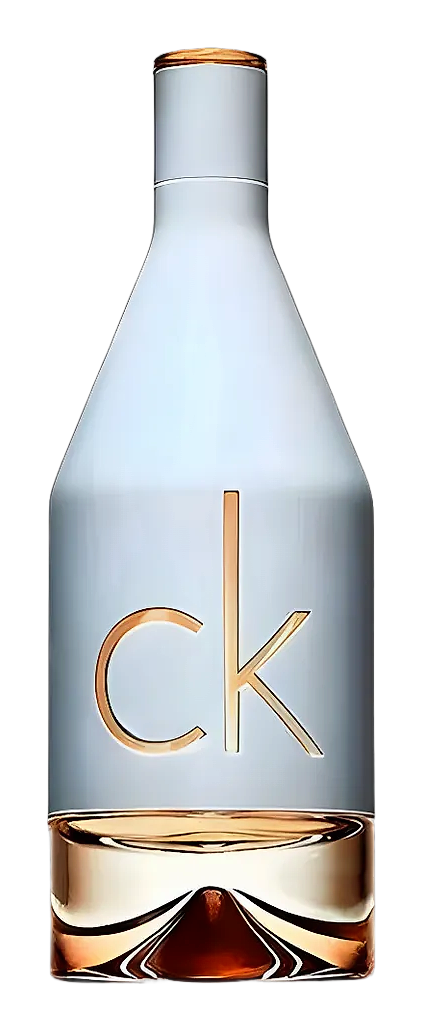
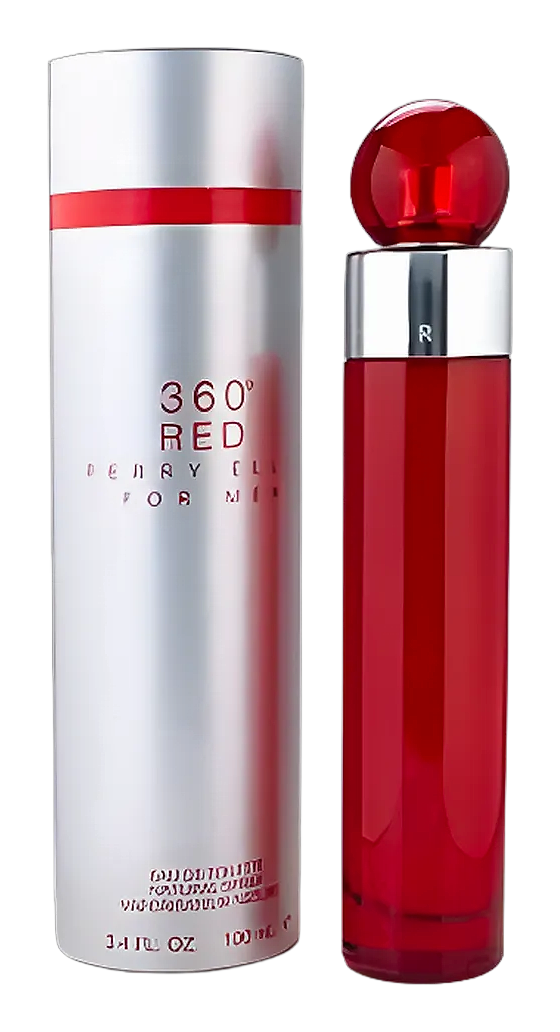

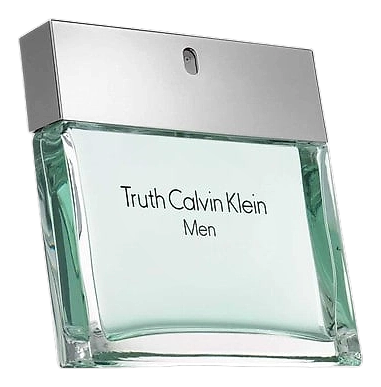
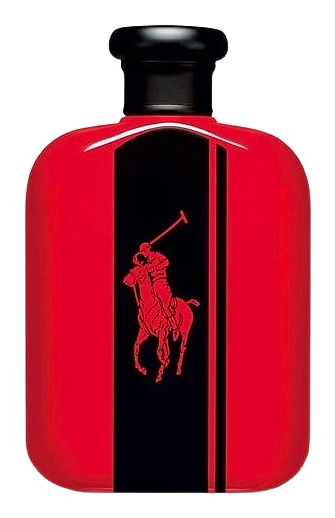
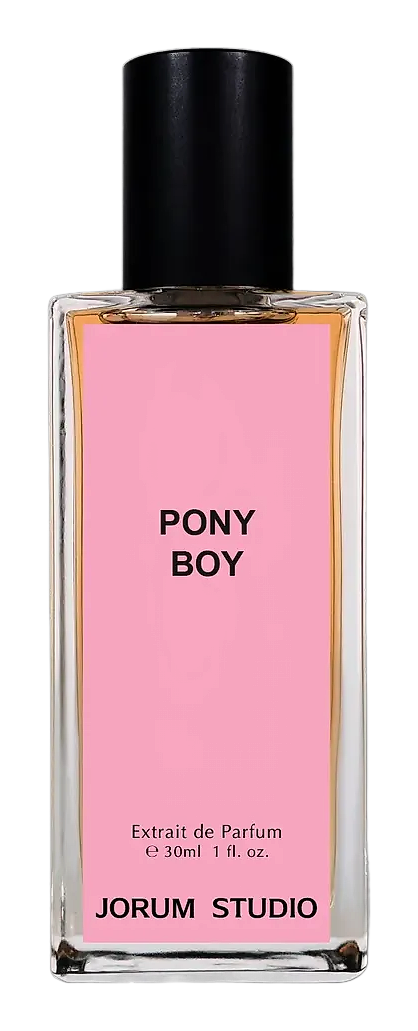
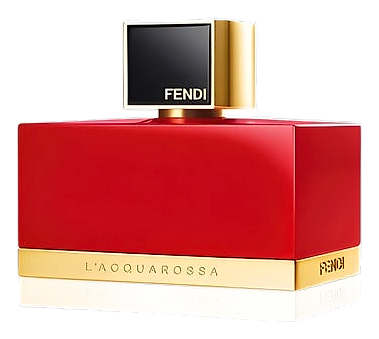

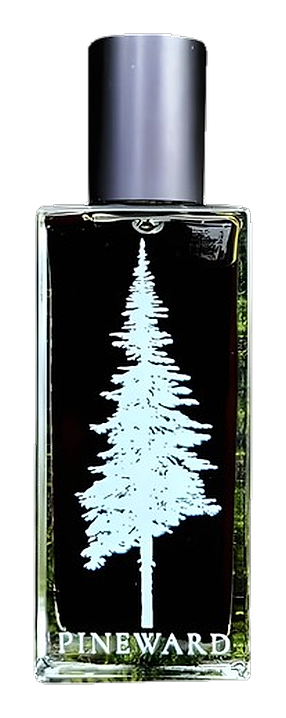
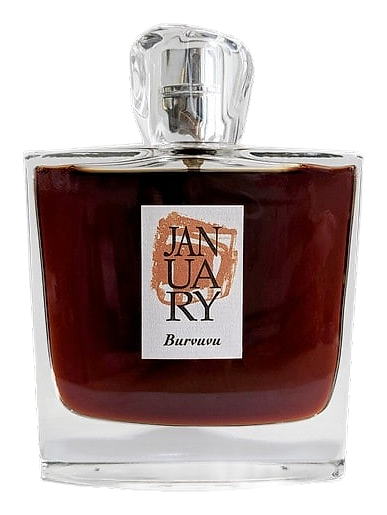
Brands
Brands known for Red Cedar
Good to know
Questions, answered
The essentials on Red Cedar in perfumery: how it smells, where it comes from, and how it behaves on skin.
What type of cedar is Red Cedar?
Red Cedar comes from Juniperus virginiana, a North American conifer technically classified as a juniper, not a true cedar. Despite its common name, it belongs to the Cupressaceae family alongside cypress and other junipers. This distinction matters because true cedars (Cedrus genus, Pinaceae family) have a different aromatic profile and geographic origin.
What does Red Cedar smell like?
Red Cedar has a warm, dry-woody aroma with soft balsamic sweetness. It lacks the sharp pencil-shaving note found in Texas Cedarwood, offering instead a smooth, rounded warmth. The scent develops from an initial oily-woody tone into increasingly dry and woody character that lingers on the skin for hours.
Is Red Cedar used as a top, middle, or base note?
Red Cedar functions almost exclusively as a base note. Its high molecular weight allows the aroma to persist on skin for extended periods, often six hours or more. Perfumers rely on this longevity to anchor volatile top and heart notes, providing structural depth and ensuring the fragrance remains recognizable throughout its wear.
What ingredients pair well with Red Cedar?
Red Cedar complements woody materials like sandalwood, vetiver, and cypress in rich aromatic compositions. Its warm, dry character pairs equally well with balsamic ingredients such as amber, vanilla, and labdanum. For contrast, perfumers combine it with bright citrus top notes like bergamot or with floral heart notes including geranium and rose.
How long has Red Cedar been used in perfumery?
North American indigenous cultures used Red Cedar for centuries before European contact. Colonial perfumers adopted it by the 1700s, making it one of the first domestic fragrance materials in what would become the American perfume industry. Its documented use in ritual and medicine predates modern perfumery by generations.
Is Red Cedar naturally derived or synthetically produced?
Commercial Red Cedar oil is naturally extracted via steam distillation from the heartwood of Juniperus virginiana. The primary growing regions span the southeastern United States. Synthetic alternatives exist in the form of reconstructed cedrene derivatives, which mimic certain aromatic qualities for industrial applications where cost or consistency matters more than complexity.
Does Red Cedar appear mainly in men's fragrances?
Red Cedar appears frequently in masculine fragrances but is not exclusive to them. Its dry, woody warmth provides structural depth across many fine fragrances, including gender-neutral and feminine compositions. Perfumers value the material for its versatility and blending properties rather than any demographic positioning.
Can Red Cedar cause skin sensitivity?
Red Cedar oil may cause sensitization in some individuals with repeated exposure. Like many essential oils, it requires proper dilution before topical use. Regulatory bodies classify it with IFRA guidelines specifying maximum concentrations for leave-on skin applications. Those with sensitive skin should exercise caution or consult a qualified practitioner.