White Oleander
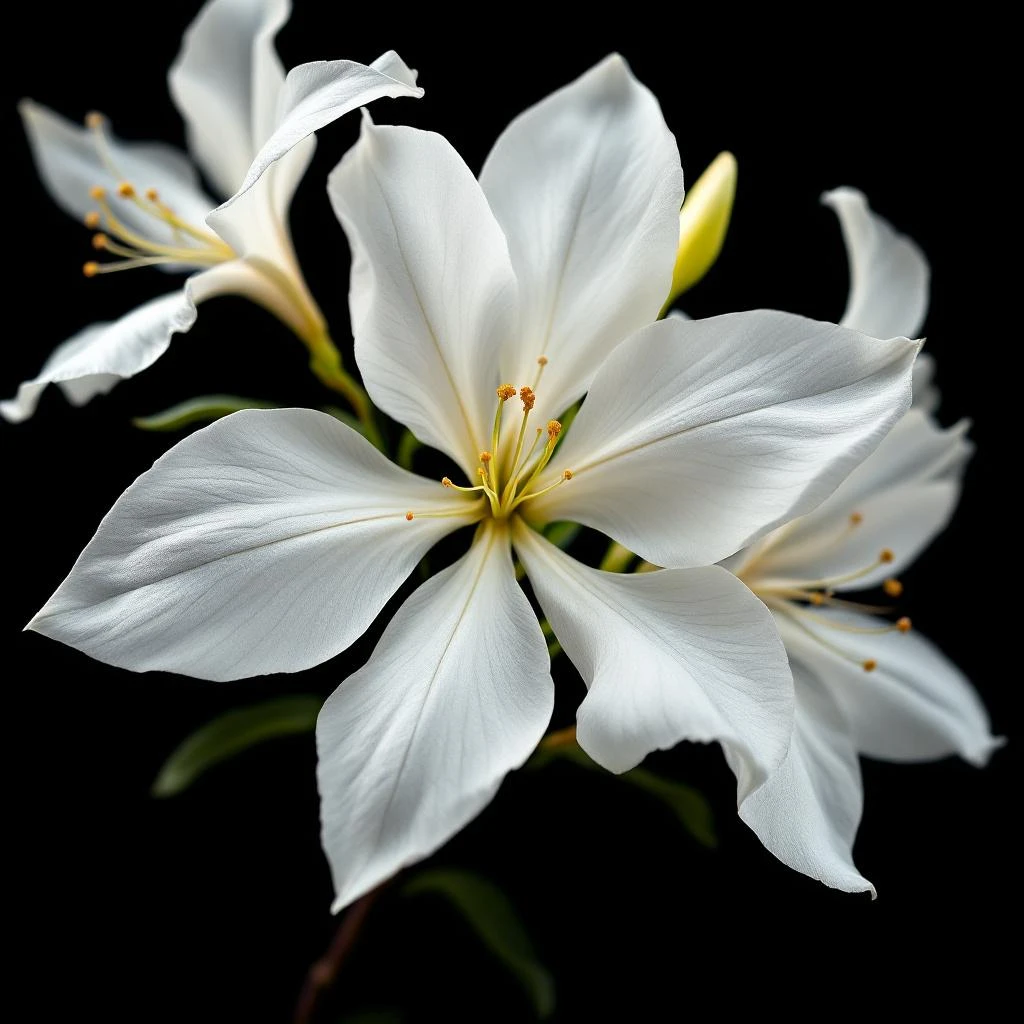
White Oleander is a Mediterranean icon reimagined by perfumers. Its intoxicating, sweet floral scent—reminiscent of summer evenings in Provence—is too toxic to extract naturally, so chemists capture its essence through synthesis.
Character
How it smells
Mediterranean summer, distilled through chemistry.
Napoleon's soldiers were poisoned in Spain after roasting meat on oleander sticks—the plant's toxicity survives heat.







Origin
Greece
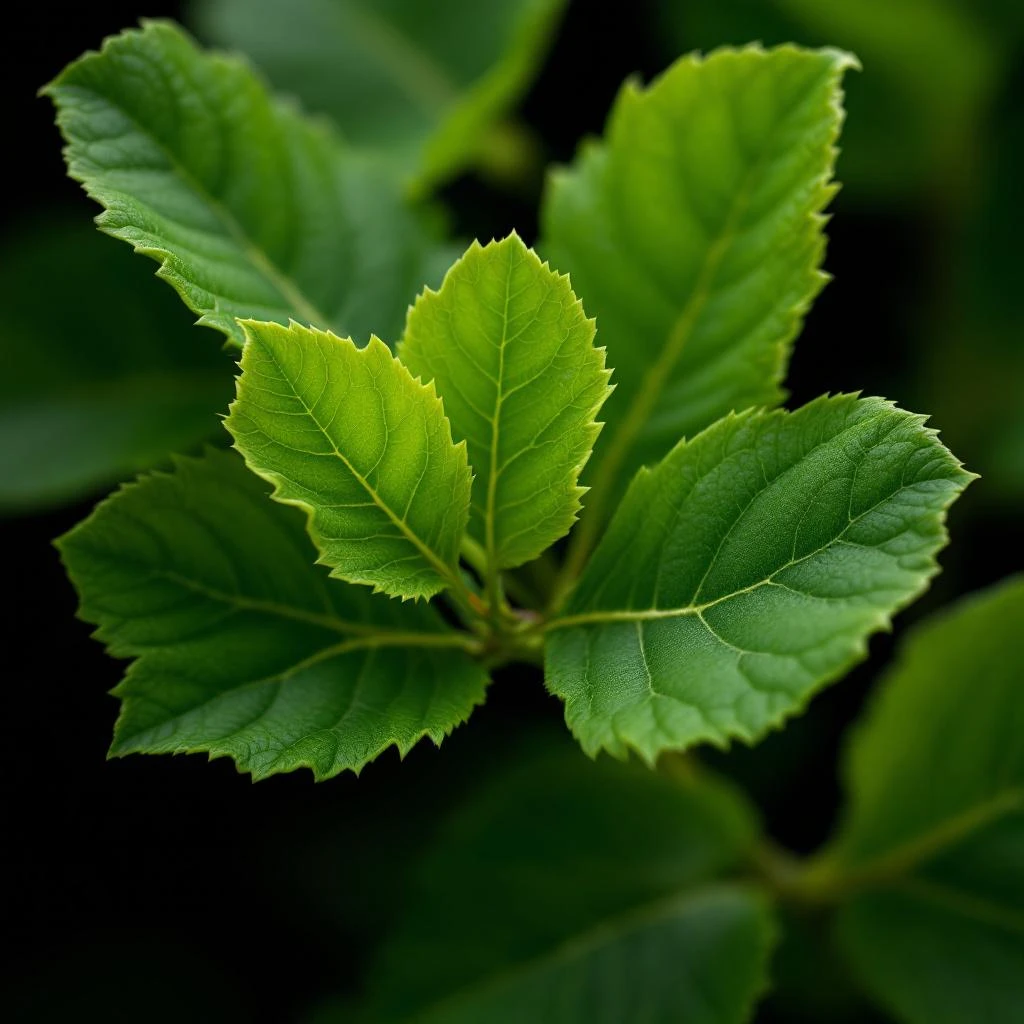
A white oleander variant appeared suddenly on Crete in 1547, documented precisely in the island's White Mountains. This discovery marked the first recorded observation of this specific mutation.
The plant had likely existed in the Mediterranean basin for millennia, woven into the cultural fabric of ancient Greece, Rome, and the Arab world. Greek and Roman physicians used oleander in preparations despite knowing its dangers—evidence of how seriously ancient practitioners weighed risk against benefit.
Venice's botanical heritage includes stories of preserving distinct oleander varieties with unique appearances and scents. The legend of Napoleon's soldiers poisoned during their Spanish campaign, having cooked meat on oleander branches, cemented the plant's reputation as one of nature's most dangerous botanicals.
Wears it best
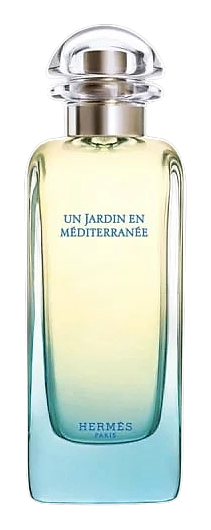
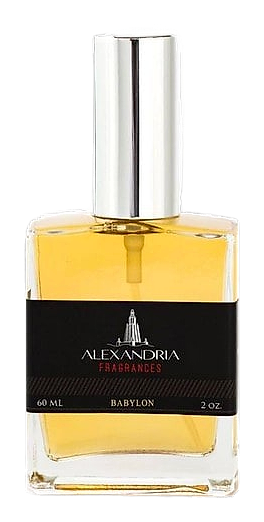
Fragrances featuring White Oleander
Brands
Brands known for White Oleander
Good to know
Questions, answered
The essentials on White Oleander in perfumery: how it smells, where it comes from, and how it behaves on skin.
Is White Oleander extracted from the actual oleander flower?
No. Nerium oleander is too toxic for commercial extraction—all plant parts contain dangerous cardiac glycosides. Perfumers recreate the scent synthetically using nature-identical aroma chemicals that replicate the sweet, green floral character.
Why is oleander toxic?
Oleander contains cardiac glycosides including oleandrin and neriine. These compounds affect heart function by disrupting sodium and potassium ion transport in cardiac cells, making every part of the plant—flowers, leaves, stems, roots—potentially fatal if ingested.
What does White Oleander smell like?
The scent profile features sweet, heady florals with green, slightly toxic undertones. Perfumers describe it as enveloping and distinctly Mediterranean—the defining summer fragrance of the South of France.
Where was White Oleander first documented?
A white-flowered oleander variant was first recorded on Crete in 1547, specifically in the White Mountains region. This specific discovery marks the botanical introduction of this striking mutation.
Is synthetic oleander safe to use in perfume?
Yes. Nature-identical aroma chemicals used to recreate oleander undergo safety assessments including IFRA compliance. The synthetic materials capture the scent without any of the cardiac glycosides that make the natural plant dangerous.
What inspired perfumers to recreate oleander?
Oleander grows profusely across Mediterranean regions, filling summer air with its intense fragrance. Perfumers sought to bottle this evocative seasonal experience—the scent of Southern French summers, hot afternoons, and Mediterranean coastlines.
How long has oleander been associated with danger?
Ancient texts document oleander's toxicity, and legend places Napoleon's soldiers among its victims during the Spanish campaign. Soldiers reportedly roasted meat on oleander branches and were poisoned, even after cooking.
Does synthetic White Oleander appear in many fragrances?
Oleander accords appear across fragrance families but particularly in florals and green chypres. The nature-identical reconstruction allows perfumers to incorporate this Mediterranean signature without the safety risks of the natural botanical.