Akiko Kamei
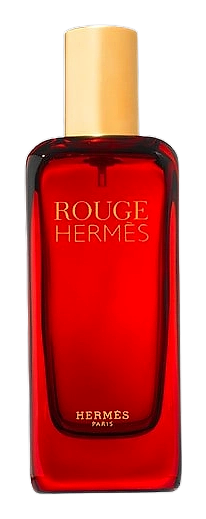
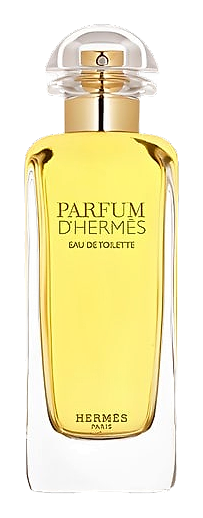
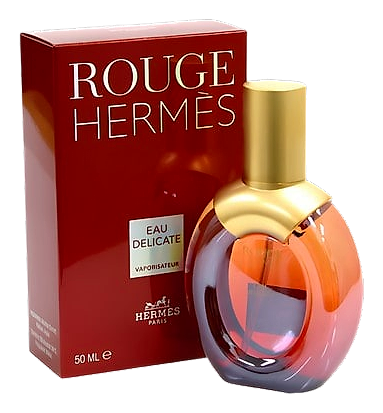
Akiko Kamei left behind a career in nutrition and a comfortable position at a Japanese beauty company when she boarded a plane for France in the 1980s. At a time when professional perfumery was virtually unknown to Japanese women, she enrolled in training in Grasse, the legendary heart of French fragrance. She worked alongside some of the industry's most respected noses, absorbing techniques passed down through generations of French perfumery while contributing her own quietly radical perspective. In 1984, she co-created Parfum d'Hermès with Raymond Chaillon, an assignment that gave her the rare opportunity to blend Eastern restraint with Western opulence. The success of that collaboration led her to revisit the formula two decades later, when she distilled it into Rouge Hermès in 2000. Today, she remains one of the few Japanese-born perfumers to have built a lasting career inside the French luxury system.
The hits
Notable creations



The signature
How Akiko composes
Kamei's signature lies in her handling of soft musk structures and the way she layers warmth without heaviness. She favors transparent woods, gentle resins, and the kind of quiet animalic notes that register as skin rather than sillage. Her work tends toward sophisticated minimalism rather than showy complexity, with a particular skill for creating fragrances that feel both intimate and timeless. She has cited orange blossom, iris, and amber as recurring obsessions across her career.
Philosophy
What drives Akiko
Kamei approaches fragrance as a conversation between silence and sound. She once described her work as finding the exact point where a material becomes more feeling than smell, a philosophy shaped by her belief that perfume should feel inevitable rather than constructed. Her Japanese roots inform an aesthetic of compression and suggestion, where less becomes more when placed with intention. She is drawn to compositions that breathe, that move with the wearer rather than announcing themselves.
The houses
Maisons Akiko composes for
In the same league